Hair Oils: A Guide to Their Benefits and How They Work
10 min read ·
Hair Oils are natural lipid-rich substances used to enhance hair condition, improve shine, and reduce breakage by forming a protective barrier on the hair shaft and scalp.
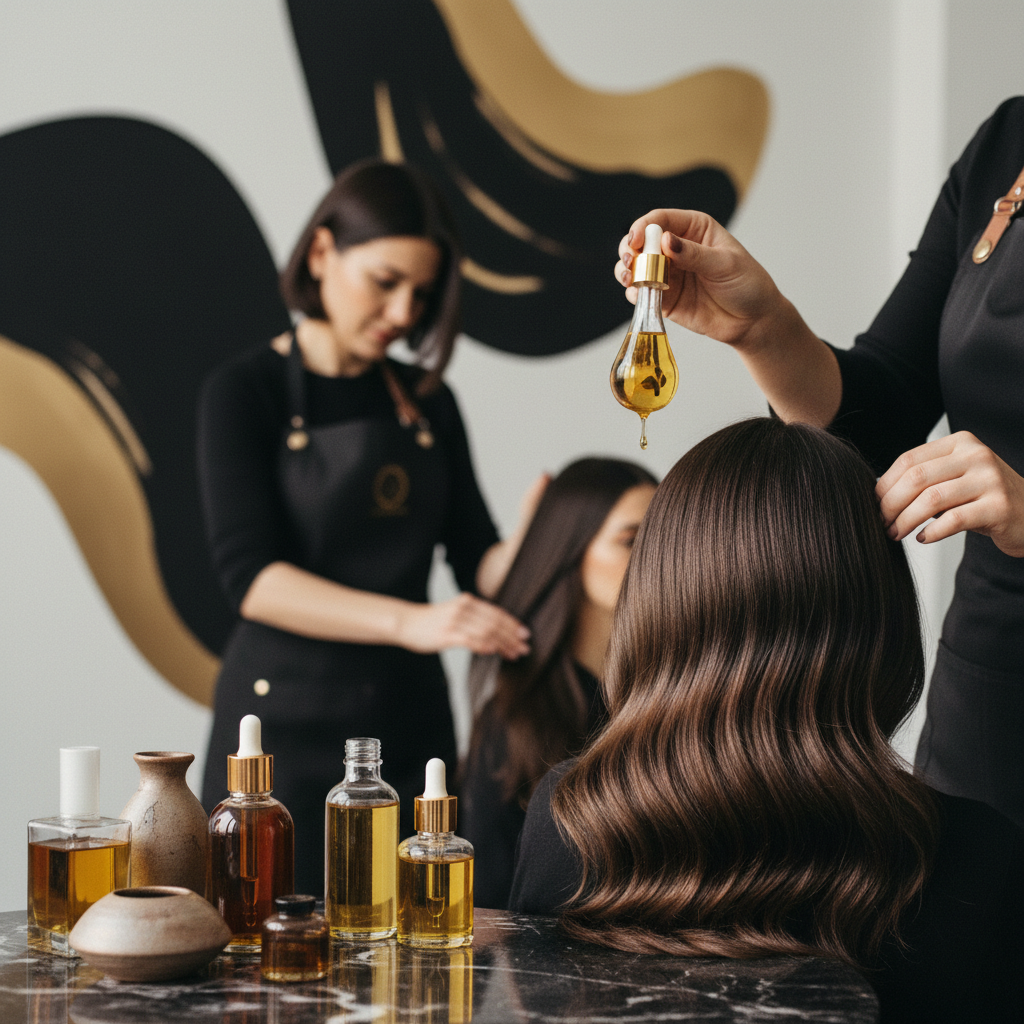
Quick answer: Hair Oils are natural lipid-rich substances, typically derived from botanical sources, that coat the hair shaft, smooth the cuticle, and help retain moisture. They can offer cosmetic benefits like increased shine and reduced friction, potentially leading to less breakage. However, the exact benefits depend heavily on the oil's molecular structure, how it's applied, and individual hair type, and they do not treat or prevent hair loss conditions like alopecia.
Key takeaways
- Hair Oils protect the hair fibre: Oils form a protective layer on the hair, smoothing the cuticle and reducing friction, which can minimise mechanical damage and breakage.
- They aid moisture retention: By creating a hydrophobic barrier, hair oils can help prevent water loss from the hair shaft, keeping it hydrated.
- Different oils have different properties: Some oils, like coconut oil, can penetrate the hair shaft, while others, like argan oil, primarily coat the surface, offering varying benefits.
- Application matters for effectiveness: The way a hair oil is applied (e.g., pre-shampoo, leave-in, scalp treatment) significantly influences its results.
- Consider hair type and porosity: Fine hair or low porosity hair may be weighed down by heavy oils, while coarser or high porosity hair can benefit from richer, sealing oils.
Hair Oils: what the evidence shows
Hair oils have been used for centuries in various cultures to enhance hair's cosmetic appearance and feel. These lipid-rich substances are extracted from botanical sources such as seeds, nuts, and fruits. Their primary action involves forming a thin film around the hair fibre, which contributes to smoother-feeling hair, increased shine, and reduced friction. This protective barrier can help to minimise damage from daily styling and environmental factors.
Research indicates that the effectiveness of hair oils is closely tied to their fatty acid composition and molecular structure. For instance, some oils, particularly those rich in lauric acid like coconut oil, have been shown in some studies to penetrate the hair shaft. This penetration may help reduce protein loss from the hair, particularly in damaged hair, by filling gaps in the cuticle. Other oils primarily coat the hair surface, offering benefits like increased lubricity and shine without significant internal penetration.
How Hair Oils work: the mechanism
Hair oils function through several mechanisms to improve the condition and appearance of hair:
- Cuticle smoothing and friction reduction: Oils create a smooth, hydrophobic (water-repelling) layer on the hair's outermost cuticle. This reduces friction between hair strands during brushing, combing, and styling. Less friction means fewer snags and tangles, which can lead to a reduction in hair breakage. A smoother cuticle also reflects light more evenly, resulting in increased shine.
- Moisture retention (sealing): By forming a barrier on the hair surface, oils help to slow down transepidermal water loss from the hair shaft. This process, known as occlusion, helps to keep the hair hydrated and prevents dryness. This is particularly beneficial for hair that is prone to frizz or dryness (see also: Dealing with Frizzy Hair, How to Stop Curly Hair from Frizzing).
- Internal conditioning (penetrating oils): Oils with smaller molecular structures, such as coconut oil, can penetrate the hair shaft. Once inside, they may help to strengthen the hair from within and reduce protein loss. This is especially relevant for damaged or chemically treated hair, which can have compromised protein structures (see also: Hair Damage: Causes, Signs, and Solutions, Chemical Hair Treatments: What They Are and How They Affect Hair).
- Improved elasticity: The lubricating and moisturising effects of hair oils can enhance the hair fibre's flexibility and elasticity, making it less prone to snapping under stress.
- Scalp conditioning: When applied to the scalp, certain hair oils can help moisturise dry skin, reduce flakiness, and provide a protective barrier. Some oils also contain compounds with anti-inflammatory properties that may soothe scalp irritation (see also: Anti-inflammatory Ingredients: Soothing Your Scalp for Healthier Hair, Understanding Scalp Health).
What Hair Oils do not do
It's important to clarify that while hair oils offer numerous cosmetic benefits, they do not treat or prevent genetic hair loss conditions like androgenetic alopecia or autoimmune conditions. They cannot stimulate new hair growth from dormant follicles or alter the biological processes that lead to permanent hair thinning. Cosmetic claims about hair oils must be understood within their scope: they improve the feel, appearance, and manageability of existing hair, and may reduce breakage, but they are not medical treatments for hair loss.
Choosing and using Hair Oils effectively
Selecting the right hair oil and applying it correctly is key to achieving desired results. Considerations include hair type, porosity, and specific concerns.
Types of Hair Oils and their properties
Hair oils can be broadly categorised by their ability to penetrate the hair shaft or primarily coat its surface.
| Oil Type | Primary Action | Key Characteristics & Benefits | Best Suited For | Potential Considerations |
|---|---|---|---|---|
| Coconut Oil | Penetrating | Rich in lauric acid; can penetrate hair shaft, reducing protein loss. Deep conditioning. | Most hair types, especially dry, damaged, or protein-deficient hair. | Can be heavy for fine hair; may cause stiffness in some protein-sensitive hair types if overused. |
| Argan Oil | Sealing | High in oleic and linoleic acids, vitamin E. Lightweight, adds shine, frizz control. | All hair types, especially frizzy, dull, or heat-styled hair. | Generally well-tolerated; ensure pure argan oil for best results. |
| Jojoba Oil | Sealing / Mimics sebum | Wax ester, closely resembles natural scalp sebum. Balances scalp oil, conditions hair. | Oily scalps, fine hair, sensitive scalps. | Less conditioning than true oils; best for balancing oil rather than deep moisture. |
| Olive Oil | Penetrating | Rich in oleic acid and antioxidants. Moisturising, adds strength, good for thick hair. | Dry, thick, coarse, or colour-treated hair. | Can be heavy and leave a greasy residue if too much is applied; stronger scent. |
| Castor Oil | Sealing | Thick, rich in ricinoleic acid. High viscosity. Promotes shine and thickness perception. | Dry, coarse hair, or for scalp massages to improve circulation. | Very thick and sticky; difficult to rinse; use sparingly, often mixed with other oils. |
| Avocado Oil | Penetrating | Rich in oleic acid, vitamins A, D, E. Deeply moisturising, UV protection. | Dry, brittle, damaged hair, thicker hair. | Can be heavy; may not be suitable for very fine or easily weighed-down hair. |
| Grapeseed Oil | Sealing | Lightweight, high in linoleic acid. Non-greasy, good for fine hair, heat protection. | Fine, oily hair, or as a light finishing oil. | Less intensive conditioning; may not provide enough moisture for very dry hair. |
Application methods for Hair Oils
The method of application can significantly impact the benefits received from hair oils.
- Pre-shampoo treatment (Oil Mask): Applying oil before shampooing protects the hair from the stripping effects of cleansing. This is particularly beneficial for dry, damaged, or chemically treated hair. Apply generously to dry or slightly damp hair, focusing on mid-lengths and ends. Leave on for 30 minutes to several hours, or even overnight, before thoroughly shampooing. This allows the oil time to penetrate the hair shaft, if capable, or to form a substantial protective barrier. Coconut oil is often favoured for this method due to its penetrating abilities.
- Leave-in conditioner/Styling aid: Lightweight hair oils can be used on damp or dry hair to add shine, control frizz, and provide a layer of protection. Apply a small amount, typically a few drops, concentrating on the ends. This helps to smooth the cuticle and impart a healthy lustre without weighing down the hair. Argan oil and grapeseed oil are popular choices for this.
- Scalp treatment: Massaging certain hair oils into the scalp can help address dryness, flakiness, or simply provide moisturisation for the scalp skin. Jojoba oil, which closely resembles natural sebum, is often recommended for balancing scalp oiliness. Apply a small amount directly to the scalp, massage gently, and leave on for at least 30 minutes before shampooing. This can also aid in stimulating blood circulation to the hair follicles, supporting overall scalp health (see also: Scalp Exfoliation: Uncovering the Evidence for a Healthier Scalp).
- Hot oil treatment: Warming a hair oil before application can enhance penetration and deep conditioning. Gently warm the oil (ensure it is not too hot to avoid burns) and apply to clean, damp hair. Covering the hair with a shower cap and applying gentle heat (e.g., with a warm towel) for 15-30 minutes can further boost the treatment's effectiveness before rinsing thoroughly.
Considerations for optimal use
- Hair type: Fine hair can easily be weighed down by heavy oils, leading to a greasy appearance. Lighter options like grapeseed or jojoba oil are generally better. Thicker, coarser hair can often benefit from richer oils such as coconut or olive oil.
- Hair porosity: High porosity hair, with its more open cuticle, benefits greatly from sealing oils to help retain moisture. Low porosity hair, having a tightly closed cuticle, might need penetrating oils applied sparingly or hot oil treatments to facilitate absorption (see also: Understanding Hair Porosity: How Your Hair Absorbs and Retains Moisture).
- Amount: Always start with a very small amount (a few drops) and increase only if necessary. Over-applying hair oils can lead to greasy, limp hair.
- Quality: Opt for cold-pressed, unrefined oils where possible. These typically retain more of their natural nutrients and beneficial compounds compared to highly processed alternatives.
- Frequency: The frequency of application varies. Very dry hair might benefit from daily use of a light oil, while others may only need weekly or bi-weekly treatments. Listen to your hair's needs.
Frequently asked questions about Hair Oils
Can Hair Oils cause hair loss?
No, properly used hair oils do not directly cause hair loss from the follicle. However, over-application or using very heavy oils on fine hair can make hair appear greasy and weigh it down, potentially contributing to mechanical breakage if the hair becomes brittle. Always ensure thorough cleansing to prevent product buildup on the scalp, which could indirectly irritate follicles if not managed.
How often should I use Hair Oils?
The ideal frequency depends on your hair type, concerns, and the specific oil. For very dry or damaged hair, a light leave-in oil might be used daily on the ends, or a richer oil as a pre-shampoo treatment once or twice a week. Oily hair types might benefit from a lighter oil applied sparingly once a week or every two weeks. Experiment to find what works best for your hair.
Are Hair Oils good for an oily scalp?
Some hair oils, particularly lighter ones like jojoba oil, can be beneficial for an oily scalp. Jojoba oil is a wax ester that closely mimics the scalp's natural sebum, and some theories suggest it can help regulate sebum production. However, heavy oils should generally be avoided on oily scalps as they can exacerbate greasiness and potentially lead to clogged pores (see also: Oily Scalp Care: Understanding and Managing Excess Sebum).
What is the difference between hair oil and hair serum?
Hair oils are typically natural, lipid-rich extracts from plants, focusing on conditioning, moisture retention, and cuticle smoothing. Hair serums, conversely, are often formulated with silicones and other synthetic ingredients to provide immediate shine, frizz control, and a protective layer. While both can provide cosmetic benefits, their primary compositions and mechanisms of action differ significantly.
Supporting your hair health with Watermans
For those seeking to maintain healthy hair and scalp, incorporating quality products into your routine is essential. Watermans offers formulations designed to complement hair care practices focused on strength and vitality. Our products are developed to support the overall condition of your hair, from root to tip.
- Watermans Elixir Hair Oil: This luxurious blend is designed to nourish the hair and scalp. It features a combination of natural oils chosen for their moisturising and conditioning properties, helping to improve hair's texture and shine. It can be used as a pre-shampoo treatment, a leave-in conditioner, or a scalp massage oil, providing versatile benefits for various hair needs.
Sources and references
- American Academy of Dermatology Association. "Hair Care: How to Wash Hair". Aad.org
- Gavazzoni Dias, M. F. R. (2015). Hair Cosmetics: An Overview. International Journal of Trichology, 7(1), 2-15. DOI: 10.4103/0974-7753.153926
- Keis, K., et al. (2005). Investigation of the penetration abilities of various oils into human hair fibres. Journal of Cosmetic Science, 56(4), 283-294.
- National Health Service (NHS). "Hair loss". Nhs.uk
- Rele, J. S., & Mohile, R. B. (2003). Effect of mineral oil, sunflower oil, and coconut oil on prevention of hair damage. Journal of Cosmetic Science, 54(2), 175-192.
- Sethi, A., et al. (2010). Moisturizers: The Slippery Road. Indian Journal of Dermatology, 55(4), 310-313. DOI: 10.4103/0019-5154.74559
Find these ingredients in Watermans products
- Argan Oil: you will find this ingredient in our Hair Growth Shampoo.
- Vitamin E: you will find this ingredient in our Hair Vitamins.