The Science of Hair Hydration
4 min read ·
Hair hydration refers to the process of attracting and retaining moisture within the hair shaft, crucial for maintaining elasticity, strength, and overall hair health.
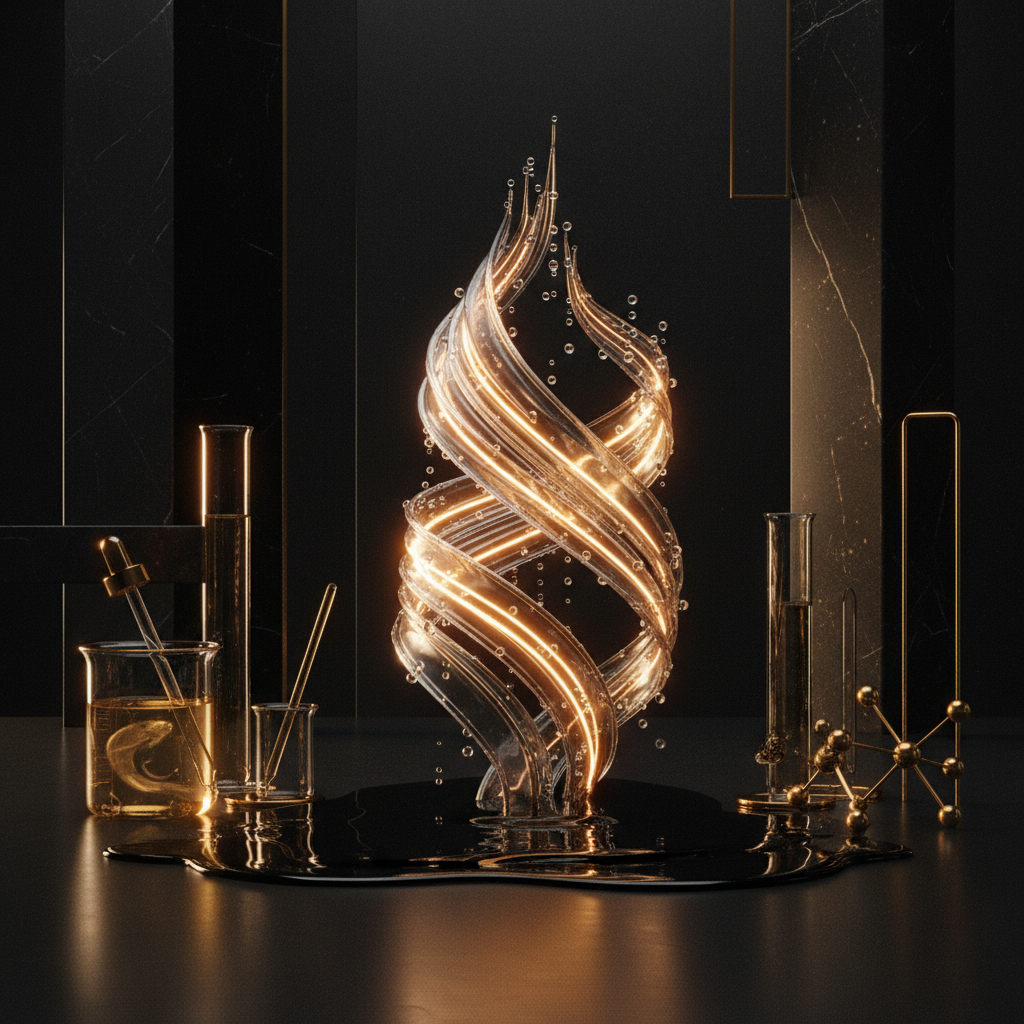
Understanding Hair Hydration
Hydrated hair is healthy hair. It’s pliant, strong, and less prone to breakage. Conversely, dehydrated hair can feel rough, appear dull, and be difficult to manage. The science of hair hydration centers on the hair's ability to absorb and retain water, a property largely determined by its structure and the products applied to it.
The Hair's Structure and Hydration
Each strand of hair is composed of three primary layers:
- The Cuticle: The outermost layer, consisting of overlapping, scale-like cells that protect the inner layers. When the cuticle lies flat, it creates a smooth surface that reflects light and helps seal in moisture.
- The Cortex: The thickest layer, located beneath the cuticle, comprising fibrous proteins (keratin) and melanin (pigment). The cortex is responsible for hair's strength, elasticity, and contains the majority of its water content.
- The Medulla: The innermost core, present in some but not all hair types. Its exact function is not fully understood, but it may play a role in the hair's structural integrity.
For hair to be hydrated, water molecules must successfully penetrate the cuticle and be absorbed into the cortex. The integrity of the cuticle is paramount in this process; a healthy, intact cuticle allows for optimal moisture absorption and retention, while a damaged or raised cuticle can lead to moisture loss.
Factors Affecting Hair Hydration
Several internal and external factors influence hair hydration:
- Porosity: This refers to the hair's ability to absorb and retain moisture. Hair with high porosity has a more open cuticle, allowing water to enter easily but also exit quickly. Low porosity hair has a tightly closed cuticle, making it harder for water to penetrate, but once inside, it retains moisture well. Medium porosity hair is generally considered the most balanced.
- Environmental Humidity: High humidity can contribute to hair drawing moisture from the air, potentially leading to frizz in some hair types particularly if the cuticle is raised. Low humidity environments, conversely, can lead to increased dehydration.
- Chemical Treatments: Processes like colouring, perming, and relaxing can alter the hair's protein structure and raise the cuticle, increasing porosity and making hair more susceptible to moisture loss.
- Heat Styling: Frequent use of high-heat styling tools, such as flat irons and curling irons, without adequate heat protection can damage the cuticle, leading to dehydration and increased breakage.
- Mechanical Damage: Aggressive brushing, tight hairstyles, and friction can also lift or chip away at the cuticle, compromising its ability to retain moisture.
- Product Choice: The types of shampoos, conditioners, and styling products used significantly impact hair hydration. Products containing humectants help attract moisture, while emollients and occlusives help seal it in.
Humectants, Emollients, and Occlusives
These are the primary categories of ingredients found in haircare products that contribute to hydration:
| Ingredient Category | Function | Examples |
|---|---|---|
| Humectants | Attract and draw moisture from the air | Glycerin, hyaluronic acid, panthenol, aloe vera |
| Emollients | Fill in gaps in the cuticle, softening hair | Fatty alcohols (e.g., cetyl alcohol), ceramides, oils |
| Occlusives | Form a barrier on the hair surface to seal moisture | Silicones, mineral oil, shea butter, lanolin |
The Role of pH in Hydration
The pH scale measures acidity or alkalinity, with 7 being neutral. Hair and scalp have a slightly acidic pH, typically ranging from 4.5 to 5.5. Products designed for hair should ideally be within this acidic range. An acidic pH helps to flatten the cuticle, thereby sealing in moisture and promoting shine. Products with a high (alkaline) pH can cause the cuticle to swell and open, leading to moisture loss and increased susceptibility to damage.
Water itself has a neutral pH of 7. While essential for hydration, prolonged exposure to high pH products or hard water (which can have a higher mineral content and therefore a higher pH) can disrupt the hair's natural pH balance.
Strategies for Optimal Hair Hydration
Maintaining adequate hair hydration involves a multi-pronged approach:
- Gentle Cleansing: Use a moisturising shampoo that cleanses without stripping the hair of its natural oils. This helps to maintain the delicate balance of the scalp and hair.
- Regular Conditioning: Conditioners are formulated to deposit emollients and humectants onto the hair, helping to smooth the cuticle and replenish moisture. Leave-in conditioners provide continuous hydration throughout the day.
- Deep Conditioning Treatments: Weekly or bi-weekly deep conditioners, also known as hair masks, provide a more concentrated dose of hydrating and nourishing ingredients, penetrating deeper into the hair shaft.
- Heat Protection: Always apply a heat protection spray before using heat styling tools. These products create a barrier that minimizes heat damage to the cuticle.
- Minimize Chemical and Mechanical Stress: Reduce the frequency of chemical treatments and handle hair gently to prevent cuticle damage.
- Seal in Moisture: After hydrating the hair, use a lightweight hair oil or serum, or a product formulated with occlusive ingredients, to help seal in the moisture and prevent evaporation.
- Water-Based Products: Prioritize products with water listed as the first ingredient, followed by humectants and emollients, to ensure sufficient moisture delivery to the hair shaft.
By understanding the intricate science behind hair hydration and adopting these practices, individuals can achieve and maintain healthy, resilient, and beautifully hydrated hair.
Find these ingredients in Watermans products
- Aloe Vera, you will find this ingredient in our Curly Hair Conditioner.