Hair and Hormonal Imbalance
5 min read ·
Hormonal fluctuations can significantly impact hair growth, texture, and density, leading to conditions like hair loss or excessive hair growth.
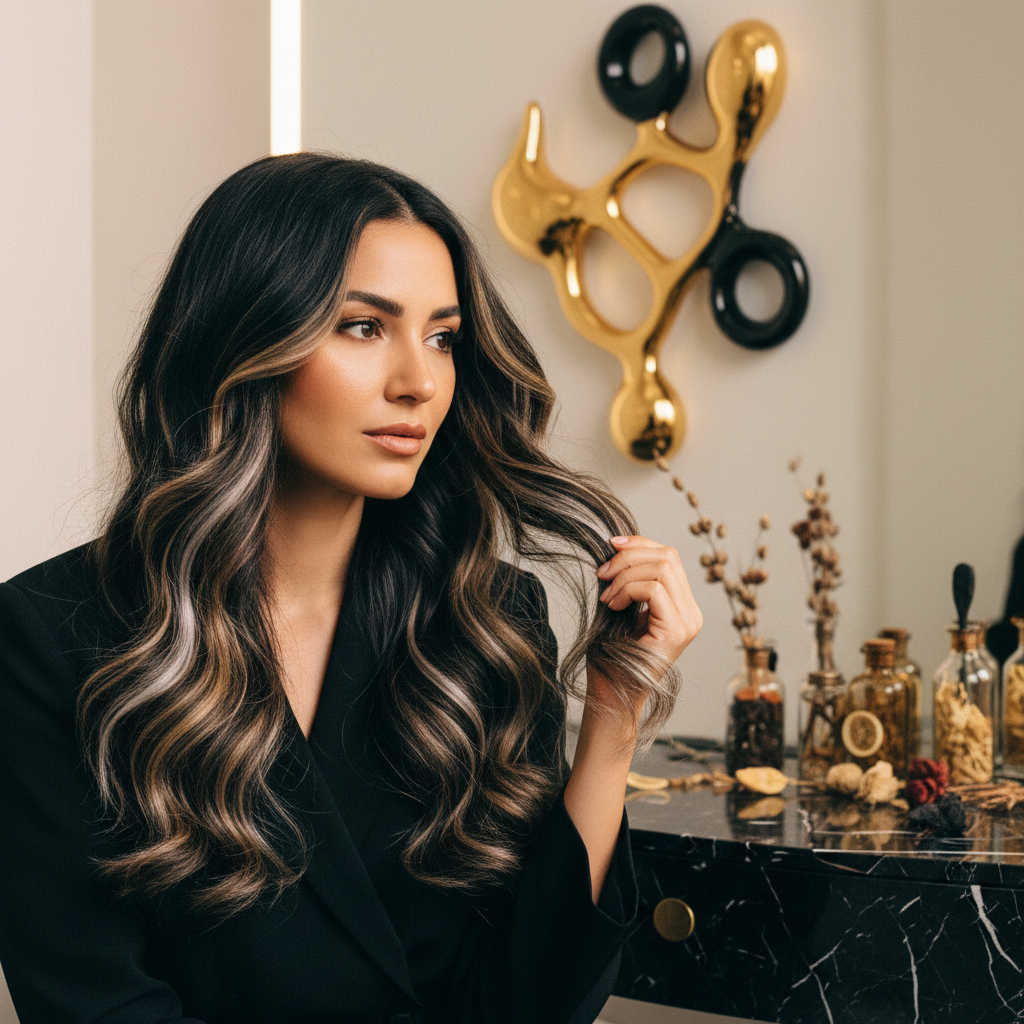
Every strand of hair on your head is profoundly influenced by the intricate balance of hormones within your body. These chemical messengers regulate numerous physiological processes, including the hair growth cycle. When hormones become imbalanced, either due to natural life stages or underlying health conditions, hair can respond dramatically, leading to changes in its appearance, texture, and even its presence.
The Hair Growth Cycle and Hormones
Hair growth occurs in a continuous cycle with three main phases:
- Anagen (Growing Phase): This is the active growth period, lasting from two to seven years. Hormones play a crucial role in determining the duration of this phase. A longer anagen phase generally leads to longer hair.
- Catagen (Transition Phase): A short transitional phase lasting about 2-3 weeks, where the hair follicle shrinks and detaches from the dermal papilla.
- Telogen (Resting Phase): This phase lasts around three months, during which the hair is inactive. At the end of telogen, the old hair sheds, and a new anagen hair begins to grow.
Various hormones interact with receptors in the hair follicles, influencing these phases. An imbalance can disrupt this delicate cycle, leading to premature shedding, stunted growth, or changes in hair quality.
Key Hormones and Their Impact on Hair
Androgens (Testosterone, Dihydrotestosterone - DHT)
Androgens are male sex hormones present in both men and women. They are primarily responsible for male characteristics but also influence hair growth. Specifically, Dihydrotestosterone (DHT), a potent androgen converted from testosterone by the enzyme 5-alpha-reductase, is a major culprit in androgenetic alopecia (pattern baldness).
- Impact: In individuals genetically predisposed to androgenetic alopecia, DHT binds to receptors in scalp hair follicles, causing them to miniaturize. This leads to shorter, finer, and weaker hair with a shorter anagen phase, eventually resulting in hair loss.
- Conversely: Androgens can stimulate growth in other areas, such as facial and body hair.
Estrogens
Estrogens are primarily female sex hormones, but they are also present in men. They are generally considered hair-friendly hormones.
- Impact: Estrogens prolong the anagen phase of the hair cycle, contributing to thicker, fuller hair. High levels of estrogen, as seen during pregnancy, often lead to a perceived increase in hair density.
- Estrogen Decline: A sudden drop in estrogen, like after childbirth or during menopause, can trigger a large number of hairs to enter the telogen phase prematurely, resulting in significant hair shedding (telogen effluvium).
Thyroid Hormones (T3, T4)
The thyroid gland produces hormones that regulate metabolism, and a healthy metabolism is vital for healthy hair growth.
- Hypothyroidism (Underactive Thyroid): Insufficient thyroid hormones can lead to dry, brittle hair that is prone to shedding. The hair may also appear sparse and grow slowly. This is because the metabolic processes necessary for robust hair growth are slowed down.
- Hyperthyroidism (Overactive Thyroid): Excess thyroid hormones can also cause hair thinning, often presenting as diffuse hair loss, and changes in hair texture.
Cortisol (The Stress Hormone)
Produced by the adrenal glands, cortisol is crucial for the body's stress response. Chronic stress leads to elevated cortisol levels.
- Impact: Persistently high cortisol can push hair follicles prematurely into the telogen (resting) phase, leading to increased shedding, known as telogen effluvium. It can also exacerbate other hormonal imbalances.
Prolactin
Primarily known for its role in lactation, elevated prolactin levels (hyperprolactinemia) can sometimes impact hair.
- Impact: High prolactin can occasionally be associated with diffuse hair shedding, though this is less common than other hormonal causes.
Hormonal Imbalances and Hair Conditions
Several life stages and medical conditions can cause hormonal shifts, leading to noticeable hair changes.
Pregnancy and Postpartum
- Pregnancy: Elevated estrogen levels during pregnancy often result in fewer hairs shedding, leading to a perception of thicker, more voluminous hair.
- Postpartum: Approximately 2-4 months after childbirth, estrogen levels plummet. This sudden drop causes a large number of hairs to enter the telogen phase simultaneously, resulting in significant hair shedding (postpartum telogen effluvium). This is usually temporary, and hair growth typically normalizes within 6-12 months.
Menopause and Perimenopause
- Impact: As women approach and enter menopause, estrogen levels decline significantly, while androgen levels (though also declining) become relatively more dominant. This hormonal shift can lead to hair thinning, particularly at the crown and temples, and can sometimes trigger or worsen androgenetic alopecia.
Polycystic Ovary Syndrome (PCOS)
PCOS is a common endocrine disorder affecting women, characterized by elevated androgen levels.
- Impact: The excess androgens in PCOS can lead to androgenetic alopecia (female pattern hair loss), characterized by thinning on the scalp. Conversely, it can also cause hirsutism, which is excessive hair growth in areas typically associated with male hair patterns (e.g., face, chest, back).
Stress and Chronic Illness
Chronic physical or emotional stress can disrupt the delicate hormonal balance, particularly by increasing cortisol levels.
- Impact: Sustained high cortisol can trigger telogen effluvium, leading to widespread hair shedding. Severe or chronic illnesses can also indirectly affect hormones and nutrient absorption, impacting hair health.
Other Endocrine Disorders
Conditions like adrenal insufficiency, pituitary disorders, or parathyroid imbalances, while less common, can also manifest with hair changes due to their impact on the broader endocrine system.
Supporting Hair Health During Hormonal Changes
While addressing the underlying hormonal imbalance with a healthcare professional is crucial, certain practices can support hair health:
- Nutrition: A balanced diet rich in vitamins (especially B vitamins, C, D, E), minerals (iron, zinc, selenium), and proteins is essential for healthy hair growth. Deficiencies can exacerbate hair issues.
- Gentle Hair Care: Avoid harsh chemical treatments, excessive heat styling, and tight hairstyles that can put stress on already fragile hair.
- Targeted Hair Products: Shampoos and conditioners formulated to support hair density and reduce shedding, such as those containing growth factors or specific plant extracts, can be beneficial. Look for products designed to stimulate the scalp and strengthen existing hair. For example, Watermans Hair offers products designed to combat hair loss and promote growth, which can be particularly helpful during periods of hormonal imbalance affecting hair density.
- Stress Management: Techniques like yoga, meditation, and adequate sleep can help manage cortisol levels and support overall hormonal balance.
Understanding the intricate connection between hormones and hair is key to addressing and managing hair changes effectively. Recognizing the signs of hormonal imbalance and seeking professional medical advice for diagnosis and treatment can significantly improve hair health outcomes.
Find these ingredients in Watermans products
- Zinc, you will find this ingredient in our Hair Vitamins.