Postpartum Hair Loss: Understanding Telogen Effluvium After Childbirth
9 min read ·
Postpartum Hair Loss, also known as telogen effluvium, is a common and temporary increase in hair shedding that many women experience after childbirth due to hormonal changes.
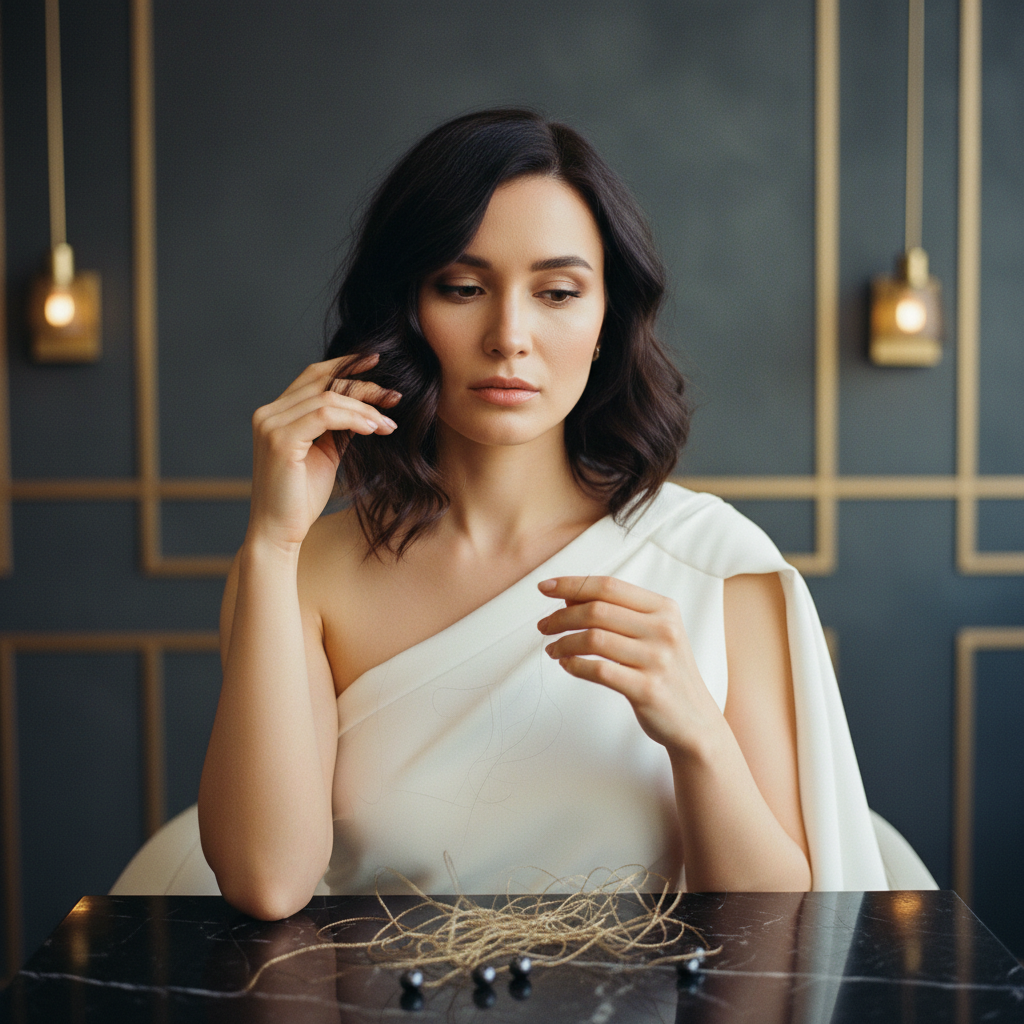
Quick answer: Postpartum Hair Loss is a temporary increase in hair shedding, medically termed telogen effluvium, that typically begins two to four months after childbirth. It's a normal physiological response to the significant hormonal shifts following pregnancy, where a larger than usual number of hairs enter the resting phase and are subsequently shed. This shedding is generally self-limiting, with hair growth usually returning to normal within 6 to 12 months. It is not true hair loss, but rather an increase in shedding of healthy hair fibres.
Key takeaways
- Postpartum Hair Loss is a common and temporary increase in hair shedding, not permanent hair loss.
- It occurs due to a sudden drop in oestrogen after childbirth, causing many hairs to enter the resting (telogen) phase simultaneously.
- Shedding typically starts two to four months postpartum, peaks around four to six months, and resolves within 6 to 12 months.
- Gentle hair care, a balanced diet, and stress management can support hair health during this period.
- If shedding is severe, accompanied by scalp irritation, or continues beyond 12 months, seek professional medical advice.
Postpartum Hair Loss: what the evidence shows
Postpartum Hair Loss, scientifically known as postpartum telogen effluvium, is a well-documented phenomenon affecting a significant number of women after pregnancy. It is characterised by a noticeable increase in hair shedding, usually occurring two to four months after delivery. This is a physiological response to the rapid hormonal changes that take place in a woman's body following childbirth.
During pregnancy, elevated oestrogen levels prolong the anagen (growth) phase of the hair cycle. This means fewer hairs enter the catagen (transition) and telogen (resting) phases, resulting in thicker, fuller-looking hair for many pregnant individuals. After birth, oestrogen levels drop sharply, returning to pre-pregnancy levels. This hormonal shift signals a large proportion of hair follicles (sometimes up to 60%) to prematurely enter the telogen phase. Approximately three months later, these resting hairs are shed, leading to the increased hair fall observed.
The good news is that this shedding is almost always temporary. Studies indicate that for the majority of women, hair density and growth typically return to normal within 6 to 12 months postpartum as the hair growth cycle re-establishes its regular pattern. It is important to distinguish this temporary shedding from true alopecia, which involves a cessation of hair growth from the follicle.
Understanding the hair growth cycle
To properly understand why increased shedding occurs, it helps to know about the hair growth cycle. Hair follicles cycle through distinct phases, not growing continuously:
- Anagen (Growth Phase): This is the active growth period, lasting typically 2 to 7 years. Around 85-90% of your hair is in this phase at any given time. During pregnancy, higher oestrogen levels extend this phase.
- Catagen (Transition Phase): A brief transitional period of about 2 to 3 weeks where hair growth stops, and the follicle shrinks.
- Telogen (Resting/Shedding Phase): This phase lasts about 3 months. The hair is at rest, and a new hair begins to form in the follicle beneath it. At the end of this phase, the old hair is shed to make way for the new anagen hair. Normally, 5-10% of hairs are in telogen. During postpartum telogen effluvium, a much higher percentage (up to 60%) enter this phase simultaneously.
What you can do during Postpartum Hair Loss
While Postpartum Hair Loss is a natural and temporary process, there are several strategies you can adopt to manage the shedding and support healthy hair growth during this period.
Gentle Hair Care Practices
Treating your hair gently can minimise breakage and help it appear fuller.
- Handle Wet Hair with Care: Hair is most vulnerable when wet. Avoid harsh rubbing with a towel; instead, gently blot hair dry. Use a wide-tooth comb or a detangling brush, working from the ends upwards to prevent tangles and breakage.
- Limit Heat Styling: Excessive heat from styling tools like blow dryers, straighteners, and curling irons can further stress fragile hair fibres. Air-dry your hair when possible, and if heat styling is necessary, always use a heat protectant.
- Avoid Tight Hairstyles: Styles that pull on the hair, such as tight ponytails, braids, or buns, can cause traction alopecia, exacerbating shedding and breakage. Opt for looser styles to reduce tension on your hair follicles and hairline.
Nutritional Support
Good nutrition is vital for overall health, including hair health. While no specific diet can stop the natural hormonal process of postpartum hair shedding, ensuring adequate nutrient intake is crucial for supporting new hair growth and maintaining the health of existing hair.
Focus on a balanced diet rich in:
- Protein: Essential for hair structure. Include lean meats, fish, eggs, dairy, legumes, and nuts.
- Iron: Deficiency can contribute to hair shedding. Good sources include red meat, fortified cereals, spinach, and lentils. Consult your doctor if you suspect an iron deficiency.
- Omega-3 Fatty Acids: Found in fatty fish (salmon, mackerel), flaxseeds, chia seeds, and walnuts, these can support scalp health.
- Vitamins and Minerals: Ensure adequate intake of B vitamins (especially biotin), zinc, and vitamins A, C, D, and E, found in a variety of fruits, vegetables, and whole grains. If you are breastfeeding, continue to prioritise nutrient-dense foods.
Always consult with your healthcare provider or a registered dietitian before starting any new supplements, especially during postpartum.
Hair Products for Support
While no product can halt the physiological process of postpartum shedding, certain haircare products can help create an optimal scalp environment, strengthen existing hair, and give the appearance of fuller hair. Look for products designed to support scalp health and reduce breakage.
| Product Type | Benefit |
|---|---|
| Sulfate-Free Shampoos | These gently cleanse the scalp and hair without stripping natural oils, which can be beneficial for fragile hair and a sensitive scalp. |
| Volumising Conditioners | Can add body and fullness to the hair shaft, making hair appear thicker. Choose lighter formulations that won't weigh down fine or thinning hair. |
| Leave-In Treatments | Provide additional moisture, detangling, and protection against environmental damage or styling stress, helping to reduce mechanical breakage. |
| Scalp Serums/Treatments | Formulated with ingredients that can promote a healthy scalp environment, which is crucial for healthy hair growth. Ingredients like rosemary extract or peppermint oil are sometimes included for their stimulating properties. |
Stress Management and Rest
The postpartum period is demanding, often involving sleep deprivation and increased stress. Chronic stress can negatively impact the hair growth cycle, potentially prolonging or worsening telogen effluvium. Prioritising rest and incorporating stress-reducing activities is beneficial for overall well-being, which in turn supports hair health.
- Seek Support: Don't hesitate to ask for help from your partner, family, or friends with childcare or household tasks.
- Practice Mindfulness: Even short periods of deep breathing, meditation, or quiet time can help manage stress.
- Gentle Exercise: Light activities like walking can improve circulation and mood.
When the cause may be something else, and when to get professional advice
While Postpartum Hair Loss is common and expected, it's important to distinguish it from other forms of hair loss. Postpartum telogen effluvium is characterised by diffuse shedding across the scalp, often more noticeable when washing or brushing your hair. It does not typically lead to bald patches or a receding hairline.
Consider consulting your General Practitioner, a trichologist, or a dermatologist if:
- Your hair shedding is excessive or continues beyond 12 months postpartum.
- You experience specific bald patches, a rapidly receding hairline, or thinning in specific areas rather than diffuse shedding.
- The shedding is accompanied by scalp redness, itching, pain, or significant flaking.
- You have other symptoms like extreme fatigue, unexplained weight changes, or changes in skin or nails, which could indicate an underlying medical condition such as thyroid issues, anaemia, or a nutritional deficiency.
These symptoms might suggest conditions like iron deficiency anaemia, thyroid disorders, alopecia areata, or androgenetic alopecia, which require specific diagnosis and treatment.
Frequently asked questions about Postpartum Hair Loss
How much hair is normal to shed during Postpartum Hair Loss?
It's normal to shed around 50 to 100 hairs daily. During postpartum telogen effluvium, this can increase significantly, sometimes up to 300 to 400 hairs per day. This can be alarming, but it reflects the higher percentage of hairs entering the resting phase simultaneously and is usually temporary.
Can breastfeeding affect postpartum shedding?
Evidence is mixed on whether breastfeeding directly prolongs or worsens postpartum shedding. Some theories suggest that continued elevated prolactin levels during breastfeeding might indirectly influence hormone balance. However, many factors affect hair shedding, and a healthy, well-nourished breastfeeding parent will typically experience the normal resolution of postpartum shedding.
What's the difference between hair loss and hair shedding?
Hair loss, or alopecia, refers to conditions where hair follicles stop producing hair, leading to thinning or bald patches. Hair shedding, like in Postpartum Hair Loss, means hairs that were actively growing have simply completed their cycle and are being replaced by new growth. The follicles remain healthy and continue to produce hair.
Can I prevent Postpartum Hair Loss?
No, you cannot prevent the physiological process of postpartum hair shedding caused by hormonal shifts. It's a natural bodily response. However, you can support overall hair health and minimise breakage through gentle care, good nutrition, and stress management, which may help hair appear fuller and healthier during this phase.
Will my hair return to its pre-pregnancy thickness?
For the vast majority of women, yes, hair density typically returns to its pre-pregnancy state. The shedding is temporary, and as your hormones rebalance and the hair growth cycle normalises, new hair will grow. This process usually completes within 6 to 12 months after childbirth.
Supporting your hair during Postpartum Hair Loss
Experiencing Postpartum Hair Loss can be disconcerting, but it's a very common and temporary part of the postpartum journey. Understanding that it's a natural physiological response to hormonal changes can help alleviate concerns. By adopting gentle hair care routines, ensuring a nutrient-rich diet, managing stress, and seeking professional advice if needed, you can support your hair's health and look forward to its natural return to fullness.
Sources and references
- American Academy of Dermatology Association. (n.d.). Hair loss: Diagnosis and treatment. Postpartum hair loss. Retrieved from https://www.aad.org/public/diseases/hair-loss/causes/postpartum-hair-loss
- Cleveland Clinic. (2022). Telogen Effluvium. Retrieved from https://my.clevelandclinic.org/health/diseases/21799-telogen-effluvium
- NHS. (2021). Hair loss. Retrieved from https://www.nhs.uk/conditions/hair-loss/
- Medical News Today. (2023). What to know about postpartum hair loss. Retrieved from https://www.medicalnewstoday.com/articles/324170
- National Institutes of Health (NIH), National Library of Medicine, PubMed. Telogen Effluvium. PMID: 32491500.
Find these ingredients in Watermans products
- Hydrolysed lupin protein: Found in Watermans Grow Me Shampoo and Conditioner, this ingredient can help support hair strength and vitality.
- Rosemary extract: An ingredient in Watermans Grow Me Shampoo, known for its potential to stimulate the scalp.
This information is for general knowledge and informational purposes only, and does not constitute medical advice. It is essential to consult with a qualified healthcare professional for any health concerns or before making any decisions related to your health or treatment.