Hormonal Hair Loss
4 min read ·
Hormonal fluctuations can significantly impact hair growth cycles, leading to various forms of hair loss in both men and women.
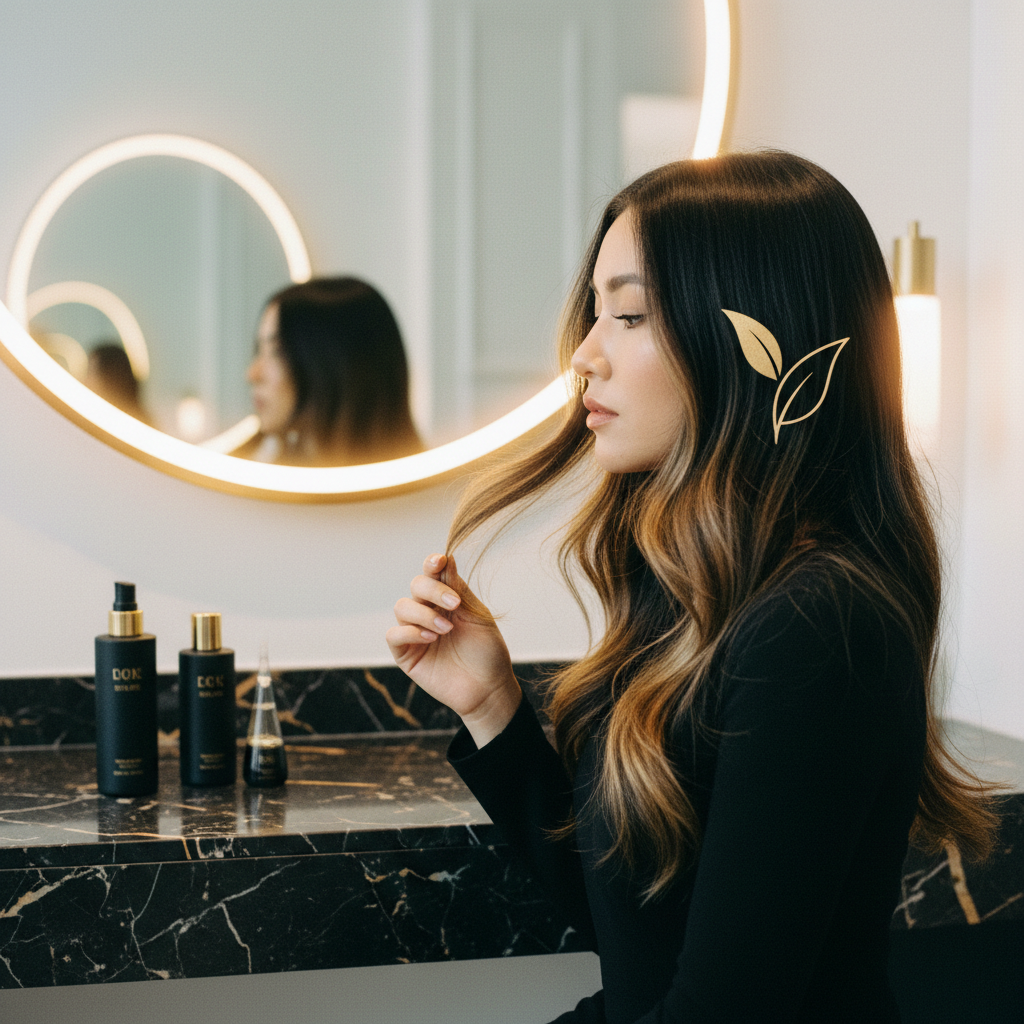
Understanding Hormonal Hair Loss
Hormonal hair loss refers to the thinning or shedding of hair caused by imbalances or changes in hormone levels within the body. Androgens, a group of hormones that includes testosterone and dihydrotestosterone (DHT), play a crucial role in regulating hair growth. While androgens are present in both sexes, their levels and the hair follicles' sensitivity to them differ.
Androgens and Hair Follicles
Hair follicles on the scalp are sensitive to androgens. In individuals genetically predisposed to hormonal hair loss, these follicles can shrink when exposed to certain androgens, particularly DHT. This process, known as follicular miniaturization, leads to the production of finer, shorter, and less pigmented hairs over time, eventually ceasing hair production altogether.
Causes of Hormonal Hair Loss
Several factors can contribute to hormonal imbalances that result in hair loss:
- Genetics: A family history of baldness is a primary risk factor, indicating a genetic predisposition to follicular sensitivity to androgens.
- Age: As individuals age, their hormone levels naturally shift, which can sometimes trigger or exacerbate hair loss.
- Medical Conditions: Conditions such as polycystic ovary syndrome (PCOS) in women, thyroid disorders (hypothyroidism or hyperthyroidism), and adrenal gland disorders can lead to hormonal imbalances affecting hair growth.
- Medications: Certain medications can alter hormone levels as a side effect, contributing to hair loss.
- Stress: Chronic stress can impact hormone production and disrupt the hair growth cycle.
Types of Hormonal Hair Loss
Hormonal hair loss manifests differently in men and women:
Androgenetic Alopecia (AGA)
Also known as male-pattern baldness and female-pattern baldness, AGA is the most common form of hormonal hair loss. It is primarily caused by an inherited sensitivity to DHT.
- In men: AGA typically presents as a receding hairline and thinning at the crown, often progressing to partial or complete baldness. The characteristic pattern involves an M-shape at the temples and a bald spot on the top of the head.
- In women: AGA often appears as a diffuse thinning over the top of the scalp, usually sparing the frontal hairline. While women rarely experience complete baldness from AGA, the hair becomes noticeably thinner, and the scalp may become more visible.
Telogen Effluvium
While not exclusively hormonal, significant hormonal shifts can trigger telogen effluvium, a temporary condition where a large number of hairs enter the resting (telogen) phase prematurely and shed. This can occur due to:
- Childbirth: The sudden drop in estrogen levels after delivery can cause postpartum hair loss.
- Thyroid imbalances: Both an overactive (hyperthyroidism) and underactive (hypothyroidism) thyroid can disrupt the hair growth cycle.
- Significant stress or illness: Emotional or physical stress can alter hormone levels and lead to widespread shedding.
The Hair Growth Cycle
Understanding the hair growth cycle is essential to grasp how hormones interfere with hair health. Hair growth occurs in three main phases:
- Anagen (Growth Phase): This active phase lasts for 2 to 7 years, during which hair cells rapidly divide, and the hair shaft grows. Approximately 85 to 90% of your hair is in this phase at any given time.
- Catagen (Transition Phase): Lasting about 2 to 3 weeks, this short phase marks the end of active growth. The hair follicle shrinks, and the hair detaches from the blood supply.
- Telogen (Resting Phase): This phase lasts for approximately 2 to 4 months. The hair rests in its follicle, and new hair begins to grow beneath it. At the end of this phase, the old hair sheds.
Hormonal imbalances can shorten the anagen phase and prolong the telogen phase, leading to more hairs entering the shedding phase and fewer new hairs growing to replace them.
Managing Hormonal Hair Loss
Addressing hormonal hair loss often involves a multi-faceted approach. While some causes are temporary and resolve on their own, others may require ongoing management.
Lifestyle Adjustments
- Balanced Diet: Nutritional deficiencies can exacerbate hair loss. Ensure a diet rich in vitamins, minerals, and proteins essential for hair health.
- Stress Management: Techniques like meditation, yoga, or regular exercise can help reduce stress-induced hormonal fluctuations.
- Gentle Hair Care: Avoid harsh chemical treatments, excessive heat styling, and tight hairstyles that can put stress on hair follicles.
Topical and Systemic Treatments
Supportive topical products, such as a hair growth shampoo, can help create an optimal scalp environment for healthy hair growth. These products often contain ingredients that can stimulate circulation, strengthen hair, and provide essential nutrients to the scalp.
Consistency is key when using supportive haircare, as hair growth is a gradual process that reflects the natural hair cycle. It is also important to address any underlying medical conditions causing the hormonal imbalance, often in consultation with a medical professional.
Note: Specific treatments for hormonal hair loss, especially those involving medication, should be discussed with a healthcare provider.