Hair Follicle Inflammation: Causes, Mechanisms, and Scalp Care
8 min read ·
Hair follicle inflammation causes scalp tenderness, redness, and pustules. Understand the biological causes, scarring risks, and effective management strategies.
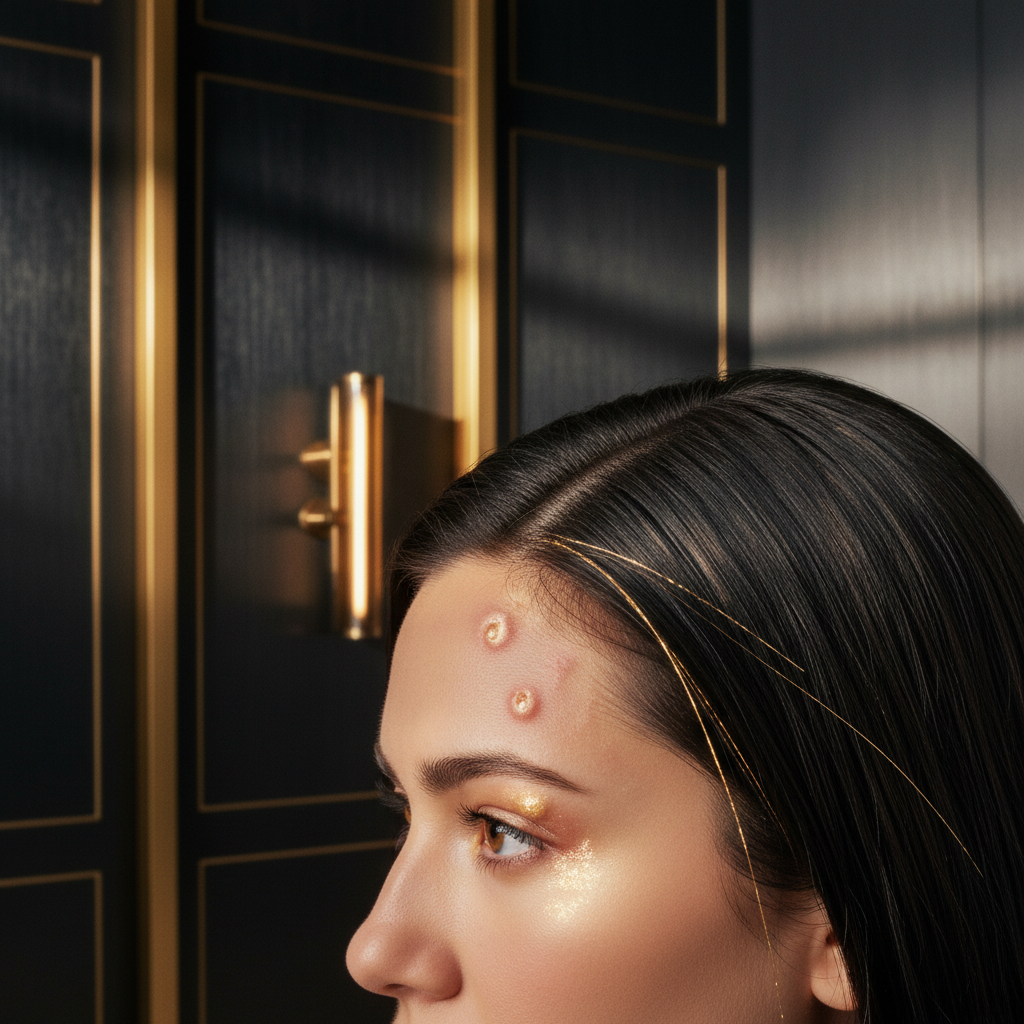
Quick answer: Hair follicle inflammation refers to irritation, swelling, and immune activation within or directly surrounding the hair follicle structure, clinically termed folliculitis or perifolliculitis. It is triggered by microbial overgrowth (such as Staphylococcus aureus or Malassezia yeasts), physical traction, chemical irritation, or autoimmune responses. While mild cases resolve with basic scalp hygiene and antimicrobial washes, unmanaged chronic inflammation can damage the follicular stem cell niche, potentially leading to irreversible scarring alopecia and permanent hair loss.
Key takeaways
- Hair follicle inflammation encompasses superficial conditions like bacterial folliculitis as well as destructive, scarring disorders known as cicatricial alopecias.
- Typical signs include pinpoint redness, pustules, scalp tenderness, burning sensations, and localised itching around individual hair shafts.
- Microbial imbalance, excessive sebum production, mechanical tension, and occlusive styling products serve as frequent everyday triggers.
- Cosmetic shampoos cannot treat deep-seated bacterial infections or autoimmune scarring; these require formal medical diagnosis and targeted prescriptions.
- Protecting the follicular stem cells located in the follicle bulge is crucial to prevent permanent fibrotic tissue replacement and lifelong follicle loss.
Hair Follicle Inflammation: what the evidence shows
Clinically known as folliculitis or perifollicular inflammation, hair follicle inflammation occurs when the body mounts an immune response to cellular injury, chemical irritants, or pathogens within the follicular pore. Peer-reviewed dermatological research published in journals such as the British Journal of Dermatology identifies that inflammation can affect any zone of the pilosebaceous unit, ranging from the superficial infundibulum (the uppermost opening) down to the deep follicular bulb and dermal papilla.

When immune cells infiltrate the tissue surrounding the hair follicle, they release pro-inflammatory cytokines such as interleukin-1 (IL-1), tumour necrosis factor-alpha (TNF-alpha), and interferon-gamma. These biochemical signals cause local blood vessels to dilate, producing characteristic redness, swelling, and tenderness.
Dermatologists categorise hair follicle inflammation into two primary forms:
- Non-scarring (superficial or deep): Common bacterial or fungal folliculitis where inflammation resolves without obliterating the follicular stem cell reserve. The hair cycle temporarily halts, occasionally causing reactive shedding (telogen effluvium), but regrows once the inflammatory trigger clears.
- Scarring (cicatricial alopecia): Conditions such as frontal fibrosing alopecia, lichen planopilaris, or folliculitis decalvans. In these conditions, chronic cellular inflammation targets the hair follicle bulge, where epithelial stem cells reside. Once these stem cells are destroyed, the follicle is replaced by fibrous scar tissue, rendering future hair production impossible.
| Feature | Superficial Folliculitis | Deep / Chronic Folliculitis | Cicatricial (Scarring) Alopecia |
|---|---|---|---|
| Primary Location | Upper follicle (infundibulum) | Entire follicular canal | Follicle bulge and stem cell niche |
| Common Causes | Staphylococcus aureus, yeast, friction | Recurrent bacteria, ingrown hairs | Autoimmune attack, severe neutrophilic inflammation |
| Visible Symptoms | Small yellow/red pustules, mild itch | Painful nodules, boils, crusting | Scalp erythema, smooth bald patches, loss of follicular ostia |
| Hair Loss Risk | Temporary shedding if inflamed | Localised breakage or temporary patchy loss | Permanent, irreversible hair loss |
| Standard Treatment | Antiseptic washes, topical antibiotics | Oral antibiotics, medical washes | Oral immunomodulators, corticosteroid injections |
The underlying mechanisms of follicular swelling
The root of follicular swelling lies in the disruption of the follicular barrier. The scalp houses millions of micro-organisms, collectively known as the scalp microbiome. Healthy scalp skin operates at a naturally acidic pH between 4.5 and 5.5, which keeps opportunistic organisms like Staphylococcus epidermidis and Malassezia globosa in balance.
When this barrier is breached through physical micro-trauma, harsh chemicals, or excessive sebum buildup, opportunistic pathogens multiply rapidly within the nutrient-rich infundibulum. Lipases produced by yeasts break down sebum triglycerides into irritating free fatty acids, prompting the innate immune system to dispatch neutrophils and macrophages.
If this immune cascade remains limited to the upper opening, the follicle sheds the infected debris as a small surface pustule. However, if the inflammation penetrates deeper into the isthmus and suprabulbar regions, it can physically detach the outer root sheath, prematurely driving anagen (growing) hairs into catagen (regression) and telogen (resting) phases.
What the evidence does not show
It is vital to distinguish between scientifically validated pathology and common consumer myths surrounding scalp irritation.

First, scientific evidence does not show that standard daily hair shedding is caused by everyday mild inflammation. While sudden, high-grade systemic or diffuse scalp inflammation can precipitate a telogen effluvium shed roughly two to three months later, regular biological shedding (50 to 100 hairs daily) is a natural physiological process, not a sign of damaged follicles.
Second, the evidence does not show that natural oils or cosmetic botanicals can cure deep-seated or infectious hair follicle inflammation. Applying heavy oils (such as coconut or olive oil) to an inflamed scalp can actively feed lipophilic organisms like Malassezia, exacerbating swelling rather than soothing it. Cosmetics can support a clean scalp environment, but they do not eliminate entrenched microbial infections.
Signs and symptoms to monitor
Hair follicle inflammation manifests differently depending on whether it stems from physical, microbial, or immunological sources. Key indicators include:
- Perifollicular erythema: Small, red, circular rings framing individual hair shafts at the scalp surface.
- Follicular pustules: Tiny, yellow-tipped bumps pierced by a central hair shaft, often tender to the touch.
- Perifollicular hyperkeratosis: Scaling, flaking, or collar-like casts wrapping tightly around the base of the hair fibre.
- Sensory discomfort: Localised prickling, burning, persistent itching, or a feeling of "bruised roots" when moving the hair.
- Loss of follicular openings: A shiny, smooth scalp surface where pores are no longer visible, indicating possible follicular scarring.
Practical steps for managing scalp health
Managing mild, non-scarring inflammation begins with restoring the scalp skin barrier and removing mechanical and microbial triggers:
- Cleanse regularly: Wash the scalp at least three to four times weekly, or daily if you exercise heavily or have naturally oily skin. Allowing sebum and environmental pollutants to pool around the pore promotes microbial proliferation.
- Adopt a balanced scalp wash: Use gentle, clarifying formulations with a balanced pH (between 5.0 and 5.5) that clear debris without stripping natural moisture.
- Minimise mechanical friction: Avoid aggressive scalp scratching, tight headwear, and high-tension hairstyles (such as tight braids, ponytails, or hair extensions) that induce traction folliculitis.
- Rinse thoroughly: Residual styling conditioners, dry shampoos, and heavy pomades can occlude the follicular infundibulum, trapping sweat and dead skin cells.
The Watermans perspective on scalp vitality
At Watermans, healthy hair growth begins with a clean, well-balanced scalp environment. The Watermans Grow Me range is developed to support overall scalp vitality using targeted cosmetic ingredients. Formulas featuring biotin, rosemary extract, niacinamide, and allantoin help maintain clean pores and moisturise dry, tight-feeling scalps. While Watermans cosmetic shampoos and conditioners do not diagnose, treat, or cure clinical infections or autoimmune scarring alopecias, maintaining a consistent, nutrient-focused hygiene routine helps keep hair looking fuller, thicker, and more resilient.
When the cause may be something else
Not every tender or red scalp condition represents basic folliculitis. Several dermatological issues produce overlapping symptoms:
- Seborrhoeic dermatitis: Characterised by diffuse greasy, yellowish flakes and red patches across broader scalp zones rather than bumps confined to individual follicles.
- Scalp psoriasis: Involves sharply demarcated, thick, silvery plaques driven by rapid epidermal turnover rather than primary infection of the follicular canal.
- Trichodynia: A neurological condition marked by severe burning or pain in the scalp without visible redness, swelling, or pustules, often linked to stress or telogen effluvium.
When to seek professional medical advice
Because deep hair follicle inflammation can transition into irreversible scarring, early clinical intervention is vital. You should schedule an appointment with a GP or consultant dermatologist if:
- Pustules, crusts, or red bumps fail to improve after two weeks of basic hygiene adjustments.
- Scalp irritation is accompanied by rapidly widening bald patches.
- You experience intense burning, throbbing pain, or swollen lymph nodes in the neck.
- The scalp appears smooth and shiny with missing hair pores.
- You notice hairs emerging in tufts (multiple hairs coming out of a single dilated pore like a doll's head), which can signal folliculitis decalvans.
Frequently asked questions about Hair Follicle Inflammation
Can hair follicle inflammation cause permanent baldness?
Yes, hair follicle inflammation can lead to permanent baldness if the inflammation targets and destroys the stem cell niche in the follicle bulge. When these regenerative cells are wiped out, the follicle forms fibrous scar tissue, preventing new growth. However, common superficial folliculitis usually causes only temporary disruption, and hair regrows normally once the irritation resolves.
How do dermatologists treat hair follicle inflammation?
Dermatologists treat the condition based on its underlying cause. Bacterial folliculitis is managed with topical or oral antibiotics, while fungal forms require targeted antifungal washes or oral medications. For autoimmune scarring alopecias, specialists use topical corticosteroids, intralesional steroid injections, or systemic anti-inflammatory agents to halt follicle damage.
Can tight hairstyles trigger hair follicle inflammation?
Yes. High-tension hairstyles like tight weaves, braids, cornrows, and slicked buns exert persistent physical pulling on the hair shaft. This mechanical stress irritates the follicle entrance, producing mechanical traction folliculitis. Over time, chronic tension combined with inflammation can progress to traction alopecia, which may become permanent if unaddressed.
Does washing your hair too often cause follicles to inflame?
Washing hair frequently does not directly cause follicular inflammation, provided you use a mild, pH-balanced cleanser. In fact, infrequent washing is a much more common contributor, as it allows excess sebum, dead skin cells, and microbial populations to accumulate. Over-washing with harsh, high-alkaline detergents, however, can disrupt the skin barrier, creating dry irritation that mimics inflammatory symptoms.
Keeping your scalp healthy and protected
Maintaining calm, healthy follicles requires paying close attention to scalp hygiene, physical habits, and early warning signs. Hair follicle inflammation serves as an early indicator that the delicate ecosystem of your scalp is under stress. By addressing product buildup, avoiding unnecessary physical tension, and obtaining a professional dermatological evaluation whenever symptoms persist, you can safeguard your follicles against long-term damage and support natural, healthy hair growth.
Sources and references
- British Association of Dermatologists. (2020). Folliculitis Clinical Information Sheet.
- NHS. (2022). Folliculitis Overview and Management.
- Harries, C. A., & Paus, R. (2010). The pathogenesis of primary cicatricial alopecias. The American Journal of Pathology, 177(5), 2144-2158.
- Lousada, M. B., et al. (2021). The human scalp microbiome in health and disease. Journal of Dermatological Science, 102(2), 70-77.
- American Academy of Dermatology. (2023). Folliculitis: Signs, Symptoms, and Treatment.
Find these ingredients in Watermans products
- Biotin: you will find this ingredient in our Hair Growth Shampoo.
- Niacinamide: you will find this ingredient in our Hair Mask.