Scalp Folliculitis Guide: Causes, Identification, and Care
8 min read ·
A clear, evidence-based Scalp Folliculitis Guide covering biological causes, pustule triggers, differential diagnosis, and effective steps to restore scalp health.
Quick answer: Scalp folliculitis is an inflammatory condition affecting the hair follicles, typically triggered by bacterial or fungal overgrowth, physical occlusion, or mechanical irritation. This Scalp Folliculitis Guide details how inflamed follicles present as small, itchy, or tender pustules along the hairline and crown. While superficial cases often resolve with targeted hygiene adjustments, antiseptic washes, and antimicrobial therapies, the main limitation is that chronic or deep folliculitis requires medical diagnosis to prevent permanent follicular scarring and irreversible hair loss.
Key takeaways
- Scalp folliculitis involves inflammation of one or more hair follicles, often caused by Staphylococcus aureus or Malassezia yeasts.
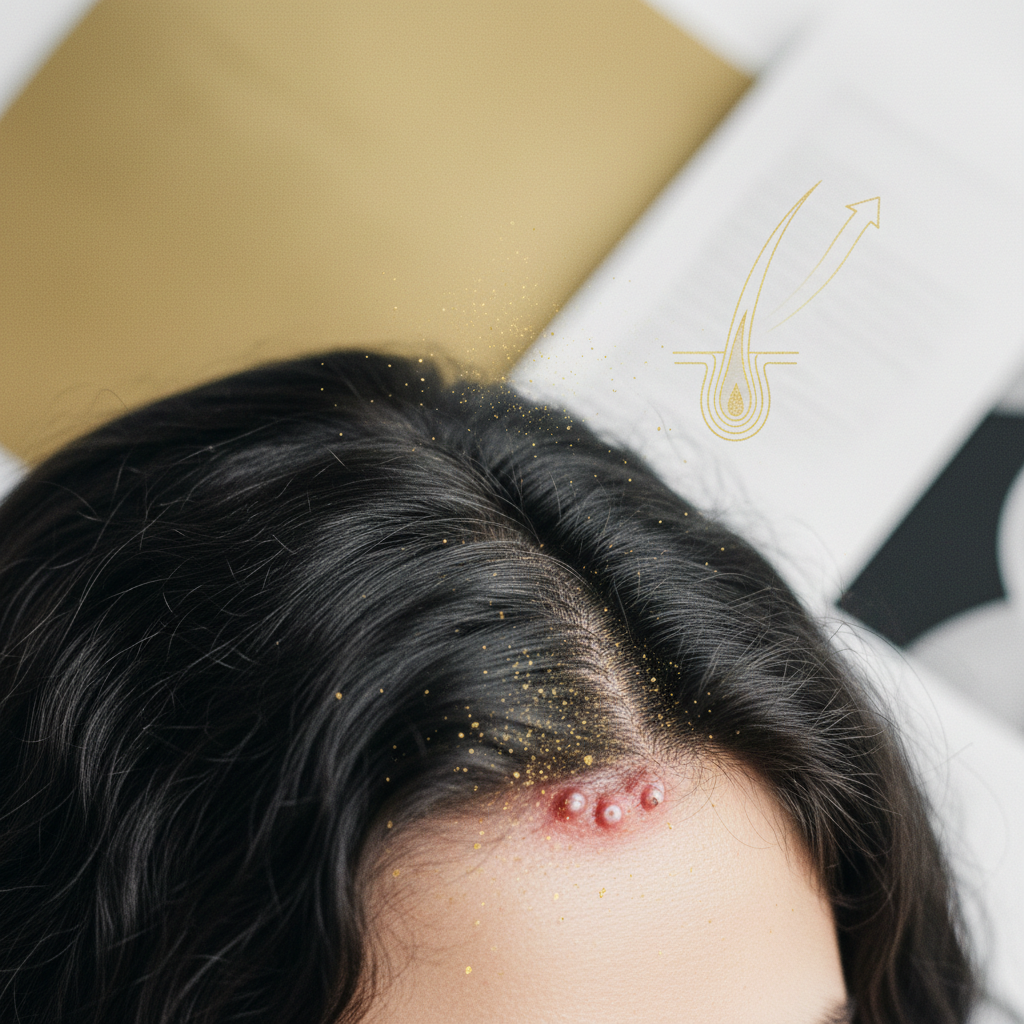
- Symptoms range from painless, tiny red bumps along the hairline to tender, crusting pustules that itch or sting.
- Superficial folliculitis usually spares the follicle stem cells, meaning normal hair growth resumes once inflammation subsides.
- Deep or scarring variants, such as folliculitis decalvans or dissecting cellulitis, destroy the follicular unit and cause permanent alopecia.
- Heavy pomades, infrequent cleansing, occlusive headwear, and micro-trauma from scratching are common preventable triggers.
Scalp Folliculitis Guide: what the evidence shows
Scalp folliculitis is a recognised dermatological disorder where the follicular infundibulum (the upper portion of the hair follicle) becomes inflamed. Clinical research categorises folliculitis broadly by its causative agent: bacterial, fungal, viral, or non-infectious.
According to guidelines from the British Association of Dermatologists and peer-reviewed literature in the Journal of the American Academy of Dermatology, superficial bacterial folliculitis is most commonly driven by Staphylococcus aureus. Fungal folliculitis (often referred to as Pityrosporum or Malassezia folliculitis) occurs when lipophilic yeasts, naturally resident on human skin, multiply excessively inside the sebum-rich follicular canal.
The clinical consensus shows that folliculitis exists on a spectrum:
- Superficial Folliculitis (Bockhart's Impetigo): Confined to the follicle opening, presenting as tiny pustules with minimal risk of permanent damage.
- Deep Folliculitis: Extends deeper into the dermis, producing painful nodules, furuncles, or carbuncles.
- Primary Cicatricial (Scarring) Alopecias: Rare, aggressive neutrophilic or lymphocytic conditions, such as folliculitis decalvans, where chronic suppuration destroys the follicle stem cell niche in the bulge region.
┌────────────────────────────────────────────────────────┐
│ HAIR FOLLICLE ANATOMY │
├────────────────────────────────────────────────────────┤
│ [Skin Surface] ▲ │
│ Infundibulum: │ Superficial Folliculitis (Mild) │
│ Sebaceous Gland: │ Bacterial / Yeast Overgrowth │
├──────────────────────┼─────────────────────────────────┤
│ Bulge Region: │ Stem Cells (Permanent damage │
│ Deep Follicle: │ if destroyed in deep scarring │
│ Bulb / Papilla: ▼ variants like Decalvans) │
└────────────────────────────────────────────────────────┘
The evidence confirms that regular cleansing with appropriate surfactants and maintaining an acidic scalp pH (ideally between 4.5 and 5.5) creates an unfavourable environment for pathogenic bacterial proliferation.
What the evidence does not show
Dermatological literature refutes several persistent myths regarding scalp bumps:
- It is not purely poor personal hygiene: While infrequent washing allows sebum and dead corneocytes to accumulate, excessive scrubbing or aggressive mechanical exfoliation actually impairs the skin barrier, creating micro-fissures that invite bacterial colonisation.
- Shampoo alone does not treat deep infections: Cosmetic and over-the-counter anti-dandruff formulas can manage superficial yeast levels and soothe irritation, but they cannot cure deep bacterial infections or scarring conditions, which require systemic oral antibiotics or immunomodulators.
- It is not always infectious: Some forms of folliculitis, such as eosinophilic folliculitis or chemical irritation from harsh processing products, are sterile inflammatory reactions rather than active microbial invasions.
- Breakage is not shedding or hair loss: Patients frequently confuse hair fibre snapping caused by dry, irritated shafts with follicular loss. Superficial folliculitis does not trigger hair loss unless mechanical scratching causes acute telogen shedding or the condition progresses into a deep, scarring variant.
Biological mechanism of follicular inflammation
The hair follicle is uniquely structured with a high concentration of lipid-rich sebum produced by attached sebaceous glands. This creates a distinct micro-ecosystem. When sebum flow is obstructed by thick cosmetic oils, keratin plugs, or tight headgear, anaerobic or microaerophilic microbes thrive.
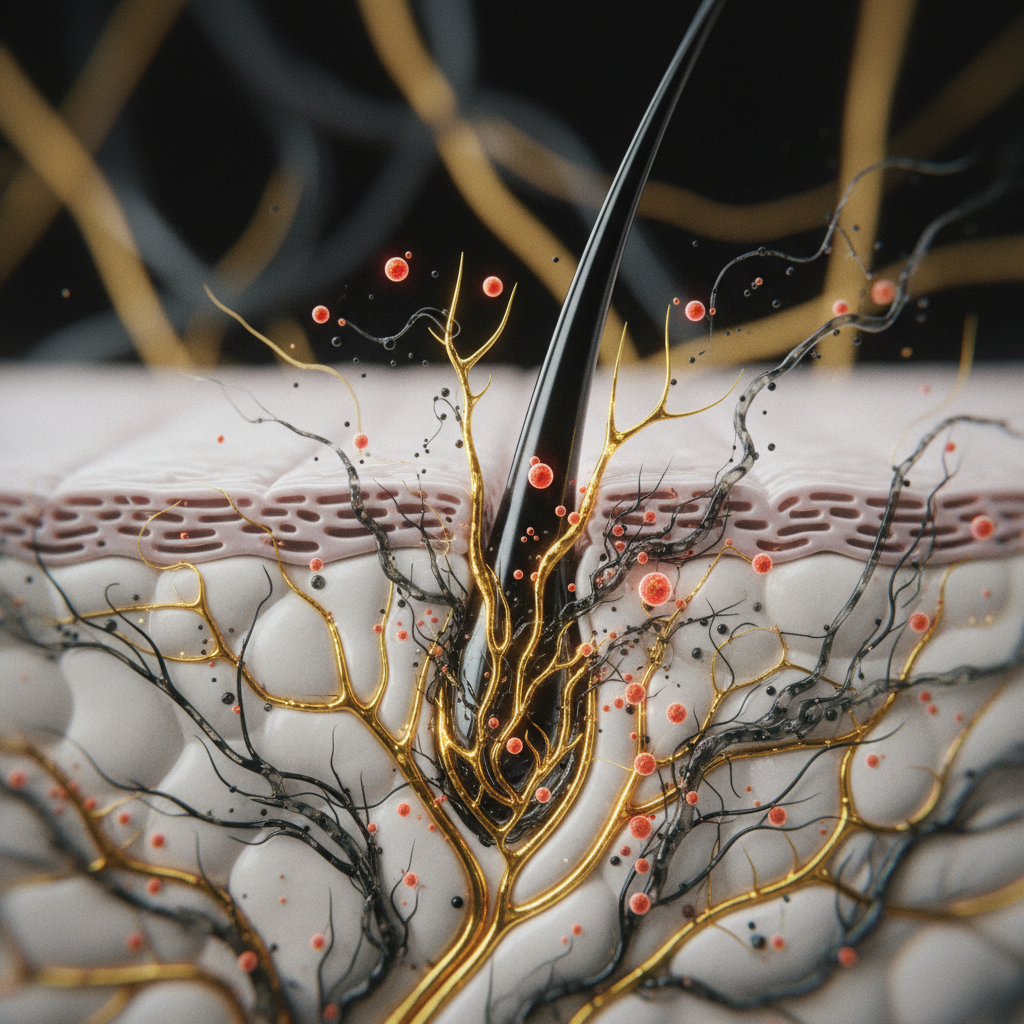
In bacterial folliculitis, Staphylococcus aureus binds to receptors on the follicular epithelium, releasing toxins and enzymes (such as hyaluronidase and lipases) that degrade surrounding cellular matrices. This breach prompts the immune system to deploy neutrophils to the site. The accumulation of dead neutrophils, bacteria, and cellular debris within the confined follicular space forms the visible white or yellowish pustule.
In Malassezia folliculitis, the yeast hydrolyses sebum triglycerides into free fatty acids. These unsaturated fatty acids cause direct epithelial barrier disruption and elicit a cell-mediated immune response, driving erythema (redness) and intense pruritus (itching). If inflammation remains confined above the sebaceous gland insertion, follicular stem cells remain protected, permitting normal hair regeneration.
Clinical signs and differential diagnosis
Identifying the exact nature of scalp bumps ensures correct management. The table below outlines how common scalp conditions compare.
| Condition | Primary Cause | Typical Appearance | Defining Symptoms | Risk of Permanent Hair Loss |
|---|---|---|---|---|
| Superficial Folliculitis | S. Aureus or physical irritation | Small red papules or pustules centred on hair fibres | Mild tenderness, itching, burning sensation | Very low; reversible once cleared |
| Pityrosporum Folliculitis | Malassezia yeast overgrowth | Uniform, tiny itchy papules along hairline/neck | Marked itching, worse with heat and sweating | Low; reversible |
| Seborrhoeic Dermatitis | Malassezia interaction with sebum | Greasy yellow or white scales, diffuse erythema | Flaking, diffuse itch across crown and eyebrows | Low; temporary telogen shedding if severe |
| Folliculitis Decalvans | Chronic neutrophil-driven inflammation | Clustered pustules, crusts, "tufted" hairs (polytrichia) | Pain, bleeding on crust removal, burning | High; causes permanent cicatricial alopecia |
| Dissecting Cellulitis | Follicular occlusion tetrad component | Interconnecting painful nodules, boggy fluctuant plaques | Severe pain, purulent discharge, sinus tracts | High; causes extensive permanent scarring |
Actionable steps for scalp health
Supporting a calm, healthy scalp environment relies on balancing hygiene, barrier maintenance, and gentle product selection:
- Review cleansing frequency: Wash your hair regularly, especially after vigorous exercise. Leaving sweat and sebum on the scalp provides an ideal substrate for microbial growth.
- Eliminate heavy occlusive agents: Avoid applying heavy mineral oils, petroleum-based pomades, or thick butters directly to the scalp skin. These ingredients plug the follicular ostium.
- Switch to antimicrobial cleansers: If yeast is suspected, cleansers containing zinc pyrithione, piroctone olamine, or ketoconazole help regulate microbial populations. For bacterial tendencies, chlorhexidine or diluted tea tree formulations can reduce surface bioburden.
- Minimise mechanical friction: Avoid tight-fitting caps, helmets, or headbands that trap heat and rub against the follicles (folliculitis mechanica). Do not scratch or pick at crusted papules, as this spreads bacteria to adjacent pores.
- Sterilise grooming tools: Wash combs, brushes, and hair clippers in warm soapy water and disinfect them periodically. Never share personal grooming equipment.
When to seek medical advice
You should arrange an appointment with a GP or dermatologist if:
- Pustules become intensely painful, enlarged, or form interconnecting nodules beneath the skin.
- Multiple hairs begin emerging from a single dilated pore (tufting).
- Over-the-counter antimicrobial shampoos fail to produce noticeable improvement within 14 days.
- You notice patches of smooth, shiny, bald skin where hair follicles have disappeared, indicating potential scarring alopecia.
- You develop systemic symptoms, such as swollen lymph nodes or fever.
Prescription interventions may include topical clindamycin, oral tetracyclines (such as doxycycline or lymecycline), oral antifungals, or short courses of anti-inflammatory agents to protect the stem cell niche from destruction.
Scalp care with Watermans
Maintaining an optimal scalp environment is essential when navigating common scalp challenges. While serious medical conditions require prescription interventions from a doctor, regular cosmetic care can support scalp hygiene and fibre resilience. Watermans products are formulated to foster a balanced, refreshed scalp atmosphere without relying on heavy, occlusive waxes that clog follicular openings. Incorporating non-greasy, revitalising formulas helps cleanse away daily sebum buildup and keep the scalp feeling clear, comfortable, and invigorated.
Frequently asked questions about Scalp Folliculitis Guide
Can scalp folliculitis cause permanent hair loss?
In most superficial cases, no. Superficial folliculitis affects only the upper part of the follicle, meaning the hair shaft may shed temporarily, but regrowth occurs once the inflammation clears. However, chronic deep conditions such as folliculitis decalvans destroy the deeper stem cells, leading to irreversible scarring alopecia.
How does this Scalp Folliculitis Guide differentiate between acne and folliculitis?
While both conditions involve plugged pores and inflammatory pustules, scalp folliculitis is strictly centred on hair follicles and often presents with itchiness rather than deep pain. Acne typically involves comedones (blackheads and whiteheads) caused by Cutibacterium acnes, whereas scalp folliculitis is predominantly linked to Staphylococcus aureus or Malassezia yeasts.
How often should I wash my hair if I have folliculitis?
Most dermatologists recommend washing your hair daily or every other day while managing active folliculitis. Regular cleansing removes sweat, excess sebum, and shed skin cells that feed microbes. Use lukewarm water rather than hot water to prevent further barrier irritation.
Are natural oils beneficial for scalp folliculitis?
Generally, no. Applying heavy plant oils such as coconut or olive oil directly to the scalp can worsen the condition by creating an occlusive film that traps bacteria. Furthermore, Malassezia yeasts feed on the fatty acids found in many natural oils, exacerbating fungal folliculitis.
Can sweat from the gym trigger a flare-up?
Yes. Perspiration combined with friction from headwear creates an ideal warm, moist environment for microbial proliferation, a presentation termed folliculitis mechanica. Rinsing your scalp promptly after workouts significantly reduces the risk of breakout.
Summary
Understanding the triggers, biological pathways, and clinical presentations outlined in this Scalp Folliculitis Guide enables you to protect your scalp barrier and prevent complications. Early intervention with suitable hygiene routines, non-occlusive formulations, and timely medical assessment ensures inflammation is resolved before follicular structures suffer lasting damage. Keep your scalp clean, avoid mechanical irritation, and consult a medical professional whenever symptoms persist or cause discomfort.
Sources and references
- British Association of Dermatologists. Clinical Guidelines for the Management of Folliculitis Decalvans.
- National Institute for Health and Care Excellence (NICE). Boils, carbuncles, and staphylococcal folliculitis: antimicrobial prescribing. Clinical Knowledge Summaries.
- Journal of the American Academy of Dermatology. Diagnosis and management of folliculitis: bacterial, fungal, and non-infectious variants.
- NHS. Folliculitis Overview and Symptoms.
Find these ingredients in Watermans products
- Zinc: you will find this ingredient in our Hair Vitamins.