Conditioning Techniques: A Guide to Effective Hair Care
9 min read ·
**Quick answer:** Effective Conditioning Techniques involve selecting the right conditioner for your hair type, applying it strategically to mid-lengths and ends, and allowing sufficient processing time to smooth the cuticle, reduce friction, and enhance manageability, though results can vary based on product formulation and hair condition.
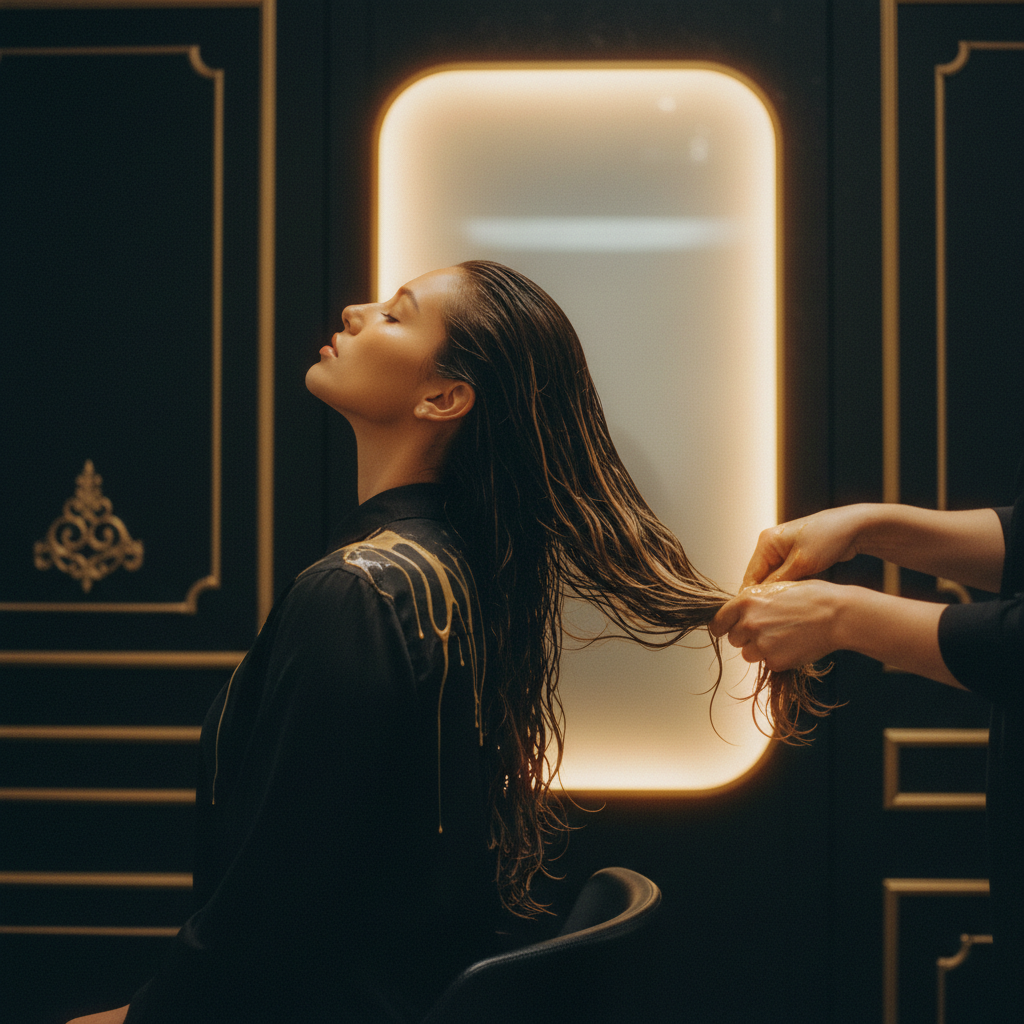
Quick answer
Quick answer: Effective Conditioning Techniques involve selecting the right conditioner for your hair type, applying it strategically to mid-lengths and ends, and allowing sufficient processing time to smooth the cuticle, reduce friction, and enhance manageability. The goal is to improve the hair's physical properties, making it softer, shinier, and easier to manage, though the specific techniques and product efficacy can vary based on individual hair needs and the product's formulation.
Key takeaways
- Conditioners primarily work by coating the hair shaft, smoothing the cuticle, and neutralising static charges, leading to reduced friction and improved manageability.
- Different hair types and concerns benefit from specific Conditioning Techniques and conditioner types, from daily rinse-outs to intensive deep treatments or leave-ins.
- Applying conditioner correctly, focusing on mid-lengths and ends, is crucial for maximising benefits and preventing product build-up or weighing down roots.
- The science behind conditioners involves ingredients like cationic surfactants, humectants, and emollients working together to hydrate, detangle, and protect the hair.
- Effective Conditioning Techniques can significantly reduce hair breakage by improving elasticity and reducing friction during styling.
Conditioning Techniques: what the evidence shows
Conditioning hair involves various techniques designed to improve its look and feel after cleansing. The primary goal of most Conditioning Techniques is to deposit beneficial ingredients onto the hair shaft, which helps to smooth the hair's outermost layer, known as the cuticle. This action reduces friction between individual hair strands, making hair easier to detangle, increasing its shine, and imparting a softer texture. This smoothing effect can also help protect the hair from environmental stressors and reduce the likelihood of mechanical damage.
The effectiveness of different Conditioning Techniques largely depends on the hair's specific needs, its porosity, and the type of conditioner used. For instance, hair that is chemically treated, frequently heat-styled, or naturally dry, such as Afro-textured hair, will often benefit more from intensive Conditioning Techniques like deep conditioning or leave-in treatments compared to fine, unprocessed hair which might be weighed down by such approaches.
The mechanism behind effective conditioning
When hair is shampooed, especially with products containing strong surfactants, its natural oils (sebum) can be stripped away, and the cuticle scales may lift. This leaves the hair feeling rough, prone to tangling, and susceptible to damage. Conditioners work to counteract these effects. As detailed in "The Science of Conditioners: How Hair Care Formulations Work", they typically contain a blend of ingredients:
- Cationic Surfactants: These positively charged molecules are key. They are attracted to the negatively charged surface of damaged hair, forming a thin film. This neutralises static electricity, reduces frizz, and helps the cuticle scales lie flat.
- Humectants: Ingredients like glycerine and panthenol attract and hold water from the air, providing hydration to the hair shaft (see "Humectants: Understanding How They Hydrate and Protect Your Hair").
- Emollients and Oils: Substances such as argan oil or jojoba oil create a smooth surface, enhance shine, and reduce friction, making hair easier to comb through.
- Proteins: Hydrolysed proteins, derived from wheat, rice, or keratin, can temporarily fill minor gaps in the cuticle, offering a temporary strengthening effect and improving elasticity.
- Acidity Regulators: Many conditioners are formulated to be slightly acidic (pH typically between 3.5 and 5.0). This acidic environment helps to close and flatten the hair cuticle, sealing in moisture and enhancing shine after the often-alkaline pH of shampoos (see "The pH Scale and Hair").
This combination of actions results in hair that is not only softer and shinier but also more resilient and easier to manage, reducing the risk of hair breakage during styling.
Hair types and their conditioning needs
Understanding your hair type is fundamental to choosing the right Conditioning Techniques. Different hair structures and conditions require varying levels of moisture, protein, and conditioning intensity.
| Hair Type / Concern | Recommended Conditioning Techniques & Products |
|---|---|
| Fine Hair | Lightweight rinse-out conditioners; apply to ends only; avoid roots to prevent weighing down. Brief processing times. |
| Thick / Coarse Hair | Richer rinse-out conditioners, leave-in conditioners; focus on even distribution. Longer processing times may be beneficial. |
| Dry / Damaged Hair | Deep conditioners (masks) 1 to 2 times a week; leave-in conditioners daily; pre-shampoo conditioning with oils or conditioner. |
| Oily Scalp, Dry Ends | Lightweight conditioners on mid-lengths and ends only; ensure thorough rinsing. Consider co-washing for ends if not prone to build-up. |
| Curly / Coily / Afro Hair | Co-washing; rich leave-in conditioners; deep conditioners; focus on hydration and detangling. See "Caring for Curly Hair" and "How to Moisturise Afro Hair". |
| Colour-Treated Hair | Colour-safe conditioners (often lower pH); deep conditioners to maintain integrity; use leave-ins for added protection. See "Maintaining Colour-Treated Hair". |
When Conditioning Techniques are not enough
While effective Conditioning Techniques can greatly improve the feel and appearance of hair, they are cosmetic treatments. They cannot reverse significant structural damage to the hair fibre, nor can they address underlying scalp conditions or genuine hair loss (alopecia). For instance, if you're experiencing scalp irritation or persistent dryness that doesn't respond to conditioning, you may need to investigate issues like dandruff or seborrheic dermatitis (see "Dandruff: Causes and Treatments Explained" and "Understanding Scalp Health").
Similarly, Conditioning Techniques cannot prevent or treat hair shedding or hair loss. If you notice an increase in hair falling out from the root, this is distinct from hair breakage. Conditions like telogen effluvium, anagen effluvium, or various forms of alopecia require professional medical advice, not just advanced conditioning.
Mastering your Conditioning Techniques: practical advice
Proper application is just as important as choosing the right product. Here are some Conditioning Techniques to maximise benefits:
- Squeeze Out Excess Water: After shampooing, gently squeeze water from your hair. If hair is dripping wet, the water can dilute the conditioner, preventing its active ingredients from fully binding to the hair shaft.
- Focus on Mid-Lengths and Ends: These are the oldest, most porous, and most prone to damage parts of your hair. Applying conditioner heavily to the roots can lead to greasiness or weigh down fine hair, especially if you have an oily scalp.
- Distribute Evenly: Use your fingers or a wide-tooth comb to ensure the conditioner coats every strand thoroughly. For very thick or long hair, sectioning the hair can help achieve more even coverage.
- Allow Processing Time: Follow the product's instructions. Rinse-out conditioners typically need 1 to 5 minutes, while deep conditioners (masks) might require 5 to 20 minutes. This time allows the ingredients to penetrate and work effectively.
- Detangle Gently: Conditioners provide "slip," making detangling easier. Use a wide-tooth comb or your fingers to gently work through tangles while the conditioner is still in your hair. Start from the ends and work your way up to the roots to minimise hair breakage.
- Rinse Thoroughly (but not excessively): Rinse with cool or lukewarm water until the hair feels smooth but not slimy. Cooler water can help close the cuticle and enhance shine. Over-rinsing can wash away some beneficial conditioning agents, while under-rinsing can leave residue.
Advanced Conditioning Techniques
- Pre-Poo (Pre-Shampoo Conditioning): Applying a conditioner or natural oil (like coconut oil) to dry hair before shampooing creates a protective barrier. This is particularly useful for very dry, damaged, or Afro-textured hair to prevent excessive stripping of natural oils during cleansing.
- Co-Washing (Conditioner Washing): For individuals with very dry, curly, or coily hair, replacing some shampoo washes with a co-wash product can help maintain moisture. This technique uses a gentle cleansing conditioner to clean the hair and scalp without harsh surfactants (see "Hair Cleansing and Conditioning").
- Deep Conditioning with Heat: When using a deep conditioner or hair mask, applying gentle heat (e.g., wrapping hair in a warm towel or using a hooded dryer on a low setting) can help open the cuticle, allowing the conditioning ingredients to penetrate more effectively. This is a powerful technique for damaged or extremely dry hair.
- Leave-In Conditioning: After washing, applying a small amount of leave-in conditioner to damp hair provides continuous hydration, detangling, and protection throughout the day. This is beneficial for frizz control and managing hair that easily tangles (see "Dealing with Frizzy Hair").
Frequently asked questions about Conditioning Techniques
How often should I use different Conditioning Techniques?
Rinse-out conditioners are typically used after every shampoo. Deep conditioners are usually recommended once or twice a week, depending on your hair's needs. Leave-in conditioners can be applied daily or as needed for added moisture and protection. Co-washing frequency varies, often replacing a traditional shampoo 1 to 3 times a week, especially for dry or textured hair.
Can I apply conditioner to my scalp?
Generally, it's best to avoid applying heavy conditioners directly to the scalp, particularly if you have fine hair or an oily scalp, as it can lead to product build-up, weigh down roots, or contribute to greasiness. However, some scalp-specific conditioning treatments or lighter co-washes are designed for direct scalp application, especially for those with very dry or irritated scalps. Always check product instructions.
What are the benefits of using a leave-in conditioner?
Leave-in conditioners offer continuous hydration, help with detangling, reduce frizz, and provide a protective barrier against environmental damage and heat styling. They are particularly beneficial for dry, damaged, curly, or Afro-textured hair types that require ongoing moisture and manageability. They can also make styling easier by improving hair's pliability.
Do Conditioning Techniques help with hair breakage?
Yes, effective Conditioning Techniques can significantly reduce hair breakage. By smoothing the cuticle, conditioners reduce friction between strands and improve elasticity, making hair less prone to snapping during combing, brushing, or styling. Hydrated and conditioned hair is more flexible and resilient, thus less likely to break when stressed. However, they do not prevent hair loss from the root.
What's the difference between a conditioner and a hair mask?
A conditioner is typically a lighter formulation used regularly to detangle and provide basic hydration and smoothing. A hair mask, or deep conditioner, is a more concentrated, intensive treatment with a richer blend of moisturising and reparative ingredients. Masks are designed to penetrate deeper into the hair shaft, providing more profound and longer-lasting benefits, and are typically used less frequently.
Elevating your hair care with Conditioning Techniques
Mastering effective Conditioning Techniques is a cornerstone of a healthy hair care routine. From selecting the appropriate product for your hair type to applying it with precision, each step contributes to hair that is not only softer and shinier but also stronger and more manageable. Understanding the underlying science empowers you to make informed choices, transforming your hair's health and appearance. By integrating these practices, you can protect your hair from daily stresses, minimise breakage, and ensure it looks and feels its best.
Sources and references
- Journal of Cosmetic Science, "Hair Conditioners: An Overview", 2008.
- PubMed, National Library of Medicine.
- American Academy of Dermatology Association.
- British Association of Dermatologists.
- NHS (National Health Service).
- International Journal of Trichology, "Hair Cosmetics: An Overview", 2015.
- The Cosmetic, Toiletry, and Fragrance Association (CTFA) Handbook.
- University of California, Berkeley - Department of Chemistry.
- Society of Cosmetic Chemists.
- Skin Pharmacology and Physiology, "The Role of pH in Hair Care: An Updated Review", 2014.
Find these ingredients in Watermans products
- Argan Oil: you will find this ingredient in our Hair Growth Shampoo.
- Panthenol (Provitamin B5): you will find this ingredient in our Heat Protection Spray.