Hair Conditioners: Benefits and Application Guide
5 min read ·
Hair conditioners are essential for maintaining hair health, providing moisture, improving manageability, and protecting against damage.
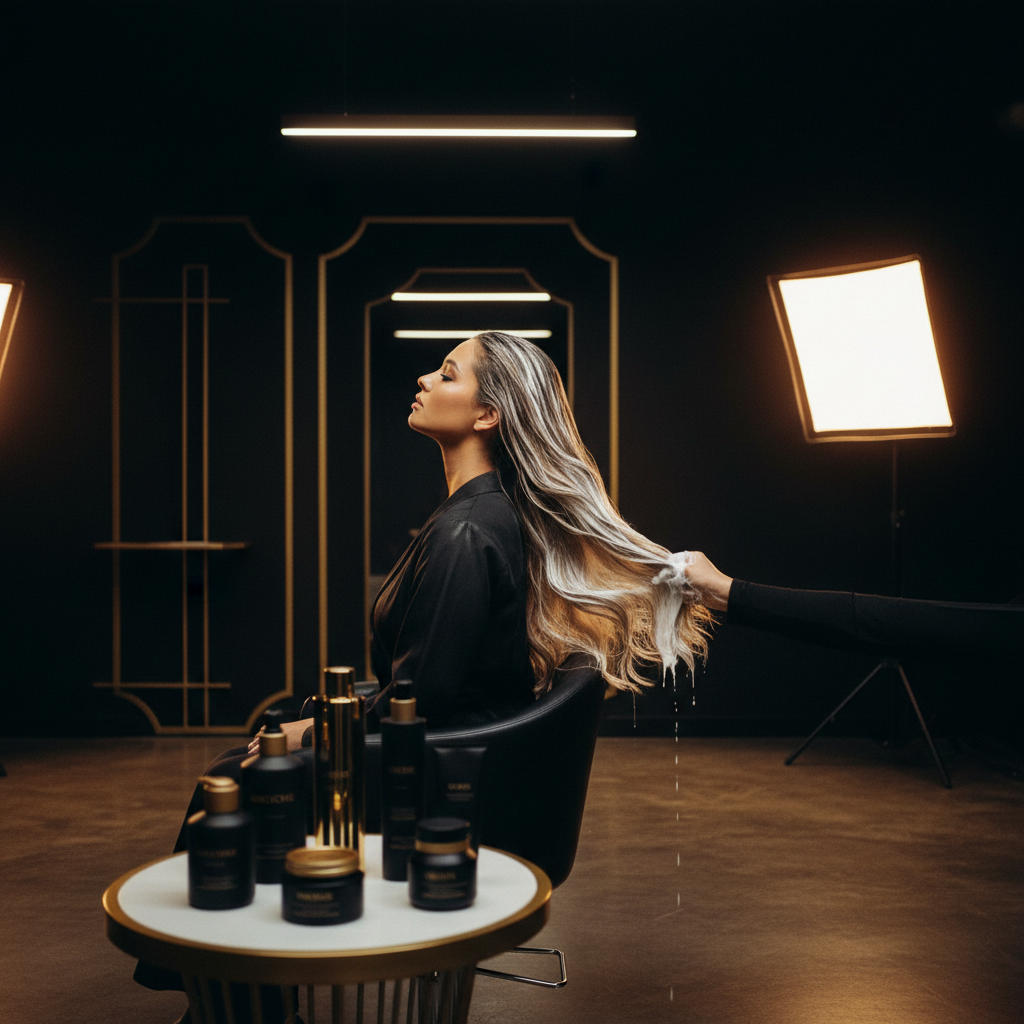
What is Hair Conditioner?
Hair conditioner is a hair care product designed to improve the feel, appearance, and manageability of hair. It primarily functions by smoothing the hair's cuticle, the outermost protective layer, reducing friction between strands, and imparting a softer texture.
How Conditioners Work
Conditioners typically contain cationic surfactants, which are positively charged molecules. Hair, especially damaged hair, tends to be negatively charged. The positive charges in the conditioner are attracted to the negative charges on the hair, creating a bond that flattens the cuticle scales. This action results in several benefits:
- Reduced Friction: A smoother cuticle means less friction between individual hair strands, which helps prevent tangles and breakage.
- Improved Shine: When the cuticle lies flat, light reflects off the hair's surface more uniformly, enhancing its natural shine.
- Increased Softness: The smooth surface feels softer to the touch.
- Enhanced Manageability: Hair becomes easier to comb, brush, and style.
Key Benefits of Using Conditioner
Regular use of conditioner is crucial for maintaining overall hair health and addressing specific hair concerns. The primary benefits include:
Moisture and Hydration
Conditioners replenish moisture lost during shampooing and environmental exposure. Ingredients like emollients and humectants draw water into the hair shaft and seal it in, preventing dryness and brittleness. This sustained hydration improves hair's elasticity and resilience.
Damage Protection
Conditioners form a protective layer around the hair shaft, shielding it from external aggressors such as heat styling, UV radiation, and pollution. This protective barrier minimizes cuticle damage, split ends, and colour fade.
Detangling and Manageability
By smoothing the cuticle, conditioners significantly reduce tangles and knots, making hair much easier to comb and brush. This minimizes mechanical stress on the hair, preventing breakage during styling.
Enhanced Shine and Softness
The flattened cuticle surface allows light to reflect more evenly, resulting in increased natural shine. Additionally, the lubricating effect of conditioners leaves hair feeling softer and silkier.
Improved Hair Strength and Elasticity
Certain conditioning ingredients, including proteins and amino acids, can temporarily fortify the hair shaft, improving its strength and elasticity. This makes hair less prone to breakage and more resilient to styling and environmental stressors.
Types of Conditioners
Conditioners come in various formulations, each designed to address specific hair needs. Understanding the differences helps in choosing the most suitable product.
| Type of Conditioner | Description | Best For | Application |
|---|---|---|---|
| Rinse-out Conditioner | The most common type, applied after shampooing and rinsed out after a few minutes. Offers daily hydration and detangling. | All hair types, especially normal to oily hair, or those who wash frequently. | Apply to mid-lengths and ends, concentrating on areas that need the most conditioning. Leave for 1-5 minutes, then rinse thoroughly. |
| Leave-in Conditioner | Applied to clean, damp hair and left in until the next wash. Provides continuous moisture, detangling, and heat protection. | Dry, frizzy, damaged, or curly hair. Also beneficial for heat styling. | Spray or distribute evenly through damp hair, focusing on mid-lengths and ends. Do not rinse. |
| Deep Conditioner / Hair Mask | Intense, concentrated treatments used weekly or bi-weekly. Deliver a higher concentration of nourishing ingredients. | Dry, damaged, chemically treated, or particularly porous hair. | Apply generously to clean, damp hair. Leave for 10-30 minutes (or as directed), optionally with heat. Rinse thoroughly. |
| Cleansing Conditioner (Co-wash) | A single product that cleanses and conditions simultaneously, without traditional shampoo lather. | Dry, curly, coily, or colour-treated hair prone to dryness. | Apply generously to wet hair, massage into scalp and ends, then rinse thoroughly. |
How to Apply Conditioner Effectively
Proper application ensures optimal results and avoids weighing down the hair or leaving residue.
- Shampoo Thoroughly: Begin with freshly shampooed hair to remove dirt, oil, and product buildup. Gently squeeze out excess water to ensure the conditioner adheres effectively.
- Dispense the Right Amount: The amount of conditioner needed varies based on hair length, thickness, and texture. Start with a coin-sized amount for short hair and increase for longer or thicker hair. Too much can weigh hair down; too little may not be effective.
- Focus on Mid-lengths and Ends: These are the oldest and often driest parts of your hair. Applying conditioner directly to the scalp can sometimes lead to greasiness for some hair types, especially if the scalp is naturally oily. If you have a dry scalp, a light application to the roots may be beneficial.
- Distribute Evenly: Use your fingers or a wide-tooth comb to distribute the conditioner through your hair, ensuring every strand is coated. This helps detangle and ensures uniform benefits.
- Allow Absorption Time: Most rinse-out conditioners benefit from being left on for 1-5 minutes to allow the ingredients to penetrate the hair shaft. Deep conditioners require longer, as specified on the product.
- Rinse Thoroughly: Rinse hair with lukewarm water until the water runs clear and no slippery residue remains. Cold water can help seal the cuticle and enhance shine, but is not strictly necessary.
- Pat Dry: Gently pat hair dry with a towel instead of vigorously rubbing, which can cause friction and damage.
Common Conditioning Myths Explored
- Myth: You don't need conditioner if your hair isn't damaged.
- Fact: All hair types benefit from conditioner. It proactively maintains health, protects against daily wear and tear, and improves manageability, even for healthy hair.
- Myth: Conditioner makes hair greasy.
- Fact: This typically occurs when too much product is used, or it's applied excessively to the scalp. Proper application (focusing on mid-lengths and ends) and thorough rinsing prevent greasiness.
- Myth: You should only condition the ends of your hair.
- Fact: While ends often need the most conditioning, mid-lengths can also benefit significantly from hydration and protection. Roots generally have sufficient natural oils.
By incorporating the right conditioner into your routine and applying it correctly, you can dramatically improve your hair's overall health, appearance, and strength. Watermans Hair offers a range of conditioners formulated to nourish and strengthen various hair types, including those seeking to promote healthy hair growth.