Hair Breakage: Causes and Prevention
5 min read ·
Hair breakage is a common concern caused by various factors, but understanding its origins is key to effective prevention and maintaining healthy hair.
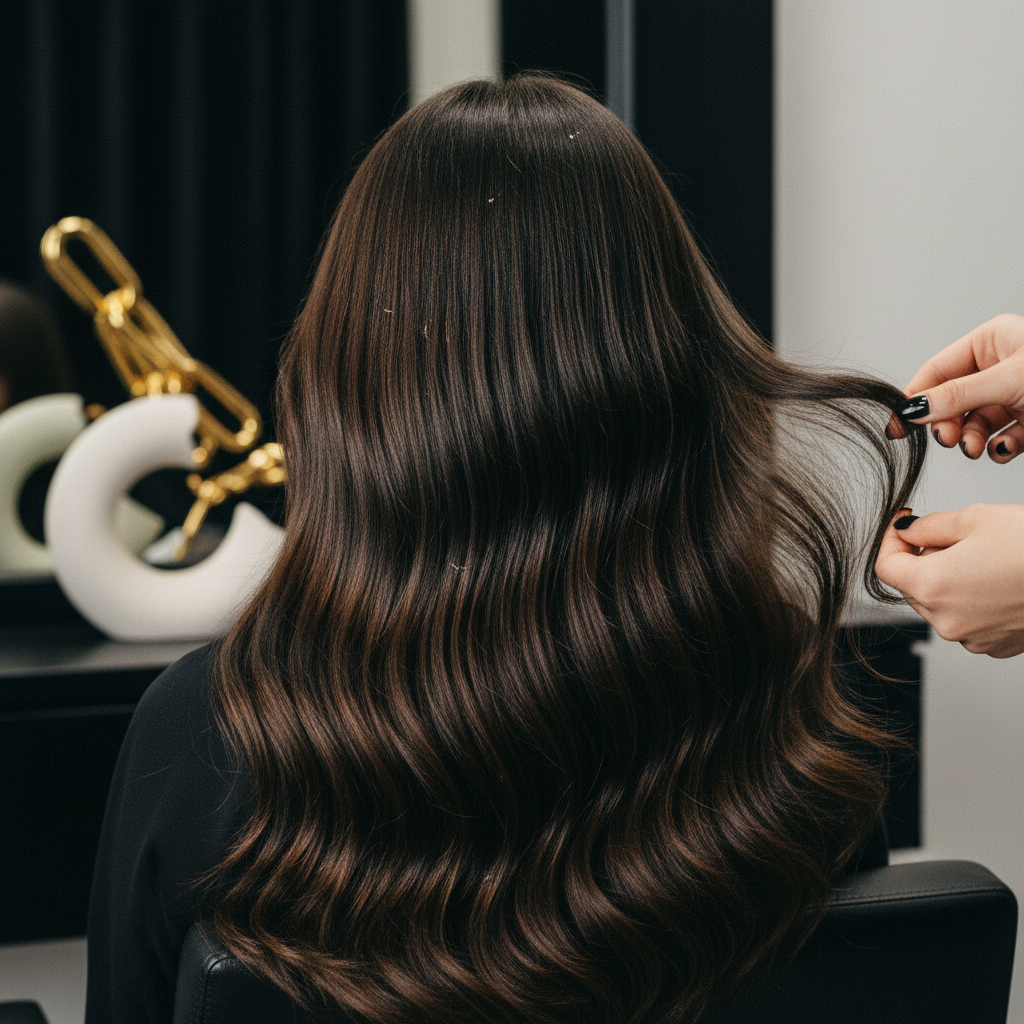
Understanding Hair Breakage
Hair breakage refers to the fracturing of the hair shaft at any point along its length. Unlike hair shedding, which involves the natural release of the entire hair strand from the follicle, breakage leaves behind a stunted, often frayed, piece of hair. It can manifest as split ends, thinning at the ends, or noticeable short pieces of hair amongst longer strands.
Common Causes of Hair Breakage
Hair is a remarkably strong fibre, but it is not indestructible. Several factors, both internal and external, can compromise its integrity.
Chemical Damage
Chemical processes are a significant contributor to hair breakage. These processes often alter the hair's natural structure, making it more vulnerable.
- Coloring and Bleaching: These treatments penetrate the hair cuticle to deposit or remove pigment. High levels of peroxide and ammonia can weaken the disulfide bonds that give hair its strength and elasticity, leading to brittleness and breakage.
- Perms and Relaxers: These chemical treatments reshape the hair by altering its protein structure. Improper application, over-processing, or overlapping on previously treated hair can severely damage the hair shaft, resulting in significant breakage.
Heat Damage
Excessive heat from styling tools can strip the hair of its natural moisture and degrade its protein structure.
- High Temperatures: Using styling tools like flat irons, curling irons, and blow dryers at excessively high temperatures (above 180°C or 350°F) can cause the water inside the hair shaft to boil, leading to irreversible damage and breakage.
- Lack of Heat Protection: Without a heat protection product, the hair is directly exposed to the thermal stress, accelerating moisture loss and protein denaturation.
Mechanical Stress
Physical manipulation of the hair can lead to significant breakage, particularly when hair is wet and more fragile.
- Vigorous Brushing: Brushing or combing hair aggressively, especially when wet, can snag and snap strands. Knots should always be gently detangled from the ends upwards.
- Tight Hairstyles: Styles that put excessive tension on the hair shaft, such as tight ponytails, braids, or buns, can cause traction alopecia and breakage along the hairline and where the hair is pulled tight.
- Friction: Rubbing hair against rough surfaces (e.g., cotton pillowcases) or constantly touching/twisting hair can abrade the cuticle and lead to breakage over time.
Environmental Factors
The environment plays a role in the overall health and vulnerability of hair.
- UV Radiation: Prolonged exposure to sunlight can degrade the protein structure of the hair, making it dry, brittle, and prone to breakage.
- Chlorine and Salt Water: Chlorine in swimming pools and salt in ocean water can strip the hair's natural oils and moisture, leaving it dry and susceptible to damage.
- Air Pollution: Pollutants can accumulate on the hair, creating oxidative stress and contributing to cuticle damage.
Nutritional Deficiencies and Health Conditions
Internal factors, such as diet and overall health, are crucial for robust hair growth and strength.
- Poor Nutrition: A diet lacking essential vitamins, minerals, and proteins can weaken hair from within. Specifically, deficiencies in iron, zinc, biotin, and vitamins A, C, and E can compromise hair health.
- Thyroid Imbalance: Both an overactive and underactive thyroid can impact hair growth cycles and lead to brittle hair that breaks easily.
- Stress: Chronic stress can affect hormone levels and nutrient absorption, contributing to weakened hair.
Preventing Hair Breakage
Preventing hair breakage involves a multi-faceted approach that addresses the root causes.
Gentle Hair Care Practices
- Detangle Carefully: Use a wide-tooth comb on wet hair, starting from the ends and working your way up. For dry hair, use a brush with soft bristles.
- Limit Tight Styles: Opt for looser hairstyles and avoid excessive tension, especially around the hairline.
- Sleep on Silk/Satin: Using a silk or satin pillowcase reduces friction on the hair compared to cotton.
Chemical Process Management
- Professional Application: Always have chemical treatments performed by a trained professional who can assess your hair's condition and use appropriate formulations.
- Space Out Treatments: Allow ample time between chemical services (e.g., 6-8 weeks between colorings, longer for perms/relaxers) to allow hair to recover.
- Deep Conditioning: Incorporate regular deep conditioning treatments, especially after chemical services, to help restore moisture and strength.
Heat Styling Moderation
- Use Heat Protectant: Always apply a heat protection spray before using any heated styling tools. This creates a barrier that minimizes thermal damage.
- Lower Temperatures: Use the lowest effective heat setting on styling tools. For fine or damaged hair, temperatures below 150°C (300°F) are often sufficient.
- Limit Frequency: Reduce the frequency of heat styling. Allow hair to air dry whenever possible.
Environmental Protection
- UV Protection: Wear hats or use hair products with UV filters when exposed to prolonged sunlight.
- Rinse After Swimming: Rinse hair with fresh water immediately after swimming in chlorinated or salt water to remove damaging residues. Consider applying a leave-in conditioner beforehand as a protective barrier.
Internal Hair Strength
- Balanced Diet: Consume a diet rich in proteins (e.g., lean meats, legumes), healthy fats (e.g., avocados, nuts), and a wide range of fruits and vegetables to ensure optimal nutrient intake.
- Hydration: Drink plenty of water to maintain overall hydration, which impacts hair health.
- Manage Stress: Practice stress-reducing techniques such as meditation, yoga, or regular exercise.
- Address Health Issues: Consult a healthcare professional if you suspect nutritional deficiencies or underlying health conditions contributing to hair breakage.
Summary of Key Prevention Strategies
| Strategy | Description |
|---|---|
| Gentle Handling | Avoid aggressive brushing, tight styles, and friction. |
| Chemical Caution | Professional application, spaced treatments, and post-treatment care. |
| Heat Protection | Use protectants, lower temperatures, and limit frequency. |
| Environmental Shield | Protect from sun, chlorine, and salt water. |
| Internal Nourishment | Balanced diet, hydration, stress management, and address health issues. |
Find these ingredients in Watermans products
- Biotin, you will find this ingredient in our Hair Growth Shampoo.
- Zinc, you will find this ingredient in our Hair Vitamins.