Fungal Infections: Causes, Symptoms, and Management for a Healthy Scalp
11 min read ·
Fungal Infections of the scalp, medically known as tinea capitis, are common dermatological conditions that can affect hair health and appearance.
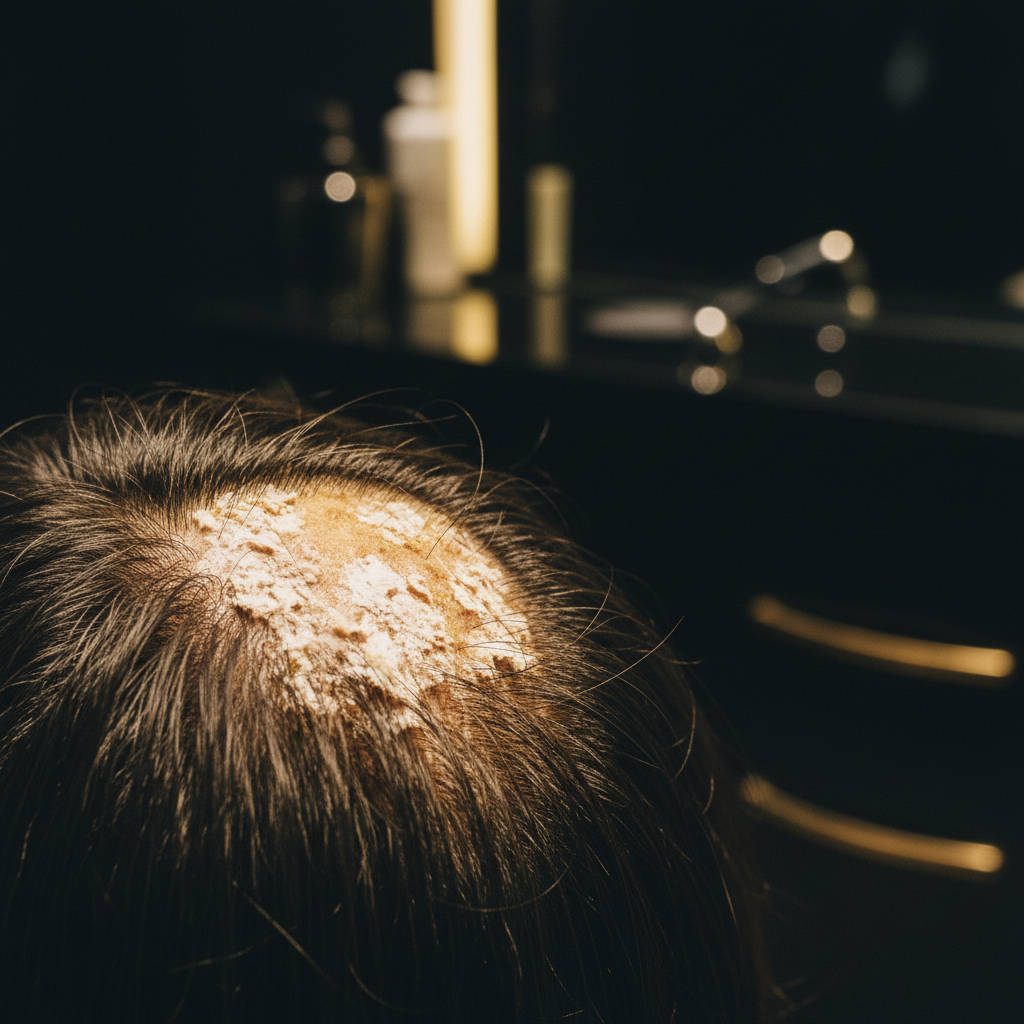
Quick answer: Fungal Infections of the scalp, medically termed tinea capitis, are contagious skin infections caused by microscopic fungi called dermatophytes. They feed on keratin, the protein found in hair, skin, and nails, leading to symptoms like scaling, itching, and hair breakage. While treatable with antifungal medications, early diagnosis is key to preventing complications such as permanent hair loss, and treatment should always be guided by a medical professional. This article focuses on general knowledge about Fungal Infections and does not provide medical advice or endorse specific treatments.
Key takeaways
- Fungal Infections of the scalp (tinea capitis) are caused by dermatophytes, which are contagious.
- Symptoms often include scaly, itchy patches, hair breakage, and localized hair loss, sometimes forming "black dots" or more severe inflammatory lesions (kerion).
- Diagnosis requires medical examination and usually laboratory tests, such as fungal cultures, to identify the specific type of fungus.
- Treatment typically involves oral antifungal medications, often supplemented with antifungal shampoos to help reduce spore shedding.
- Good hygiene practices and avoiding shared personal items are crucial for preventing the spread of Fungal Infections.
Fungal Infections: what the evidence shows
Fungal Infections of the scalp, known medically as tinea capitis, are common dermatological conditions caused by a group of fungi called dermatophytes. These microscopic organisms thrive on keratin, the main structural protein found in hair, skin, and nails. Tinea capitis primarily affects the hair shafts and follicles, leading to inflammation, scaling, and characteristic patterns of hair loss (alopecia).
While fungal infections can affect people of all ages, they are particularly prevalent in children aged 3 to 14 years. Transmission often occurs through direct contact with an infected person or animal, or indirectly via contaminated items like combs, brushes, hats, or pillowcases. The specific species of dermatophyte involved, such as Trichophyton or Microsporum, can influence the clinical presentation and severity of the infection.
The mechanism of scalp Fungal Infections
When dermatophytes infect the scalp, they penetrate the hair shaft. Depending on the species, the fungi can grow inside the hair shaft (endothrix infection) or on its surface (ectothrix infection). Both types lead to weakening of the hair fibre, making it brittle and prone to breakage. This breakage is often why hair loss is a common symptom. The body's immune response to the fungal presence can also cause inflammation, leading to redness, itching, and scaling of the scalp.
In endothrix infections, the fungal spores develop within the hair shaft, causing it to break off at or just below the scalp surface. This can leave behind small, dark stubs, often referred to as "black dots". Common causative agents for endothrix infections include Trichophyton tonsurans.
Ectothrix infections involve fungal spores forming on the outside of the hair shaft. This can cause the hair to break off further away from the scalp, resulting in visible patches of broken hair. Microsporum canis and Microsporum audouinii are common causes of ectothrix infections.
Recognising the signs of scalp Fungal Infections
Recognising the symptoms of scalp Fungal Infections is important for early diagnosis and treatment. The signs can vary widely in appearance, depending on the fungal species and the individual's immune response, but generally involve changes to the scalp and hair.
Common signs include:
- Scaly patches: These often appear as patches of dry, flaky skin on the scalp, which may be red and itchy. They can resemble dandruff but might have a more defined, sometimes ring-shaped border. (See also: Dandruff: Causes and Treatments Explained)
- Hair breakage and localized hair loss: The fungal infection weakens hair fibres, causing them to break easily. This leads to distinct, often circular, areas of hair loss, rather than diffuse shedding from the entire scalp. In some cases, the hair breaks so close to the scalp that only small "black dots" remain.
- Pustules: Small, pus-filled bumps or sores may develop on the affected areas of the scalp.
- Inflammation: The scalp can become tender, red, and swollen, indicating an inflammatory response to the infection.
- Kerion: This is a severe, inflammatory form of tinea capitis characterised by a painful, boggy (spongy) mass on the scalp, often with pustules and crusting. It can lead to significant scarring and permanent hair loss if not treated promptly.
- Swollen lymph nodes: Lymph nodes in the neck may become enlarged and tender, particularly with more inflammatory infections.
It's important to differentiate these symptoms from other scalp conditions. For instance, while scaling is common in dandruff, the distinct patches of hair loss and inflammation are more characteristic of Fungal Infections. Psoriasis also causes scaly patches, but these are typically thicker and silvery, and don't usually involve hair breakage in the same way.
Diagnosis of Fungal Infections
Accurate diagnosis of Fungal Infections requires a medical professional. Diagnosis typically involves a combination of clinical examination and laboratory tests.
- Clinical Examination: A doctor will examine the scalp for characteristic signs such as scaly patches, hair breakage, inflammation, and patterns of hair loss.
- Wood's Lamp Examination: Some Microsporum species fluoresce under ultraviolet light (Wood's lamp), appearing as a bright green-yellow. However, Trichophyton species, which are also common causes of tinea capitis, typically do not fluoresce, so a negative result doesn't rule out an infection.
- Microscopic Examination (KOH preparation): Hairs are plucked from the affected area and examined under a microscope after being treated with potassium hydroxide (KOH). This helps to visualise fungal elements (hyphae and spores) on or within the hair shaft.
- Fungal Culture: This is considered the most definitive diagnostic test. Hairs and scales from the affected area are cultured on a special medium in a laboratory. This allows the specific fungus to grow and be identified, which can take several weeks (typically 2 to 4 weeks). Identifying the exact fungal species guides the choice of the most effective antifungal medication.
Treatment options for Fungal Infections
Treatment for scalp Fungal Infections almost always requires oral antifungal medications because the fungi infect the hair shaft, making topical treatments alone generally ineffective. The choice of medication and duration of treatment are determined by the specific fungus identified, the severity of the infection, and the patient's age and health. It's crucial to complete the entire course of medication to prevent recurrence.
| Medication | Common Duration of Treatment | Key Considerations |
|---|---|---|
| Griseofulvin | 6 to 12 weeks | Often considered first-line for children. Best absorbed with fatty foods. Possible side effects include nausea, headache, and photosensitivity. |
| Terbinafine | 2 to 4 weeks | Effective against many dermatophytes, particularly Trichophyton species. Possible side effects include digestive upset, rash, and taste disturbance. |
| Itraconazole | Often pulsed therapy (e.g., 1 week on, 3 weeks off) | Broad-spectrum antifungal. Dosage and duration depend on the specific infection. Possible side effects include nausea, abdominal pain, and headache. |
| Fluconazole | 3 to 6 weeks | Less commonly used for tinea capitis than griseofulvin or terbinafine, but an option for certain species or intolerant patients. Possible side effects include nausea and headache. |
In addition to oral medications, adjunctive therapies are often recommended:
- Antifungal Shampoos: Shampoos containing active ingredients like selenium sulfide (2.5%) or ketoconazole (2%) are frequently prescribed alongside oral medication. These shampoos help reduce the shedding of fungal spores from the scalp, thereby minimising the risk of spreading the infection to others and reducing the chance of reinfection. They are not a standalone treatment for Fungal Infections of the scalp but support the primary oral therapy.
- Topical Antifungals: While generally insufficient on their own for tinea capitis due to the deep location of the infection, topical antifungal creams or lotions may be used in conjunction with oral medications, particularly if there are accompanying skin lesions on the surrounding skin.
When the cause may be something else
Symptoms that resemble scalp Fungal Infections can sometimes be caused by other conditions. It is important to receive an accurate diagnosis from a healthcare professional, as treatments differ significantly. Other conditions to consider include:
- Dandruff (Seborrhoeic Dermatitis): Characterised by flaky, itchy scalp, but typically without the distinct patches of hair loss or inflammation seen in tinea capitis. (See also: Dandruff: Causes and Treatments Explained)
- Psoriasis: A chronic autoimmune condition that causes thick, silvery scales on the scalp, often with redness. Hair loss in psoriasis is usually temporary and due to inflammation, rather than breakage from fungal activity.
- Alopecia Areata: An autoimmune condition causing sudden, patchy hair loss, often in smooth, round patches, without scaling or inflammation of the scalp itself. (See also: Anagen Effluvium for other types of hair loss).
- Bacterial Infections: Folliculitis (inflammation of hair follicles) or impetigo can cause pustules and crusting on the scalp, which might be mistaken for tinea capitis. These require antibiotic treatment.
- Trichotillomania: A compulsive disorder involving the pulling out of one's own hair, leading to irregular patches of hair loss with broken hairs of varying lengths.
Given the varied nature of scalp conditions, self-diagnosis is not recommended. If you notice persistent scalp issues, seek professional medical advice.
When to get professional advice
You should always consult a doctor or dermatologist if you suspect you have a scalp Fungal Infection. Early diagnosis and treatment are crucial to prevent the infection from spreading, to alleviate symptoms, and to minimise the risk of complications such as permanent scarring and irreversible hair loss, especially in cases of kerion. This is particularly important for children, where tinea capitis is more common and highly contagious within school environments.
Preventing the spread of Fungal Infections
Preventing the spread of Fungal Infections involves practicing good hygiene and being aware of how the infection can transmit. These measures are especially important in households with an infected individual or in environments where sharing personal items is common.
- Avoid sharing personal items: Do not share combs, brushes, hats, scarves, towels, pillowcases, or hair accessories with others, especially those who may be infected. Fungal spores can survive on these items.
- Regular cleaning: Wash bedding, towels, and clothing that comes into contact with the scalp frequently in hot water.
- Pet care: Animals, particularly cats and dogs, can carry dermatophytes. If a family pet shows signs of hair loss or skin lesions, consult a veterinarian for diagnosis and treatment to prevent transmission to humans.
- Education and awareness: Be aware of the symptoms of scalp Fungal Infections, particularly in children, and seek prompt medical attention if an infection is suspected. Educating children about not sharing personal items can also help.
- Good scalp hygiene: While not a primary preventative measure against contracting the infection, maintaining a healthy scalp environment through regular, gentle cleansing can support overall scalp health. (See also: Understanding Scalp Health).
Frequently asked questions about Fungal Infections
Can Fungal Infections cause permanent hair loss?
Yes, severe or untreated Fungal Infections of the scalp, particularly those that lead to a significant inflammatory response like kerion, can result in permanent hair loss. The intense inflammation can damage hair follicles beyond repair, leading to scarring (cicatricial alopecia) where hair can no longer grow. Prompt diagnosis and adherence to the prescribed oral antifungal treatment are crucial to minimise this risk and achieve full hair regrowth.
How long does it take to treat scalp Fungal Infections?
The duration of treatment for scalp Fungal Infections varies, typically ranging from 2 to 12 weeks, depending on the specific antifungal medication used and the type of fungus causing the infection. Griseofulvin, a common treatment, is often prescribed for 6 to 12 weeks. Terbinafine may be shorter, around 2 to 4 weeks. It's vital to complete the full course of medication, even if symptoms improve earlier, to ensure the infection is fully eradicated and to prevent recurrence.
Are Fungal Infections of the scalp contagious?
Yes, Fungal Infections of the scalp are highly contagious. They can spread through direct skin-to-skin contact with an infected person or animal. Indirect transmission is also common, occurring via contaminated objects such as brushes, combs, hats, pillowcases, and shared towels. This contagiousness is why proper hygiene and avoiding shared personal items are critical preventative measures, especially in close-contact environments like schools or homes.
Can I treat scalp Fungal Infections with over-the-counter products?
No, over-the-counter topical creams or shampoos are generally insufficient for treating scalp Fungal Infections because the fungi reside deep within the hair follicles. Oral antifungal medications are almost always required to reach the infection site effectively. While antifungal shampoos may be used as an adjunct to help reduce spore shedding, they cannot cure the infection on their own. Always consult a doctor for diagnosis and prescription treatment.
Looking after your hair and scalp during and after Fungal Infections
Addressing Fungal Infections of the scalp is primarily a medical task, requiring specific antifungal medications. However, supporting your scalp and hair health during and after treatment can contribute to a better recovery and overall well-being. Gentle care, focusing on scalp cleanliness and hair strength, is beneficial. Harsh products or aggressive styling could irritate a sensitive scalp or further compromise weakened hair.
Watermans hair care products are formulated to support healthy-looking hair and scalp. For instance, Watermans Grow Me Shampoo and Conditioner are designed with ingredients that help to keep the hair and scalp feeling clean and moisturised, promoting an optimal environment for hair to flourish. Following treatment for a Fungal Infection, a gentle, nourishing routine can help hair regain strength and vitality. Remember to always complete your prescribed medical treatment for the infection itself.
Sources and references
- National Health Service (NHS), UK. Ringworm (Tinea Corporis). www.nhs.uk/conditions/ringworm
- American Academy of Dermatology Association. Ringworm of the scalp: Diagnosis and treatment. www.aad.org/public/diseases/a-z/ringworm-scalp-treatment
- UpToDate. Tinea capitis. (A peer-reviewed medical information resource. Access typically via subscription or institutional access).
- Centers for Disease Control and Prevention (CDC). Ringworm. www.cdc.gov/fungal/diseases/ringworm/index.html
- British Association of Dermatologists. Patient Information Leaflet: Tinea Capitis (Ringworm of the Scalp). www.bad.org.uk/for-the-public/patient-information-leaflets/tinea-capitis-ringworm-of-the-scalp