Folliculitis Scalp Causes and Care: Evidence-Based Management
8 min read ·
Discover the triggers and proven solutions for Folliculitis Scalp Causes and Care, from microbial balance to smart hygiene routines for healthy hair.
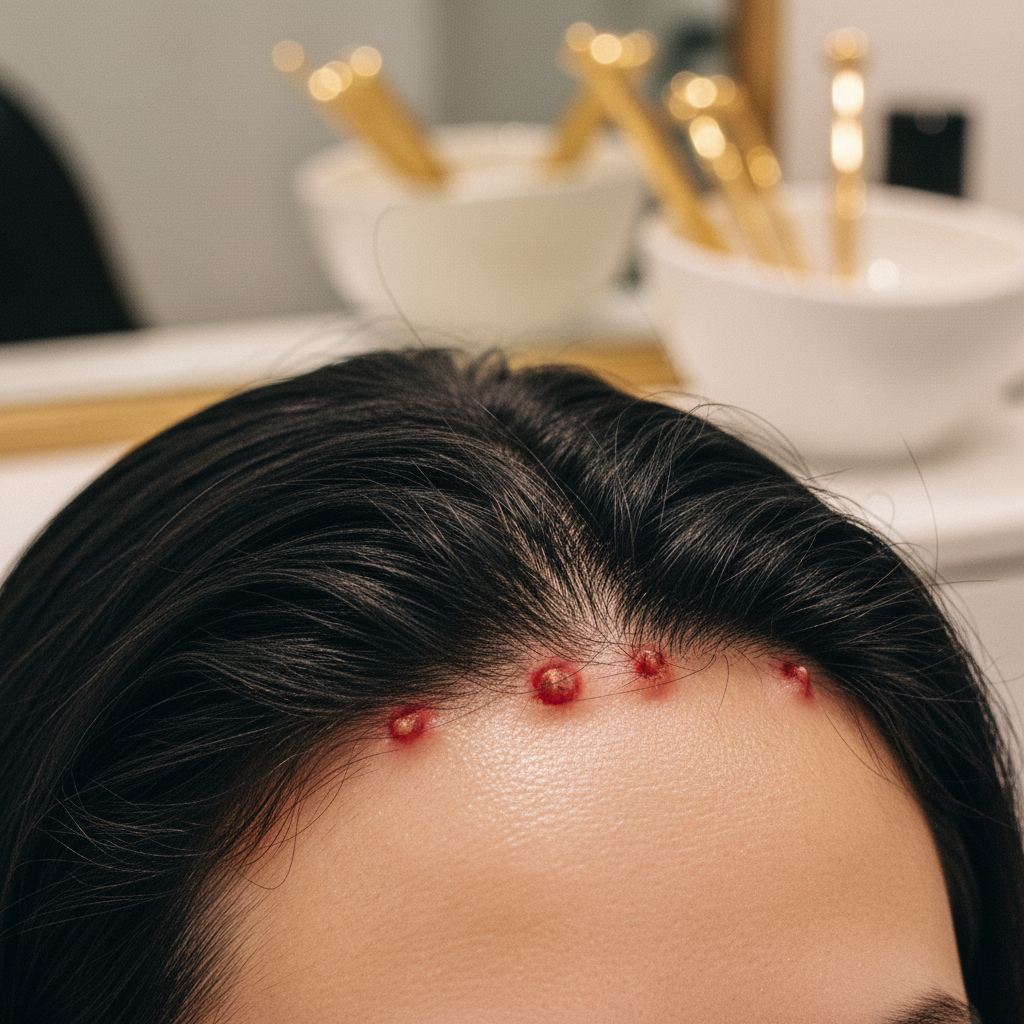
Quick answer: Understanding Folliculitis Scalp Causes and Care requires recognising that scalp folliculitis is an inflammatory condition affecting hair follicles, triggered by bacterial overgrowth, yeasts, mites, or mechanical friction. Proper management relies on gentle antiseptic cleansing, preserving the skin barrier, and avoiding heavy occlusive oils. While mild superficial outbreaks resolve with targeted hygiene, deep or persistent cases require clinical assessment because untreated inflammation can, in severe variations, risk permanent follicle damage and cicatricial scarring.
Key takeaways
- Scalp folliculitis involves inflammation or infection of the hair follicle opening, presenting as tender, itchy, or pustular bumps.
- Common triggers include bacteria (Staphylococcus aureus), fungal yeasts (Malassezia), mechanical irritation from headwear, and comedogenic hair styling products.
- Everyday care centres on keeping the scalp microbiome balanced using gentle, clarifying cleansers formulated near the skin's natural pH (5.5).
- Heavy pomades, petrolatum-based styling greases, and unwashed headwear significantly increase the risk of follicle blockage.
- Chronic, severely painful, or spreading lesions require dermatological intervention, as severe types like folliculitis decalvans can cause permanent scarring alopecia.
Folliculitis Scalp Causes and Care: what the evidence shows
Research demonstrates that scalp folliculitis is fundamentally a disruption of follicular homeostasis. When looking at Folliculitis Scalp Causes and Care, clinical evidence points to a combination of microbial proliferation, sebum chemistry alterations, and barrier breakdown.
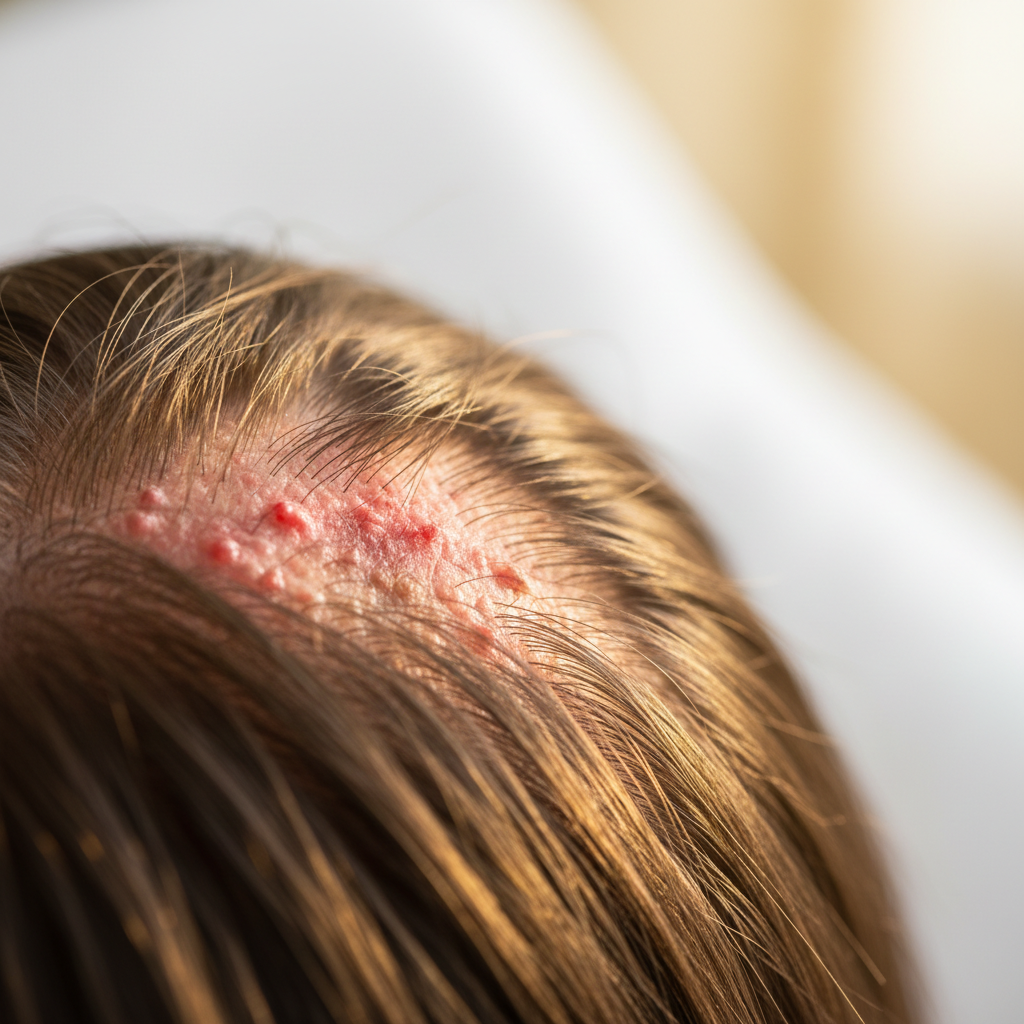
The scalp provides a distinct physiological environment: it possesses dense follicular units, abundant sebaceous glands producing lipid-rich sebum, and an acidic mantle typically sitting between pH 4.5 and 5.5. When follicular openings become occluded by sebum, dead keratinocytes, or topical products, microbial balances shift.
The primary causative agents identified across peer-reviewed studies include:
- Bacterial pathogens: Staphylococcus aureus is the most common organism isolated from bacterial superficial folliculitis.
- Fungal organisms: Malassezia yeasts (associated with pityrosporum folliculitis) thrive in lipid-dense environments, metabolising triglycerides into irritating free fatty acids.
- Mechanical factors: Tight headgear, friction from helmets, and repeated scratching physically compromise the stratum corneum, allowing opportunistic organisms entry.
- Occlusive styling practices: Heavy waxes, unrefined vegetable oils, and petroleum derivatives create an anaerobic film over follicles, trapping micro-organisms.
Evidence indicates that superficial folliculitis generally responds to anti-microbial washes containing ingredients like tea tree oil, piroctone olamine, chlorhexidine, or salicylic acid. These agents reduce microbial load without stripping the underlying barrier.
What the evidence does not show
The clinical literature does not support several persistent myths surrounding scalp folliculitis.
First, evidence does not show that scalp folliculitis is caused by "poor personal hygiene" alone. Many individuals experiencing chronic flare-ups wash their hair daily. Over-cleansing with harsh, alkaline surfactants (pH 7.0 or higher) can actually strip protective lipids, provoke reactive sebum surges, and disturb the acid mantle, aggravating inflammation.
Second, topical cosmetic shampoos cannot cure severe, deep-seated bacterial or scarring variations of the condition. While cosmetic cleansers support scalp hygiene and soothe minor discomfort, they cannot replace targeted prescription antibiotics, antifungals, or anti-inflammatory drugs when deep tissue is compromised.
Finally, superficial folliculitis does not immediately cause permanent hair loss. The hair shedding occasionally noticed during a flare-up is typically temporary telogen effluvium driven by local tissue inflammation. Hair fibres usually resume normal cycling once the inflammation resolves, provided the follicle structure remains intact.
The biological mechanisms behind follicle inflammation
The progression of scalp folliculitis follows distinct biological phases within the pilosebaceous unit:
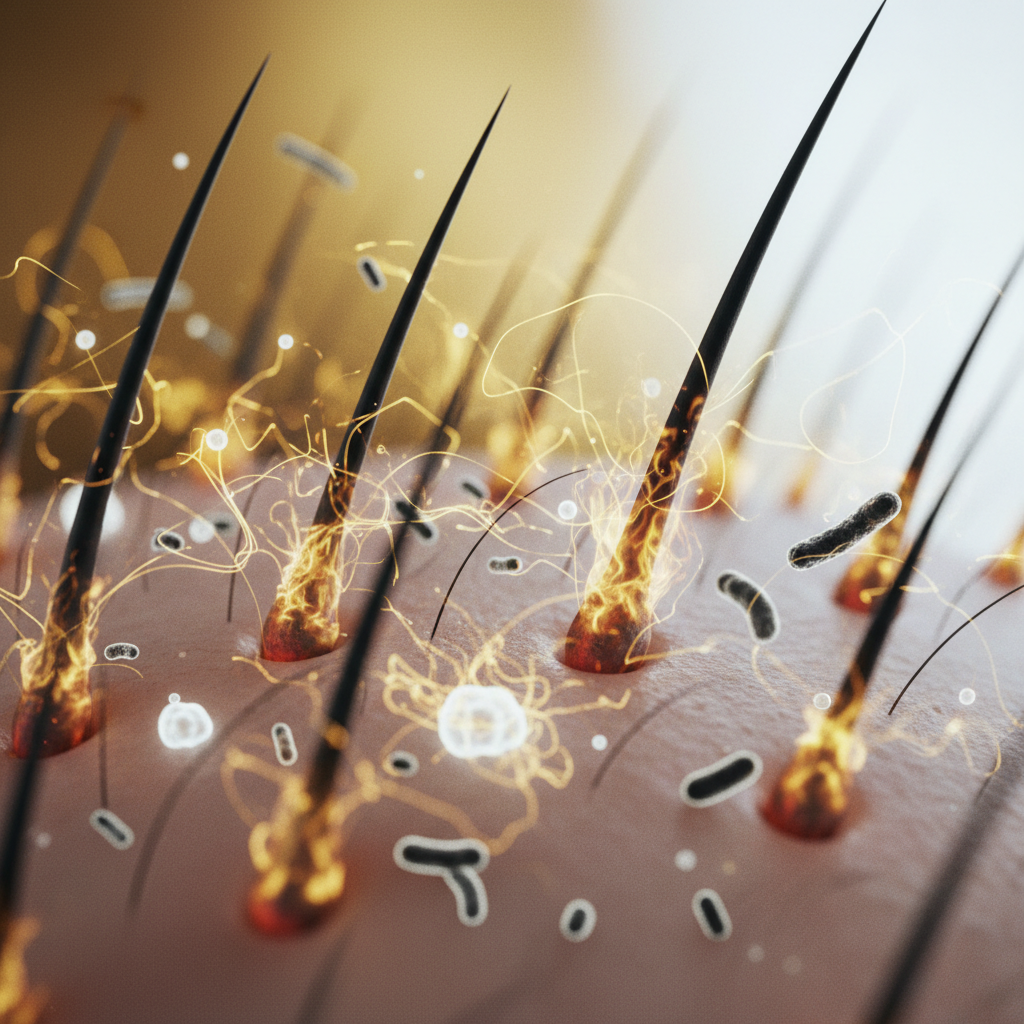
- Infundibular Occlusion: The follicle neck (infundibulum) becomes narrowed or blocked by hyperkeratinisation or foreign lipids.
- Microbial Overgrowth: Commensal microbes (Cutibacterium acnes, Staphylococcus epidermidis) or opportunistic pathogens multiply rapidly within the trapped sebum.
- Chemotaxis and Inflammation: Microbial enzymes and metabolites damage the follicular epithelium. The innate immune system responds by releasing pro-inflammatory cytokines (such as IL-1 alpha), recruiting neutrophils to the site.
- Pustule Formation: Neutrophil accumulation within the follicular ostium leads to visible erythema, swelling, and classic small, yellow-tipped pustules.
If the inflammatory process remains confined to the upper follicular infundibulum (superficial folliculitis), recovery is rapid without tissue scarring. However, if inflammation breaches the deep follicle wall into the dermis, it can destroy the follicular stem cells located in the bulge region, leading to irreversible follicle loss.
Identifying the signs: folliculitis vs lookalike scalp conditions
Diagnosing scalp folliculitis requires distinguishing it from other common dermatological issues.
| Scalp Condition | Primary Appearance | Primary Cause | Itch vs Pain Level | Risk of Scarring |
|---|---|---|---|---|
| Superficial Folliculitis | Small pustules centred around hair shafts, red halo | S. Aureus, Malassezia, friction | Moderate itch, mild tenderness | Negligible |
| Folliculitis Decalvans | Expanding crops of pustules, "tufted" hairs, crusting | Neutrophilic inflammatory cascade | High pain, throbbing, itch | High (cicatricial alopecia) |
| Seborrhoeic Dermatitis | Greasy, yellowish flakes, patchy erythema | Malassezia overgrowth, sebum excess | High itch, rarely tender | None |
| Scalp Acne | Comedones, papules, cysts, often along hairline | Follicular occlusion, C. Acnes | Low itch, moderate tenderness | Low to moderate |
| Scalp Psoriasis | Well-demarcated silvery scales, thick red plaques | Autoimmune hyperproliferation | Variable itch, rarely painful | None (temporary shedding only) |
Practical care strategies for a healthy scalp
Managing mild flare-ups and preventing recurrence involves structured adjustments to your routine.
Cleanse with purpose
Wash your hair regularly, particularly after heavy sweating. Sweating raises skin pH and fosters bacterial growth. Use warm, not hot, water and a balanced clarifying shampoo containing proven clarifying and balancing ingredients such as salicylic acid, piroctone olamine, or tea tree oil. Leave the lather on your scalp for two to three minutes before rinsing to allow the active agents contact time.
Eliminate occlusive products
Stop applying thick pomades, natural butters (like shea butter), and pure cooking or carrier oils directly to the scalp skin. These ingredients coat the follicle neck and exacerbate yeast-driven folliculitis. Keep conditioners and styling serums confined to the mid-lengths and ends of your hair strands.
Disinfect personal items
Pillowcases, hats, headbands, helmets, and hairbrushes harbour bacteria and fungi. Wash pillowcases every two to three days in hot water (at least 60°C). Regularly clean hair tools with antiseptic wash or mild detergent, and never share combs or headwear.
Hands off
Avoid picking, squeezing, or scratching follicular pustules. Rupturing lesions manually forces bacteria deeper into dermal layers, increasing the risk of secondary infection and permanent scarring.
Supporting the scalp environment with Watermans
When managing daily hygiene, selecting non-comedogenic, nutrient-rich products is essential. The Watermans collection, including the Grow Me Shampoo and Condition Me Conditioner, is developed with scalp environment vitality in mind.
Grow Me Shampoo incorporates rosemary, biotin, caffeine, and niacinamide within an invigorating formulation that cleanses away debris, excess sebum, and residual build-up without stripping away natural moisture. Coupled with a lightweight, non-greasy approach to follicle nourishment, this routine keeps the scalp environment fresh, balanced, and receptive to optimal hair vitality.
When to seek medical advice
You should consult a GP or dermatologist if:
- Lesions do not improve within seven to ten days of targeted antiseptic washing.
- The bumps are intensely painful, warm to the touch, or coalesce into larger carbuncles.
- You notice crusting, weeping, or tufts of several hairs emerging from a single opening.
- You observe patches of hair thinning or bare spots developing around the pustules.
- You experience systemic symptoms like fever, swollen lymph nodes, or general malaise.
Medical providers can perform a bacterial or fungal culture to pinpoint the exact pathogen and prescribe targeted oral or topical treatments, such as clindamycin, fluconazole, or specialised anti-inflammatory therapies.
Frequently asked questions about Folliculitis Scalp Causes and Care
What is the most effective approach to Folliculitis Scalp Causes and Care at home?
The most effective home approach combines daily cleansing using an anti-microbial or clarifying shampoo with complete cessation of occlusive scalp oils and waxes. Wash pillowcases frequently at 60°C, avoid scratching, and allow the scalp to breathe by minimising tight headwear until symptoms resolve.
Can scalp folliculitis cause permanent hair loss?
Superficial folliculitis rarely causes permanent hair loss. Hair shedding that occurs during an outbreak is usually temporary telogen effluvium resulting from local inflammation. However, deep or scarring forms, such as folliculitis decalvans, can permanently destroy hair follicles if not treated promptly with clinical therapies.
How do I know if my scalp bumps are acne or folliculitis?
Scalp acne typically features closed or open comedones (whiteheads and blackheads) alongside inflammatory papules, often clustered along the hairline. Folliculitis lesions are distinctly centred on individual hair shafts, usually present as tiny pustules with a surrounding red ring, and tend to itch or sting rather than ache like deep cystic acne.
Does sweating worsen scalp folliculitis?
Yes, sweat alters the scalp surface pH, increases humidity, and creates an optimal environment for bacteria and yeasts like Malassezia to multiply. Friction from sweaty hats or headbands exacerbates the problem. Always rinse and cleanse your scalp promptly following intense exercise.
Summary
Navigating Folliculitis Scalp Causes and Care comes down to understanding the delicate relationship between skin flora, sebum regulation, and mechanical friction. By avoiding heavy pore-blocking products, cleansing regularly with pH-appropriate balancing ingredients, and seeking timely clinical care if inflammation spreads, you can protect your scalp barrier and support healthy hair growth for years to come.
Sources and references
- British Association of Dermatologists: Folliculitis Clinical Information Guidelines, 2022.
- NHS: Folliculitis Causes, Symptoms, and Management, 2023.
- Journal of the American Academy of Dermatology: Diagnosis and Treatment of Scalp Folliculitis, 2020.
- National Institute for Health and Care Excellence (NICE): Boils, Carbuncles, and Staphylococcal Folliculitis Clinical Knowledge Summary, 2021.
- International Journal of Trichology: Evaluation and Management of Follicular Inflammatory Scalp Disorders, 2019.
Find these ingredients in Watermans products
- Niacinamide: you will find this ingredient in our Hair Mask.
- Shea Butter: you will find this ingredient in our Curly Hair Conditioner.