Folliculitis Care Guide: Identifying and Managing Inflamed Follicles
8 min read ·
An evidence-based Folliculitis Care Guide explaining how to identify, calm, and manage inflamed hair follicles safely without damaging the scalp barrier.
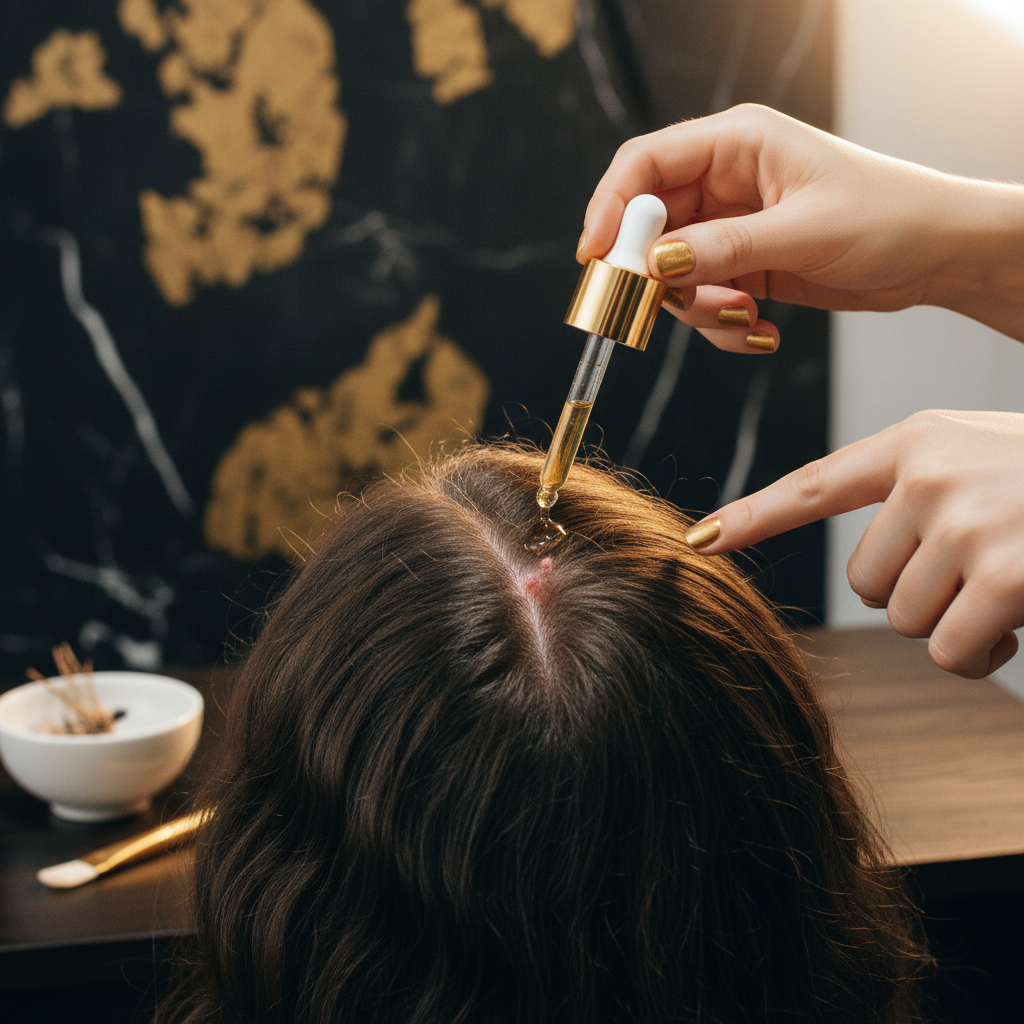
Quick answer: This Folliculitis Care Guide explains how to soothe and manage inflammation of the hair follicles on the scalp and body. Folliculitis is an inflammatory condition triggered by bacterial, fungal, or physical irritation. Effective care centres on keeping the skin clean, avoiding mechanical friction, using antimicrobial washes, and supporting the skin barrier. However, cosmetics and hygiene measures support recovery rather than cure deep bacterial infections, which require targeted medical treatment from a GP or dermatologist.
Key takeaways
- Folliculitis is the inflammation of one or more hair follicles, commonly presenting as tender, red bumps or pustules.
- The most frequent triggers are bacterial invasion (often Staphylococcus aureus), fungal overgrowth (Malassezia), and physical friction or shaving.
- Hygiene, warm compresses, and gentle antimicrobial cleansers manage mild superficial cases effectively.
- Picking, scratching, or applying heavy cosmetic oils blocks follicles and worsens inflammation.
- Severe, spreading, or recurrent pustules require formal clinical diagnosis and prescription therapy to prevent permanent scarring alopecia.
Folliculitis Care Guide: what the evidence shows
Clinical dermatology categorises folliculitis by the depth of follicular involvement and the causative organism. Superficial folliculitis affects only the upper part of the follicle (the infundibulum), while deep folliculitis involves the entire follicular unit and can progress to painful furuncles or scarring.
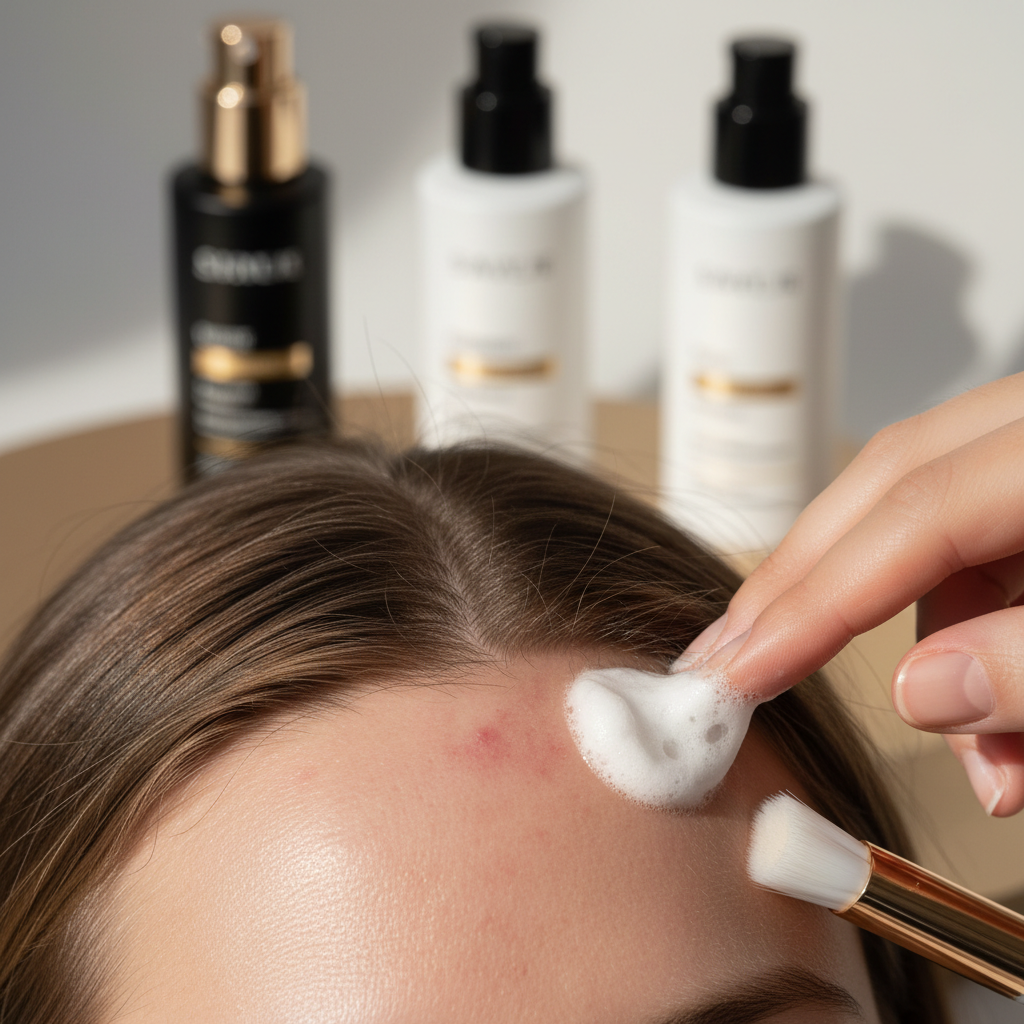
Peer-reviewed clinical guidelines from the British Association of Dermatologists and the NHS confirm that most superficial cases resolve with conservative hygiene measures and mild topical antimicrobials within 7 to 14 days. Mild bacterial forms respond well to chlorhexidine or benzoyl peroxide washes. Fungal folliculitis (pityrosporum folliculitis) responds to topical antifungals such as ketoconazole, which reduce Malassezia yeast populations on sebum-rich areas of the scalp and chest.
Research highlights that maintaining an acidic skin mantle (around pH 4.5 to 5.5) creates an inhospitable environment for opportunistic pathogens while preserving normal skin microbiota. Gentle cleansing with pH-balanced surfactants reduces microbial load without stripping protective surface lipids.
What the evidence does not show
Controlled research does not support the idea that cosmetic shampoos, natural essential oils, or scalp scrubs can cure deep-seated or systemic follicular infections. While tea tree oil possesses documented in vitro antimicrobial properties, clinical trials show variable results on human skin, and undiluted essential oils frequently cause allergic contact dermatitis that mimics or exacerbates folliculitis.
Furthermore, folliculitis is not caused by poor personal hygiene alone. It often affects individuals with active, athletic lifestyles due to heat, sweat, and occlusive sportswear. Eliminating all oils and moisture from your routine is also counterproductive; over-stripping the skin impairs barrier function, allowing opportunistic bacteria to penetrate more easily.
Biological mechanisms of follicular inflammation
Every hair follicle sits in the dermis, surrounded by blood vessels, nerve endings, and a sebaceous gland that secretes sebum to lubricate the hair shaft. Folliculitis develops when this delicate follicular canal is disrupted through three primary pathways:
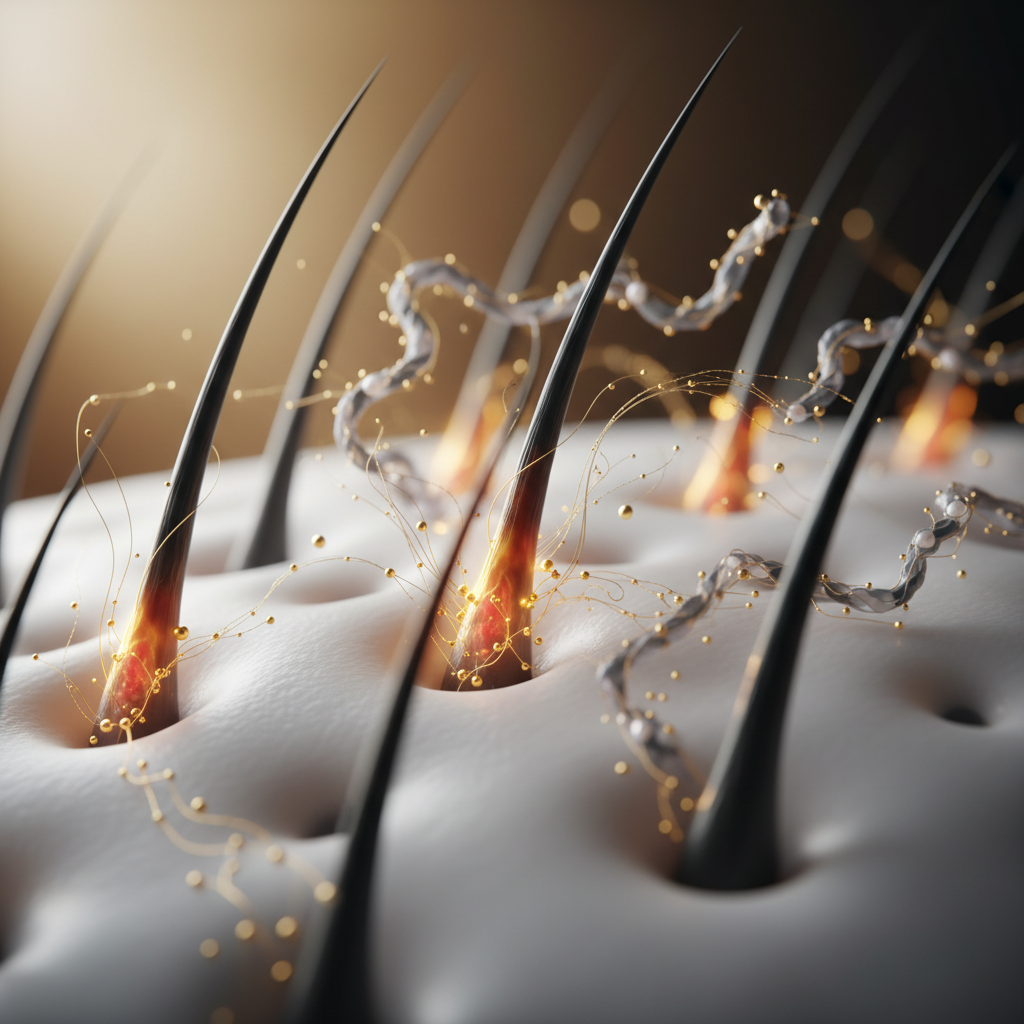
- Microbial overgrowth: Pathogens colonise the follicular opening. Staphylococcus aureus is the primary bacterial culprit. Yeasts from the Malassezia genus feed on sebum lipids, producing free fatty acids that irritate the follicular epithelium.
- Mechanical occlusion and trauma: Tight clothing, headwear, shaving against the grain, or heavy comedogenic waxes trap sweat and sebum. This creates an anaerobic, warm environment where microbes proliferate.
- Impaired barrier integrity: When the skin surface is abraded or chemical barriers are disrupted, the immune system floods the follicle with neutrophils and inflammatory cytokines, creating visible erythema, swelling, and purulent exudate (pus).
Signs and symptoms to look for
Identifying follicular inflammation early prevents progression to deeper tissues. Look for:
- Small, red clusters of papules centred around hair follicles.
- Pus-filled pustules with a hair shaft emerging from the centre.
- Scalp tenderness, burning sensations, or intense itching.
- Crusts that form after pustules rupture.
- Painful, hard nodules beneath the skin (indicating progression to a furuncle or boil).
Folliculitis on the scalp can be distinguished from general acne because every lesion clearly aligns with an individual hair follicle, rather than appearing across open skin pores.
Practical steps: what you can do at home
Managing mild, superficial flare-ups requires a calm, consistent approach that eliminates friction and lowers pathogen counts.
- Apply warm compresses: Soak a clean flannel in warm water and press it to the affected area for 10 to 15 minutes, three times daily. This increases local blood flow and promotes natural drainage.
- Switch to gentle, antimicrobial cleansers: Use a non-comedogenic shampoo or wash containing ingredients such as zinc pyrithione, piroctone olamine, or diluted chlorhexidine. Leave it on the skin for 3 to 5 minutes before rinsing thoroughly.
- Stop shaving the area: Shaving shears the follicular rim and introduces microbes. If you must shave, use a clean electric trimmer that leaves short stubble rather than a close wet razor.
- Avoid heavy oils and waxes: Mineral oils, coconut oil, and thick hair waxes act as physical plugs. Replace them with lightweight, water-based hydrators.
- Wash headwear and pillowcases frequently: Wash items in contact with your scalp at 60 degrees Celsius to eliminate residual bacterial and fungal spores.
- Dry skin thoroughly: Change out of sweaty clothing immediately after exercise. Excess moisture softens the stratum corneum, making it vulnerable to invasion.
Folliculitis versus lookalike scalp conditions
Because red scalp bumps can stem from multiple dermatological issues, accurate differentiation is critical for appropriate care.
| Condition | Primary Cause | Typical Appearance | Key Identifying Feature |
|---|---|---|---|
| Bacterial Folliculitis | Staphylococcus aureus | Red papules with yellow pus heads | Pustules centred directly on hair shafts; tender |
| Pityrosporum Folliculitis | Malassezia yeast overgrowth | Uniform, itchy, pinhead papules | Common along hairline, chest, upper back; intensely itchy |
| Seborrhoeic Dermatitis | Yeast reaction plus sebum excess | Greasy, yellowish flakes on red skin | Diffuse patches rather than isolated follicular pustules |
| Pseudofolliculitis Barbae | Ingrown hairs from shaving | Inflamed, firm bumps, often hyperpigmented | Curved hair growing back into the skin; non-infectious initially |
| Folliculitis Decalvans | Chronic inflammatory neutrophilic state | Expanding patches with pustules and tufted hairs | Leads to permanent follicular destruction and scarring |
When the cause may be something else
If pustules do not improve within a fortnight, or if they spread into larger, coalescing masses, the underlying issue may not be common superficial folliculitis. Pseudofolliculitis barbae, frequently seen in individuals with curly or afro-textured hair, stems from curved hair tips piercing the skin rather than a primary infection.
Scalp conditions like folliculitis decalvans or dissecting cellulitis are chronic, destructive disorders. These mimic simple folliculitis in their earliest stages but lead to irreversible cicatricial (scarring) alopecia if left untreated. Chronic inflammation destroys the stem cells located in the follicular bulge, permanently extinguishing the follicle's ability to produce new hair fibres.
When to seek medical advice
Consult a GP, dermatologist, or qualified trichologist immediately if you notice:
- Spreading redness, heat, or systemic signs like fever and malaise.
- Bumps that become intensely painful, fluctuant, or swollen like boils.
- Hair shedding or hair loss in the areas surrounding the lesions.
- Pustules that produce crusting tufts, where multiple hairs emerge from a single dilated pore.
- No improvement after two weeks of basic hygiene adjustments and antiseptic washes.
Prescription oral antibiotics (such as flucloxacillin or lymecycline), oral antifungals, or specialised topical clindamycin lotions may be required to clear the infection.
Supportive care with Watermans
When recovering from mild scalp discomfort, maintaining a balanced, clean scalp environment supports the natural barrier. Watermans focuses on non-greasy formulations that cleanse the scalp effectively without leaving heavy, pore-clogging residues.
Products like Watermans Grow Me Shampoo incorporate ingredients such as biotin, rosemary, and niacinamide alongside gentle surfactants. These help clear away daily grime, excess sebum, and flaky debris without stripping the scalp's moisture barrier. Watermans Groom More Elixir delivers lightweight, water-based hydration directly to the scalp roots. Using lightweight formulations prevents the pore clogging often caused by conventional heavy hair oils, keeping the scalp refreshed and receptive to healthy growth.
Frequently asked questions about Folliculitis Care Guide
Can hair grow back after a bout of folliculitis?
Yes, hair generally regrows normally after superficial folliculitis once the inflammation subsides. Hair shedding may temporarily increase due to local stress on the follicle, but the follicle remains alive. However, deep or scarring forms of folliculitis can destroy the hair bulb, causing permanent follicular hair loss.
How often should I wash my hair if I have scalp folliculitis?
Most dermatologists recommend washing your hair daily or every other day during a flare-up. Frequent washing removes excess sebum, dead skin cells, and microbial build-up that feed the condition. Use a gentle, pH-balanced cleanser and avoid scrubbing vigorously with your fingernails.
Does this Folliculitis Care Guide recommend natural oils like coconut or olive oil?
No, this Folliculitis Care Guide advises against applying heavy natural oils during an active flare-up. Coconut and olive oils are occlusive and can trap bacteria against the skin. Furthermore, lipid-rich oils provide an abundant food source for Malassezia yeasts, which can worsen fungal forms of folliculitis.
Is scalp folliculitis contagious to others?
Most common forms of folliculitis are not readily contagious through casual contact. The bacteria and yeasts responsible naturally live on human skin. However, sharing unwashed towels, pillows, hats, or razors can transfer organisms or irritate compromised skin, so personal items should remain strictly separate.
Summary
Folliculitis is a common and treatable inflammatory condition that responds best to swift, gentle intervention. By focusing on non-comedogenic scalp hygiene, avoiding mechanical friction, and using targeted antimicrobial washes, you protect the follicular environment and prevent minor irritation from becoming a stubborn issue. When symptoms resist home care or show signs of deeper infection, professional clinical treatment ensures your scalp remains healthy and your follicles stay protected.
Sources and references
- British Association of Dermatologists. Folliculitis: Patient Information Leaflet. 2022.
- National Health Service (NHS). Folliculitis overview and management. 2023.
- Luelmo-Aguilar, J., & Santandreu, M. Z. Folliculitis: recognition and management. American Journal of Clinical Dermatology, 2004.
- Chovatiya, R. Pityrosporum Folliculitis: A Review of Clinical Presentation, Diagnosis, and Management. Journal of the American Academy of Dermatology, 2021.
- Guidance on the management of bacterial skin infections. National Institute for Health and Care Excellence (NICE), Clinical Knowledge Summaries. 2023.
Find these ingredients in Watermans products
- Zinc: you will find this ingredient in our Hair Vitamins.
- Niacinamide: you will find this ingredient in our Hair Mask.