Factors Affecting Hair Growth
5 min read ·
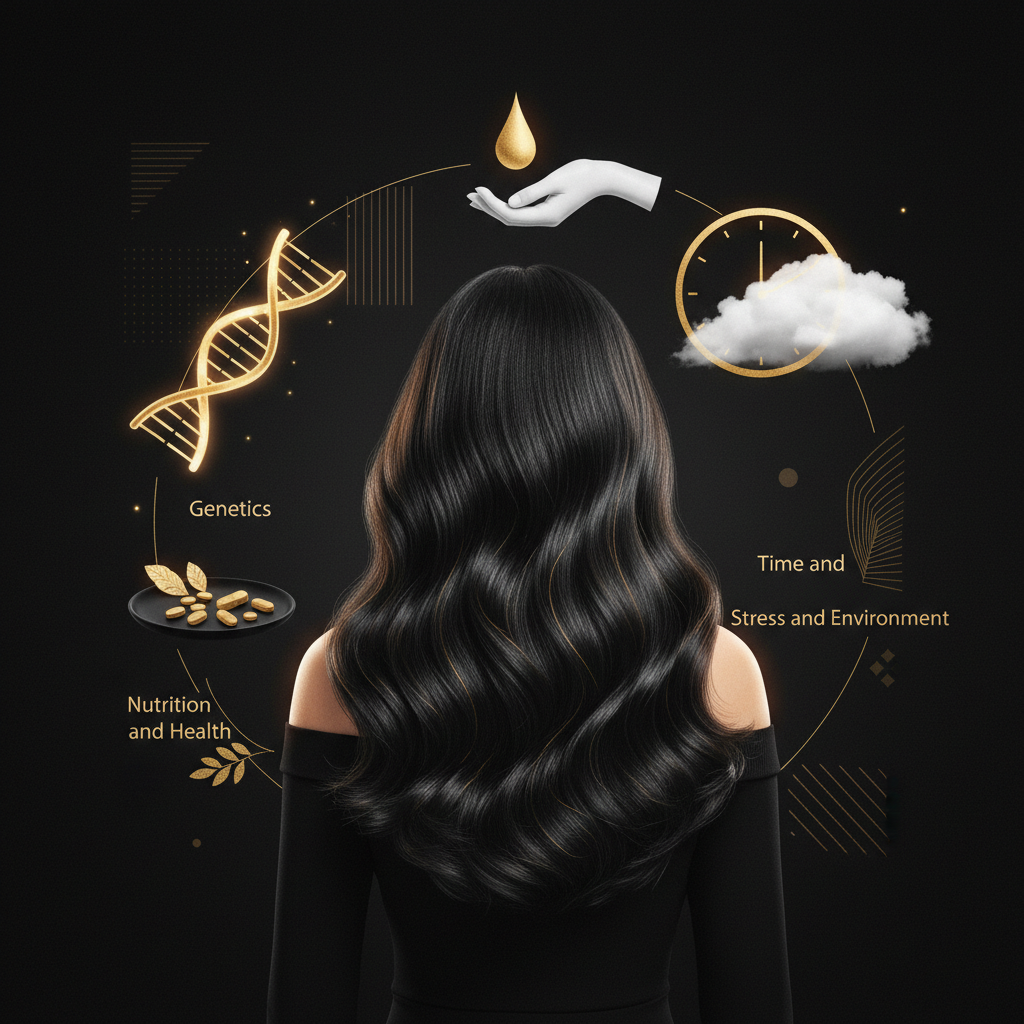
Hair growth is a complex biological process influenced by a multitude of internal and external factors, ranging from genetics and hormones to nutrition and environmental stressors.
The Hair Growth Cycle
To understand the factors influencing hair growth, it is essential to first grasp the basic hair growth cycle. This cycle consists of three primary phases:
- Anagen (Growth Phase): This is the active growth phase, during which hair follicles produce new hair cells and the hair strand lengthens. The duration of the anagen phase varies greatly among individuals, lasting anywhere from two to seven years. The length of this phase determines the maximum length a person's hair can achieve.
- Catagen (Transition Phase): A short transitional phase lasting approximately two to three weeks. During catagen, the hair follicle shrinks, detaches from the dermal papilla (the structure at the base of the follicle that supplies nutrients), and hair growth stops.
- Telogen (Resting Phase): This phase lasts for about two to four months. The hair remains in the follicle, but no new growth occurs. At the end of the telogen phase, the hair sheds, and the follicle re-enters the anagen phase to begin growing a new hair.
A smaller, lesser-known phase, Exogen, is sometimes included as part of telogen. This is the shedding phase, where old hairs are released from the follicle.
Internal Factors
Internal factors play a significant role in determining the health and rate of hair growth.
Genetics
Genetics are arguably the most influential factor. Traits such as hair colour, texture, thickness, density, and growth rate are largely inherited. Genetic predisposition can also influence the likelihood of conditions like androgenetic alopecia (pattern hair loss), determining the sensitivity of hair follicles to androgens.
Hormones
Hormones act as chemical messengers that regulate various bodily functions, including hair growth.
- Androgens: Hormones like testosterone and dihydrotestosterone (DHT) are crucial. While they promote hair growth in some areas of the body, high levels of DHT can paradoxically shrink hair follicles on the scalp in individuals genetically predisposed to androgenetic alopecia, leading to thinning and hair loss.
- Thyroid Hormones: Both an overactive (hyperthyroidism) and underactive (hypothyroidism) thyroid can disrupt the hair growth cycle, causing diffuse hair shedding.
- Estrogens and Progesterone: These female hormones can extend the anagen phase, leading to thicker, fuller hair, which is often observed during pregnancy. A decrease in these hormones, such as during menopause, can lead to hair thinning.
Age
As individuals age, the duration of the anagen phase tends to shorten, and the hair follicles may produce finer, less pigmented hair. The number of active hair follicles can also decrease over time, leading to reduced hair density.
Underlying Health Conditions
Various systemic health issues can impact hair growth:
- Autoimmune Diseases: Conditions like alopecia areata, lupus, and Hashimoto's thyroiditis can cause the immune system to mistakenly attack hair follicles, leading to hair loss.
- Nutrient Deficiencies: Deficiencies in essential vitamins and minerals, such as iron, zinc, biotin, and vitamins D and B complex, can impair hair follicle function and growth.
- Stress: Chronic physical or emotional stress can push a significant number of hair follicles prematurely into the telogen phase, resulting in widespread hair shedding known as telogen effluvium.
External Factors
Beyond internal biological processes, environmental and external influences also contribute to hair health and growth.
Nutrition and Diet
A balanced diet rich in proteins, vitamins, and minerals is fundamental for healthy hair growth. Hair is primarily composed of protein (keratin), so adequate protein intake is essential. Key nutrients include:
- Protein: Lean meats, fish, eggs, legumes, nuts.
- Iron: Red meat, spinach, lentils. Crucial for oxygen transport to hair follicles.
- Zinc: Oysters, beef, pumpkin seeds. Essential for cell division and growth.
- Biotin (Vitamin B7): Eggs, nuts, sweet potatoes. Contributes to keratin infrastructure.
- Vitamin D: Fatty fish, fortified foods, sunlight. Plays a role in hair follicle cycling.
- Omega-3 Fatty Acids: Salmon, flaxseeds, walnuts. Support scalp health.
Hair Care Practices
How hair is treated externally can significantly affect its integrity and rate of breakage, indirectly impacting perceived growth.
- Over-processing: Frequent chemical treatments like colouring, bleaching, perming, and relaxing can damage the hair shaft, leading to breakage and split ends. This damage does not directly stop growth from the follicle but can make hair appear shorter or thinner.
- Heat Styling: Excessive use of heat styling tools (flat irons, curling irons, blow dryers) without proper heat protection can degrade the hair's protein structure, causing brittleness and breakage.
- Tight Hairstyles: Constant pulling on hair from tight ponytails, braids, or extensions can lead to traction alopecia, a form of hair loss caused by repetitive stress on the follicles.
- Washing Frequency and Products: Gentle cleansing with a sulfate-free shampoo and regular conditioning helps maintain scalp health and minimise breakage. Products with ingredients like caffeine, biotin, and rosemary oil may support a healthy scalp environment.
Environmental Factors
- Pollution: Exposure to environmental pollutants can lead to oxidative stress on the scalp and hair, potentially damaging hair follicles and inhibiting growth.
- UV Radiation: Prolonged exposure to ultraviolet (UV) radiation from the sun can weaken the hair shaft, making it dry, brittle, and prone to breakage.
- Climate: Extreme weather conditions, such as very dry air or high humidity, can affect hair's moisture balance and overall health.
Conclusion
Hair growth is a dynamic process influenced by a complex interplay of genetic predispositions, hormonal balance, nutritional intake, underlying health, and daily hair care practices. While genetics set a baseline, many factors are modifiable, offering opportunities to support optimal hair health and growth. Understanding these influences empowers individuals to make informed choices that contribute to maintaining vibrant, healthy hair.
Find these ingredients in Watermans products
- Biotin, you will find this ingredient in our Hair Growth Shampoo.
- Zinc, you will find this ingredient in our Hair Vitamins.