Dry Shampoo: An Evidence-Based Guide to Its Use and Effects
8 min read ·
Dry Shampoo is a cosmetic product designed to absorb excess oil from hair and scalp, offering a temporary refresh without water, though it's not a substitute for washing.
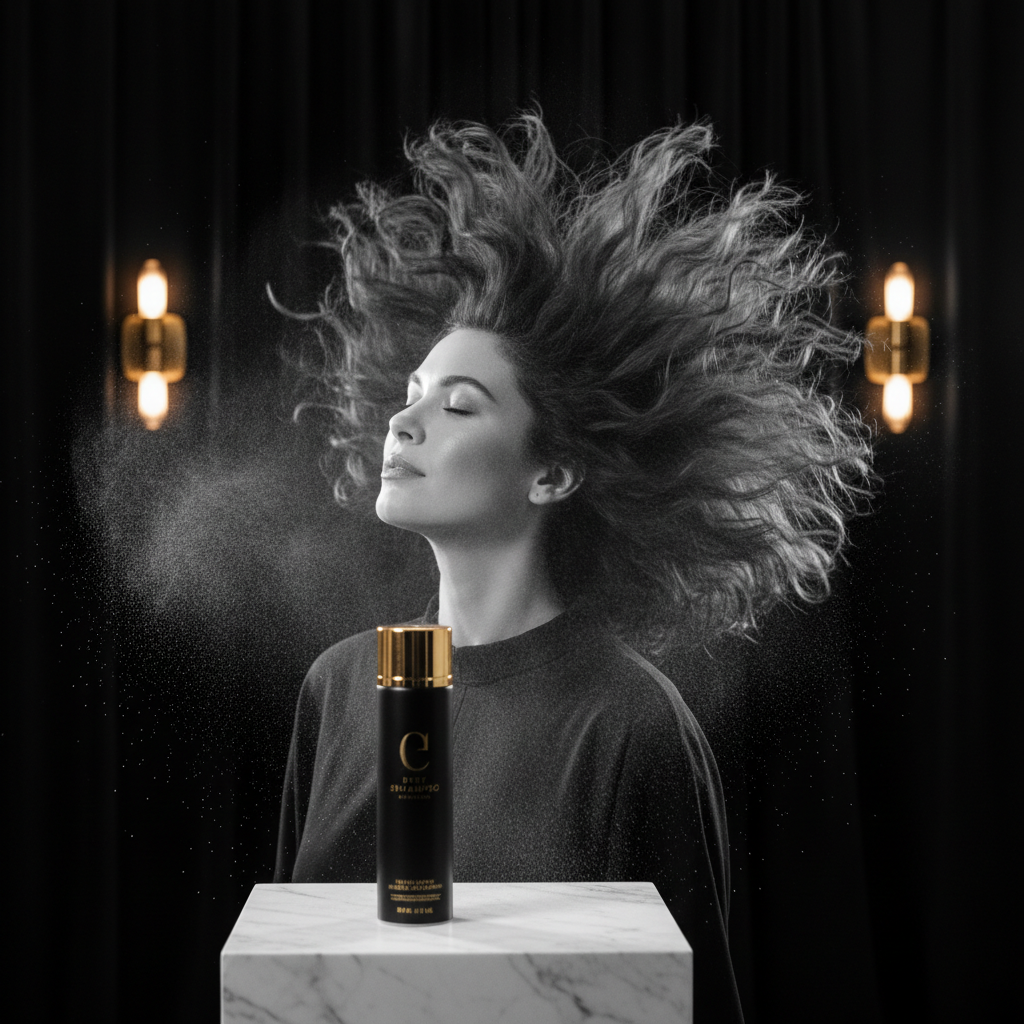
Quick answer: Dry Shampoo is a cosmetic product that uses absorbent particles to soak up excess oil, dirt, and product residue from the hair and scalp, providing a temporary refreshed appearance and feel without the need for water. While effective for extending time between washes, it's important to recognise Dry Shampoo as a styling aid and not a replacement for regular wet cleansing to maintain scalp health and prevent build-up.
Key takeaways
- Dry Shampoo works by absorbing sebum and other residues, making hair look and feel cleaner temporarily.
- It can extend the time between wet washes, offer convenience, and add cosmetic volume.
- It is not a substitute for regular wet washing, which is essential for scalp hygiene and removing build-up.
- Overuse or improper application may lead to scalp irritation, dryness, or a dull appearance.
- Choose formulations suitable for your hair colour and type, and always wash your hair thoroughly after a few applications.
- If scalp irritation or hair shedding occurs, discontinue use and consult a healthcare professional.
Dry Shampoo: what the evidence shows
Dry Shampoo is a popular hair care product designed to absorb excess oils, dirt, and product build-up from the hair and scalp, providing a refreshed look without the need for water. Its primary function is cosmetic: to reduce the appearance of greasiness and give hair a temporarily cleaner feel. It typically comes in aerosol spray or powder form.
The effectiveness of Dry Shampoo stems from its core ingredients: absorbent materials such as starches (e.g., rice, corn, tapioca), silica, or clays (e.g., kaolin, bentonite). These finely milled powders have a large surface area, allowing them to bind to and soak up sebum (the natural oil produced by the sebaceous glands on the scalp) and other impurities. When applied, these particles adhere to the hair shaft and scalp, physically absorbing oils. This process reduces shine, restores some volume, and can help to mask odours, making the hair appear less greasy and more manageable. Some formulations also contain fragrances to enhance this effect.
Research indicates that Dry Shampoo can be a useful tool for managing hair oiliness between washes. A study published in the Journal of Cosmetic Dermatology (2014) on the efficacy of cleansing methods found that dry cleansing agents could significantly reduce hair greasiness. However, it's crucial to understand that Dry Shampoo does not cleanse the hair or scalp in the same way that a traditional shampoo and water wash does. It does not remove bacteria, dead skin cells, or completely eliminate environmental pollutants. Instead, it temporarily masks the signs of oiliness.
Benefits of using Dry Shampoo
For many, Dry Shampoo offers practical advantages:
- Extends Time Between Washes: For individuals with an oily scalp, or those seeking to preserve hair colour (as frequent wet washing can accelerate fading), Dry Shampoo can extend the interval between traditional washes. This can also reduce exposure to heat styling. For more on managing oily scalps, see "Oily Scalp Care: Understanding and Managing Excess Sebum".
- Adds Cosmetic Volume and Texture: The powdery residue left by Dry Shampoo can lift hair at the roots, providing a temporary boost in volume and texture. This can be particularly beneficial for "Fine Hair: A Complete Guide to Understanding and Care".
- Convenience: It provides a quick solution for refreshing hair when time is limited, during travel, or after physical activity when a wet wash isn't immediately possible.
- Colour Preservation: Less frequent wet shampooing can help to slow the fading of chemically treated hair colour, as water and traditional shampoos can strip colour molecules. For more details, consult "Maintaining Colour-Treated Hair: A Guide to Longevity and Health".
Potential drawbacks and considerations
Despite its benefits, Dry Shampoo is not a replacement for regular wet washing and can lead to issues if overused or improperly applied:
- Scalp Build-up: The absorbent particles, combined with absorbed sebum, dead skin cells, and environmental pollutants, can accumulate on the scalp. This build-up can lead to irritation, itching, and may create an environment less conducive to healthy hair growth. Clogged follicles are a concern with persistent build-up. Regular clarifying washes are important to address this; see "How to Do a Clarifying Wash: A Guide to Deep Hair Cleansing".
- Hair Dryness and Dullness: While designed to absorb oil, some formulations, especially those containing alcohol or used excessively, can lead to dryness of the hair shaft. This is particularly relevant for those with already dry or damaged hair. The residue can also make hair appear dull, particularly on darker hair colours if not thoroughly brushed out.
- Follicle Irritation: Chronic build-up can potentially irritate hair follicles, leading to inflammation. While there is no strong evidence directly linking Dry Shampoo use to hair loss (alopecia), prolonged irritation and an unhealthy scalp environment are generally not beneficial for hair health. Hair shedding (telogen effluvium) caused by scalp irritation can occur, but this is distinct from hair loss caused by follicular damage.
- Fragrance Sensitivity: Many Dry Shampoos contain fragrances, which can be irritating for individuals with sensitive scalps or allergies. For information on soothing ingredients, see "Anti-inflammatory Ingredients: Soothing Your Scalp for Healthier Hair".
Dry Shampoo: How to use it effectively
To maximise the benefits and minimise potential drawbacks, proper application is key:
- Shake Well: Ensure the product is well mixed before use.
- Section Hair: Lift sections of hair to expose the roots where oil tends to accumulate most.
- Spray/Apply from a Distance: Hold aerosol cans about 15 to 20 cm (6 to 8 inches) away from the scalp to ensure even distribution and prevent oversaturation. For powders, sprinkle lightly.
- Focus on Roots: Concentrate the product on the oiliest areas of the scalp and roots, not the mid-lengths or ends of the hair, unless they also feel oily.
- Allow to Absorb: Let the product sit for a few minutes (e.g., 2 to 5 minutes) to allow the absorbents time to work.
- Massage and Brush: Gently massage the product into the scalp with your fingertips, then brush through your hair with a wide-tooth comb or brush to distribute the product and remove excess residue. This helps to avoid a white cast, especially on dark hair.
When to avoid or reduce Dry Shampoo use
While convenient, there are times when it's best to limit or avoid Dry Shampoo:
- Existing Scalp Conditions: If you have conditions like psoriasis, eczema, or seborrheic dermatitis, Dry Shampoo can exacerbate irritation and build-up. Consult a dermatologist for advice.
- Daily Use: Relying on Dry Shampoo daily for extended periods can lead to significant scalp build-up. Aim to use it for no more than 2 to 3 consecutive days, and always follow with a thorough wet wash.
- Noticeable Residue: If your hair feels gritty or you can see significant white residue even after brushing, it's a sign to wash your hair properly.
- Itching or Irritation: Any persistent itching, redness, or discomfort on the scalp should prompt you to stop using Dry Shampoo and perform a thorough wash. If symptoms persist, seek medical advice.
| Feature | Dry Shampoo | Traditional Wet Shampoo |
|---|---|---|
| Mechanism | Absorbs surface oils, dirt, residue | Lifts and removes oils, dirt, residue, dead skin cells |
| Cleansing | Cosmetic (removes visible oil) | Deep (removes oil, dirt, bacteria, product build-up) |
| Water Use | None required | Essential for lathering and rinsing |
| Frequency | 2-3 times between wet washes | As needed, typically 2-4 times a week |
| Scalp Health | Can contribute to build-up if overused | Essential for maintaining scalp hygiene |
| Hair Benefits | Extends freshness, adds volume, preserves colour | Deep cleanses, moisturises, treats specific concerns |
Frequently asked questions about Dry Shampoo
Does Dry Shampoo cause hair loss?
No, Dry Shampoo does not directly cause hair loss (alopecia). Hair loss is typically related to follicular issues or underlying health conditions. However, excessive build-up from overuse can irritate the scalp, potentially leading to increased hair shedding (telogen effluvium) or breakage of the hair shaft due to a less healthy scalp environment. This shedding is usually temporary once the scalp health is restored.
How often should I use Dry Shampoo?
Dry Shampoo is best used sparingly, typically for 1 to 2 days between regular wet washes. It's not intended for daily, long-term use as it doesn't cleanse the scalp. After a few applications, a thorough wash with traditional shampoo and water is essential to remove any accumulated product, sebum, and dead skin cells, helping to maintain scalp health.
Can Dry Shampoo make my hair dry or dull?
Yes, overuse of Dry Shampoo or certain formulations can potentially make your hair feel dry, especially on the mid-lengths and ends if the product spreads beyond the roots. The powdery residue can also make hair appear dull, particularly on darker shades, if not thoroughly brushed out. Always ensure you select a product suitable for your hair type and colour.
Is Dry Shampoo bad for your scalp?
Dry Shampoo isn't inherently bad for your scalp when used correctly and in moderation. However, if used too often or if insufficient wet washing occurs, it can lead to a build-up of product, oil, and dead skin cells. This build-up can clog follicles, potentially causing itching, irritation, or flaking, which compromises overall scalp health. Regular wet washing is critical.
What ingredients should I look for in a good Dry Shampoo?
Look for absorbent ingredients like rice starch, corn starch, or tapioca starch, which effectively soak up excess oil. Some formulations also include silica or clay for additional absorption. For sensitive scalps, consider fragrance-free options. Ingredients that can soothe the scalp, such as some plant extracts, might also be beneficial, but the primary function remains oil absorption.
Conclusion
Dry Shampoo serves as a convenient cosmetic solution for managing oily hair between traditional washes, offering a temporary refresh and adding cosmetic volume. Its ability to absorb excess sebum can be particularly beneficial for extending styling, preserving hair colour, and providing a quick fix when time or facilities are limited. However, it is crucial to remember that Dry Shampoo is not a substitute for regular, thorough wet cleansing. Maintaining good scalp hygiene with shampoo and water remains fundamental for overall hair and scalp health, preventing product build-up and potential irritation. Used judiciously, Dry Shampoo can be a valuable addition to a balanced hair care routine.
Sources and references
- American Academy of Dermatology Association (AAD), Hair Loss: Diagnosis and Treatment
- British Association of Dermatologists (BAD), Hair Loss Information
- Journal of Cosmetic Dermatology, A controlled study of the effects of different cleansing methods on hair shaft properties and scalp condition, 2014
- National Health Service (NHS), Hair loss
- NHS, Dandruff