Fine Hair: A Complete Guide to Understanding and Care
9 min read ·
This complete guide offers evidence-based insights into fine hair, distinguishing it from thinning and providing practical care strategies to enhance its health and appearance.
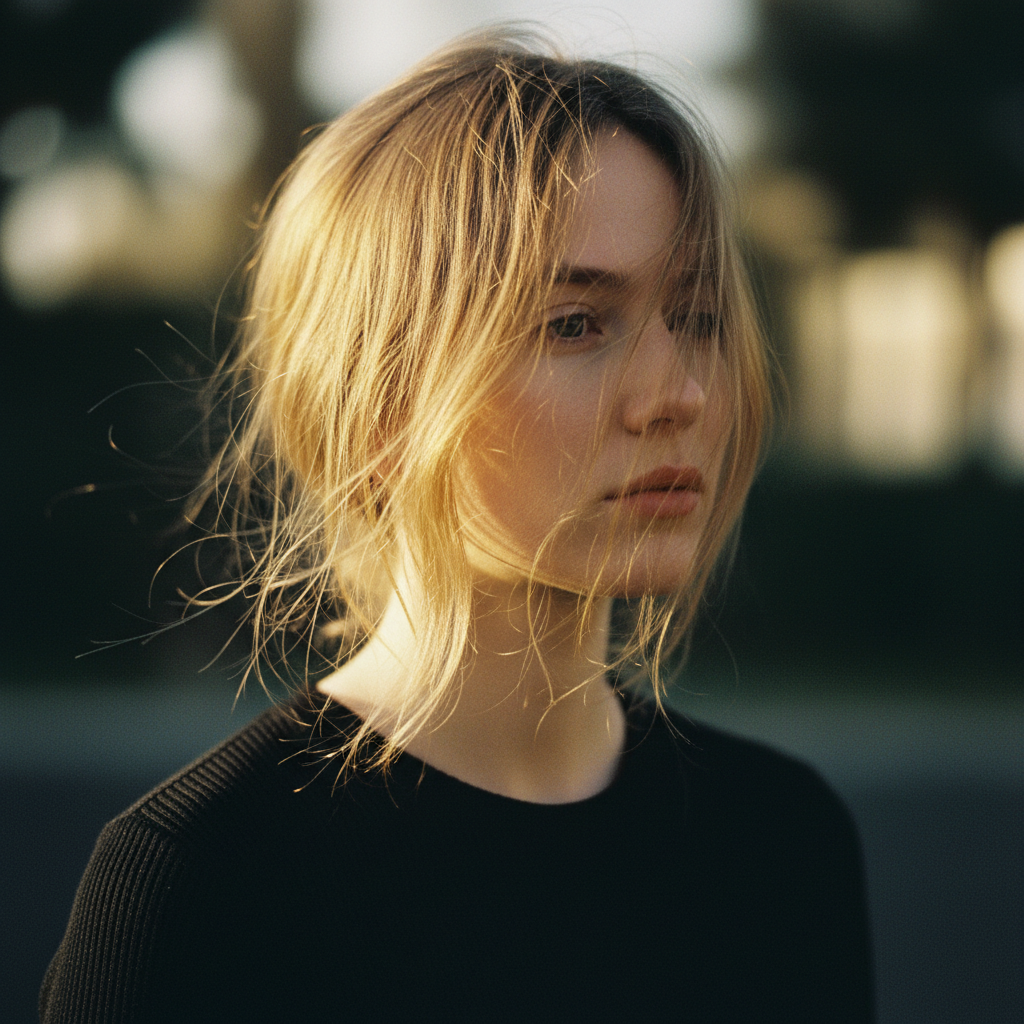
Quick answer: Fine hair is defined by the narrow diameter of individual hair strands, not the quantity of hair on your head. This unique structure makes it delicate and prone to breakage, often struggling to hold volume. This complete guide provides comprehensive, evidence-based advice for understanding and managing fine hair, focusing on care strategies to maximise its health and appearance. The primary limitation is that hair diameter is largely genetic, so while structural change is not possible, its condition can be significantly improved through proper care.
Key takeaways
- Fine hair is characterised by the small diameter of individual strands, making it inherently delicate and more susceptible to damage.
- Its internal structure, often featuring a thinner cortex and sometimes lacking a medulla, contributes to its fragility and tendency to lie flat.
- Effective care for fine hair prioritises gentle cleansing, strategic, lightweight conditioning, and avoiding heavy products or excessive heat styling.
- Specific cosmetic ingredients, such as hydrolysed proteins and panthenol, can temporarily enhance strength and volume without weighing hair down.
- It is crucial to distinguish naturally fine hair from hair thinning or hair loss, which may indicate underlying health concerns.
- Understanding fine hair involves dispelling common myths, such as the idea that conditioners are unnecessary or that daily washing increases oiliness.
Fine hair: a complete guide: what the evidence shows
Fine hair describes a hair type where the individual hair strands have a small diameter. This means the width of each hair fibre is narrower compared to medium or coarse hair types. It's important to distinguish this from hair density, which refers to the number of hair strands per square centimetre of the scalp. You can have high density fine hair (many fine strands) or low density fine hair, just as with any other hair diameter. The delicate nature of fine hair means it is typically more susceptible to breakage and often struggles to hold volume.
The mechanism behind fine hair
Your hair diameter is largely determined by genetics, with some influence from age and nutrition. Each hair strand grows from a hair follicle, which is a small organ in the scalp. The size and shape of this follicle largely dictate the thickness of the hair fibre it produces. Follicles that produce fine hair are typically smaller in diameter than those producing medium or coarse hair.
Internally, the structure of fine hair also plays a crucial role in its characteristics:
- Cortex: This is the primary structural component of the hair strand, providing its strength, elasticity, and colour. In fine hair, the cortex is generally thinner and may contain fewer cortical cells. This reduced mass makes the hair inherently less strong and more prone to damage compared to thicker hair types.
- Medulla: The innermost layer of the hair shaft, the medulla, is often absent or discontinuous in fine hair. While its exact function is not fully understood, its reduced presence may contribute to the delicate nature of fine hair.
- Cuticle: The outermost protective layer, the cuticle, consists of overlapping scale-like cells. In fine hair, these scales can be less numerous or less tightly packed, potentially offering less protection against external stressors.
These structural differences mean fine hair has less material, making it more flexible but also more vulnerable to environmental factors, chemical treatments, and physical stress. For further reading on the hair's outer layer, see "Understanding Hair Damage".
Signs of fine hair
Identifying fine hair involves observing how individual strands behave and feel:
- Texture: An individual strand of fine hair feels almost imperceptible or very delicate when rolled between your fingertips. It lacks the noticeable texture of medium or coarse hair.
- Transparency: When held up against light, a single strand of fine hair may appear somewhat translucent.
- Volume and Body: It often appears soft and silky but can easily fall flat, struggle to hold styles, or become weighed down by products or natural oils. You might notice a natural lack of volume or bounce.
- Fragility: Fine hair is typically more prone to breakage, especially when wet, brushed vigorously, or subjected to heat styling. You might notice more short, broken pieces of hair rather than whole strands.
- Drying Time: Fine hair often dries more quickly than other hair types because it has less mass to absorb and hold water.
What you can do: optimal care for fine hair
Caring for fine hair focuses on maintaining its health, preventing breakage, and enhancing its natural body without overloading it. The aim is to strengthen the fibre and create the cosmetic appearance of fullness.
Cleansing routines
Regular cleansing is important for fine hair, often every 1 to 2 days, to prevent the build-up of natural oils (sebum) and styling products. Fine hair can quickly appear greasy and flat when weighed down by build-up. Opt for lightweight, gentle shampoos, sometimes labelled as "volumising" or "clarifying". Harsh surfactants can strip the scalp and hair, potentially leading to increased oil production to compensate. For more information, explore "Choosing the Right Shampoo for Your Hair Type".
Conditioning techniques
Conditioning is essential to moisturise and detangle fine hair, reducing friction and breakage. However, the application technique is key. Use lightweight conditioners and apply them primarily to the mid-lengths and ends of the hair, avoiding direct application to the scalp. Leave the conditioner on for the minimum recommended time, typically 1 to 2 minutes, then rinse thoroughly with cool water to help seal the hair's cuticle. Heavy formulations can easily weigh fine hair down, making it appear limp. For further insights, see "Choosing the Right Hair Conditioner".
Drying and styling
Whenever possible, air-dry fine hair to minimise heat exposure. If blow-drying is necessary, use the lowest heat setting and a diffuser attachment to disperse the heat and reduce direct stress on the hair. Gently blot wet hair with a microfibre towel instead of rubbing, which can cause friction and breakage. When styling, choose lightweight products such as volumising mousses, root lifters, or texture sprays. Avoid heavy creams, waxes, and serums that can make fine hair appear greasy or limp. Always use a heat protectant when heat styling. More advice can be found in "Heat Styling Safety Best Practices".
Ingredients to consider and avoid for fine hair
| Ingredient Category | Seek Out | Limit or Avoid |
|---|---|---|
| Strengthening | Hydrolysed Proteins (e.g., wheat, rice, soy): These temporarily deposit protein fragments into the hair cuticle, adding body and a cosmetic sense of strength. | Overuse of heavy protein treatments: While beneficial in moderation, excessive use can make hair stiff and brittle, increasing breakage. |
| Moisturising | Panthenol (Provitamin B5): A humectant that attracts moisture, improving elasticity and shine without weighing hair down. | Heavy Butters/Oils (e.g., unrefined shea butter, coconut oil in high concentrations): These can easily weigh fine hair down and appear greasy. |
| Volume/Texture | Lightweight Polymers/Resins: These create a thin film around the hair, adding body, hold, and the cosmetic illusion of thickness. | Mineral Oil/Petroleum: These form a heavy film that can coat the hair, potentially preventing moisture absorption and leaving a greasy residue. |
| Protection | Water-soluble Silicones (e.g., PEG-modified dimethicone): These provide light conditioning and frizz control, and rinse out easily with shampoo. | Heavy, insoluble Silicones (e.g., dimethicone, cyclomethicone): These can build up on fine hair, leading to flatness, dullness, and difficulty in cleansing. |
When the cause may be something else and when to get professional advice
While fine hair is primarily a genetic characteristic, it's important to distinguish it from hair thinning or hair loss, which can be caused by various underlying conditions. If you notice a sudden or significant change in your hair's thickness, density, or texture, it may not simply be "fine hair". These changes could indicate an underlying issue that requires professional assessment. Your hairdresser can offer initial observations, but for medical concerns, a healthcare professional is best placed to advise.
Consider seeking advice if you experience:
- Increased Hair Shedding: Noticing significantly more hairs than usual in your brush, shower, or pillow. This can be a sign of conditions like telogen effluvium.
- Visible Scalp: Your scalp becoming increasingly visible, particularly at the crown or hairline, suggesting a reduction in hair density.
- Changes in Hairline: A receding hairline or widening parting can be an indicator of certain types of alopecia.
- Patchy Hair Loss: Clearly defined areas of hair loss, which might point to conditions such as alopecia areata.
- Scalp Irritation: Persistent itching, redness, flaking, or pain on the scalp, which could affect hair health.
These symptoms warrant consultation with a GP or a dermatologist to determine the cause and appropriate management. They can rule out medical conditions, nutritional deficiencies, or hormonal imbalances that might be affecting your hair.
Frequently asked questions about Fine hair: a complete guide
Can fine hair become thick?
No, the diameter of your individual hair strands, which defines fine hair, is primarily determined by genetics and cannot be permanently changed. While cosmetic products can temporarily coat the hair shaft to create the appearance of thickness and volume, they do not alter the hair's natural structure. Focusing on improving hair health and using appropriate styling techniques can maximise the look and feel of your fine hair.
Does fine hair need conditioner?
Yes, fine hair absolutely needs conditioner. Many people mistakenly believe conditioner will weigh down fine hair, but it's essential for providing moisture, reducing friction, and preventing breakage. The key is to use lightweight formulas and apply them correctly: focus on the mid-lengths and ends, avoiding the scalp. This ensures your hair receives necessary hydration and protection without feeling heavy or greasy.
Is daily washing bad for fine hair?
For many with fine hair, daily washing is beneficial. Fine hair tends to get oily more quickly because the smaller diameter means fewer fibres are needed to cover the scalp, and thus, natural oils (sebum) spread more easily, making hair appear greasy and limp. Using a gentle, volumising shampoo daily can help remove oil and product build-up without stripping the hair, keeping it fresh and full. See "Oily Scalp Care: Understanding and Managing Excess Sebum" for more information.
How can I make my fine hair look fuller?
To make fine hair look fuller, focus on lightweight products and strategic styling. Use volumising shampoos and conditioners, apply root-lifting sprays or mousses, and consider a haircut with layers or blunt ends to create the illusion of density. Blow-drying upside down or with a round brush can add lift. Avoid heavy oils and serums that can weigh hair down. Regular trims also help remove dry ends, making hair appear healthier and bouncier.
What's the difference between fine hair and thinning hair?
Fine hair refers to the natural, small diameter of each individual hair strand. Thinning hair, however, describes a reduction in the overall number of hair strands (hair density) on the scalp, leading to less coverage and visible scalp. While fine hair can be genetically thin (low density), thinning hair implies a loss of hair that was once denser. Thinning can be caused by various factors, including genetics, stress, diet, or medical conditions, and often warrants professional advice.
Conclusion
Understanding fine hair as a distinct hair type, defined by the narrow diameter of its individual strands, is the first step towards effective care. This comprehensive guide, "Fine hair: a complete guide," highlights that while its inherent delicacy cannot be changed, its health, appearance, and manageability can be significantly enhanced through targeted product choices, gentle handling, and appropriate styling techniques. By distinguishing fine hair from hair loss or thinning, you can address its unique needs proactively, ensuring your hair looks and feels its best.
Sources and references
- American Academy of Dermatology Association, "Hair loss: Diagnosis and treatment", 2023, aad.org
- Journal of Cosmetic Dermatology, "Hair structure and the properties of different ethnic hair types", 2007
- PubMed Central, "The Biology of Hair Follicles", 2007, ncbi.nlm.nih.gov
- The National Health Service (NHS), "Hair loss", 2023, nhs.uk
Find these ingredients in Watermans products
- Shea Butter — you will find this ingredient in our Curly Hair Conditioner.