Hair Volume Techniques: Achieving Fuller-Looking Hair with Evidence-Based Methods
11 min read ·
Exploring Hair Volume Techniques provides insights into methods and products that can enhance the appearance of fullness, addressing the common desire for thicker, more voluminous-looking hair.
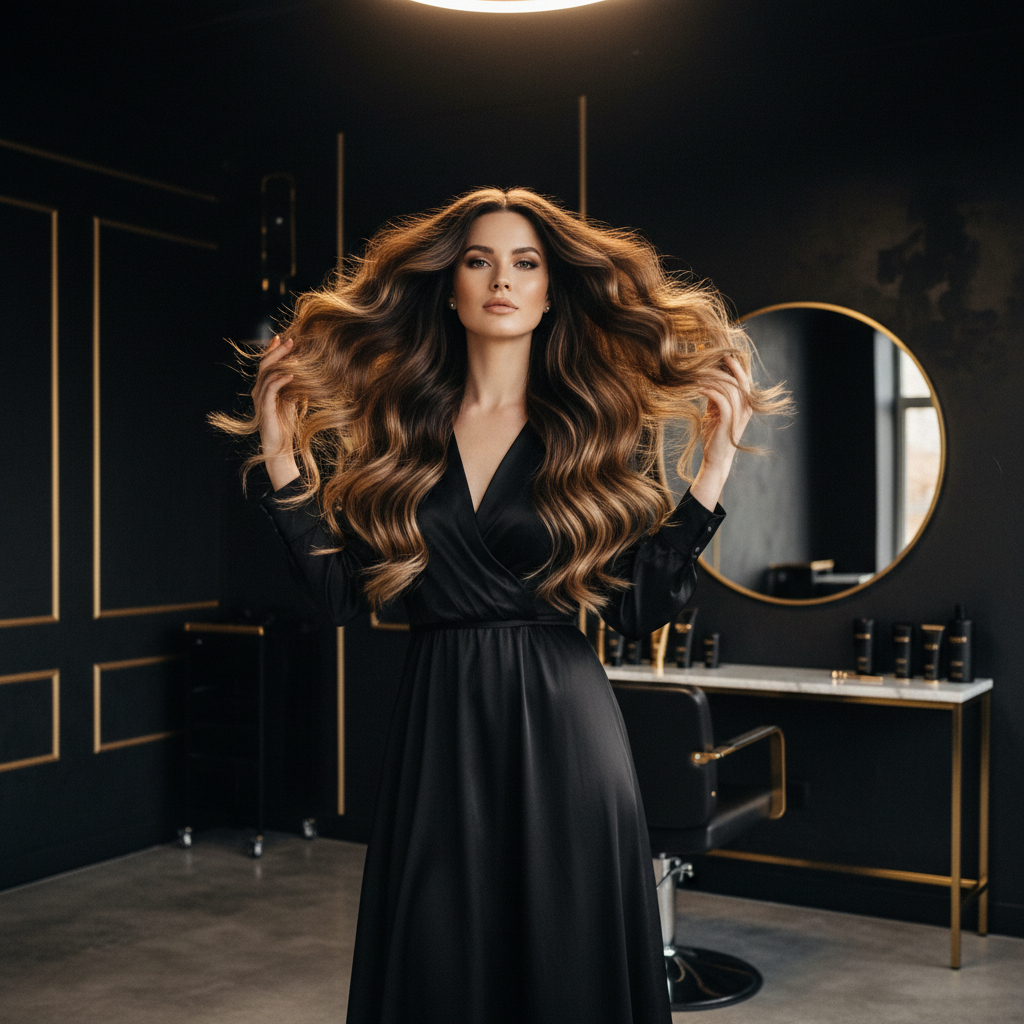
Quick answer: Hair Volume Techniques are various cosmetic approaches, ranging from specific styling methods and product choices to targeted cutting techniques, designed to make hair appear fuller and more lifted from the scalp. While these techniques can significantly enhance the visual body and density of your hair, they do not change the number of hair follicles or the diameter of individual hair strands determined by genetics.
Key takeaways
- Appearance of fullness: Hair Volume Techniques focus on creating the illusion of thicker, more abundant hair through styling and product use, rather than increasing actual hair density.
- Root lift is key: Many effective techniques aim to lift hair away from the scalp, preventing it from lying flat and enhancing overall body.
- Product selection matters: Lightweight volumising products, often containing film-forming polymers, can provide temporary support without weighing hair down.
- Gentle handling: Techniques like backcombing or heat styling, while effective, require careful execution to avoid mechanical damage or heat damage to the hair fibre.
- Healthy scalp, healthy hair: A clean, balanced scalp and strong, well-conditioned hair are foundational for hair that can hold volume.
Hair Volume Techniques: what the evidence shows
Hair volume refers to the visual perception of fullness and density. It is influenced by several factors, including the number of hair strands on the scalp (density), the thickness of individual strands (texture), and the extent to which hair stands away from the scalp. While genetic predisposition largely determines natural hair density and texture, specific Hair Volume Techniques can enhance the appearance of body and lift. These techniques generally work by increasing friction between hair fibres, adding structural support, or manipulating the hair's position relative to the scalp.
The mechanism of volume creation
At its core, achieving cosmetic hair volume involves creating space. This space can be between individual hair strands, making the overall mass appear larger, or between the hair and the scalp, providing root lift. Hair, especially fine hair, can easily succumb to gravity, oil, and product build-up, leading to a flat appearance. Techniques that counteract these forces are effective for increasing perceived volume.
Hair strands are composed of keratin proteins. The outermost layer, the cuticle, consists of overlapping scales. For hair to appear voluminous, the cuticle needs to be healthy but also amenable to temporary manipulation. Some products contain ingredients like hydrolysed wheat protein or lupin protein, which can temporarily strengthen the hair fibre, making it less prone to collapse and potentially more receptive to styling for volume. These proteins can deposit on the hair, providing a temporary plumping or stiffening effect.
Products and their action:
- Film-forming polymers: Many volumising sprays, mousses, and gels contain polymers that create a thin film around the hair shaft. This film can stiffen the hair, providing structural support and increasing the diameter of individual strands, making them less likely to clump together and more likely to stand away from the scalp. Examples include PVP (polyvinylpyrrolidone) and VP/VA copolymer.
- Lightweight emollients: Conditioners designed for volume often use lighter conditioning agents that moisturise without depositing heavy residues, which can weigh hair down. Over-conditioning, especially near the roots, can counteract efforts to build volume.
- Starches and powders: Some texturising sprays and dry shampoos contain fine powders (e.g., rice starch, tapioca starch) that absorb excess oil and create friction between hair strands, lifting them from the scalp and adding texture. This increased friction prevents hair from clumping together, enhancing the appearance of volume.
Hair Volume Techniques: What works and what to consider
1. Proper cleansing and conditioning
A clean scalp and hair are fundamental for achieving volume. Excess sebum, environmental pollutants, and product residue can weigh hair down, making it appear flat and lifeless. A clarifying wash, used periodically, can remove build-up that accumulates over time, restoring hair's natural bounce and lightness. Gentle, sulphate-free shampoos can cleanse effectively without stripping the hair of essential moisture, which could otherwise lead to dryness and breakage. For a deeper clean, learn more in "How to Do a Clarifying Wash: A Guide to Deep Hair Cleansing".
Volumising conditioners are formulated to provide adequate moisture and detangling without heavy oils or butters that can flatten fine or thin hair. Applying conditioner primarily to the mid-lengths and ends, avoiding direct application to the roots, helps maintain lift at the scalp. The "Science of Conditioners: How Hair Care Formulations Work" provides more insight into how these products function.
2. Root lift products and styling aids
These products are specifically designed to provide structural support at the hair root or to create texture throughout the hair, making it appear fuller.
- Volumising mousses: Applied to damp hair before blow-drying, mousses provide flexible hold and body. They often contain polymers that coat the hair, creating a fuller feel.
- Root lift sprays: These are targeted sprays applied directly to the roots. They typically contain stronger polymers that, when activated by heat, stiffen the hair at the base, creating noticeable lift.
- Texturising sprays/powders: Applied to dry hair, these products add grip and friction between hair strands, preventing them from lying flat. They can be particularly effective for creating an undone, voluminous look. However, overuse can lead to a gritty feel or build-up.
3. Strategic blow-drying and heat styling
Blow-drying is a crucial Hair Volume Technique. By directing airflow, you can physically lift hair at the roots and set it in that position as it dries.
- Upside-down drying: Tipping your head upside down and directing heat towards the roots encourages maximum lift by defying gravity during the drying process.
- Round brushing: Using a round brush to lift sections of hair at the roots while blow-drying can create significant volume and smooth finishes. The tension from the brush helps to stretch and set the hair cuticle in a lifted position.
- Cool shot: Finishing a blow-dry with a blast of cool air helps to set the style and close the hair cuticle, locking in the volume and adding shine. For more on protecting your hair during styling, see "Heat Styling Safety Best Practices".
4. Backcombing (teasing)
Backcombing involves gently pushing hair towards the scalp using a fine-tooth comb, creating a cushion of tangled hair at the roots. This physical bulk provides immediate and significant volume. When done correctly, by taking small sections and gently teasing only the under-layers, it can be an effective technique. However, aggressive or frequent backcombing can cause mechanical damage, leading to cuticle disruption and potential breakage. It's important to smooth the top layer of hair over the teased sections for a polished look and to always detangle gently afterwards.
5. Hair rollers
Both hot and cold rollers can create volume by lifting the hair from the root and imparting a bend or curl. Larger rollers generally create more volume and softer waves, while smaller rollers yield tighter curls. Rollers provide a more even and sustained lift compared to some other methods. Applying a setting lotion or volumising spray before rolling can enhance the hold and longevity of the volume. For heat-free options, Velcro or foam rollers can be applied to damp or dry hair and left to set.
6. Haircuts and layering
A skilled stylist can use cutting techniques to enhance the appearance of volume. Layers, particularly around the crown, can remove weight from the hair, allowing shorter sections to support longer ones and creating the illusion of fullness. Blunt cuts can make fine hair appear thicker at the ends, while precision cuts can add movement and body. Consult with a professional stylist who understands hair texture and growth patterns to determine the most suitable cut for your hair type.
What the evidence does not show
It is important to distinguish between cosmetic enhancements to hair volume and treatments for hair loss (alopecia) or hair shedding. Hair Volume Techniques aim to create the appearance of more hair or more body; they do not increase the number of hair follicles, generate new hair growth, or permanently alter the diameter of existing hair strands. Claims that certain products can "grow" volume are often misleading; they typically refer to ingredients that coat the hair fibre, making it feel thicker, or support its structure to appear fuller. Genuine hair growth or increased hair density requires addressing underlying biological factors, which fall outside the scope of cosmetic Hair Volume Techniques.
When the cause may be something else
If you experience a sudden or significant reduction in hair volume that cannot be explained by styling habits or product use, it may be a sign of an underlying issue. Conditions that can lead to reduced hair volume include:
- Hair shedding (telogen effluvium): Stress, illness, hormonal changes, or nutritional deficiencies can cause a temporary increase in hair shedding, leading to a noticeable reduction in overall hair density. This is hair actively leaving the follicle.
- Hair thinning (androgenic alopecia): This genetic condition, more common in men but also affecting women, involves a progressive miniaturisation of hair follicles, leading to finer, shorter hairs and reduced density over time.
- Hair breakage: Damage from chemical treatments, excessive heat styling, or harsh mechanical handling can cause hair strands to snap along the shaft. While not true hair loss, severe breakage reduces the overall mass and length of hair, making it appear thinner and less voluminous. Learn more about "Hair Damage: Causes, Signs, and Solutions".
- Nutritional deficiencies: A lack of essential vitamins and minerals (e.g., iron, vitamin D, zinc, biotin) can impact hair health and growth, potentially contributing to thinner-looking hair.
- Scalp conditions: Inflammatory scalp conditions, excessive sebum production (oily scalp), or dandruff can impair healthy hair growth and weigh hair down, diminishing volume. Explore "Understanding Scalp Health: A Foundation for Thriving Hair" for more information.
If you are concerned about persistent hair thinning, shedding, or a significant loss of volume, it's advisable to seek professional medical advice.
Professional advice
If you're experiencing ongoing or severe hair thinning, shedding, or a noticeable lack of volume that doesn't respond to cosmetic Hair Volume Techniques, consult a dermatologist or trichologist. These specialists can diagnose underlying medical conditions, such as alopecia or nutritional deficiencies, and recommend appropriate treatments. They can also provide guidance on managing scalp health and preserving hair integrity.
Frequently asked questions about Hair Volume Techniques
Can hair volume products cause build-up?
Yes, many volumising products, especially those containing polymers, can contribute to product build-up on the hair and scalp over time. This build-up can paradoxically weigh hair down, reducing volume and making hair look dull. Regular clarifying washes can help remove this residue and maintain the effectiveness of your Hair Volume Techniques. You can also look for products designed to be lightweight.
Do hair volume techniques work on fine hair?
Absolutely. Fine hair, due to its smaller diameter, often benefits significantly from Hair Volume Techniques. Products that coat the hair shaft to increase its apparent thickness, or styling methods that lift the hair from the roots, are particularly effective for creating the illusion of fullness in fine hair. The challenge is finding products that add support without being too heavy.
How often should I use volumising shampoo?
There's no one-size-fits-all answer, as it depends on your hair type and how quickly your scalp produces oil. If you have an oily scalp, you might wash more frequently. Generally, a volumising shampoo can be used every time you wash your hair, as long as it's gentle and doesn't strip your hair. Listen to your hair; if it feels dry or tangled, you might need to alternate with a moisturising shampoo or reduce frequency.
Is backcombing damaging for hair?
Backcombing, or teasing, can cause mechanical damage if done aggressively or too frequently. It works by disrupting the cuticle layers, which can lead to friction, breakage, and frizz. However, when done gently, on dry hair, and focusing only on the under-layers of hair, it can be a quick and effective way to achieve temporary volume. Always use a gentle hand and a suitable comb.
Can diet affect hair volume?
Yes, a balanced diet rich in essential nutrients is crucial for overall hair health, including its ability to grow strong and appear full. Deficiencies in proteins, iron, zinc, and vitamins (like B vitamins and vitamin D) can affect hair growth cycles and strand strength, potentially leading to thinner-looking or less voluminous hair. Consuming a varied diet supports healthy hair from within.
Creating lasting fullness with Hair Volume Techniques
Achieving and maintaining the appearance of fuller hair involves a combination of appropriate products, careful styling, and foundational hair health practices. While Hair Volume Techniques offer effective cosmetic solutions for immediate lift and body, they work best when supported by a healthy scalp and strong hair fibres. Understanding the mechanisms behind these techniques allows you to choose methods that enhance your hair's natural beauty without causing undue stress or damage. For optimal results, ensure your hair is properly cleansed, conditioned, and protected, allowing it to hold volume effectively.
Watermans and Hair Volume Techniques
For those seeking to maximise the appearance of volume, Watermans offers products formulated to support hair health and create the impression of fullness. Our GrowMe® Shampoo and ConditionMe® Conditioner are designed to gently cleanse and moisturise, aiming to avoid heavy residue that can weigh hair down. GrowMe® Shampoo contains hydrolysed lupin protein, which can help strengthen the hair fibre, making it feel thicker and more resilient to hold volume. The lightweight formulation of both products is intended to leave hair feeling clean, soft, and prepared for styling that maximises lift and body. Used as part of a regular hair care routine, they can contribute to hair that looks and feels more voluminous.
Sources and references
- American Academy of Dermatology Association, "Hair loss: Diagnosis and treatment", Ongoing.
- British Association of Dermatologists, "Hair loss", Ongoing.
- Giacomoni, N. Et al. (2018). The Science of Hair Care. Springer International Publishing. (For general hair science and product mechanisms).
- NHS, "Hair loss", Ongoing.
- Olsen, E.A. (2009). Disorders of Hair Growth: Diagnosis and Treatment. McGraw-Hill Professional. (For understanding hair growth and loss).
- ScienceDirect, "Hair Volume", Ongoing. (For technical definitions and mechanisms of volume).
- The Trichological Society, "Hair & Scalp Problems: Hair Thinning", Ongoing.
- Willey, A. (2020). Hair: A Cultural History. Reaktion Books. (For historical context of hair and beauty standards).
- Yu, J., et al. (2016). Cosmetic Science and Technology. Wiley-Blackwell. (For polymer science in hair products and styling aids).
Find these ingredients in Watermans products
- Zinc: you will find this ingredient in our Hair Vitamins.
- Wheat Amino Acids: you will find this ingredient in our Heat Protection Spray.