Dr Dennis Gross Bio Rejuvenation Serum: Mechanism and Reality
8 min read ·
Explore the science behind the Dr Dennis gross bio rejuvenation serum, its role in skin and scalp barrier support, biological mechanisms, and real limitations.
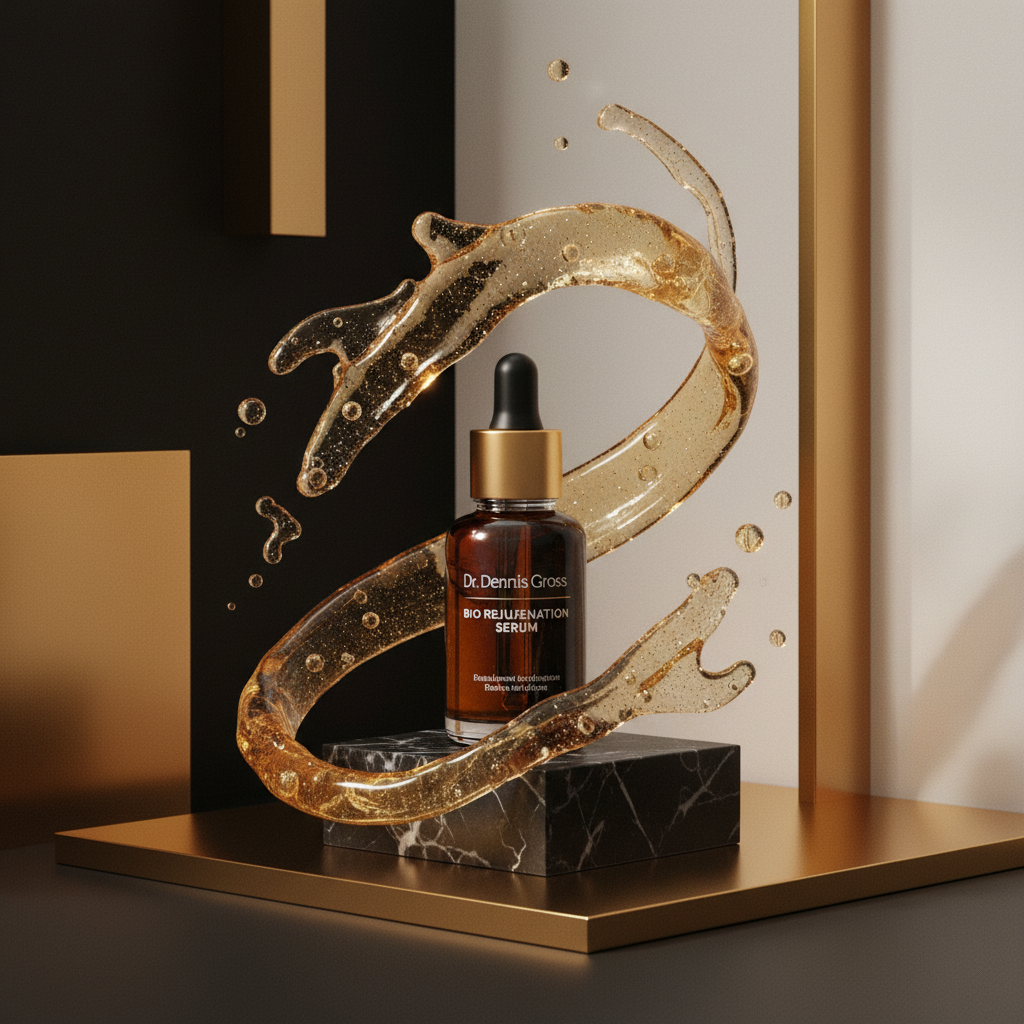
Quick answer: The Dr Dennis gross bio rejuvenation serum refers to topical peptide and cellular renewal formulations designed to support tissue recovery and surface renewal. In the context of cosmetic scalp and skin wellness, these bio-restorative complexes combine targeted peptides, antioxidants, and humectants to improve surface hydration and reinforce barrier function. However, the main limitation is that cosmetic rejuvenation serums cannot reverse medical hair loss, alter hormonal miniaturisation, or revive dead follicles.
Key takeaways
- Bio-rejuvenation formulas use biomimetic peptides, humectants, and botanical extracts to support the scalp barrier and skin elasticity.
- Cosmetic serums improve the appearance of tissue density and skin texture, but they do not treat systemic hair loss or endocrine-driven alopecia.
- Healthy scalp tissue requires balanced hydration, an acidic pH (between 4.5 and 5.5), and low oxidative stress to support hair anchorage.
- Serums formulated for facial rejuvenation differ from dedicated scalp tonics, which must avoid greasy residues that trap sebum around follicular openings.
- Anyone experiencing sudden shedding, patchy hair loss, or inflamed scalp plaques should seek medical assessment rather than relying on cosmetic serums.
Dr Dennis gross bio rejuvenation serum: what the evidence shows
Formulations associated with the Dr Dennis gross bio rejuvenation serum lineage focus primarily on cellular hydration, micro-environmental support, and free-radical neutralisation. Clinical dermatology recognises that human skin, including the scalp, undergoes structural thinning, slowed cellular turnover, and collagen degradation over time.
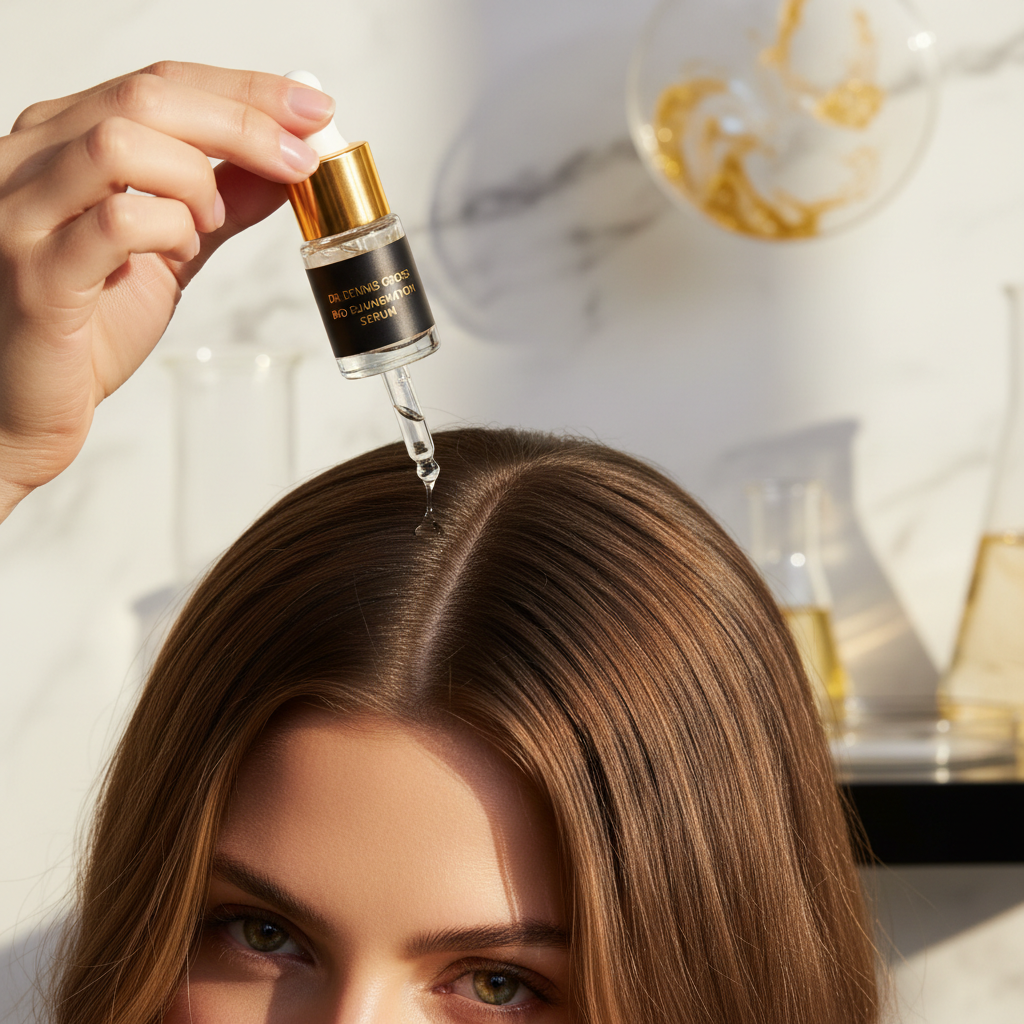
Bio-rejuvenation formulas generally combine several classes of active ingredients:
- Biomimetic Peptides: Short chains of amino acids signal fibroblasts to produce structural proteins like collagen and elastin, helping to preserve tissue resilience around hair follicles.
- Humectants: Molecules such as hyaluronic acid and glycerin pull water into the stratum corneum, maintaining suppleness and preventing trans-epidermal water loss.
- Antioxidants: Compounds such as niacinamide and plant-derived polyphenols shield skin cells from environmental oxidants like ultraviolet radiation and urban particulate matter.
Published research in dermatology journals confirms that topical antioxidants and humectants effectively strengthen the skin barrier. A well-hydrated, uninflamed scalp creates an optimal micro-environment for hair to anchor firmly. However, clinical evidence does not show that topical bio-rejuvenation serums penetrate deeply enough to alter the genetic programming of dermal papilla cells in androgenetic alopecia.
What the evidence does not show
It is critical to distinguish between surface tissue conditioning and the biological reversal of follicular thinning.
- No direct hormonal inhibition: Cosmetic rejuvenation serums do not alter the conversion of testosterone to dihydrotestosterone (DHT) by the enzyme 5-alpha reductase.
- No follicle resurrection: If a hair follicle has undergone complete fibrotic closure (cicatricial scarring or end-stage pattern baldness), no topical serum can recreate that follicle.
- No cure for telogen effluvium: Stress-induced, nutritional, or post-febrile shedding occurs inside the body as a systemic shift in the hair cycle. Applying a bio-serum to the scalp surface will not halt a physiological telogen release triggered weeks earlier.
- Breakage vs loss: Strengthening the surrounding skin or hair shaft reduces mechanical breakage, but breakage along the fibre must never be confused with true follicular hair loss.
Scalp aging vs facial skin: key differences
The scalp is an extension of the facial skin, yet it possesses unique physiological traits that influence how bio-rejuvenation topicals perform.
| Parameter | Facial Skin | Scalp Tissue |
|---|---|---|
| Follicle Density | Moderate to low vellus follicles | Highest concentration of terminal hair follicles (80,000 to 120,000) |
| Sebum Production | Moderate (T-zone dependent) | Extremely high, prone to lipid oxidation and yeast overgrowth |
| Optimal Formulation Base | Creams, emulsions, oils, light gels | Lightweight, residue-free aqueous tonics or fast-absorbing fluids |
| Primary Barrier Threat | Photoaging, dry air, fine lines | Trapped sebum, product buildup, micro-inflammation, mechanical tension |
| Normal Physiological pH | 4.7 to 5.5 | 4.5 to 5.5 |
Biological mechanisms of bio-rejuvenation topicals
When examining how products in the Dr Dennis gross bio rejuvenation serum class work, the focus lands on three cellular mechanisms:
1. Barrier restoration and hydration
The scalp barrier relies on an intact lipid matrix of ceramides, cholesterol, and free fatty acids. Humectants in rejuvenation serums attract water into the upper stratum corneum. When the scalp maintains healthy moisture levels, desquamation (shedding of dead skin cells) proceeds smoothly, reducing flaking and irritation.
2. Micro-vascular and peptide support
Peptides act as cellular messengers. When applied to the skin, specific peptide sequences signal extracellular matrix repair. While peptides cannot rewrite genetic hair thinning, maintaining extracellular matrix elasticity around the hair infundibulum helps preserve follicle seating and overall tissue health.
3. Neutralising oxidative stress
Sebum exposed to air and pollution undergoes lipid peroxidation, generating squalene peroxides that trigger local inflammatory cascades. Antioxidants in bio-rejuvenation serums quench free radicals before they can irritate surrounding follicular cells.
What you can do to support scalp vitality
If you want to incorporate bio-rejuvenating principles into your haircare routine, take an evidence-based approach:
- Cleanse thoroughly: Clear excess sebum, sweat, and environmental grime with a balanced, sulphate-free shampoo to allow serums to contact the scalp directly.
- Apply to clean skin: If using a lightweight bio-serum on the scalp, part your hair into sections and distribute the liquid directly onto the skin rather than the hair shaft.
- Look for targeted scalp formulations: Scalp-specific products avoid heavy lipid carriers that can weigh hair down or feed Malassezia yeasts.
- Maintain internal nutrition: Follicle cells are among the fastest-dividing cells in the body. Ensure adequate intake of protein, iron, zinc, and vitamin D, as topical serums cannot compensate for systemic deficiencies.
Supporting follicular health: a cosmetic alternative
For individuals seeking a dedicated haircare regimen designed specifically for hair density and scalp health, look to purpose-built formulations. Watermans produces cosmetic scalp and hair products, including the Grow More Elixir and luxury shampoos, formulated with caffeine, biotin, rosemary extract, and niacinamide. These cosmetic ingredients invigorate the feel of the scalp, deliver lightweight moisture to the roots, and help hair look and feel thicker without leaving heavy residues.
When the cause may be something else
Thinning hair or scalp changes are often symptoms of internal shifts rather than simple surface aging. Consider alternative causes if you notice:
- Shedding across the entire head: Often points to telogen effluvium, triggered by acute illness, rapid weight loss, severe psychological stress, or thyroid dysfunction.
- Receding hairline or crown thinning: Typically indicates androgenetic alopecia, driven by genetic sensitivity to DHT.
- Distinct circular bare patches: Suggests alopecia areata, an autoimmune condition where T-lymphocytes target the hair bulb.
- Severe burning, pain, or redness: May indicate cicatricial (scarring) alopecia, requiring urgent dermatological intervention to prevent permanent loss.
When to get professional advice
Cosmetic bio-rejuvenation products have a defined place in daily personal care, but they are not medical interventions. Consult an NHS GP, a consultant dermatologist, or an accredited trichologist if:
- You lose more than 100 to 150 hairs daily for longer than six consecutive weeks.
- You see redness, pustules, severe scaling, or scarring on the scalp.
- Hair sheds in distinct clumps or circular bald spots.
- Scalp itching or tenderness interferes with sleep or daily activities.
Frequently asked questions about Dr Dennis gross bio rejuvenation serum
What is the primary purpose of Dr Dennis gross bio rejuvenation serum?
The primary purpose of formulas associated with the Dr Dennis gross bio rejuvenation serum category is to hydrate the skin, neutralise environmental free radicals, and support natural barrier renewal using targeted peptides and humectants. They aim to improve surface firmness, texture, and overall skin resilience.
Can Dr Dennis gross bio rejuvenation serum stop pattern hair loss?
No. Cosmetic bio-rejuvenation serums do not inhibit 5-alpha reductase or alter dihydrotestosterone (DHT) levels around the hair follicle. Pattern hair loss requires clinically validated medical therapies evaluated by a dermatologist or healthcare provider.
How often should bio-rejuvenation serums be applied?
Most peptide and hydration serums are designed for daily use, typically once or twice per day on freshly cleansed skin. If applied near the hairline or on the scalp, ensure the formula is completely oil-free to avoid greasy roots.
What is the difference between hair breakage and hair shedding?
Hair shedding occurs when the hair root naturally releases from the follicle, showing a tiny white bulb at the tip. Hair breakage happens when the physical keratin fibre snaps along the shaft due to mechanical or chemical stress, without affecting the root.
Final perspectives on bio-rejuvenating scalp care
The interest surrounding formulas like the Dr Dennis gross bio rejuvenation serum highlights a broader truth in modern dermatology: healthy hair starts with healthy skin. By focusing on cellular hydration, peptide signalling, and antioxidant protection, bio-restorative products provide valuable support for the tissue barrier. However, realistic expectations are paramount. Use bio-rejuvenation topicals to nourish the scalp surface, safeguard moisture, and protect against environmental stress, while turning to qualified medical professionals whenever true hair loss or clinical scalp conditions arise.
Sources and references
- British Association of Dermatologists. Telogen Effluvium Guidelines. (2021).
- National Institute for Health and Care Excellence (NICE). Alopecia androgenetica: Clinical Knowledge Summaries. (2022).
- Trüeb, R. M. Oxidative Stress in Ageing of Hair. International Journal of Trichology, 1(1), 6 to 14. (2009).
- Ganceviciene, R., et al. Skin anti-aging strategies. Dermato-Endocrinology, 4(3), 308 to 319. (2012).
- Sinclair, R. Healthy Hair: what is it? Journal of Investigative Dermatology Symposium Proceedings, 12(2), 2 to 5. (2007).
Find these ingredients in Watermans products
- Zinc: you will find this ingredient in our Hair Vitamins.
- Niacinamide: you will find this ingredient in our Hair Mask.