A Guide to Hair Shaft Abnormalities: Causes, Types, and Evidence-Based Care
10 min read ·
Understand Hair Shaft Abnormalities, from genetic causes like monilethrix to acquired damage. Learn how to identify symptoms, manage breakage, and protect hair.
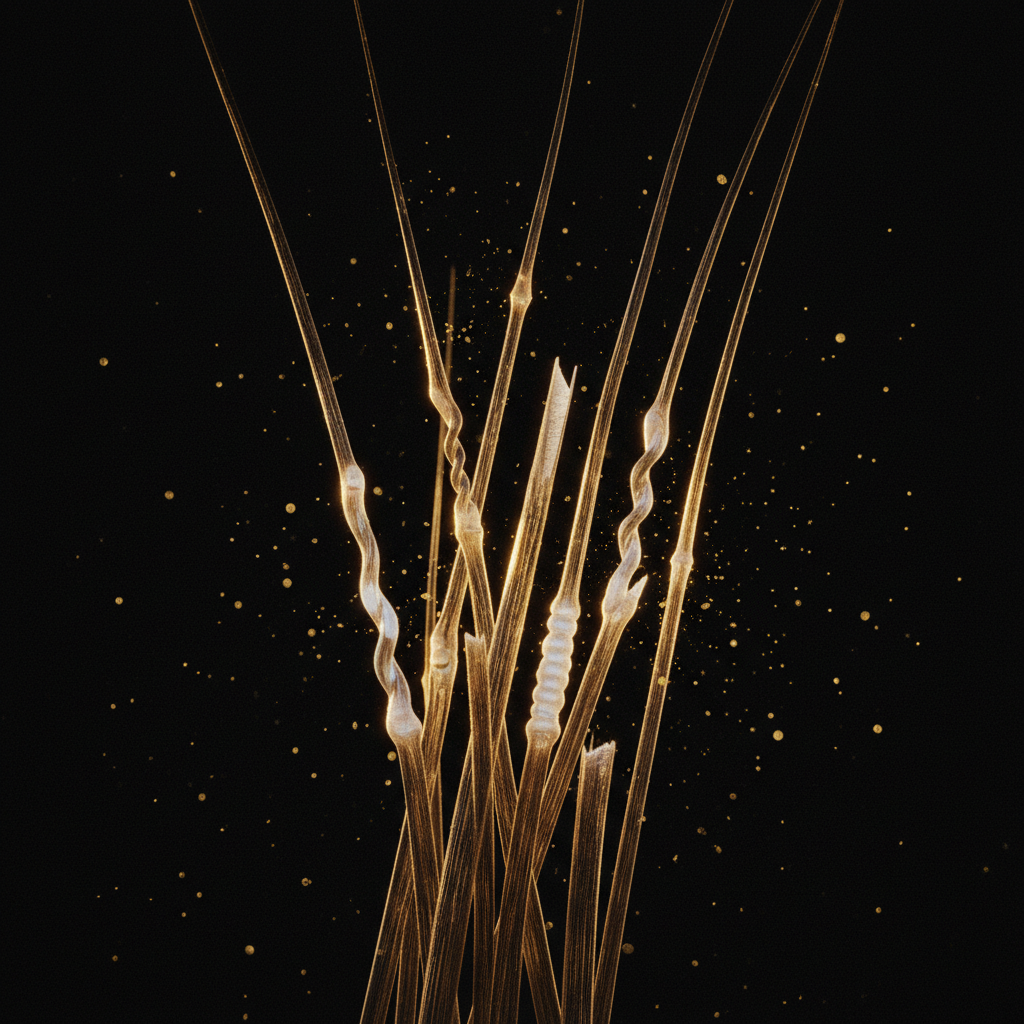
Quick answer: Hair Shaft Abnormalities are structural defects of the hair fibre that alter its shape, strength, or surface integrity. They fall into two main categories: those with increased hair fragility (which cause the fibre to snap easily) and those without fragility (which alter texture, curl pattern, or unruliness). While genetic mutations cause congenital conditions like monilethrix or trichorrhexis invaginata, everyday chemical and thermal trauma trigger acquired forms. Topical products can smooth and protect the cuticles, but cannot permanently repair internal structural defects.
Key takeaways
- Hair shaft disorders are classified primarily by whether they cause increased hair fragility and breakage or merely alter aesthetic appearance.
- True hair shaft defects cause breakage along the fibre length, which is distinct from root-level hair shedding or follicular hair loss.
- Congenital forms often appear in early childhood and stem from genetic mutations in keratin synthesis, desmosomal proteins, or sulfur cross-linking.
- Acquired abnormalities, such as trichorrhexis nodosa, are widely driven by repetitive physical friction, excessive heat styling, and chemical processing.
- Dermoscopy (trichoscopy) and polarised light microscopy are the definitive clinical tools used to diagnose specific shaft defects.
- Cosmetic care focuses on minimising friction, restoring the hydrophobic lipid barrier, and protecting the remaining structural integrity of the fibre.
Hair Shaft Abnormalities: what the evidence shows
Hair Shaft Abnormalities encompass a diverse spectrum of morphological alterations in the hair fibre. In dermatological science, these conditions are divided systematically into abnormalities with increased fragility and abnormalities without increased fragility.
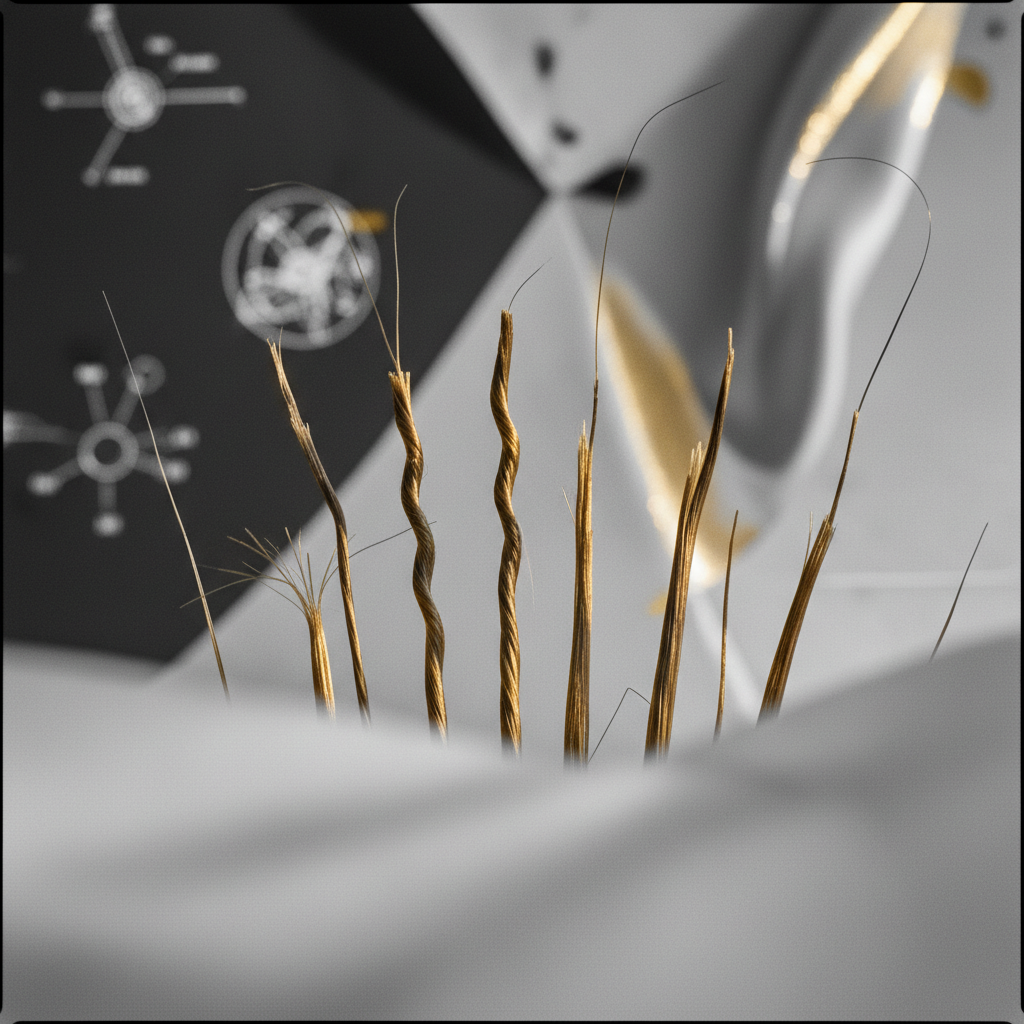
When fragility is present, the hair fibre suffers from compromised tensile strength. This leads to mid-shaft snapping, split ends, and patches of apparent thinning that mimic follicular alopecia but are actually caused by severe breakage. When fragility is absent, the hair typically maintains its normal tensile load but exhibits irregular coiling, grooving, twisting, or flattened cross-sections that make styling difficult.
Dermatologists evaluate these defects using trichoscopy and light microscopy. Research published in clinical dermatology journals demonstrates that examining a clipped fibre under 20x to 100x magnification quickly separates genetic shaft deformities from common acquired weathering. Understanding this distinction is vital: congenital conditions require genetic assessment and paediatric evaluation, whereas acquired defects demand an immediate overhaul of external styling habits.
The biological mechanisms behind shaft defects
A healthy human hair fibre consists of three concentric layers: the outer protective cuticle (composed of overlapping, keratinised cells rich in 18-methyleicosanoic acid), the structural cortex (which provides 80 to 90 percent of the fibre's mechanical strength through parallel keratin intermediate filaments), and the central medulla.
The structural integrity of the cortex relies heavily on disulfide bonds formed between cysteine residues. In congenital Hair Shaft Abnormalities, genetic errors disrupt this architecture at the follicle level during keratinisation:
- Monilethrix: Mutations in the hair keratins KRT81, KRT82, or KRT86 cause periodic variations in the diameter of the hair fibre. Elliptical nodes of normal thickness alternate with constricted internodes that lack a medulla, creating fragile points where the hair snaps under minimal friction.
- Trichorrhexis invaginata (bamboo hair): Typically linked to Netherton syndrome via mutations in the SPINK5 gene, this occurs when an incomplete keratinisation of the cortex allows the distal portion of the shaft to telescope into the softer, cup-like proximal shaft.
- Trichothiodystrophy: Characterised by a severe deficiency in cysteine and sulfur content, this autosomal recessive disorder results in brittle hair showing alternating light and dark bands ("tiger-tail" pattern) under polarised light.
- Pili torti: The hair shaft is flattened and twisted by 180 degrees on its longitudinal axis at irregular intervals, weakening the fibre against torsional stress.
In acquired defects, the mechanism is environmental rather than genetic. High-heat styling tools (exceeding 180 to 200 degrees Celsius) boil moisture inside the cortex, producing vaporisation cavities known as bubble hair. Harsh alkaline chemical services (relaxers, bleaches at pH 9.0 to 11.0) strip the protective 18-MEA lipid layer, oxidise cysteine disulfide bridges into cystic acid, and create focal cortex fractures known as acquired trichorrhexis nodosa.
| Condition | Primary Mechanism | Fragility Level | Distinguishing Microscopic Feature |
|---|---|---|---|
| Monilethrix | Genetic mutation (KRT81/82/86) | High (breaks at internodes) | Regular beaded appearance with thin, fragile constrictions |
| Trichorrhexis nodosa | Mechanical trauma, chemical oxidation | High (focal node fractures) | Paintbrush-like frayed nodes thrust into one another |
| Trichorrhexis invaginata | Defective keratinisation (SPINK5) | High (snaps at invaginations) | Ball-and-socket or bamboo joint deformities |
| Pili torti | Congenital or acquired twisting | Moderate to high | Flattened shaft twisted 180 degrees at irregular points |
| Pili annulati | Genetic cortical defect | Low (usually no fragility) | Alternating bright and dark bands due to air-filled cavities |
| Uncombable hair syndrome | Faulty cross-linking (PADI3, TGM3) | Low (stiff and unruly) | Triangular or kidney-shaped cross-section with longitudinal groove |
| Bubble hair | Thermal trauma (trapped steam) | High (breaks through bubbles) | Discrete rows of gas cavities within the cortex |
What the evidence does not show
There is no credible clinical evidence that topical shampoos, conditioners, oils, or cosmetic serums can alter the genetically programmed morphology of an emerging hair shaft. Once a follicle produces a fibre with monilethrix, pili torti, or pili annulati, topical applications cannot undo the structural blueprint established inside the bulb.
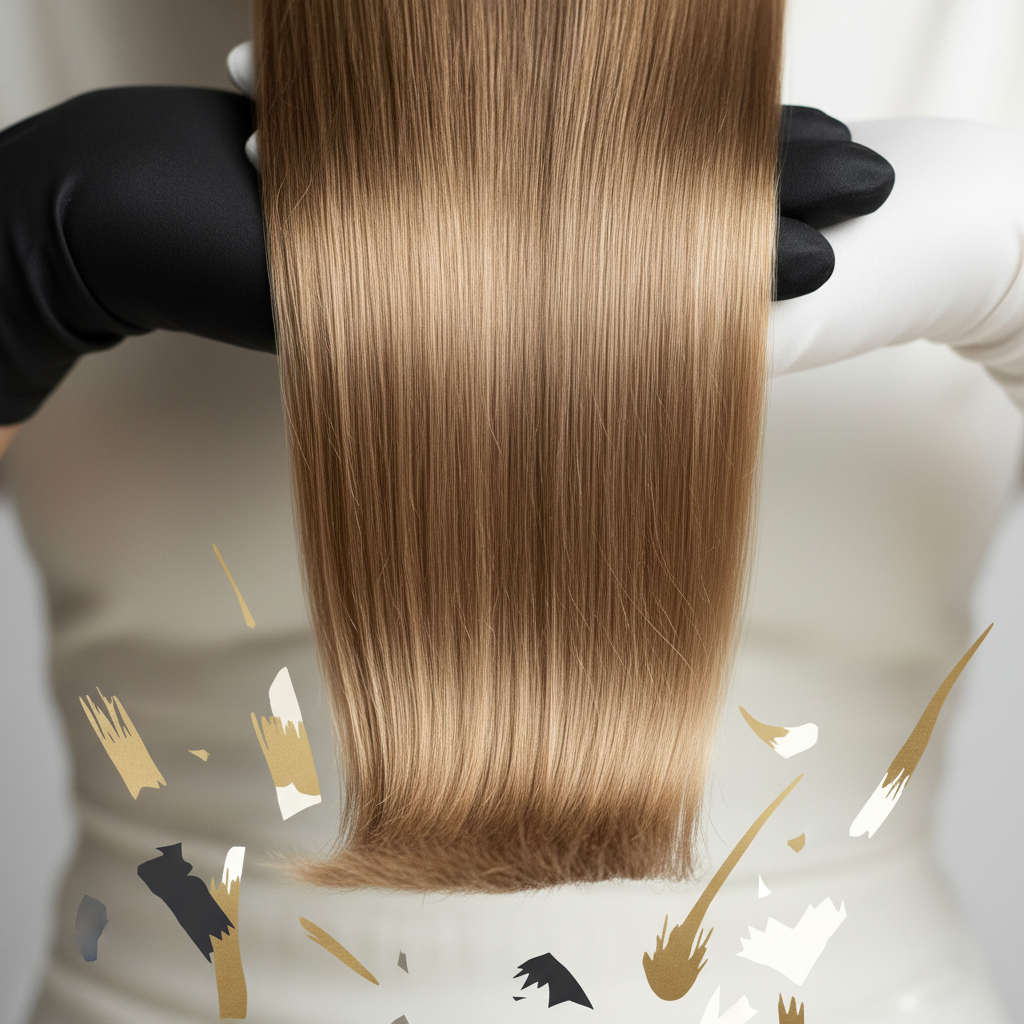
Furthermore, cosmetic formulations claiming to "reconnect broken bonds" cannot permanently re-establish the complex native matrix of a hair fibre afflicted by severe structural dysplasias. While cosmetic polymers, hydrolysed proteins, and conditioning agents deposit temporary protective films that reduce friction and slow down breakage, they do not cure the underlying congenital disorder.
Similarly, Hair Shaft Abnormalities are not caused by simple dietary vitamin deficiencies in the vast majority of cases. Unless a patient suffers from severe systemic malnutrition or specific metabolic diseases (such as Menkes kinky hair disease, caused by impaired copper transport), taking unverified over-the-counter hair gummies will not correct a mutated keratin chain.
Recognising the signs of shaft abnormalities
Identifying whether you are dealing with structural shaft damage or root-level shedding comes down to specific physical markers:
- Uneven length without normal shedding: You notice short, broken hairs across the crown, nape, or hairline, but you do not see the white keratin bulb that signals a naturally shed telogen hair.
- Sudden change in texture: The hair feels abnormally coarse, dry, spiky, or resembles spun glass that refuses to lie flat when brushed (typical of uncombable hair syndrome, or pili trianguli et canaliculi).
- Beaded or gritty feeling: Running your fingers gently down individual strands reveals tiny bumps or beads along the length of the fibre.
- Lacking luster with patchy light reflection: Ringed hair (pili annulati) displays striking light and dark patterns that shimmer under direct lighting, often mistaken for light highlights or grey hairs.
- Inability to grow past a short length: In conditions like congenital monilethrix or severe pili torti, hair rarely grows beyond a few centimetres before breaking away from simple pillow friction.
Distinguishing breakage from hair loss
It is critical to separate structural breakage from follicular hair loss. True hair loss (such as alopecia areata, androgenetic alopecia, or telogen effluvium) happens at the level of the follicle, often involving cycle miniaturisation, autoimmune attack, or synchronised shedding where full-length fibres fall out with their root bulbs intact.
In contrast, Hair Shaft Abnormalities cause mechanical failure along the dead fibre. The scalp skin and follicle openings usually appear completely normal under dermoscopy, showing active follicular units without inflammation or scarring, yet the patient presents with widespread patchiness due to fibres fracturing close to the scalp surface.
Practical steps to manage and protect fragile hair fibres
If you have an acquired defect or a mild congenital shaft condition, your primary goal is to preserve the mechanical envelope of the hair:
- Eliminate direct thermal tools: Put away straighteners, curling wands, and high-heat dryers. If drying hair, use the cool setting to prevent bubble hair formation.
- Cease aggressive chemical treatments: Avoid overlapping bleaching, high-lift peroxides, and sodium hydroxide relaxers, all of which degrade cortex disulfide bonds and trigger trichorrhexis nodosa.
- Optimise slip and reduce surface friction: Use wash formulations featuring gentle surfactants and follow with conditioners rich in fatty alcohols and functional silicones or plant oils. These ingredients coat the cuticle, lower the dry friction coefficient, and reduce the force required to detangle.
- Gentle physical handling: Never brush wet hair with fine-toothed combs. Use wide-toothed tools, sleep on smooth fabrics such as silk or satin, and avoid tight hairstyles that place tension on weakened shafts.
- Trim away frayed ends: Acquired fractures migrate longitudinally up the hair shaft. Regular micro-trims stop focal nodes from splitting further toward the scalp.
The role of targeted cosmetic care
While cosmetic treatments cannot rewrite DNA or reverse congenital deformities, maintaining the condition of the surrounding scalp and using fortifying, nourishing hair routines can dramatically reduce secondary mechanical breakage.
Watermans focuses on non-invasive cosmetic support designed to create the optimal environment for resilient-feeling hair. Formulations such as Watermans GrowMe Shampoo incorporate hydrolysed lupin protein, biotin, allantoin, and rosemary extract. These cosmetic ingredients work together to moisturise the scalp surface, improve the look of fibre density, and coat vulnerable shafts in lightweight conditioning agents that help protect mechanically compromised hair from day-to-day styling friction.
When to seek professional advice
You should consult a registered trichologist or a consultant dermatologist whenever hair breaks off rapidly, fails to grow past an inch or two in children, or presents alongside other systemic symptoms.
In paediatric cases, structural hair defects can occasionally be a cutaneous marker for broader genetic or metabolic disorders, such as Netherton syndrome, Menkes disease, or ectodermal dysplasias. A specialist will perform a painless, non-invasive hair pull test and view clipped strands under a light microscope to provide an accurate diagnosis, sparing you from ineffective treatments.
Frequently asked questions about Hair Shaft Abnormalities
Are Hair Shaft Abnormalities permanent?
It depends on whether the cause is congenital or acquired. Genetic Hair Shaft Abnormalities, such as monilethrix or trichothiodystrophy, are lifelong traits programmed into the follicle, though some (like uncombable hair syndrome) improve naturally after puberty. Acquired abnormalities, such as trichorrhexis nodosa caused by heat or bleach, are entirely temporary; newly emerging hair will grow normally once damaging practices stop.
Can a shampoo cure structural hair shaft disorders?
No shampoo can cure genetic or severe structural shaft defects. Shampoos operate externally on non-living keratin fibres and the scalp epidermis. However, gentle, conditioning shampoos can help preserve fragile hair by reducing surface friction, softening the cuticle, and minimising the mechanical stress that leads to snapping.
How do dermatologists diagnose Hair Shaft Abnormalities?
Dermatologists diagnose these conditions using trichoscopy (a specialised surface microscope applied to the scalp) and light microscopy. By clipping a few symptomatic hairs and examining the shafts under direct and polarised light, clinicians can clearly identify signature signs like the beaded nodes of monilethrix, the ball-and-socket joints of bamboo hair, or the fractures of trichorrhexis nodosa.
What is the most common acquired hair shaft abnormality?
Trichorrhexis nodosa is by far the most frequent acquired defect. It presents as small, pale, bead-like swelling points along the shaft where the cuticle has worn away, leaving exposed cortex fibres that fray like two paintbrushes pushed bristles-first into each other. It is primarily caused by excessive heat, aggressive brushing, bleaching, or perming.
Does hair breakage from shaft defects mean my hair follicle is dead?
No. Breakage from shaft disorders occurs along the hair strand above the surface of the scalp, meaning the underlying follicle remains alive, healthy, and capable of producing new hair. The challenge is protecting the exposed fibre as it grows so that it does not snap prematurely.
Final thoughts on managing shaft health
Navigating the challenges of Hair Shaft Abnormalities requires a clear understanding of where the problem originates. When genetic mutations dictate the internal shape and strength of the strand, management centres on protection, minimal handling, and careful medical oversight. When everyday environmental stressors erode the cuticle and fracture the cortex, the solution lies in eliminating physical and thermal trauma. By distinguishing between true root shedding and mid-shaft breakage, you can choose evidence-based habits that protect fragile fibres and keep your hair looking its healthiest.
Sources and references
- British Association of Dermatologists. Guidelines for the management of hair loss and shaft disorders.
- American Academy of Dermatology. Hair shaft defects: clinical evaluation and diagnosis.
- International Journal of Trichology. Dermoscopy of hair shaft disorders: an overview, 2014.
- Journal of the European Academy of Dermatology and Venereology. Congenital hair shaft abnormalities: a clinical approach, 2018.
- Blume-Peytavi, U., et al. Hair Growth and Disorders. Springer, 2008.