Dermal Papilla Cells: The Command Centre of the Hair Follicle
9 min read ·
Explore the biology of Dermal Papilla Cells, how they regulate the hair growth cycle, and practical ways to support a healthy scalp environment.
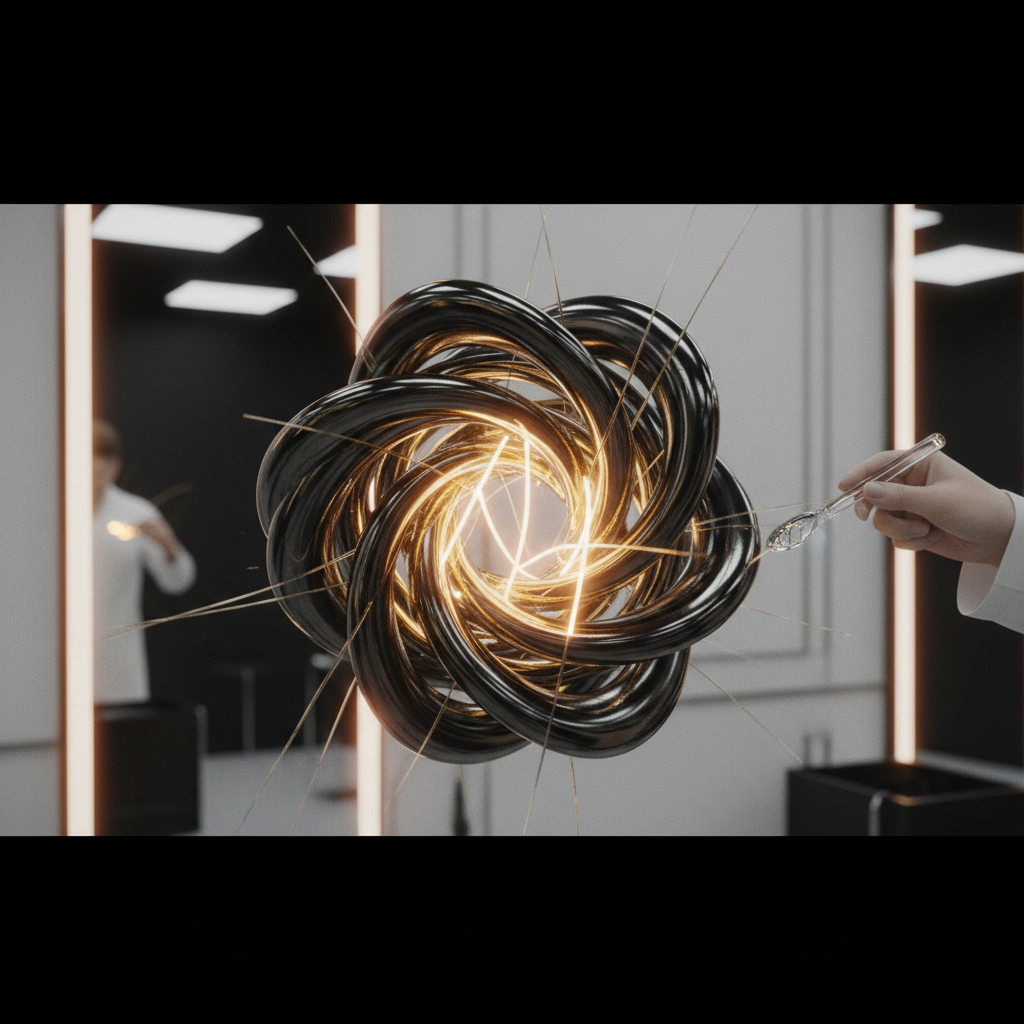
Quick answer: Dermal Papilla Cells are specialised mesenchymal cells located at the base of the hair follicle bulb that instruct epithelial stem cells to produce, grow, and cycle hair fibres. By releasing growth factors and chemical messengers, Dermal Papilla Cells determine the thickness, length, and life cycle of every single hair strand. However, their numbers and activity decline with genetic sensitivity to dihydrotestosterone (DHT), age, and oxidative stress, and cosmetics alone cannot regenerate depleted cells.
Key takeaways
- Dermal Papilla Cells act as the biological command centre of the hair follicle, orchestrating the transition between growth (anagen), regression (catagen), and rest (telogen).
- The physical number of Dermal Papilla Cells in a bulb directly correlates with the cross-sectional thickness and final length of the hair shaft.
- In androgenetic alopecia, dihydrotestosterone (DHT) binds to receptors on these cells, triggering inhibitory signals like TGF-beta that cause follicle miniaturisation.
- Topical ingredients such as caffeine, rosemary extract, niacinamide, and biotin support cellular metabolism and blood flow around the papilla, but they cannot revive fully fibrosed or lost follicles.
- Maintaining a balanced scalp environment, reducing chronic inflammation, and eating sufficient micronutrients provides the baseline support these cells require to function normally.
Dermal Papilla Cells: what the evidence shows
Dermal Papilla Cells reside within the dermal papilla, a teardrop-shaped cluster of mesenchymal tissue nestled inside the hair bulb. Research published in journals such as Development and the Journal of Investigative Dermatology demonstrates that these cells serve as the primary signalling niche for hair follicle biology. Rather than forming the physical hair shaft themselves, they send inductive molecular signals to neighbouring epithelial matrix cells, prompting them to divide, migrate upwards, and keratinise into the cortex and cuticle of a hair fibre.

During the active growth phase (anagen), Dermal Papilla Cells express signalling molecules such as Wnt/beta-catenin, Fibroblast Growth Factor 7 (FGF-7), and Vascular Endothelial Growth Factor (VEGF). These signals sustain rapid cell division in the matrix. When signalling drops or inhibitory cues take over, the follicle enters catagen, where the lower two-thirds of the follicle undergoes programmed regression.
The volume of the dermal papilla is not static. Studies consistently show that the number of cells within the papilla increases during early anagen and correlates linearly with hair fibre diameter. Thick terminal hairs contain thousands of Dermal Papilla Cells, whereas fine, vellus hairs possess only a small fraction of that number.
The mechanism: how Dermal Papilla Cells drive hair growth
To understand how hair grows, cycles, and thins, you have to look at the three primary communication pathways managed by Dermal Papilla Cells:
- Wnt/Beta-Catenin Pathway: This is the master "on" switch. When Wnt ligands bind to surface receptors on Dermal Papilla Cells, beta-catenin accumulates and moves to the nucleus. This event commands epithelial stem cells in the hair follicle bulge to migrate down and initiate anagen. Suppressing this pathway halts hair formation entirely.
- Angiogenic Signalling (VEGF): Hair matrix cells divide faster than almost any other non-cancerous cells in the human body. To feed this intense metabolic demand, Dermal Papilla Cells release VEGF, stimulating the creation and maintenance of a dense microvascular capillary network wrapped around the bulb.
- Androgen Receptor Signalling: Dermal Papilla Cells contain androgen receptors and the enzyme 5-alpha reductase. When testosterone converts to dihydrotestosterone (DHT) and binds to these receptors in genetically susceptible scalp zones (the crown and temples), it suppresses Wnt signalling and elevates Transforming Growth Factor-beta (TGF-beta) and Dickkopf-1 (DKK-1). These inhibitory factors shorten anagen and shrink the papilla over successive hair cycles.
Cellular comparison: Dermal Papilla Cells vs surrounding structures
| Structure / Cell Type | Origin | Primary Role | Response to DHT |
|---|---|---|---|
| Dermal Papilla Cells | Mesenchymal (dermis) | Directs hair cycling, releases growth factors, controls follicle size | Releases inhibitory factors (TGF-beta, DKK-1) in susceptible areas |
| Matrix Cells | Epithelial (epidermis) | Divides rapidly to physically form the hair shaft and inner root sheath | Undergoes apoptosis or premature differentiation when signals drop |
| Outer Root Sheath | Epithelial (epidermis) | Protects the hair shaft and stores reserve stem cells in the bulge | Provides structural channel; largely indifferent to direct androgen binding |
| Dermal Sheath Cells | Mesenchymal (dermis) | Surrounds the follicle, replenishes Dermal Papilla Cells | Can migrate into the papilla to restore depleted cell pools during healing |

What the evidence does not show
Because Dermal Papilla Cells sit at the heart of hair science, they are frequently surrounded by misleading marketing claims.
First, consumer products cannot "multiply" or "clone" Dermal Papilla Cells in living human scalps. While tissue engineers can culture these cells in laboratory petri dishes, they notoriously lose their hair-inductive ability once grown in flat, two-dimensional layers.
Second, topical cosmetics cannot reverse established follicular fibrosis. When a follicle has undergone long-term miniaturisation and the dermal papilla has completely disconnected or scarred over, no botanical extract, scalp oil, or shampoo can re-establish that mesenchymal-epithelial junction.
Finally, stimulating blood flow alone is not enough to override genetic signalling. While adequate microcirculation is necessary for nutrient transport, vasodilation does not eliminate androgen receptor sensitivity within the cells.
What you can do to support Dermal Papilla Cells
Supporting the biological environment of your hair follicles requires a clear, practical routine focusing on cellular nutrition, microcirculation, and inflammation control.
- Support microcirculation with topical caffeine: Peer-reviewed studies show that topically applied caffeine penetrates the hair follicle sheath within minutes, counteracting some inhibitory effects of DHT on cellular proliferation in laboratory models.
- Keep scalp inflammation low: Chronic micro-inflammation around the infundibulum can trigger oxidative stress that damages papilla cells. Use gentle, pH-balanced cleansers (pH 4.5 to 5.5) containing calming botanical extracts such as rosemary, chamomile, and green tea.
- Supply essential micronutrients: Dermal papilla activity demands a steady supply of iron (ferritin), zinc, vitamin D, and B-complex vitamins like niacin and biotin. Zinc, in particular, acts as an essential cofactor for metalloenzymes involved in protein synthesis inside the papilla.
- Perform regular scalp massage: Mechanical stimulation produces shear stress on dermal tissue. Small-scale clinical trials have found that 4 minutes of daily standardised scalp massage can increase dermal papilla gene expression related to hair thickness over 24 weeks.
Supporting the follicle with Watermans
When looking for daily haircare formulated to respect scalp biology, Watermans provides targeted support. Watermans GrowMe Shampoo is formulated with caffeine, biotin, rosemary extract, niacinamide, and argan oil to deliver essential topical nourishment directly to the scalp environment.
Rather than making unrealistic pharmaceutical claims, Watermans focuses on creating the ideal conditions for healthy hair. It cleanses without stripping protective natural lipids, clears away follicle-clogging sebum and debris, and supports a resilient, flake-free scalp environment. Used alongside Watermans ConditionMe Conditioner, it reinforces the moisture barrier of the hair fibre, reducing mechanical breakage while the scalp works uninterrupted.
When the cause may be something else
If you notice sudden or diffuse thinning across your entire head, the primary issue may not be androgen-driven suppression of your Dermal Papilla Cells:
- Telogen Effluvium: A physiological shock, such as high fever, surgery, severe illness, or extreme psychological stress, can abruptly push up to 30 percent of active Dermal Papilla Cells into the telogen resting phase. This results in heavy, diffuse shedding two to three months later.
- Nutritional and Endocrine Deficits: Thyroid dysfunction (hypothyroidism or hyperthyroidism) and low ferritin levels compromise mitochondrial respiration within the follicle cells, leading to general thinning rather than patterned loss.
- Mechanical Breakage: If your hair feels thinner toward the ends but the density at the scalp remains unchanged, the issue is physical fibre breakage from chemical processing or heat styling, not follicular dysfunction.
When to seek professional advice
Consult a GP, dermatologist, or registered trichologist if you notice:
- Sudden, patchy hair loss forming distinct circular bald spots (indicative of alopecia areata).
- Scalp pain, burning, redness, or scaling accompanied by thinning (which may suggest a scarring, cicatricial alopecia).
- Rapid shedding exceeding 100 to 150 hairs daily that persists for more than three months.
- Signs of underlying hormonal imbalance, such as irregular menstrual cycles, severe adult cystic acne, or unusual facial hair growth.
Frequently asked questions about Dermal Papilla Cells
Can Dermal Papilla Cells regenerate once lost?
Dermal Papilla Cells can partially replenish themselves during each hair cycle via the surrounding dermal sheath. However, once a follicle undergoes severe, long-term miniaturisation or cicatricial scarring, the dermal papilla disappears or turns into non-functional fibrous tissue. In those advanced stages, natural regeneration is currently impossible outside of hair transplant surgery.
How does DHT affect Dermal Papilla Cells?
In individuals with a genetic predisposition, dihydrotestosterone binds to androgen receptors inside Dermal Papilla Cells. This activates signalling cascades that produce inhibitory cytokines like TGF-beta 1 and TGF-beta 2. These proteins force the follicle to prematurely exit anagen, shortening each consecutive growth cycle and shrinking the papilla over time.
Do scalp massages actually help Dermal Papilla Cells?
Yes, clinical evidence indicates that mechanical stretching forces transmitted through gentle, regular scalp massage stimulate Dermal Papilla Cells. This mechanical tension upregulates the expression of hair cycle-related genes, including noggin, and improves local subcutaneous blood flow, which helps support natural hair shaft thickness over several months of consistent practice.
What nutrients do Dermal Papilla Cells need most?
Dermal Papilla Cells require a steady supply of amino acids, zinc, iron, vitamin D, and B vitamins (notably niacin and pantothenic acid). These nutrients are crucial for cellular respiration, protein synthesis, and maintaining anagen-phase signalling. Severe deficiencies in any of these components can disrupt normal signalling and induce premature shedding.
Conclusion
Dermal Papilla Cells are the master architects of human hair growth, acting as the bridge between your vascular supply and the rapidly dividing matrix that forms every hair strand. Protecting their function means taking a complete, balanced approach: addressing systemic nutritional needs, using evidence-backed topicals that respect the scalp barrier, and acting early when changes in hair density begin to appear. While cosmetic products cannot alter genetics or revive fully lost follicles, keeping your Dermal Papilla Cells supported with a clean, nutrient-dense scalp environment ensures your hair has the best possible foundation to thrive.
Sources and references
- Journal of Investigative Dermatology: Mesenchymal-Epithelial Interactions in the Human Hair Follicle (2020)
- Development: Signaling Networks Directing Hair Follicle Dermal Papilla Function (2018)
- British Journal of Dermatology: The Role of Dihydrotestosterone and Transforming Growth Factor-beta in Androgenetic Alopecia (2019)
- Eplasty: Standardized Scalp Massage Results in Increased Hair Thickness by Inducing Stretching Forces to Dermal Papilla Cells (2016)
- National Institute for Health and Care Excellence (NICE): Alopecia: Summary of Clinical Evidence and Management (2022)
Find these ingredients in Watermans products
- Zinc: you will find this ingredient in our Hair Vitamins.
- Niacinamide: you will find this ingredient in our Hair Mask.
- Panthenol (Provitamin B5): you will find this ingredient in our Heat Protection Spray.