Dandruff and Itchy Scalp
4 min read ·
Dandruff and an itchy scalp are common conditions often caused by an overgrowth of a naturally occurring yeast, leading to flaking and irritation.
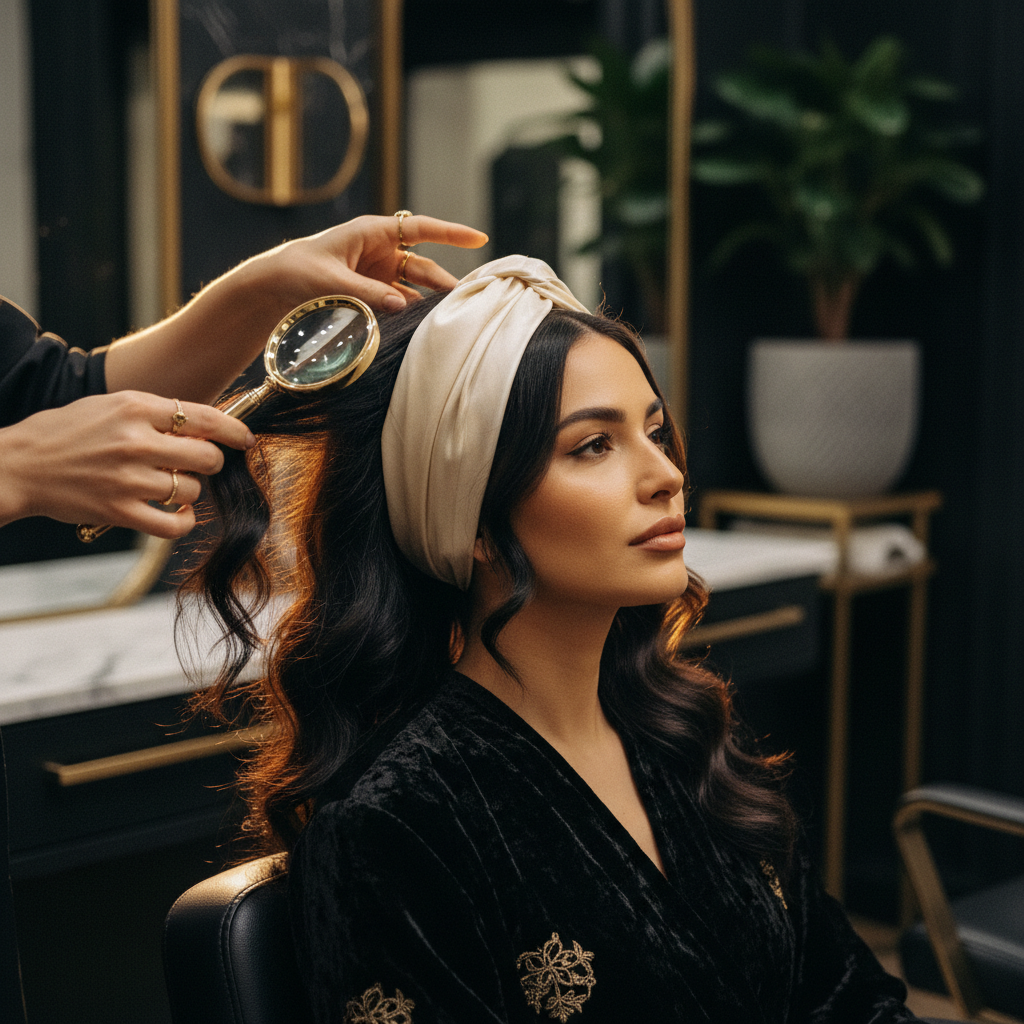
What is Dandruff?
Dandruff, also known as pityriasis capitis, is a common scalp condition characterized by flaky skin and often accompanied by itching. These flakes are shed epidermal cells from the scalp. While commonly perceived as a dry scalp issue, dandruff can also be caused by an oily scalp, which provides a conducive environment for the overgrowth of a specific yeast.
Causes of Dandruff
The primary cause of dandruff is an overgrowth of Malassezia globosa, a yeast-like fungus naturally present on the human scalp. This fungus feeds on the oils (sebum) produced by the sebaceous glands in the hair follicles. For some individuals, the immune system reacts to the byproducts of this yeast, leading to an accelerated shedding of skin cells and accompanying inflammation, resulting in visible flakes and itchiness.
Other contributing factors to dandruff include:
- Seborrheic Dermatitis: A more severe form of dandruff, seborrheic dermatitis causes red, greasy patches covered with flaky white or yellow scales. It can affect other oily areas of the body, such as the face, chest, and back.
- Dry Skin: While less common as a direct cause, dry scalp can mimic dandruff, presenting with smaller, drier flakes and less inflammation. However, true dandruff often involves some level of oiliness.
- Infrequent Shampooing: Not shampooing regularly can lead to the buildup of oils and dead skin cells, providing more food for Malassezia and exacerbating dandruff.
- Sensitivity to Hair Products: Certain ingredients in shampoos, conditioners, or styling products can cause a reaction known as contact dermatitis, leading to an itchy, flaky scalp.
- Other Skin Conditions: Psoriasis and eczema can also manifest on the scalp, causing flaking and itching that can be mistaken for dandruff.
- Diet and Stress: While not direct causes, certain dietary choices and stress levels can influence overall skin health and potentially exacerbate dandruff symptoms.
Symptoms of Dandruff
The most recognizable symptom of dandruff is the presence of white, oily-looking flakes of dead skin that shed from the scalp and are often visible on hair and clothing. Other symptoms include:
- Itchy Scalp: This is a very common and often bothersome symptom, ranging from mild to intense.
- Scalp Redness: Inflammation can cause the scalp to appear red, particularly in more severe cases or with seborrheic dermatitis.
- Greasy or Dull Hair: Despite the flaking, the scalp can still be oily, leading to hair that appears greasy or lacks luster.
Itchy Scalp Without Dandruff
An itchy scalp can occur independently of dandruff. Potential causes for an itchy scalp without visible flakes include:
- Dry Scalp: Insufficient moisture in the scalp can lead to dryness and itching. This is often accompanied by small, fine flakes that are less oily than dandruff flakes.
- Product Buildup: Residue from styling products, shampoos, or conditioners can irritate the scalp and cause itching.
- Allergic Reactions (Contact Dermatitis): As mentioned, sensitivity to certain ingredients can trigger an allergic reaction.
- Head Lice: These tiny parasites feed on blood from the scalp and cause intense itching.
- Fungal Infections (e.g., Tinea Capitis): Ringworm of the scalp can cause itchy, red patches, often with hair loss and scaling.
- Nerve Issues: Rarely, an itchy scalp can be a symptom of underlying nerve problems.
- Autoimmune Conditions: Conditions like lupus can sometimes affect the scalp and cause itching.
Treatment and Management
Effective management of dandruff and an itchy scalp often involves identifying the underlying cause and using targeted treatments. For most cases of dandruff, a good quality anti-dandruff shampoo is the first line of defense.
Anti-Dandruff Shampoos
These shampoos contain active ingredients designed to control Malassezia globosa or reduce scalp inflammation and cell turnover. Common active ingredients include:
- Zinc Pyrithione: An antifungal and antibacterial agent that reduces the amount of yeast on the scalp.
- Selenium Sulfide: Another antifungal that also slows down the turnover of skin cells.
- Ketoconazole: A broad-spectrum antifungal agent, often used for more persistent dandruff.
- Salicylic Acid: Helps to soften and remove scales, making them easier to wash away. It does not address the underlying fungal cause.
- Coal Tar: Slows down the growth and shedding of skin cells and can reduce inflammation and itching.
When using an anti-dandruff shampoo, it is important to follow the product's instructions, which often involve lathering and leaving the shampoo on the scalp for a few minutes before rinsing to allow the active ingredients to work.
General Scalp Care Tips
- Regular Shampooing: Wash your hair regularly, but not excessively, to prevent oil and product buildup. The frequency depends on your hair type and activity level.
- Gentle Products: Opt for mild shampoos and conditioners. Avoid products with harsh chemicals or strong fragrances if you have a sensitive scalp.
- Thorough Rinsing: Always rinse your scalp and hair thoroughly to remove all product residue.
- Avoid Scratching: While difficult, scratching can further irritate the scalp and potentially lead to secondary infections.
- Manage Stress: Implement stress-reduction techniques as stress can sometimes worsen scalp conditions.
- Balanced Diet: A healthy diet rich in vitamins and minerals can support overall skin health.
- Hydration: Ensure adequate water intake to maintain skin hydration.
When to See a Professional
If over-the-counter anti-dandruff shampoos and general scalp care do not improve your symptoms after several weeks, or if your scalp becomes very red, swollen, painful, or you experience hair loss, it is advisable to consult a dermatologist or healthcare professional. They can diagnose the specific cause of your symptoms and recommend appropriate medical treatments, which may include prescription-strength shampoos, topical corticosteroids, or oral medications.
Find these ingredients in Watermans products
- Zinc, you will find this ingredient in our Hair Vitamins.