Dandruff and Flaky Scalp: Understanding Causes, Symptoms, and Management
13 min read ·
Dandruff and Flaky Scalp are common conditions involving visible skin shedding, often due to a yeast overgrowth or dry skin.
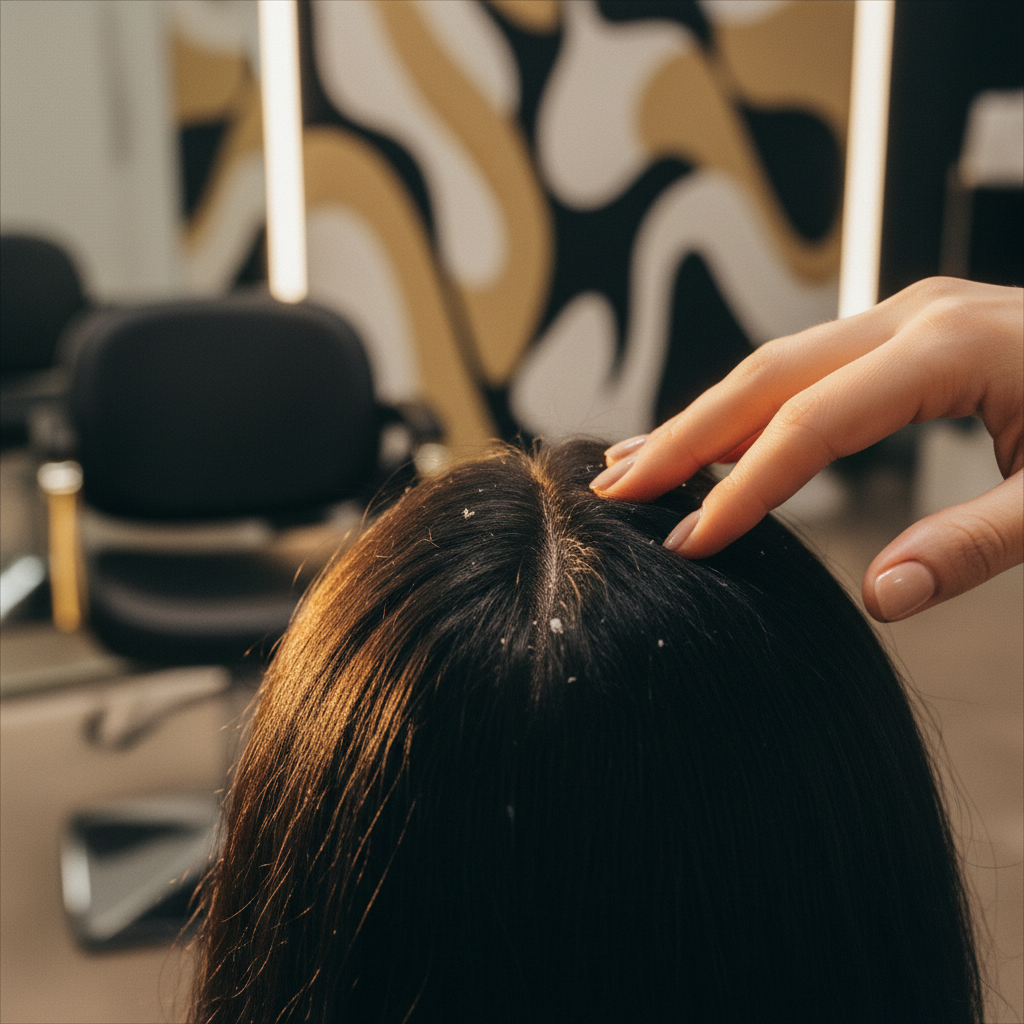
Quick answer: Dandruff and Flaky Scalp both involve visible shedding of skin from the scalp, but their underlying causes differ significantly. Dandruff, or pityriasis capitis, is typically linked to an overgrowth of the Malassezia globosa yeast and an inflammatory response, leading to oily, yellowish flakes and itching. A general flaky scalp, however, can stem from simple dryness, product irritation, or other skin conditions. Accurate identification of the cause is crucial for effective treatment, as remedies for dandruff may not resolve a dry, flaky scalp and vice-versa. There is currently no single universal cure, but targeted management strategies can effectively control symptoms.
Key takeaways
- Dandruff (pityriasis capitis) is primarily caused by an overgrowth of the Malassezia globosa yeast on the scalp, which triggers an inflammatory response in sensitive individuals.
- Flaky scalp is a broader term encompassing various causes of skin shedding, including dry scalp, contact dermatitis, psoriasis, and seborrheic dermatitis.
- Symptoms differ: Dandruff flakes are often oily and yellowish, associated with an itchy scalp, while dry scalp flakes are usually smaller, finer, and white, with a tight-feeling scalp.
- Effective treatment relies on correctly identifying the cause; antifungal ingredients target dandruff, while moisturising approaches help dry scalp.
- Good scalp hygiene and avoiding irritants are fundamental for managing both dandruff and general flaky scalp conditions.
- Professional advice from a dermatologist or trichologist is recommended for persistent, severe, or worsening symptoms.
Dandruff and Flaky Scalp: Understanding the Evidence
Dandruff and Flaky Scalp are widespread conditions that manifest as visible skin shedding from the scalp. While both involve flaking, they are not always the same and have distinct underlying mechanisms. Understanding these differences is key to effective management.
What is Dandruff?
Dandruff, clinically known as pityriasis capitis, is a common scalp disorder affecting a significant portion of the adult population. It's characterised by accelerated shedding of dead skin cells, which form noticeable flakes, often accompanied by itching and mild inflammation. This is distinct from hair loss, which involves the follicle, or hair shedding, which is the hair leaving the follicle. Dandruff concerns the skin of the scalp itself.
The primary culprit behind typical dandruff is the Malassezia globosa yeast, a microorganism naturally present on the scalps of most healthy adults. Problems arise when this yeast overgrows. Malassezia feeds on sebum, the natural oil produced by the scalp's sebaceous glands. As it metabolises sebum, it produces oleic acid, which can irritate sensitive scalps. In response, the scalp speeds up its cell turnover process, attempting to shed the irritant more quickly. This rapid cell renewal results in an accumulation of dead skin cells that clump together, forming the characteristic white to yellowish flakes associated with dandruff.
Factors that can contribute to Malassezia overgrowth or exacerbate dandruff symptoms include:
- Increased Sebum Production: A naturally oily scalp provides a richer environment for Malassezia to thrive. This links closely to topics like Oily Scalp Care: Understanding and Managing Excess Sebum and Sebum Regulation: Understanding and Managing Scalp Oiliness.
- Individual Sensitivity: Not everyone reacts to the oleic acid produced by Malassezia in the same way. Some individuals' immune systems show a more pronounced inflammatory response.
- Stress: While stress doesn't directly cause dandruff, it can weaken the immune system, potentially allowing Malassezia to proliferate more easily.
- Hormonal Fluctuations: Changes in hormone levels can influence sebum production, affecting the scalp's microenvironment.
- Infrequent Washing: Not washing the hair regularly can lead to a buildup of oils and dead skin cells, creating a more favourable environment for Malassezia.
What is a Flaky Scalp (beyond typical dandruff)?
The term 'flaky scalp' is a broader descriptor. While dandruff is a type of flaky scalp, not all flaky scalps are dandruff. A flaky scalp can arise from various conditions that cause visible skin shedding, often without the direct involvement of Malassezia overgrowth as the primary cause.
Common causes of a flaky scalp include:
- Dry Scalp:
- Mechanism: When the scalp lacks sufficient moisture, the skin can become dehydrated, tight, and itchy. This can lead to the shedding of small, fine, white, dry flakes. Unlike dandruff, the scalp itself feels dry, rather than oily. Dry scalp is a common issue, especially in dry climates or during colder months.
- Contributing Factors: Over-washing, using harsh shampoos that strip natural oils, insufficient hydration, exposure to dry air (e.g., from central heating), and certain medical conditions.
- Contact Dermatitis:
- Mechanism: This is an allergic reaction or irritation caused by direct contact with a substance, such as certain ingredients in hair products like shampoos, conditioners, or hair dyes. Symptoms include redness, intense itching, burning, and flaking in the contact area. The body's immune system reacts to the perceived irritant.
- Contributing Factors: Sensitivity to fragrances, preservatives (e.g., methylisothiazolinone), certain surfactants (like some sulfates), or other chemicals commonly found in cosmetic products.
- Psoriasis:
- Mechanism: A chronic autoimmune condition where skin cells multiply much faster than usual, leading to thick, silvery-white scales on raised, red patches. On the scalp, psoriasis can produce significant flaking, which is often thicker, larger, and more tenacious than typical dandruff flakes. This condition is not related to Malassezia.
- Contributing Factors: Genetic predisposition and an overactive immune system. It typically requires specific medical treatment.
- Seborrheic Dermatitis:
- Mechanism: Often considered a more severe or chronic form of dandruff, seborrheic dermatitis also involves Malassezia overgrowth but is characterised by a more pronounced inflammatory response. This leads to greasy, yellowish scales and redness, often extending beyond the hairline to areas like the eyebrows, sides of the nose, and behind the ears. It is an inflammatory condition affecting sebaceous gland-rich areas.
- Contributing Factors: Similar to dandruff, but often with a stronger inflammatory component and can be exacerbated by stress or certain medical conditions.
Symptoms to look for: Dandruff vs. Dry Scalp
While the visible flakes are a common thread, specific symptoms can help distinguish between typical dandruff and a dry, flaky scalp. This table summarises the key differences:
| Symptom | Dandruff (Typical) | Dry Scalp |
|---|---|---|
| Flake Appearance | White to yellowish, often oily or greasy | Small, fine, white, dry |
| Scalp Sensation | Itchy, sometimes oily, inflamed | Tight, itchy, can feel rough or irritated |
| Scalp Appearance | May appear red or irritated, often oily | Dry, can show fine lines or cracking |
| Associated Factors | Malassezia overgrowth, oily scalp | Lack of moisture, harsh products, dry air |
What You Can Do for Dandruff and Flaky Scalp
Managing Dandruff and Flaky Scalp effectively requires a targeted approach based on the underlying cause. If you are unsure of the cause, or if symptoms persist despite home care, consulting a dermatologist or trichologist is recommended.
For Dandruff (Malassezia-Related)
The primary goal is to control the Malassezia yeast and reduce the associated inflammation. Over-the-counter anti-dandruff shampoos are usually the first line of treatment. Key active ingredients include:
- Pyrithione Zinc: An antifungal and antibacterial agent that reduces Malassezia levels. It works by inhibiting fungal cell growth.
- Selenium Sulfide: Another antifungal that slows down the rate of skin cell turnover and helps reduce Malassezia.
- Ketoconazole: A broad-spectrum antifungal agent effective against various yeasts, including Malassezia. It's often available in stronger concentrations by prescription.
- Salicylic Acid: This acts as a keratolytic, helping to exfoliate the scalp, loosen, and shed existing flakes. It doesn't directly target the yeast but aids in symptom relief.
When using medicated shampoos, it's generally recommended to follow the product instructions carefully. This often involves leaving the shampoo on the scalp for 3 to 5 minutes to allow the active ingredients to work before rinsing thoroughly.
For Dry Scalp
Focus here is on restoring moisture to the scalp and avoiding further dehydration. Consider these strategies:
- Gentle, Moisturising Shampoos: Opt for sulfate-free shampoos (as discussed in Sulfate-Free Shampoo Benefits) that cleanse without stripping the scalp's natural oils. Look for formulations designed for dry or sensitive scalps.
- Hydrating Conditioners and Scalp Treatments: Choose products containing humectants like glycerin or hyaluronic acid, and emollients such as natural oils (e.g., jojoba, argan oil, coconut oil) or shea butter. These ingredients attract and lock in moisture. For more information, see Humectants: Understanding How They Hydrate and Protect Your Hair.
- Reduce Wash Frequency: If your hair isn't excessively oily, washing less often can help preserve the scalp's natural moisture barrier.
- Lukewarm Water: Avoid very hot water, which can further dry out the scalp and strip oils. Lukewarm water is gentler.
- Humidifier: In dry environments, especially during winter, using a humidifier can add moisture to the air, benefiting both skin and scalp.
General Hair Care Tips for Scalp Health
Regardless of the specific cause, adopting healthy hair care practices supports overall scalp health:
- Regular, Appropriate Washing: Maintain a consistent washing routine suited to your hair and scalp type. Over-washing can strip oils, while under-washing can lead to product buildup and encourage microbial growth.
- Gentle Scalp Massage: During shampooing, gently massage your scalp with your fingertips. This helps stimulate circulation and loosen flakes without causing irritation or damage. Avoid harsh scratching.
- Avoid Harsh Products: Minimise the use of products containing high concentrations of alcohol, strong fragrances, or other known irritants, especially if you have a sensitive scalp. Pay attention to how your scalp reacts to new products.
- Rinse Thoroughly: Ensure all shampoo and conditioner are completely rinsed from your hair and scalp to prevent residue buildup, which can irritate the scalp and provide a breeding ground for microorganisms.
- Balanced Diet and Hydration: A diet rich in essential vitamins, minerals (particularly B vitamins, zinc, and omega-3 fatty acids), and antioxidants supports healthy skin and scalp function. Adequate water intake is also crucial for skin hydration. The NHS provides reliable guidance on healthy eating.
- Manage Stress: Stress can exacerbate many skin conditions, including those affecting the scalp. Incorporating stress-reducing practices like mindfulness, yoga, or sufficient sleep can be beneficial for overall well-being and scalp health.
By understanding the differences between dandruff and other causes of a flaky scalp, and by implementing appropriate, evidence-based care strategies, you can effectively manage these common conditions and promote a healthy, comfortable scalp environment.
When the Cause May Be Something Else and When to Get Professional Advice
While many cases of Dandruff and Flaky Scalp can be managed with over-the-counter products and improved hair care routines, some situations warrant professional medical attention. If your symptoms are severe, persistent, worsening, or accompanied by other concerns, it's important to consult a healthcare professional.
Seek advice from a GP, dermatologist, or trichologist if:
- Symptoms don't improve after several weeks of using anti-dandruff or moisturising products.
- You experience intense itching, redness, or inflammation that is painful or disrupts daily life.
- There are thick, crusted, or silvery scales on your scalp, which could indicate conditions like psoriasis.
- You notice sores, pustules, or signs of infection on your scalp.
- The flaking is accompanied by hair loss or thinning (this needs to be distinguished from hair shedding or breakage).
- The condition extends beyond your scalp to other parts of your face or body.
- You are unsure of the cause or suspect a more serious underlying skin condition.
A medical professional can accurately diagnose the specific condition, rule out other possibilities, and prescribe stronger treatments if necessary. They can also offer tailored advice and help you work through managing chronic scalp conditions.
Frequently asked questions about Dandruff and Flaky Scalp
Can stress cause Dandruff and Flaky Scalp?
Stress doesn't directly cause dandruff or a flaky scalp, but it can certainly make existing conditions worse. High stress levels can impact the immune system and hormone balance, potentially leading to an increase in Malassezia yeast activity for dandruff or exacerbating inflammatory skin conditions like seborrheic dermatitis or psoriasis. Managing stress can be a helpful supportive measure.
Is it normal to have some flakes on my scalp?
Yes, it's normal for your scalp to shed a small amount of dead skin cells as part of its natural renewal cycle. This shedding is usually imperceptible. Visible flakes become a concern when the cell turnover process accelerates significantly, leading to noticeable shedding, itching, or inflammation. Small, occasional flakes are not typically a sign of Dandruff and Flaky Scalp requiring treatment.
Can my diet affect Dandruff and Flaky Scalp?
While no specific food is scientifically proven to cause or cure dandruff, a balanced diet supports overall skin health, including the scalp. Deficiencies in certain nutrients, such as B vitamins, zinc, and omega-3 fatty acids, might contribute to poorer skin barrier function. Eating a varied diet rich in fruits, vegetables, and healthy fats can help maintain a healthy scalp and potentially reduce the severity of flaky scalp conditions.
How often should I wash my hair if I have Dandruff and Flaky Scalp?
The ideal washing frequency depends on the cause of your flaky scalp. For dandruff caused by Malassezia, regular washing (often daily or every other day) with an anti-dandruff shampoo is usually recommended to control yeast levels and remove flakes. If your flaky scalp is due to dryness, washing less frequently and using gentle, moisturising products can help prevent further dehydration. Listen to your scalp and adjust as needed.
Can natural remedies treat Dandruff and Flaky Scalp?
Some natural remedies, like tea tree oil or aloe vera, have anecdotal support or limited studies suggesting mild antimicrobial or soothing properties. For instance, tea tree oil has been studied for its antifungal properties. However, their effectiveness is generally less proven or consistent than conventional medical treatments, especially for moderate to severe cases of Dandruff and Flaky Scalp. Always exercise caution and patch test new products.
What's the difference between dandruff and seborrheic dermatitis?
Dandruff (pityriasis capitis) is considered the mildest form of seborrheic dermatitis. Both involve Malassezia yeast overgrowth. However, seborrheic dermatitis is typically more severe, involving greater inflammation, redness, and greasier, more yellowish scales that can extend beyond the scalp to the face or chest. Dandruff is usually confined to the scalp and presents with drier, whiter flakes and less pronounced inflammation. Your doctor or dermatologist can provide a precise diagnosis.
Conclusion
Dandruff and Flaky Scalp are common scalp conditions, each with distinct causes, though they share the symptom of visible skin shedding. Understanding whether your flakes stem from Malassezia overgrowth, dry skin, or another dermatological condition is paramount for choosing the most effective management strategy. By carefully observing symptoms and employing targeted treatments, you can achieve a healthier, more comfortable scalp. For persistent or severe cases of Dandruff and Flaky Scalp, professional medical advice ensures accurate diagnosis and appropriate care.
Watermans Solutions for Scalp Health
Watermans hair care products are formulated with ingredients that aim to support scalp health and manage common issues like those contributing to a flaky or irritated scalp. Our range includes products designed to cleanse gently, moisturise, and create a balanced environment for hair growth.
For example, our shampoos and conditioners are crafted to clean the hair and scalp without harsh stripping, helping to maintain the natural moisture barrier. Ingredients like those found in our formulations can contribute to a soothing effect on the scalp and support the removal of impurities and flakes, promoting a healthier feel. While Watermans products are not medicinal treatments for diagnosed conditions like severe dandruff or psoriasis, they can be a supportive part of a healthy hair care regimen aimed at maintaining optimal scalp condition and reducing the appearance of flakiness.
Sources and references
- American Academy of Dermatology Association, "Dandruff: Why it happens and what dermatologists recommend", aad.org
- National Health Service (NHS), "Dandruff", nhs.uk
- Gaitanis, G., Magiatis, P., Hantschke, M., Bassukas, I. D., & Velegraki, A. (2012). Malassezia species in hospitalised patients. Journal of Clinical Microbiology, 50(9), 2990-2999. DOI: 10.1128/JCM.01053-12
- Piérard, G. E., & Piérard-Franchimont, C. (2012). Human scalp as a reservoir for Malassezia species. Journal of Dermatology, 39(12), 1019-1022. DOI: 10.1111/j.1346-8138.2012.01633.x
- National Institute for Health and Care Excellence (NICE), "Seborrhoeic dermatitis", cks.nice.org.uk/topics/seborrhoeic-dermatitis/
- Ruiz-Arellano, E., & Gaitanis, G. (2016). Malassezia and its role in human diseases. Current Fungal Infection Reports, 10(4), 177-184. DOI: 10.1007/s12281-016-0275-8
- British Association of Dermatologists, "Dandruff and Seborrhoeic Dermatitis", skinhealthinfo.org.uk/condition/dandruff-seborrhoeic-dermatitis/
Find these ingredients in Watermans products
- Zinc: you will find this ingredient in our Hair Vitamins.
- Oleic Acid: you will find this ingredient in our Camellia & Black Castor Hair & Body Oil.
- Aloe Vera: you will find this ingredient in our Curly Hair Conditioner.