Damaged Hair: Causes, Symptoms, and Treatment
2 min read ·
Damaged hair signifies a compromised hair structure, leading to common symptoms like breakage, split ends, and dullness, often repairable with targeted care.
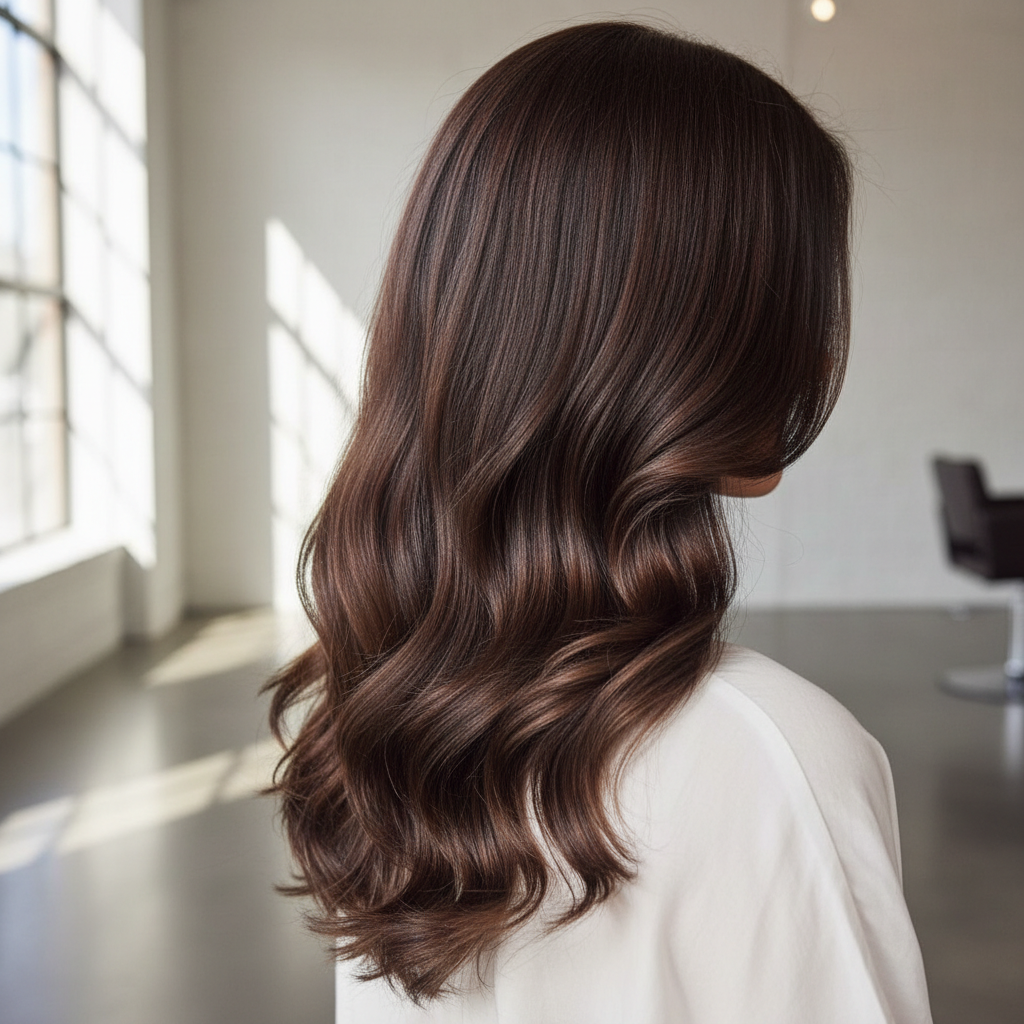
Understanding Hair Damage
Hair damage refers to any alteration that compromises the structural integrity of the hair shaft. Healthy hair is characterized by a smooth cuticle, the outermost layer of the hair, which lies flat, reflecting light and retaining moisture. When hair is damaged, the cuticle becomes raised, chipped, or even completely absent in some areas, exposing the inner cortex and leading to a range of undesirable symptoms.
Hair Structure Basics
To understand damage, it's essential to recall the basic structure of a hair strand:
- Cuticle: The outermost protective layer, composed of overlapping, scale-like cells. It guards the inner cortex and gives hair its shine and smoothness.
- Cortex: The main body of the hair, consisting of keratin proteins and melanin (pigment). It provides strength, elasticity, and determines hair colour.
- Medulla: The innermost core of the hair shaft, present in some hair types but not all. Its function is not fully understood.
Damage primarily affects the cuticle and, in more severe cases, the cortex, leading to a loss of protein and moisture.
Common Causes of Hair Damage
Hair damage can stem from various sources, often a combination of factors. These can be categorized into mechanical, chemical, and environmental stressors.
Mechanical Damage
This type of damage results from physical stress on the hair.
- Vigorous Brushing and Combing: Brushing wet hair, especially with inappropriate tools, can stretch and break the hair shaft due to its increased elasticity when wet. Similarly, aggressive brushing of dry hair can abrade the cuticle.
- Tight Hairstyles: Constant pulling from tight ponytails, braids, or buns can lead to traction alopecia and physical damage to the hair shaft.
- Rough Towel Drying: Rubbing hair roughly with a towel creates friction, roughing up the cuticle and potentially causing tangles and breakage.
Chemical Damage
Chemical processes alter the hair's internal structure, and if not managed carefully, can cause significant harm.
- Coloring and Bleaching: These processes involve opening the cuticle to deposit or remove pigment. Bleach, in particular, breaks down melanin and hair proteins, weakening the hair's disulfide bonds. Over-processing can lead to extreme porosity and breakage.
- Perms and Relaxers (Chemical Straighteners): These treatments chemically alter the hair's disulfide bonds to permanently change its texture. Incorrect application, over-processing, or overlapping on previously treated hair can severely damage the protein structure.
- Overuse of Styling Products: While less severe, certain products containing harsh alcohols can dry out hair, and improper removal or build-up can contribute to dullness and brittleness.
Heat Damage
Excessive heat is a major contributor to hair damage.
- Heat Styling Tools: Flat irons, curling irons, and blow dryers operating at high temperatures can cause the water within the hair shaft to boil, creating
Where Watermans fits
If you want a routine built around the science above, these are the products from the range that apply here: