Cuticle Care and Health: The Definitive Science-Based Guide
8 min read ·
Discover the science of Cuticle Care and Health. Learn biological mechanisms, pH balance, and proven ways to protect your hair shaft from friction and breakage.
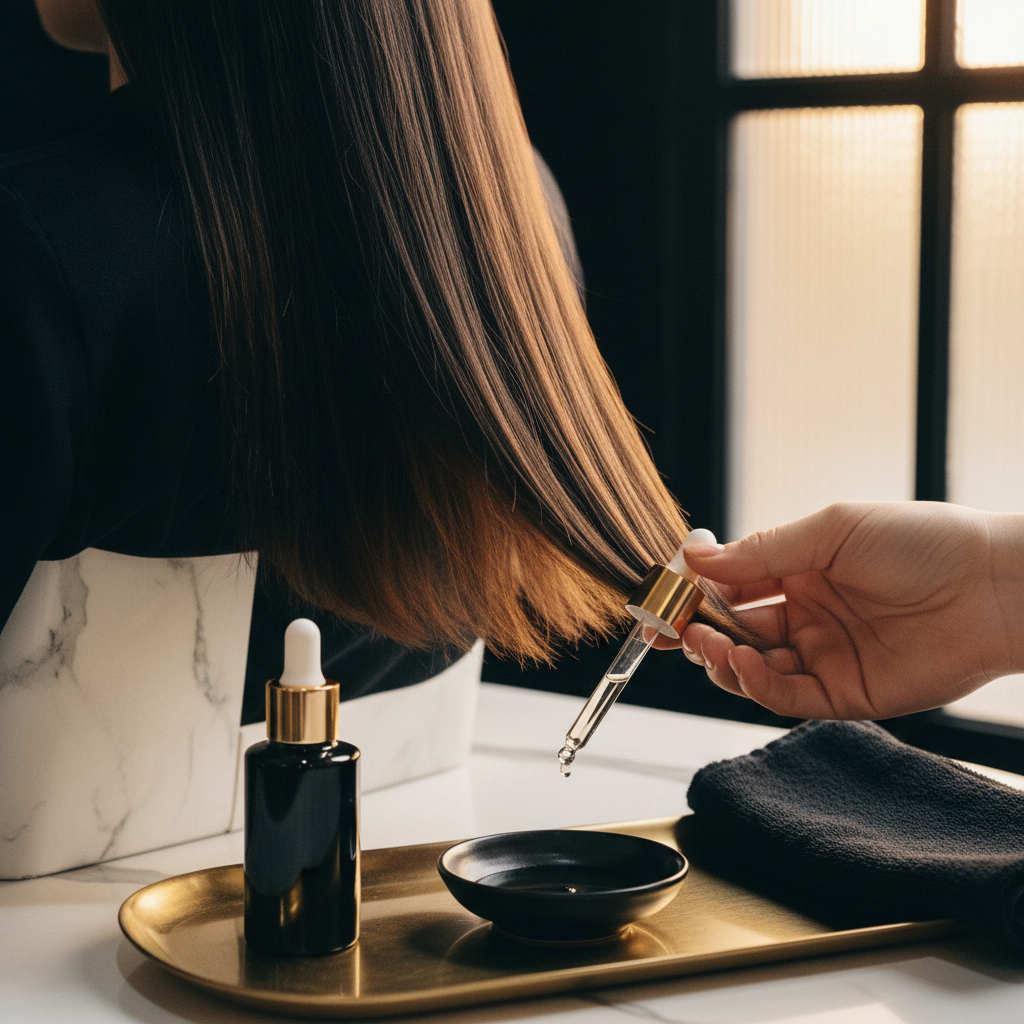
Quick answer: Effective Cuticle Care and Health relies on preserving the outermost, overlapping shingle-like layers of dead keratinocytes that shield the inner cortex of the hair shaft. Because hair fibre is non-living tissue, damaged cuticles cannot biologically regenerate or self-heal. Maintaining healthy cuticles requires preventive care: controlling washing pH, minimising friction, limiting chemical processing, and applying protective lipids or conditioning agents to smooth the scale edges and prevent irreversible structural snapping.
Key takeaways
- The hair cuticle consists of 5 to 10 overlapping cellular layers that protect the cortex and control internal moisture balance.
- Cuticle cells are non-living; once chipped, stripped, or eroded, they cannot biologically repair themselves.
- The natural isoelectric point of hair sits between pH 3.67 and 5.5. Alkaline products cause cuticles to swell and lift, increasing friction and breakage.
- Thermal tools operating above 180°C and chemical treatments degrade 18-methyleicosanoic acid (18-MEA), the primary protective lipid bound to the cuticle surface.
- Cosmetic products can temporarily smooth and coat raised cuticles to reduce friction, but physical prevention remains the only permanent defence.
Cuticle Care and Health: what the evidence shows
Scientific research reveals that Cuticle Care and Health is the single most important factor in determining the physical strength, shine, and manageability of your hair strands. Studies published in the International Journal of Trichology and the Journal of Cosmetic Science demonstrate that the cuticle acts as a hydrophobic barrier. When this barrier is intact, individual hair fibres slide past one another smoothly, resisting mechanical tangling and moisture loss.
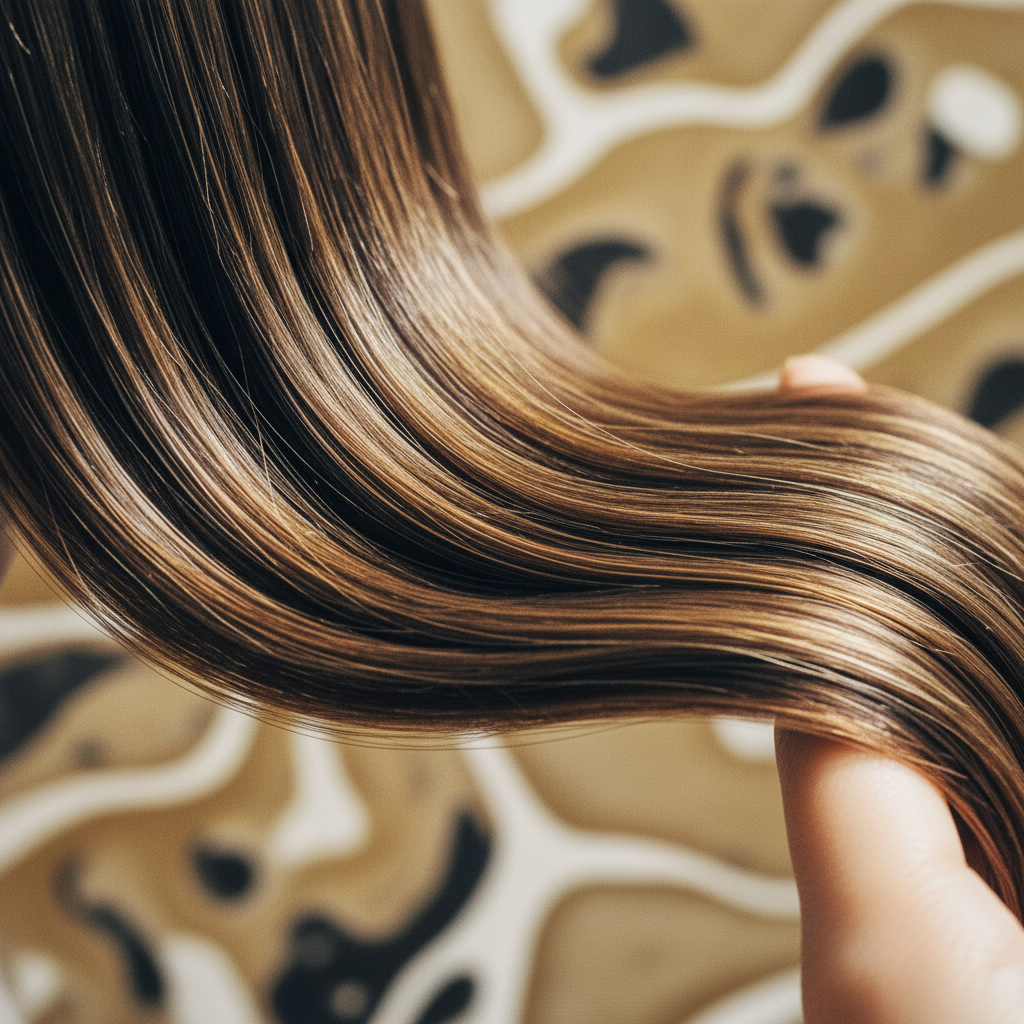
Scanning electron microscopy reveals that virgin hair cuticles lie flat, bound together by the cell membrane complex (CMC). On the outermost surface of the epicuticle sits a layer of 18-methyleicosanoic acid (18-MEA), a fatty acid covalently bonded to keratin proteins. This microscopic lipid layer makes virgin hair naturally water-repellent (hydrophobic).
When hair undergoes chemical bleaching, permanent colouring, or repeated heat styling, this 18-MEA layer is oxidised and stripped away. The fibre shifts from hydrophobic to hydrophilic (water-absorbing). As a result, water rushes into the cortex unevenly, swelling the shaft, forcing the cuticle scales upward, and leaving the inner cortex exposed to mechanical snapping.
Biological mechanism of the hair cuticle
Understanding the internal anatomy of the hair shaft explains why the cuticle requires gentle handling:
[ Epicuticle: 18-MEA lipid layer ]
 │
[ Exocuticle: High-sulfur, rigid keratin ]
 │
[ Endocuticle: Low-sulfur, soft protein matrix ]
 │
[ Cell Membrane Complex (CMC): Lipid cement ]
 │
[ Cortex: Structural keratin bundles ]
Each cuticle cell measures roughly 0.3 to 0.5 micrometres thick and about 60 micrometres long. They overlap like roof tiles, pointing toward the tip of the hair.
The outer edge of each scale contains the exocuticle, which is rich in cysteine (around 30% of its amino acid content) and highly cross-linked with disulphide bonds. This makes the exterior resilient against physical abrasion. Beneath it lies the endocuticle, a softer layer with very little cysteine.
When water penetrates the cuticle, the endocuticle swells significantly more than the rigid exocuticle. This differential swelling creates internal strain, pushing the outer scales outward. If hair remains wet for prolonged periods, repeated swelling and drying causes "hygral fatigue", weakening the cell membrane complex that glues the scales together.
Signs of cuticle erosion and damage
You cannot see individual cuticle cells without a microscope, but macroscopic symptoms clearly indicate when the cuticle layer is compromised:
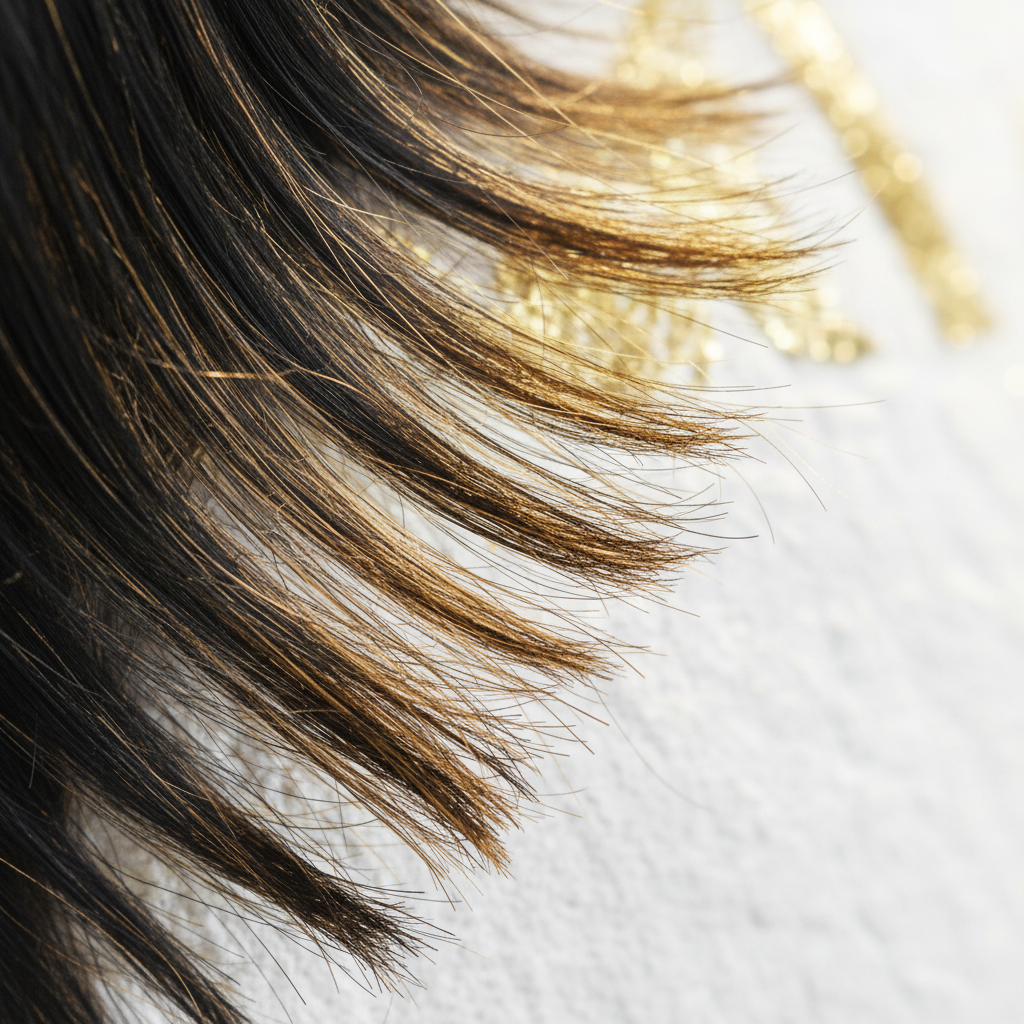
- Rough texture: The hair shaft feels coarse or raspy when you slide your fingers from the tip up toward the root.
- Lack of shine: Healthy cuticles present a flat, uniform surface that reflects light specularly. Lifted or broken scales scatter light diffusely, making hair look dull and matte.
- Severe tangling: Lifted cuticle scales act like microscopic barbs, catching on neighbouring hairs and creating stubborn friction knots.
- High porosity: Damaged hair absorbs water almost instantly when wet, but dries unevenly and loses internal hydration just as fast.
- Split ends (trichoptilosis): Complete erosion of the cuticle layer exposes the cortical fibres beneath, which unravel and split longitudinally.
Comparison of cuticle states
The following table outlines how different processing levels alter cuticle integrity and hair performance:
| Cuticle State | Surface Lipids (18-MEA) | Friction Coefficient | Moisture Behaviour | Tensile Vulnerability |
|---|---|---|---|---|
| Intact / Virgin | Fully present, highly hydrophobic | Low; fibres glide easily | Repels excess water; slow uptake | High resilience to mechanical tension |
| Mechanically Weathered | Partially worn at ends | Moderate; friction knots form | Moderate absorption | Prone to mid-shaft snapping under load |
| Chemically Treated | Severely depleted or removed | High; fibres catch and drag | Highly hydrophilic; rapid swelling | Fragile; cortex exposed to breakage |
| Heat-Degraded (>200°C) | Melted / degraded | High; uneven surface | Porous; brittle when dehydrated | High risk of bubble hair and fracture |
What you can do to protect your cuticles
Because cuticles cannot self-repair, long-term care revolves around shielding the remaining scales from physical, thermal, and chemical trauma.
1. Maintain an optimal pH environment
Hair has an isoelectric point between pH 3.67 and 5.5, where its positive and negative electrical charges are perfectly balanced. Alkaline environments (shampoos with a pH above 6.0, hard tap water, or chemical relaxers) create a negative net surface charge that forces cuticle scales to flare. Using slightly acidic shampoos and conditioners (pH 4.5 to 5.5) neutralises this charge, flattening the scales and minimising friction.
2. Guard against wet friction
Hair is at its weakest when wet. Water breaks the hydrogen bonds that give keratin its temporary shape, allowing the fibre to stretch up to 30% beyond its resting length before breaking. Never vigorously rub wet hair with a standard cotton loop towel. Instead, gently squeeze excess water using a smooth microfibre cloth, and detangle using a wide-tooth comb or flexible detangling brush, working upwards from the ends to the roots.
3. Lower heat exposure
Thermal styling tools break down the keratin matrix. Temperatures above 150°C begin to denature hair proteins, while temperatures above 180°C can cause microscopic blistering and cracks in the cuticle scales. Keep stylers below 180°C, and always apply a heat protectant containing silicones, polyquaterniums, or plant-derived lipids to create a sacrificial thermal shield.
4. Seal the fibre with conditioning agents
Cationic (positively charged) surfactants such as behentrimonium chloride, along with silicones and natural plant oils, adhere electrostatically to negatively charged damaged spots on the cuticle. While they do not "repair" the scale, they temporarily fill microscopic voids, replicate the missing 18-MEA lipid layer, and slash combing friction by up to 50%.
When the cause is something else
It is vital to distinguish between cuticle damage and internal biological issues. Cuticle degradation leads directly to hair breakage (hair snapping along the length of the shaft). It does not cause hair shedding (hairs dropping out from the root with the white bulb intact) or hair loss (follicular miniaturisation, such as androgenetic alopecia).
If your hair is thinning across the crown, widening at the parting, or coming out in large clumps from the scalp, the issue lies within the follicle or systemic biology, not the cuticle layer. Cuticle treatments will improve the manageability of the remaining strands, but they will not stop follicular shedding or medical hair loss.
When to seek professional advice
Consult a consultant trichologist or dermatologist if you experience sudden, diffuse hair shedding, scalp redness, itching, pain, or patchy bald spots. These are medical symptoms that require clinical assessment.
Conversely, visit an experienced professional hair stylist if you notice extreme split ends that travel upwards, severe heat-induced bubble hair, or chemical mushiness following bleach. In these cases, the cuticle has eroded completely, and a controlled mechanical trim is the only way to stop the split from destroying the rest of the hair shaft.
Supporting cuticle integrity with Watermans
Cosmetic formulations play a key role in reducing everyday cuticle stress. Watermans focuses on balancing scalp conditions while delivering botanical extracts and hydrolysed proteins that temporarily reinforce the surface of fragile hair shafts. By cleansing gently without harsh stripping and smoothing the outer fibre, these formulations help reduce the mechanical friction that wears cuticles down over time.
Frequently asked questions about Cuticle Care and Health
Can a damaged hair cuticle ever repair itself?
No. Hair fibres are non-living biological structures formed from dead, keratinised cells. Once a cuticle scale chips, cracks, or wears away, the body cannot regenerate it. Cosmetic treatments, oils, and conditioners can temporarily fill the gaps and coat the surface to prevent further degradation, but true Cuticle Care and Health relies on protecting the existing structure from ongoing wear.
How does water temperature affect the hair cuticle?
Contrary to popular salon myths, cold water does not physically "shut" hair cuticles like a muscle. Cuticles do not have nerves or muscles to open and close in response to temperature. However, washing with extremely hot water can soften the cuticle lipids and strip away natural protective sebum, making lukewarm water the safest option for routine washing.
Does hard water damage the hair cuticle?
Yes. Hard water contains dissolved calcium and magnesium ions. These minerals bind to the negatively charged protein sites on lifted cuticles, forming an insoluble film. This build-up makes hair feel stiff, rough, and dry, which raises combing friction and accelerates mechanical cuticle chipping during daily styling.
What is the ideal pH for maintaining healthy cuticles?
The ideal pH for hair cleansers and conditioning products is between 4.5 and 5.5. At this slightly acidic level, the hair shaft remains near its natural isoelectric point, keeping the cuticle scales contracted, smooth, and resistant to mechanical abrasion.
How often should I trim hair to preserve cuticle health?
Trimming hair every 8 to 12 weeks removes the oldest, most weathered section of the fibre where the cuticle layer has naturally eroded. Removing these worn ends stops split ends from migrating upwards into healthy hair shafts where the cuticles are still fully intact.
Maintaining lasting cuticle strength
Prioritising Cuticle Care and Health is the foundation of durable, manageable, and vibrant hair. Because this outer shield cannot biologically regenerate once lost, consistent preventive habits make all the difference. By keeping washing products within a mildly acidic pH range, protecting the shaft from excessive thermal and chemical stress, and minimising rough mechanical handling, you safeguard the microscopic scales that keep the inner cortex strong and resilient for years to come.
Sources and references
- International Journal of Trichology, "Hair Cosmetics: An Overview", 2015.
- Journal of Cosmetic Science, "The structure and properties of the hair cuticle", 2005.
- Skin Appendage Disorders, "Shampoo and Conditioners: What a Dermatologist Should Know?", 2019.
- Biophysical Journal, "Nanomechanical Properties of the Hair Cuticle Layer", 2011.