Conditioners: Types & Benefits
4 min read ·
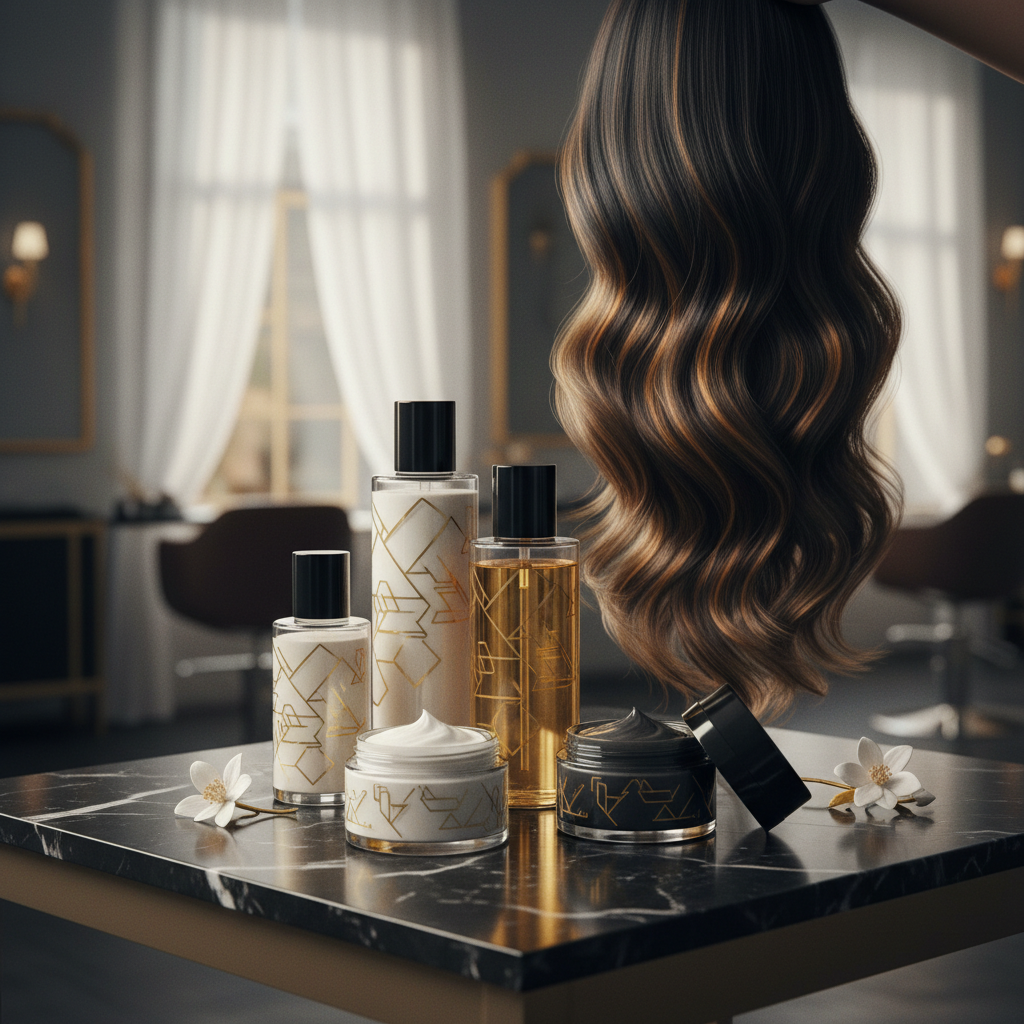
Conditioners are essential haircare products that improve hair's manageability, appearance, and protection by smoothing the cuticle and providing hydration.
The Science of Conditioning
Conditioners are integral to maintaining healthy hair. After shampooing, hair can feel rough and be difficult to detangle. This is because shampoo, while effective at cleansing, can lift the hair's outermost layer, the cuticle. A raised cuticle makes hair susceptible to damage, dryness, and tangling.
Conditioners primarily function by smoothing and sealing the cuticle. They achieve this using a variety of ingredients, including cationic surfactants, humectants, and emollients. Cationic surfactants, which have a positive charge, are attracted to the negatively charged hair shaft. This attraction helps to flatten the cuticle, leading to a smoother surface. Humectants draw moisture from the air into the hair, while emollients create a protective barrier that reduces moisture loss.
Key Benefits of Conditioning
Regular use of conditioner provides numerous benefits for hair health and appearance:
- Improved Detangling: By smoothing the cuticle, conditioners reduce friction between hair strands, making detangling easier and minimizing breakage during combing.
- Enhanced Shine: A flattened cuticle reflects light more effectively, resulting in a shinier, more lustrous appearance.
- Reduced Frizz: Frizz often occurs when the hair cuticle is raised, allowing moisture to penetrate and swell the hair shaft. Conditioners help to seal the cuticle, preventing this effect.
- Increased Softness and Smoothness: Conditioning agents deposit a thin film on the hair shaft, imparting a soft, silky feel.
- Protection from Damage: The protective layer formed by conditioners can shield hair from environmental aggressors, heat styling, and mechanical stress.
- Hydration: Many conditioners contain humectants and emollients that help maintain optimal moisture levels within the hair.
Types of Conditioners
Conditioners are formulated to address various hair types and concerns. Understanding the different types available allows for tailored hair care.
Rinse-Out Conditioners
These are the most common type of conditioner, applied after shampooing and rinsed thoroughly from the hair. They are designed for daily or frequent use and provide basic hydration, detangling, and cuticle smoothing.
Leave-In Conditioners
Applied to clean, damp hair and not rinsed out, leave-in conditioners offer continuous conditioning and protection. They are particularly beneficial for dry, damaged, or curly hair, providing extra moisture, frizz control, and heat protection. Leave-in conditioners often have lighter formulations to avoid weighing down the hair.
Deep Conditioners (Hair Masks)
These are more intensive treatments designed to provide a higher concentration of conditioning agents. Deep conditioners are typically used once or twice a week and left on the hair for a longer period (5-30 minutes) to allow for deeper penetration. They are excellent for repairing damaged hair, restoring moisture, and improving elasticity.
Cleansing Conditioners (Co-wash)
Cleansing conditioners are a hybrid product that gently cleanse and condition the hair simultaneously. They contain mild cleansing agents and a higher proportion of conditioning ingredients than traditional shampoos. Co-washing is popular among individuals with dry, curly, or coily hair as it helps to retain natural oils and prevent over-drying.
Dry Conditioners
Similar to dry shampoo, dry conditioners are designed to be used on dry hair between washes. They typically come in a spray form and contain light oils and silicones to smooth the hair, reduce frizz, and add shine without requiring water. They are a convenient option for an instant refresh.
Specialized Conditioners
Many conditioners are formulated with specific concerns in mind:
- Volumizing Conditioners: These often contain lighter ingredients that condition without weighing down fine hair, sometimes incorporating polymers to add body.
- Colour-Safe Conditioners: Formulated to help preserve hair colour by minimizing stripping and protecting against UV fading.
- Smoothing/Frizz-Control Conditioners: Contain ingredients that specifically target frizz by smoothing the cuticle and providing humidity resistance.
- Scalp Conditioners: Focus on nourishing and balancing the scalp environment, often containing ingredients like tea tree oil or salicylic acid.
Choosing the Right Conditioner
Selecting the appropriate conditioner depends on hair type, texture, and specific concerns. Here's a general guide:
| Hair Type/Concern | Recommended Conditioner Type |
|---|---|
| Fine, Oily Hair | Rinse-out, Volumizing, Lighter formulations |
| Dry, Damaged Hair | Leave-in, Deep Conditioner |
| Curly, Coily Hair | Leave-in, Cleansing Conditioner, Deep Conditioner |
| Colour-Treated Hair | Colour-safe, Rinse-out, Deep Conditioner |
| Frizzy Hair | Leave-in, Smoothing/Frizz-Control |
It is important to tailor your conditioning routine to your hair's unique needs. For example, individuals with very fine hair may find heavy deep conditioners too much, while those with thick, coily hair may benefit from layering leave-in products. The Watermans range includes formulations that cater to various hair needs, ensuring optimal conditioning for different hair types.
Application Best Practices
For optimal results, apply conditioner primarily to the mid-lengths and ends of the hair, where it is typically driest and most prone to damage. Applying too much conditioner or applying it directly to the scalp can sometimes lead to product buildup or weigh down fine hair. Gently comb the conditioner through the hair with your fingers or a wide-tooth comb to ensure even distribution and aid in detangling. After allowing it to sit for the recommended time, rinse thoroughly with cool water to help seal the cuticle and enhance shine.