Choosing the Right Hair Products: An Evidence-Based Guide
10 min read ·
Choosing the Right Hair Products involves understanding your hair's unique needs, deciphering ingredient lists, and aligning product functions with specific concerns to achieve optimal hair health and appearance.
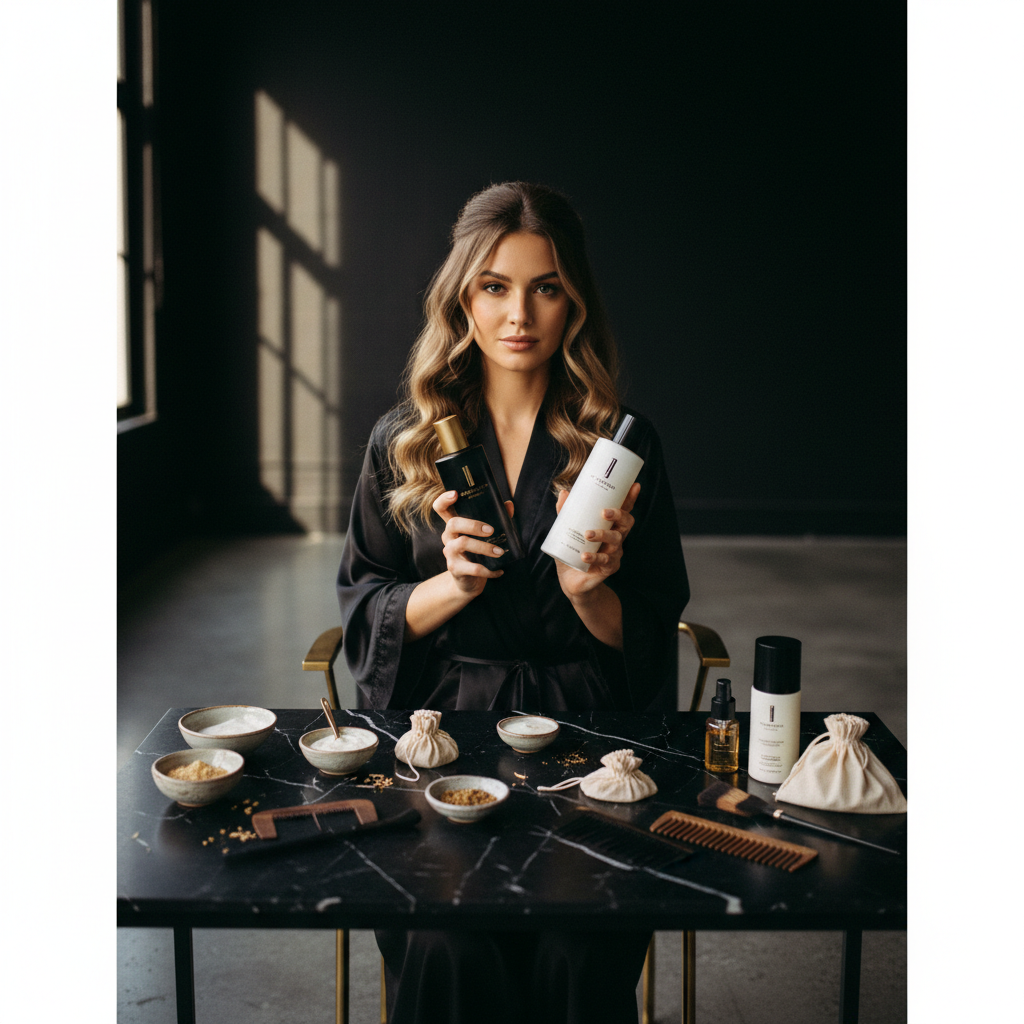
Quick answer: Choosing the Right Hair Products is a nuanced process that hinges on accurately identifying your hair type, texture, and primary concerns, then selecting formulations with ingredients known to support those needs. This approach moves beyond generic claims, focusing instead on how product components interact with hair biology. However, cosmetic products are limited to improving the appearance and feel of hair and scalp, not treating medical conditions. There's no single "best" product, only the right one for your individual hair profile.
Key takeaways
- Your hair's characteristics (type, texture, porosity) are the foundation for Choosing the Right Hair Products.
- Understanding ingredient categories, such as surfactants, conditioning agents, and humectants, helps in selecting effective formulations.
- Addressing specific concerns like frizz, damage, or scalp oiliness requires targeted products and consistent application.
- Cosmetic products improve hair appearance and feel; they do not treat underlying medical conditions affecting hair or scalp.
- Patch testing new products and observing your hair's response over time is crucial for long-term success.
Choosing the Right Hair Products: what the evidence shows
Choosing the Right Hair Products effectively relies on a scientific understanding of hair structure, common concerns, and how various ingredients interact with the hair fibre and scalp. There is no one-size-fits-all solution; instead, selection should be guided by individual hair characteristics and desired outcomes. Hair is a complex protein fibre, primarily keratin, and its condition is influenced by genetics, environment, and care practices.
Understanding your hair's unique profile
Before you can begin Choosing the Right Hair Products, it's essential to identify your hair's specific characteristics. This includes its type, texture, and porosity. These factors dictate how well hair retains moisture, how easily products penetrate or coat the strands, and its susceptibility to damage.
- Hair Type (Scalp Condition): This refers to the level of sebum (natural oil) production on your scalp, which impacts the hair from the roots.
- Oily Scalp: Characterised by excessive sebum production, often leading to lank or greasy hair. Products for this type typically contain gentle cleansing agents to remove excess oil without over-stripping, and ingredients that help regulate sebum production. (See also: Oily Scalp Care, Sebum Regulation).
- Dry Scalp: Occurs when the scalp produces insufficient sebum, resulting in dryness, flakiness, and often dull-looking hair. Moisturising shampoos and conditioners, often containing emollients and humectants, are beneficial.
- Normal Scalp: Exhibits balanced sebum production, meaning the hair is neither excessively oily nor dry. This type generally tolerates a wider range of products but still benefits from balanced cleansing and conditioning.
- Hair Texture (Strand Shape and Diameter): This describes the natural shape (straight, wavy, curly, coily) and diameter (fine, medium, coarse) of individual hair strands. These attributes affect how products are distributed and how hair behaves.
- Fine Hair: Thin in diameter, easily weighed down, often prone to oiliness. Benefits from lightweight, volumising products.
- Medium Hair: The most common texture, offers good balance of strength and flexibility.
- Coarse Hair: Thick in diameter, often feels rough, can be resistant to styling, and may be prone to dryness. Benefits from rich, moisturising products.
- Straight Hair: Lacks natural curl, sebum travels easily down the shaft, potentially leading to oiliness.
- Wavy Hair: Forms a gentle "S" shape, prone to frizz and can require products that define waves without heaviness.
- Curly Hair: Characterised by distinct loops and spirals. Tends to be drier because sebum struggles to travel down the curved shaft. Requires moisture-rich and curl-defining products. (See also: Caring for Curly Hair).
- Coily Hair: Features tight, dense, spring-like coils. This hair type is typically the driest and most fragile, demanding rich emollients, humectants, and protective styles to retain moisture and prevent breakage. (See also: How to Care for Afro Hair, Moisturizing Afro Hair).
- Hair Porosity: This describes your hair's ability to absorb and retain moisture. It's determined by the state of your hair's cuticle layer.
- Low Porosity: Cuticles are tightly bound, making it difficult for moisture to penetrate. Products may sit on the surface. Benefits from lightweight hydrators and heat to open the cuticle. (See also: Understanding Hair Porosity).
- Medium Porosity: Cuticles are slightly raised, allowing for good moisture absorption and retention. Most products work well.
- High Porosity: Cuticles are raised or damaged, leading to quick moisture absorption but also rapid loss. Can be a result of damage from chemical treatments or heat. Requires rich, sealing products to lock in moisture and smooth the cuticle. (See also: Hair Damage).
Targeting specific hair and scalp concerns
Beyond basic hair characteristics, many individuals have specific concerns that influence Choosing the Right Hair Products. These can range from manageability issues to concerns about hair shedding or breakage.
- Hair Breakage: This occurs when the hair shaft physically snaps. Common causes include excessive heat styling, chemical treatments, aggressive brushing, or lack of moisture. Products designed to strengthen the hair fibre, improve elasticity, and reduce friction are beneficial. Look for ingredients like hydrolysed proteins or conditioning agents that smooth the cuticle. (See also: Hair Damage, Heat Styling Safety Best Practices).
- Frizz: Often a sign of compromised cuticle layers, allowing humidity to enter the hair shaft and cause swelling. Anti-frizz products work by smoothing the cuticle and sealing moisture into the hair. Ingredients such as silicones, natural oils, and humectants (used appropriately) can help. (See also: How to Reduce Frizz in Hair, Dealing with Frizzy Hair).
- Dryness: Hair that lacks sufficient moisture appears dull, feels rough, and is prone to breakage. Products rich in emollients, humectants, and occlusives are crucial for hydrating and sealing moisture into the hair shaft. (See also: Hair Hydration, Hair Moisturizers).
- Damage (Chemical or Heat): Hair compromised by colour treatments, perms, relaxers, or frequent heat styling requires reparative formulations. These often contain proteins to temporarily fill gaps in the hair shaft, conditioning agents to smooth the cuticle, and ingredients that aim to improve overall fibre integrity. (See also: Chemical Hair Treatments, Heat Styling).
- Dandruff and Scalp Irritation: These are often linked to an imbalance in the scalp's microbiome or inflammatory responses. Specialised shampoos with active ingredients like zinc pyrithione, selenium sulphide, or ketoconazole are used for dandruff. Soothing ingredients like allantoin or bisabolol can help with irritation. (See also: Dandruff: Causes and Treatments Explained, Understanding Scalp Health).
- Product Build-up: Residue from styling products, oils, or even mineral deposits from hard water can accumulate on the hair and scalp, leading to dullness, limpness, or irritation. Clarifying shampoos are designed to remove this build-up. (See also: How to Do a Clarifying Wash, Hard Water and Hair Damage).
Deciphering ingredient lists
When Choosing the Right Hair Products, understanding common ingredient categories is more empowering than memorising specific product names. Ingredients are typically listed in order of concentration, from highest to lowest.
| Ingredient Category | Primary Function | Examples | Hair Benefits & Considerations |
|---|---|---|---|
| Surfactants | Cleansing (removing oil, dirt, product residue) | Sodium Laureth Sulfate, Coco-Glucoside, Cocamidopropyl Betaine | Can range from strong (sulfates, for deep cleansing) to very mild (non-ionic, for gentle cleansing). Stronger surfactants can be drying for some hair types. (See also: The Benefits of Sulfate-Free Hair Products). |
| Conditioning Agents | Detangling, smoothing, reducing static, improving manageability | Cetearyl Alcohol, Behentrimonium Chloride, Polyquaternium-10 | Cationic (positively charged) ingredients that adhere to the negatively charged hair surface. Vary in weight; heavier for dry/curly hair, lighter for fine/oily hair. (See also: The Science of Conditioners). |
| Emollients/Oils | Softening, moisturising, adding shine, reducing friction | Argan oil, Jojoba oil, Shea butter, Coconut oil | Create a protective film, improving elasticity and reducing moisture loss. Beneficial for dry, coarse, or damaged hair. Can weigh down fine or oily hair if used in excess. |
| Humectants | Attracting and retaining moisture from the air | Glycerin, Hyaluronic Acid, Panthenol (Provitamin B5) | Draw water into the hair shaft. Excellent for hydration, but in very high humidity, some can draw too much moisture, potentially causing frizz, or in very dry conditions, draw moisture out. (See also: Humectants: Understanding How They Hydrate and Protect Your Hair). |
| Proteins | Strengthening, repairing temporary damage, adding elasticity | Hydrolysed Wheat Protein, Keratin, Silk Amino Acids, Lupin Protein | Temporarily fill gaps in the cuticle, strengthening weak or damaged hair. Can make hair stiff if overused, especially on healthy hair. (See also: Hydrolysed Wheat Protein, Lupin Protein). |
| Silicones | Smoothing, adding shine, detangling, heat protection | Dimethicone, Cyclopentasiloxane, Amodimethicone | Form a protective barrier, reducing friction and frizz. Some are water-soluble and easily removed; others require stronger surfactants to prevent build-up. |
| Actives (Scalp/Hair Growth) | Targeting specific concerns like scalp health or hair density | Rosemary Extract, Peppermint Oil, Biotin, Niacinamide | Found in specialised treatments; efficacy depends on concentration, formulation, and individual response. (See also: Rosemary Extract, Peppermint oil). |
When to get professional advice
While Choosing the Right Hair Products can significantly improve hair appearance and feel, it's important to recognise their limitations. Haircare products are cosmetic and cannot treat underlying medical conditions. If you're experiencing persistent scalp irritation, significant hair shedding (more than 50 to 100 hairs per day consistently), sudden hair loss, or changes in hair growth patterns, it's advisable to consult a dermatologist or trichologist. These professionals can diagnose conditions like alopecia, severe dandruff, or other dermatological issues and recommend appropriate medical treatments.
Frequently asked questions about Choosing the Right Hair Products
How often should I change my hair products?
There's no strict rule for how often to change products. If your current regimen is effectively addressing your hair's needs and concerns, there's no need to switch. However, factors like seasonal changes, hormonal shifts, or chemical treatments can alter your hair's requirements, making it beneficial to re-evaluate your products every few months. Observing your hair's response is key to Choosing the Right Hair Products that continue to work for you.
Can hair become "immune" to products?
Hair doesn't become "immune" to products. What often happens is product build-up, especially from heavier conditioners or styling products, which can make hair feel dull, heavy, or unresponsive. A clarifying wash can typically resolve this. Sometimes, your hair's needs simply change due to environmental factors, aging, or chemical processes, requiring a different approach to Choosing the Right Hair Products.
Are expensive hair products always better?
Not necessarily. Price doesn't always correlate with effectiveness. While some premium products use higher concentrations of beneficial ingredients or more advanced formulations, many affordable options can be just as effective if they contain the right ingredients for your hair's needs. The key is to focus on ingredient lists and your hair's response, rather than just the price tag when Choosing the Right Hair Products.
How long does it take to see results from new hair products?
This varies depending on the product type and concern. For cosmetic benefits like improved shine, detangling, or reduced frizz, you might see results immediately or within a few washes. For products targeting scalp health or aimed at strengthening hair to reduce breakage, it can take 4 to 6 weeks to observe noticeable changes, as these processes involve slower cellular turnover or gradual improvements to the hair fibre. Consistency is crucial.
What's the difference between hair loss, hair shedding, and hair breakage?
This is a crucial distinction. Hair loss (alopecia) refers to a reduction in the number of hair follicles actively producing hair. Hair shedding (telogen effluvium) is a temporary increase in the natural loss of hairs from the follicle. Hair breakage, on the other hand, is when the hair fibre snaps along its shaft, usually due to damage. Haircare products are primarily designed to address hair breakage and improve the condition and appearance of existing hair, not to treat true hair loss or shedding. (See also: Hair Damage).
Watermans and Choosing the Right Hair Products
At Watermans, our formulations are developed with an understanding of hair biology and common hair concerns. For example, our range includes products designed to support a healthy-looking scalp and contribute to the appearance of fuller, stronger-feeling hair. Ingredients like biotin, niacinamide, and hydrolysed wheat protein, which are found in some Watermans products, are selected for their known cosmetic benefits to the hair and scalp. When Choosing the Right Hair Products from Watermans, consider your specific needs. For those seeking to support the appearance of hair density, our [Hair Growth Shampoo](https://watermanshair.com/products/best-hair-growth-shampoo-fast-hair-growth) and Conditioner contain active ingredients aimed at creating an optimal scalp environment. For intense moisture and repair for very dry or damaged hair, our Masque Me Luxurious Hair Mask offers a rich treatment. Our Frojus range is specifically formulated to moisturise and protect afro, curly, and wavy hair types, addressing their unique hydration and breakage prevention needs.
Sources and references
- American Academy of Dermatology Association, "Hair care: How to choose a shampoo", aad.org
- British Association of Dermatologists, "Hair loss (alopecia)", bad.org.uk
- Draelos, Z. D. (2010). Hair cosmetics. Clinics in Dermatology, 28(4), 398-403.
- Gavazzoni Dias, M. F. R. (2015). Hair cosmetics: An overview. International Journal of Trichology, 7(1), 2-15.
- Sethi, N., & Puri, A. (2011). Review on hair mousse and hair gels. International Journal of Pharmacy and Pharmaceutical Sciences, 3(Suppl 2), 34-39.
- The Trichological Society, "Hair structure and chemistry", hairscientists.org
Find these ingredients in Watermans products
- Zinc: you will find this ingredient in our Hair Vitamins.
- Shea Butter: you will find this ingredient in our Curly Hair Conditioner.