Product Layering in Haircare
5 min read ·
Product layering in haircare involves applying multiple products in a specific order to achieve enhanced results, addressing various hair concerns simultaneously.
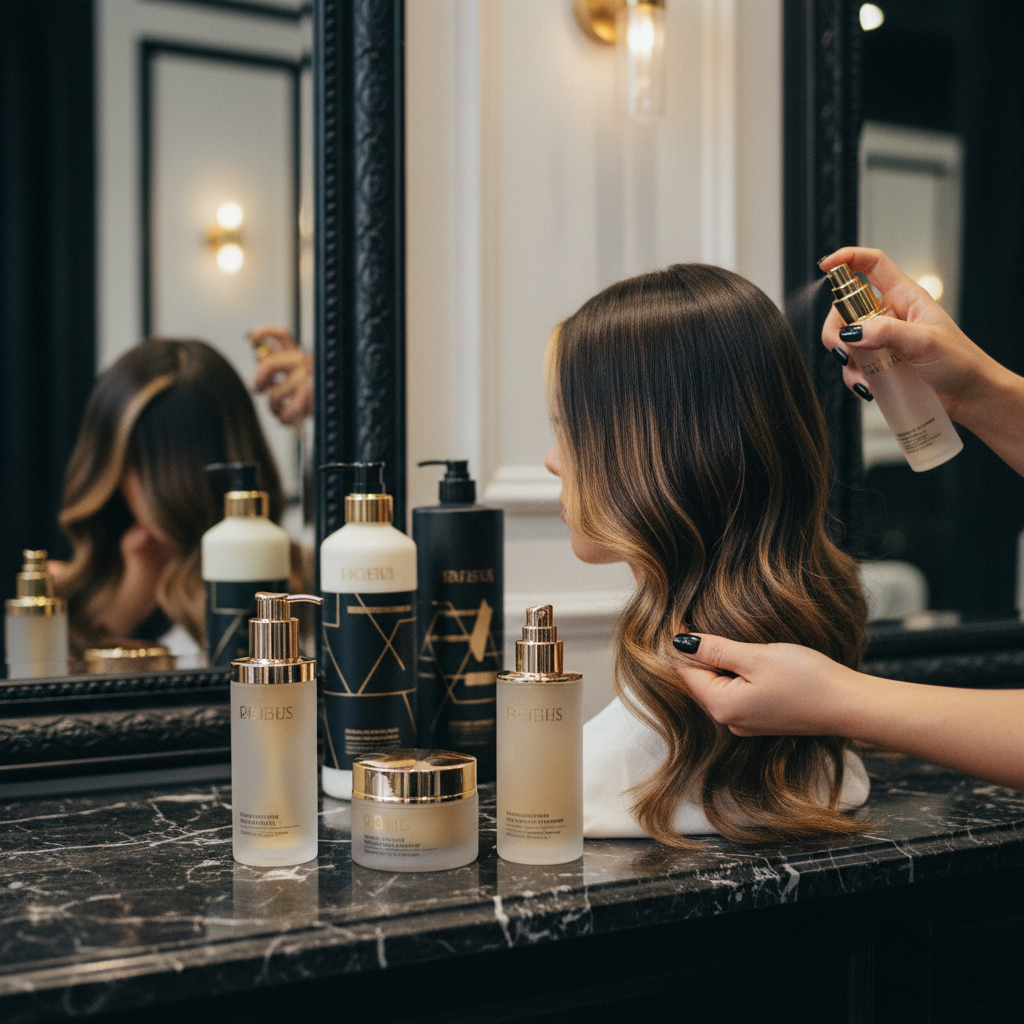
The Fundamentals of Product Layering
Product layering is a strategic approach to haircare where multiple products are applied sequentially to the hair. This method aims to maximise the benefits of each product, address diverse hair needs, and achieve a desired style or condition that a single product might not deliver alone. The effectiveness of layering lies in understanding how different product formulations interact and absorb, and applying them in an order that optimizes their individual functions.
Why Layer Products?
The primary reasons for product layering include:
- Targeted Treatment: Addressing multiple hair concerns simultaneously, such as dryness at the ends and oiliness at the roots.
- Enhanced Performance: Creating a synergistic effect where products work together to deliver results greater than the sum of their individual parts.
- Customization: Tailoring a haircare routine to specific hair types, textures, and styling needs.
- Protection: Building layers of defense against environmental damage, heat styling, and chemical processes.
The Golden Rule: Lightest to Heaviest
The most universally accepted principle of product layering is to apply products from the thinnest consistency to the thickest. This ensures that lighter, water-based products can penetrate the hair shaft effectively before heavier, oil-based or film-forming products create a barrier.
- Water-Based/Light Formulas: These typically absorb quickly and deliver hydration or active ingredients directly to the hair's cortex.
- Creams/Lotions: These provide conditioning, light hold, and some level of moisture sealing.
- Oils/Serums: These form a protective barrier, add shine, seal in moisture, and provide a polished finish.
- Gels/Mousses/Pomades (Styling Aids): These are generally applied last to set a style, provide strong hold, or add texture.
Common Layering Sequences
While the "lightest to heaviest" rule is a solid foundation, the exact sequence can vary based on hair type, desired outcome, and the specific products being used.
Post-Wash Layering (Wet Hair)
This sequence focuses on preparing the hair for styling, detangling, and providing initial treatment.
- Leave-in Conditioner/Detangler: Applied to damp, towel-dried hair to provide immediate hydration, improve manageability, and reduce friction during detangling. These are typically lightweight and water-based.
- Treatment Serum/Oil (Light): A lightweight serum or oil can be applied next to provide additional nourishment or target specific concerns like frizz or heat protection. This layer also prepares the hair for subsequent styling products.
- Styling Mousse/Cream: If volume, hold, or frizz control is desired for air-drying or blow-drying, a mousse or styling cream is applied evenly. These products can define curls or provide a foundation for heat styling.
Styling Layering (Damp to Dry Hair)
This stage involves products that help shape the hair and provide hold, often used in conjunction with heat styling.
- Heat Protectant: Crucial for any heat styling. Heat protectants form a barrier on the hair shaft, reducing thermal damage. They are often mist-form or lightweight lotions.
- Volumizer/Root Lifter: Applied precisely to the roots or areas where volume is desired.
- Firm-Hold Product (Gel/Strong Mousse): For styles requiring significant hold and definition, a stronger gel or mousse is applied as hair dries.
Finishing Layering (Dry Hair)
These products are applied to dry, styled hair to add shine, control flyaways, or provide a final hold.
- Shine Serum/Oil (Heavy): A small amount of a heavier oil or shine serum can be worked through the mid-lengths and ends to add luster and smooth the cuticle. Care should be taken not to over-apply, especially on fine hair.
- Hairspray/Finishing Spray: Applied as the final step to lock in the style and provide humidity resistance.
Understanding Product Interactions
Not all products are designed to be layered, and some combinations can lead to undesirable results. For instance, layering too many silicone-heavy products can cause product buildup, weighing down hair and diminishing shine. Conversely, certain ingredient combinations can enhance efficacy.
| Product Type | Primary Function | Layering Considerations |
|---|---|---|
| Leave-in Conditioner | Hydration, Detangling | Essential first step on wet hair. Choose lightweight for fine hair, richer for thick/dry hair. |
| Hair Oil | Shine, Moisture Seal, Frizz Control | Lighter oils can go before creams; heavier oils or serums are best for finishing. Avoid over-application. |
| Styling Cream | Soft Hold, Definition, Moisture | Good for frizz control and defining natural textures. Can be layered after leave-ins, before stronger hold products. |
| Mousse | Volume, Hold, Texture | Applied to roots or throughout for body. Can be used alone or layered with leave-ins. |
| Heat Protectant | Thermal Barrier | Apply before any heat styling. Often contains silicones, so be mindful of total silicone load if using other silicone products. |
| Hairspray | Strong Hold, Finish | Always the final step. |
Tips for Successful Layering
- Use Small Amounts: Start with a pea-sized amount of each product and add more only if needed. Over-application is the most common mistake and leads to greasy, heavy hair.
- Distribute Evenly: Focus application on areas that need it most, and use a comb or your fingers to ensure even distribution.
- Understand Your Hair: Fine hair can be easily weighed down; thick, coarse, or curly hair often benefits from more layers and richer products.
- Read Labels: Pay attention to product descriptions and instructions. Some products are specifically designed to be used in conjunction with others from the same line or for particular purposes.
- Allow Absorption Time: Give each layer a moment to absorb or settle before applying the next, especially with richer products on damp hair. This prevents products from just sitting on top of each other and not performing optimally.
- Avoid Over-Layering: Too many layers can lead to product overload, making hair feel heavy, sticky, or look dull. If your hair feels coated, you might be using too many products or too much of each.
Product layering is an art that can be perfected with practice and observation. By understanding the principles and experimenting with different combinations, you can create a personalized haircare regimen that addresses your unique needs and achieves your desired results without weighing down the hair. Using products specifically formulated for healthy hair growth, such as Watermans Hair growth shampoo and conditioner, as your foundational wash routine, can also provide a clean slate for effective layering and enhanced overall hair health.