How to Choose the Right Hair Products for Your Hair Type and Concerns
9 min read ·
Understanding how to choose the right hair products is key to maintaining healthy hair and addressing specific concerns effectively.
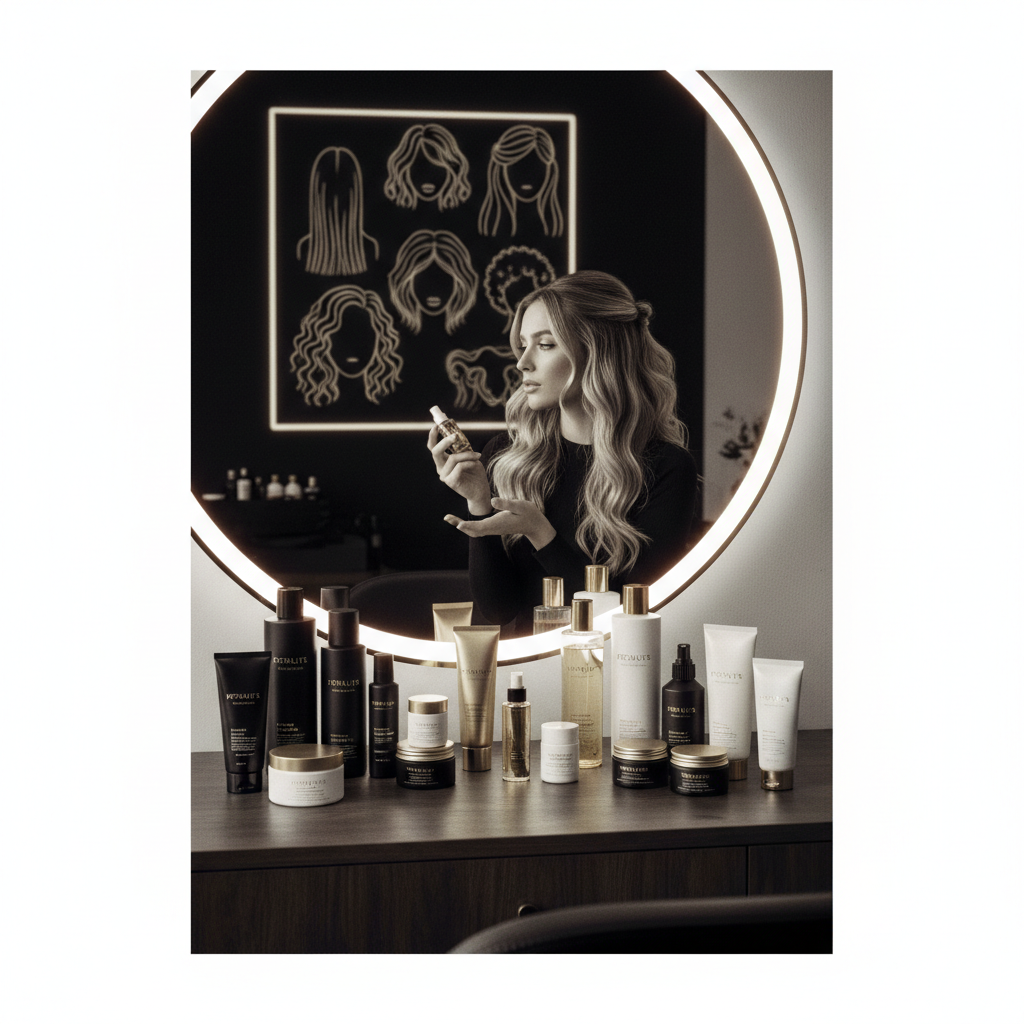
Quick answer: How to Choose the Right Hair Products involves a holistic approach, considering your hair type, scalp condition, and specific concerns like dryness, oiliness, damage, or fine hair. No single product suits everyone, and the most effective strategy combines understanding basic hair science with careful ingredient review, rather than relying solely on marketing claims. The main limitation is that individual results can vary greatly, even with products tailored to your needs. This article helps you make informed choices based on evidence-backed principles.
Key takeaways
- Understand your hair type and scalp condition first. Products are formulated differently for oily, dry, fine, thick, straight, wavy, curly, or coily hair, and a healthy scalp is foundational for healthy hair growth.
- Identify your primary hair concerns. Are you dealing with breakage, frizz, lack of volume, dullness, or chemical damage? Specific concerns require targeted ingredients.
- Learn to read ingredient lists. Look for beneficial ingredients like humectants for dryness, proteins for strength, and gentle surfactants for sensitive scalps. Avoid harsh or irritating compounds.
- Consider the product's pH level. Products with a pH between 3.5 and 5.5 are generally best for maintaining the hair cuticle's integrity and scalp health.
- Patch test new products. Especially for those with sensitive skin or allergies, apply a small amount to an inconspicuous area before full use to check for adverse reactions.
- Be patient and observe results. It takes time to see the full effects of a new product regimen. Track changes in your hair's appearance and feel over several weeks.
How to Choose the Right Hair Products: what the evidence shows
Choosing the right hair products is less about finding a miracle solution and more about understanding your unique hair biology and product chemistry. Hair is primarily composed of keratin protein, and its structure (straight, wavy, curly, coily), texture (fine, medium, coarse), porosity (how easily it absorbs moisture), and the condition of your scalp all influence what products will be most beneficial. Effective product selection supports the natural integrity of the hair shaft and maintains a balanced scalp environment.
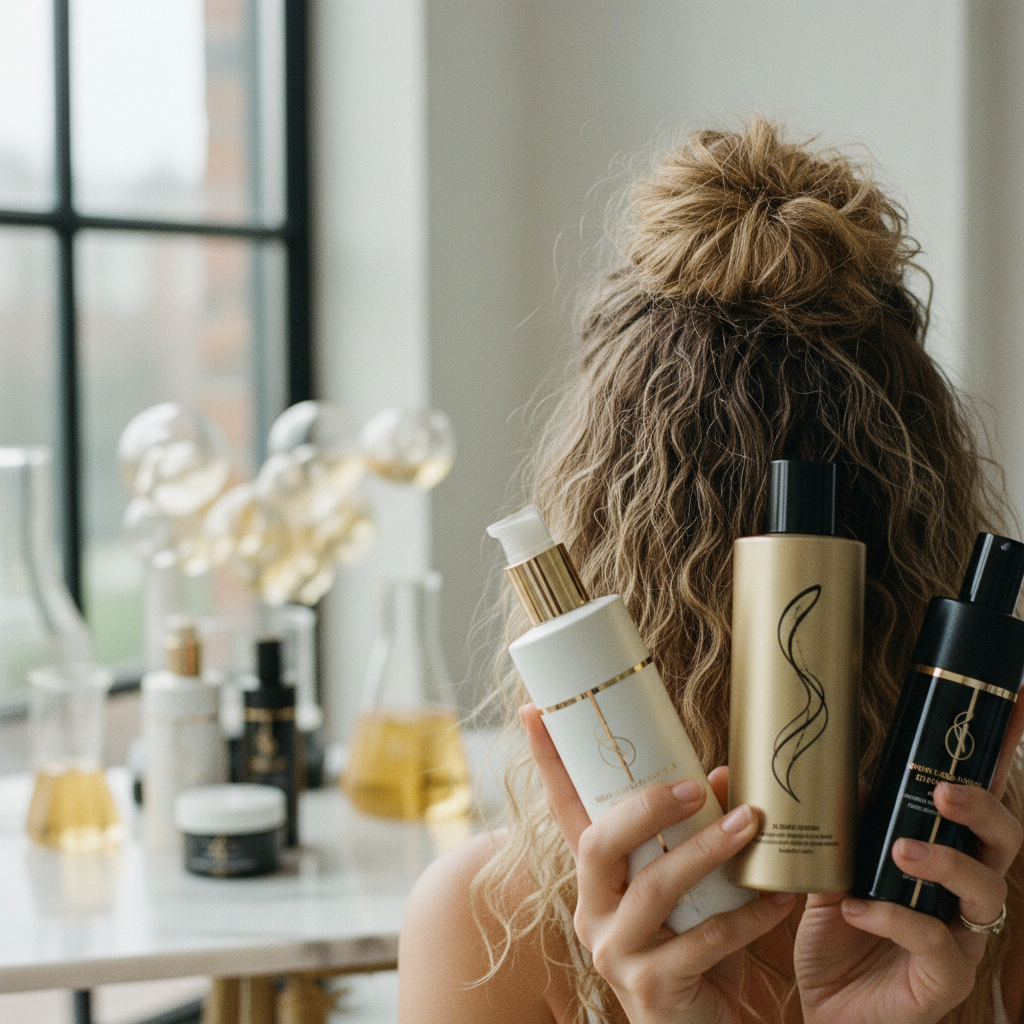
The initial step in how to choose the right hair products is to accurately assess your hair type and scalp condition. Hair can be broadly categorised by:
- Texture: Fine, medium, or coarse. This relates to the diameter of individual hair strands. Finer hair is more prone to being weighed down, while coarser hair often requires richer conditioning.
- Structure/Pattern: Straight, wavy, curly, or coily. These patterns are determined by the shape of the hair follicle. Curly and coily hair, for example, tends to be drier due to the natural oils struggling to travel down the hair shaft.
- Porosity: Low, normal, or high. This refers to how open or closed your hair's cuticle layers are. High porosity hair (often due to damage or genetics) readily absorbs and loses moisture, needing products that seal the cuticle. Low porosity hair resists moisture penetration, benefiting from lighter, more penetrating ingredients.
- Scalp Condition: Oily, dry, normal, sensitive, or flaky. A healthy scalp is crucial for hair growth. Products should not irritate or overly strip the scalp.
Once you understand your hair's characteristics, you can then look at product formulations. The key ingredients in most hair products fall into categories such as surfactants (for cleansing), conditioners (for moisturising and detangling), and active ingredients (for specific concerns).
Surfactants: These are cleansing agents. Sulphate-based surfactants (like Sodium Lauryl Sulphate) are effective cleansers but can be stripping for dry or sensitive scalps. Milder, sulphate-free options (e.g., Sodium Cocoyl Isethionate, Coco-Betaine) are gentler and often preferred for coloured, dry, or delicate hair. The choice depends on your scalp's oil production and sensitivity.
Conditioning Agents: Ingredients like fatty alcohols (cetyl, stearyl alcohol), silicones (dimethicone, cyclomethicone), and natural oils (argan, coconut, jojoba) help to smooth the cuticle, add shine, reduce frizz, and improve manageability. Silicones can provide excellent slip and shine but may build up on some hair types, especially if not adequately cleansed.
Active Ingredients: These target specific concerns. Proteins (keratin, wheat protein) can temporarily strengthen damaged hair. Humectants (glycerine, hyaluronic acid) draw moisture into the hair, beneficial for dry strands. Botanical extracts, vitamins, and anti-inflammatory agents can support scalp health.
What the evidence does not show
While marketing claims for hair products are abundant, controlled research has not found evidence to support some common assertions. For instance, many products claim to "repair" split ends; however, once the hair fibre has split, the only true remedy is a trim. Conditioners and treatments can temporarily mask the appearance of split ends by smoothing the cuticle, making them less noticeable and preventing further splitting, but they cannot fuse the two parts back together. Similarly, products cannot change your hair's fundamental texture or stimulate new hair growth if follicles are no longer active, though they can create the appearance of fuller hair by adding volume to existing strands.
The mechanism: how products work on your hair
Hair products work by interacting with the hair's outer layer, the cuticle, and sometimes by depositing beneficial ingredients onto the hair shaft or scalp.
- Cleansing (Shampoos): Surfactants in shampoo emulsify oils and dirt, allowing them to be rinsed away with water. A balanced pH (around 5.5) helps maintain the cuticle's integrity.
- Conditioning (Conditioners, Masks): Conditioning agents are positively charged molecules that are attracted to the negatively charged damaged areas of the hair cuticle. They smooth the cuticle, reduce friction, enhance shine, and impart moisture. Leave-in conditioners provide ongoing protection and moisture.
- Styling (Mousses, Gels, Sprays): These products contain polymers that form a temporary film around the hair, providing hold, volume, or smoothness. They don't alter hair structure but manipulate its appearance.
- Treatments (Serums, Scalp Treatments): Often contain higher concentrations of active ingredients like proteins, vitamins, or anti-inflammatory compounds designed to penetrate the hair shaft or nourish the scalp.
Signs to look for when choosing products
Look for clear indications on product labels that align with your hair and scalp needs. For example, if you have dry hair, look for terms like "hydrating," "moisturising," or "for dry/damaged hair." If your scalp is oily, "balancing," "purifying," or "for oily scalps" will be more appropriate. Ingredient lists are your best guide:
| Hair/Scalp Concern | Beneficial Ingredients (Examples) | Ingredients to Use with Caution (Examples) |
|---|---|---|
| Dry Hair | Glycerine, Hyaluronic Acid, Argan Oil, Shea Butter, Ceramides, Fatty Alcohols (Cetearyl Alcohol) | Sulphates (Sodium Lauryl Sulphate, Sodium Laureth Sulphate), Alcohol Denat. |
| Oily Scalp | Salicylic Acid, Tea Tree Oil, Clay (Kaolin, Bentonite), Witch Hazel | Heavy Oils, Silicones, very rich Conditioners applied to scalp |
| Fine Hair | Hydrolysed Wheat Protein, Rice Protein, Panthenol (Vitamin B5), Volumising Polymers, lightweight silicones | Heavy Butters, Thick Oils, Rich Conditioners, most Silicones |
| Damaged Hair | Hydrolysed Keratin, Amino Acids, Collagen, Plant Proteins, Ceramides, Argan Oil, Dimethicone | Sulphates, Heat (without protection), Alcohol Denat. |
| Curly/Coily Hair | Shea Butter, Coconut Oil, Castor Oil, Glycerine, Polyquaternium-10, Panthenol, Cetyl Alcohol | Sulphates (very drying), Mineral Oil, Petroleum Jelly |
| Sensitive Scalp | Aloe Vera, Chamomile Extract, Allantoin, Oat Extract, Piroctone Olamine, mild surfactants | Sulphates, Fragrances, Dyes, Alcohol Denat., harsh preservatives |
When the cause may be something else
If you're consistently struggling to find products that work, or if you're experiencing persistent issues like excessive hair shedding, unexplained scalp irritation, or significant hair thinning, the cause may lie beyond product selection. These symptoms can be indicative of underlying health conditions such as nutritional deficiencies (e.g., iron, vitamin D), hormonal imbalances (e.g., thyroid issues, PCOS), stress (leading to telogen effluvium), certain medications, or autoimmune conditions. Hair shedding, for instance, is often a systemic issue, not one resolved by cosmetic products.
When to get professional advice
If you're experiencing ongoing scalp issues, sudden or excessive hair shedding, unusual hair breakage, or persistent discomfort, it's wise to seek advice from a healthcare professional. A GP, dermatologist, or trichologist can help diagnose underlying conditions and recommend appropriate medical treatments or lifestyle adjustments. For general hair health and product guidance, a qualified hairstylist can offer tailored advice based on their expertise and visual assessment of your hair and scalp, helping you understand how to choose the right hair products for your situation.
Frequently asked questions about How to Choose the Right Hair Products
Can I use the same products year-round?
Not necessarily. Just as your skin changes with the seasons, your hair's needs can too. In humid summer months, you might prefer products that control frizz, while in drier winter conditions, you may need more intense hydration to prevent dryness and static. Observing your hair's response to environmental changes will guide your seasonal product choices.
How important is product pH?
The pH of your hair products is quite important for maintaining hair health. Hair and scalp are naturally slightly acidic, typically with a pH of 3.5 to 5.5. Products within this range help keep the hair cuticle closed and smooth, reducing frizz and maintaining shine. Products that are too alkaline can swell the cuticle, leading to damage and dullness. Look for "pH-balanced" on labels or research product pH if concerned.
How long should I use a new product before deciding if it works?
Give new products at least 2 to 4 weeks to show their effects. Some changes, like improved hydration or softness, might be noticeable sooner, but others, such as reduced breakage or improved scalp health, can take longer. Hair cycles and cellular turnover mean that results aren't always instant. Be consistent with usage during this trial period.
Do I need to buy a shampoo and conditioner from the same brand?
No, it's not essential to use a shampoo and conditioner from the same brand. While many brands formulate their shampoo and conditioner pairs to complement each other, you can mix and match to better suit your hair's specific needs. For example, you might use a clarifying shampoo from one brand and a deeply moisturising conditioner from another if that combination works best for you. It's all about finding what works for your hair.
How can Watermans products help me choose the right hair products?
Watermans offers a range of hair care solutions designed to address specific concerns, such as promoting healthy hair growth, improving hair density, and reducing breakage. Their formulations often include active ingredients known to support scalp health and strengthen hair from the root. By understanding your hair concerns and integrating Watermans products like their GrowMe® Shampoo and Conditioner into your regimen, you can target issues like lack of volume or thinning appearance, making it simpler how to choose the right hair products for your goals.
Conclusion
Navigating how to choose the right hair products effectively means understanding your hair's unique characteristics and scalp condition, rather than simply following trends or marketing hype. By focusing on ingredients, pH levels, and aligning products with your specific concerns like dryness, oiliness, or damage, you can build a hair care routine that truly supports healthy, vibrant hair. Remember that persistent issues warrant professional advice, but for daily care, an informed approach to product selection is your best tool.
Sources and references
- American Academy of Dermatology Association, "Hair care: How to shampoo and condition", 2023, aad.org
- British Association of Dermatologists, "Hair Loss", 2023, bad.org.uk
- Gavazzoni Dias, M. F. R. (2015). "Hair cosmetics: an overview." International Journal of Trichology, 7(1), 2-15. PubMed.
- NHS, "Hair loss", 2023, nhs.uk
- Willey, A., et al. (2020). "The effect of pH on the hair and scalp: A review." Journal of Cosmetic Dermatology, 19(5), 1083-1090. PubMed.
Find these ingredients in Watermans products
- Allantoin: you will find this ingredient in our Hair Growth Shampoo.
- Vitamin D: you will find this ingredient in our Hair Vitamins.
- Castor Oil: you will find this ingredient in our Camellia & Black Castor Hair & Body Oil.
- Panthenol (Provitamin B5): you will find this ingredient in our Heat Protection Spray.
- Aloe Vera: you will find this ingredient in our Curly Hair Conditioner.