Understanding Chemical Treatments and Hair Health
9 min read ·
Chemical treatments can dramatically change your hair, but understanding their impact on hair health is key to maintaining strong, vibrant strands.
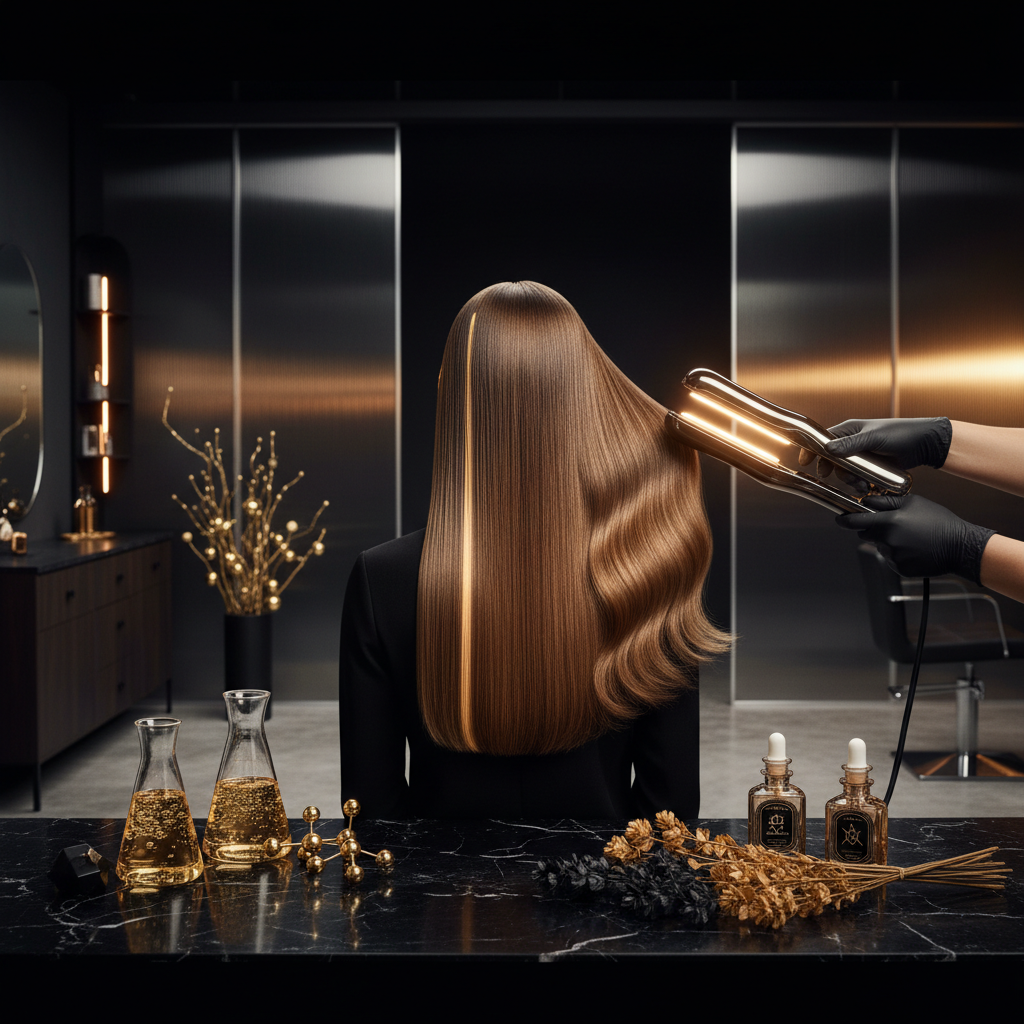
Quick answer: Chemical Treatments and Hair Health are closely linked, as processes like colouring, perming, and straightening alter the hair's structure at a molecular level. While these treatments can achieve desired aesthetic results, they inherently involve disrupting the hair's natural bonds, which can lead to increased porosity, dryness, and a greater risk of breakage if not managed properly. The long-term health of chemically treated hair depends heavily on subsequent care and protective measures. \n\n## Key takeaways
- Chemical treatments alter the hair's internal structure, affecting its strength and elasticity.
- Damage from chemical processes often presents as dryness, frizz, dullness, and increased susceptibility to breakage.
- Proper pre-treatment preparation and diligent post-treatment care are crucial for maintaining hair integrity.
- Understanding the type of chemical treatment and its specific effects helps tailor effective care routines.
- Not all hair responds to chemical treatments in the same way; individual hair type and condition play a significant role.
Chemical Treatments and Hair Health: what the evidence shows
Chemical treatments fundamentally change the structure of your hair, and the evidence consistently shows this alteration can impact hair health. Hair is primarily made of keratin proteins, linked by disulphide bonds, hydrogen bonds, and salt bonds. Chemical processes target and modify these bonds to achieve a desired texture or colour change.
For example, permanent hair colouring uses ammonia to swell the hair shaft and open the cuticle, allowing dye molecules to penetrate the cortex. Peroxide then oxidises the natural melanin and develops the new colour. This process, while effective for changing hair colour, can weaken the disulphide bonds and compromise the cuticle layer, leading to increased porosity and reduced tensile strength. Studies published in dermatology journals consistently demonstrate that repeated oxidative colouring can lead to cumulative damage, making the hair more prone to breakage and less resilient to styling.
Similarly, chemical straightening (relaxers) or permanent waving (perms) rely on breaking and reforming disulphide bonds within the hair. Thio-based relaxers or perms use ammonium thioglycolate to break these bonds, allowing the hair to be reshaped. A neutraliser (often hydrogen peroxide) then reforms the bonds in the new configuration. This radical restructuring can significantly reduce the hair's elasticity and strength, especially if performed frequently or incorrectly. Research indicates that chemically relaxed hair often exhibits reduced moisture content and increased surface damage, contributing to a dull appearance and higher breakage rates.
However, it's important to differentiate between hair breakage and hair loss. Chemical treatments can certainly cause hair breakage along the shaft due to structural weakening. They do not, however, typically cause hair loss from the follicle (alopecia) unless there is severe scalp irritation or chemical burns that damage the hair follicles directly. Most cosmetic damage is to the hair fibre itself.
What the evidence does not show
While chemical treatments undeniably affect hair structure, controlled research has not found that they directly cause permanent genetic hair loss conditions like androgenetic alopecia. Any hair shedding experienced after chemical treatment is more likely to be telogen effluvium, often triggered by stress to the scalp or body, rather than a direct follicular damage from the chemical process itself. It is also not universally true that all chemical treatments instantly "destroy" hair; the degree of damage is highly dependent on the formulation, application technique, frequency, and subsequent care.
The mechanism: how chemicals alter hair
At a microscopic level, hair is composed of three main layers: the cuticle (outer protective layer), the cortex (middle layer, providing strength and colour), and the medulla (innermost core). Chemical treatments work by directly targeting these layers:
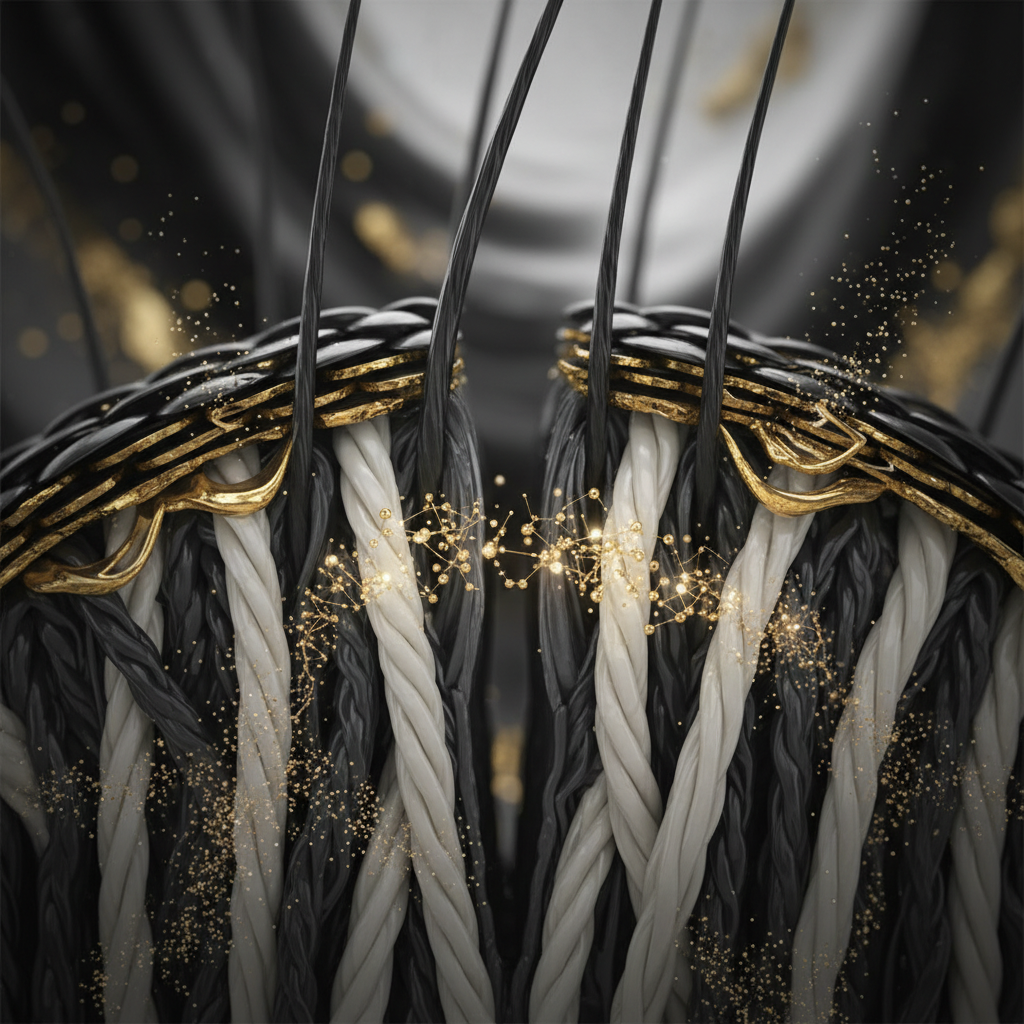
- Cuticle manipulation: Most treatments require opening the cuticle to allow chemicals to penetrate. Alkaline agents, such as ammonia in hair dyes or relaxers, swell the hair shaft and lift the cuticle scales. This necessary step can leave the cuticle rougher and more susceptible to damage if not properly sealed afterwards.
- Bond alteration in the cortex: The cortex contains keratin fibres held together by disulphide bonds. These are the strongest bonds and are responsible for hair's shape and strength. Permanent waving and chemical straightening treatments break these disulphide bonds, allowing the hair to be re-formed into a new shape. Once reshaped, a neutraliser reforms these bonds, locking in the new style. Hair colouring, especially with peroxides, also impacts these bonds through oxidation.
- Pigment modification: In hair colouring, chemicals strip the natural pigment (melanin) and deposit new colour molecules into the cortex. This oxidative process can alter the hair's protein structure, reducing its natural oils and moisture.
When these processes are performed, they can lead to a range of structural changes. The hair becomes more porous, meaning it absorbs and loses moisture more easily. The cuticle scales may not lie flat, leading to a rough texture, frizz, and dullness. The internal protein structure can be weakened, making the hair less elastic and more prone to snapping under tension, which is commonly referred to as breakage.
Signs to look for: identifying chemically damaged hair
Recognising the signs of chemically damaged hair early can help you adjust your care routine and prevent further issues. Look out for:
- Increased breakage: Hair snapping easily, especially when wet or during styling. You might find more short pieces of hair on your comb or brush.
- Dryness and brittleness: Hair feels rough, straw-like, or lacks its natural softness. It may appear dull and lifeless.
- Frizz and flyaways: Even in moderate humidity, the hair may become very frizzy, indicating a lifted or compromised cuticle.
- Lack of elasticity: Healthy hair can be stretched a little when wet and return to its original length. Damaged hair will stretch excessively, feel gummy, or snap quickly.
- Porosity changes: Hair may absorb water very quickly but also dry out rapidly. It might also struggle to hold styling products.
- Dullness and faded colour: Chemically treated hair, especially coloured hair, can lose its vibrancy and sheen more quickly.
What you can do to support Chemical Treatments and Hair Health
Maintaining the health of chemically treated hair requires a dedicated and consistent care routine. The goal is to restore moisture, strengthen the hair fibre, and protect it from further damage.
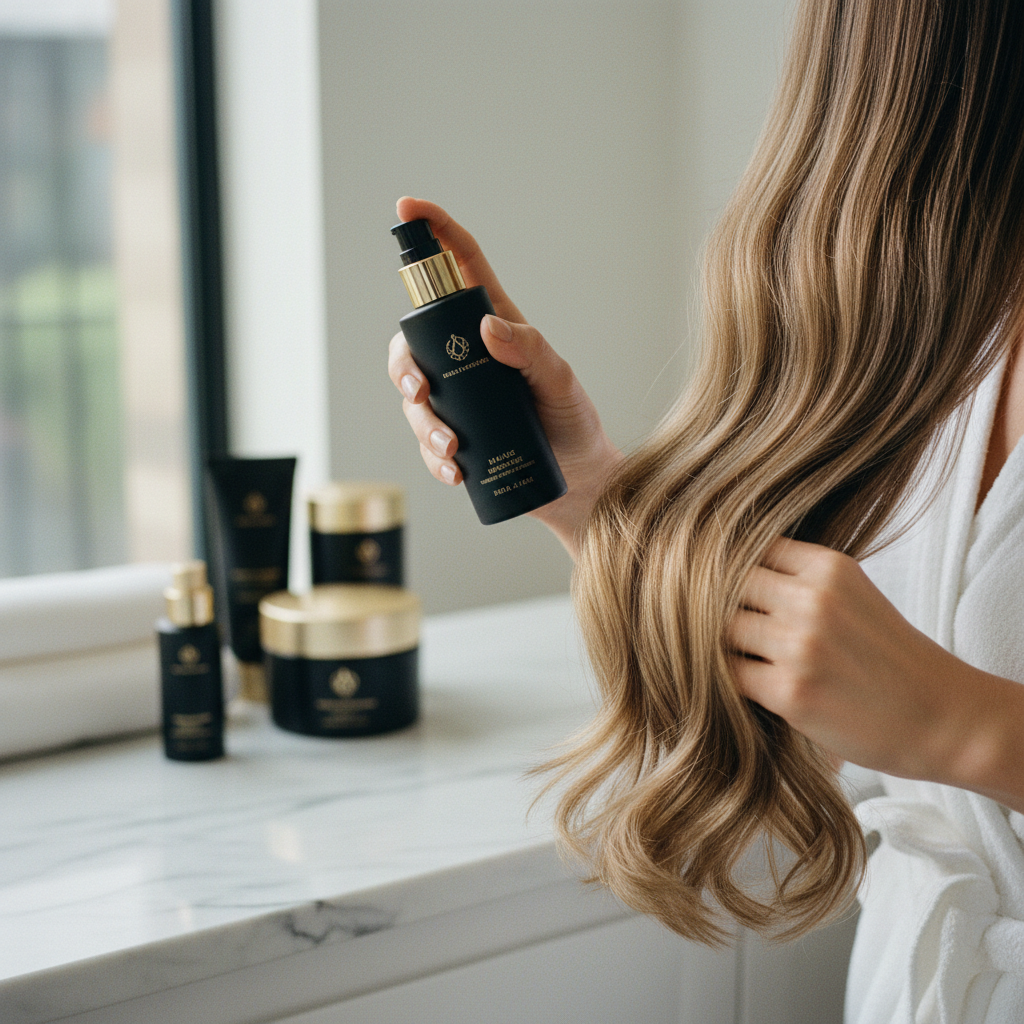
- Use gentle, moisturising products: Opt for shampoos and conditioners specifically designed for chemically treated or damaged hair. These often contain ingredients that help to seal the cuticle and provide hydration.
- Regular deep conditioning: Incorporate a deep conditioning treatment or hair mask into your routine once or twice a week. These products deliver intensive moisture and nourishing ingredients to the hair shaft.
- Protein treatments (in moderation): Protein can help to temporarily fill gaps in the hair's cuticle and strengthen weakened strands. However, too much protein can make hair brittle, so use these treatments sparingly, perhaps once a month, and always follow with a moisturising conditioner.
- Minimise heat styling: Excessive heat from styling tools can exacerbate dryness and damage. When you do use heat, apply a heat protectant spray beforehand and use the lowest effective temperature.
- Gentle handling: Be extra gentle when detangling, brushing, and styling chemically treated hair, especially when wet, as it is most vulnerable then. Use a wide-tooth comb and work from the ends upwards.
- Protect from environmental stressors: UV rays, chlorine, and saltwater can further damage chemically treated hair. Wear a hat in strong sun, and rinse hair with fresh water before and after swimming.
- Regular trims: Schedule regular trims to remove split ends and prevent them from travelling further up the hair shaft.
Comparing Common Chemical Treatments
| Treatment Type | Primary Mechanism | Potential Impact on Hair Health | Aftercare Focus | Expected Longevity |
|---|---|---|---|---|
| Permanent Colouring | Opens cuticle, oxidises natural melanin, deposits new pigment. | Increased porosity, dryness, potential for breakage, faded colour. | Moisture, colour protection, cuticle sealing. | 6-8 weeks (root touch-ups) |
| Bleaching/Lightening | Removes natural pigment through oxidation. | Significant cuticle damage, dryness, high porosity, increased breakage risk. | Intense hydration, protein, gentle handling, heat protection. | Permanent colour change, but can darken later. |
| Permanent Waving (Perm) | Breaks and reforms disulphide bonds to create curl/wave. | Reduced elasticity, dryness, potential for frizz and breakage. | Moisture, curl definition, protein (in moderation). | 3-6 months (grows out) |
| Chemical Straightening/Relaxing | Breaks and reforms disulphide bonds to flatten hair. | Significant loss of elasticity, dryness, high breakage risk, scalp irritation. | Intense moisture, strengthening, scalp care. | 8-12 weeks (root touch-ups) |
| Keratin Treatments | Seals a layer of keratin onto the hair surface. | Can improve smoothness and shine, but some formulations contain formaldehyde-releasing agents. | Sulphate-free products, moisture retention. | 2-4 months |
Frequently asked questions about Chemical Treatments and Hair Health
Can I reverse chemical hair damage completely?
No, true structural damage to the hair fibre from chemical treatments cannot be completely reversed because hair is dead tissue. However, you can significantly improve the appearance and feel of your hair by implementing a consistent, targeted care routine. Products designed for damaged hair can help to strengthen the hair, smooth the cuticle, and replenish moisture, making the hair look and feel healthier and reducing further breakage.
How long should I wait between chemical treatments?
The ideal waiting period varies depending on the type of treatment and your hair's condition. For services like permanent colouring or relaxing, stylists often recommend waiting 6 to 8 weeks for root applications, or even longer (3 to 6 months) for full-head applications to minimise cumulative damage. Listening to your stylist and observing your hair's health are key for determining the appropriate interval and protecting your Chemical Treatments and Hair Health.
Do chemical treatments cause hair loss?
Chemical treatments typically do not cause permanent hair loss (alopecia) from the follicle. They primarily affect the hair fibre itself, leading to breakage along the shaft. In rare cases, severe chemical burns or irritation to the scalp during a treatment can damage follicles, potentially leading to temporary or, in extreme cases, permanent localised hair loss. If you experience significant shedding or scalp irritation, consult a healthcare professional.
What are some common ingredients to look for (and avoid) in products for chemically treated hair?
Look for ingredients like hydrolysed proteins (keratin, wheat, silk), nourishing oils (argan, coconut, jojoba), shea butter, hyaluronic acid, and panthenol (Vitamin B5) for moisture and strength. Try to avoid sulphates, which can strip natural oils and colour, and be mindful of very high concentrations of silicones that can build up, though some silicones can offer protection. Always read labels carefully.
Supporting your hair after chemical treatments
Understanding how chemical treatments affect your hair is the first step towards maintaining its health. While the allure of new colours or textures is strong, the impact on Chemical Treatments and Hair Health is a significant consideration. The key is to support your hair's resilience before, during, and especially after any chemical process. Consistent, nurturing care can help mitigate damage and keep your hair looking and feeling its best, allowing you to enjoy your chosen style without compromising its vitality.
Watermans Haircare offers products designed to support hair health, especially for those with stressed or damaged hair. The Watermans Grow Me® Shampoo and Conditioner contain hydrolysed lupin protein and biotin, which can help strengthen the hair fibre and support a healthy-looking scalp environment. For an intensive boost, the Watermans Grow Me® Elixir provides targeted nourishment. These formulations aim to fortify the hair, making it appear thicker and feel stronger, complementing your efforts to care for chemically treated strands.
Sources and references
- American Academy of Dermatology Association, "Hair colouring: Can it damage hair?", (Accessed via aad.org)
- British Association of Dermatologists, "Hair Structure and Hair Loss", (Accessed via bad.org.uk)
- Gavazzoni Dias, M. F. R. (2015). Hair Cosmetics: An Overview. International Journal of Trichology, 7(1), 2 to 15. (Accessed via PubMed)
- Robbins, C. R. (2012). Chemical and Physical Behavior of Human Hair (5th ed.). Springer Science & Business Media. (Accessed via university library resources)
- National Health Service (NHS), "Hair loss", (Accessed via nhs.uk for general information on hair loss mechanisms)
- Journal of Cosmetic Science, various articles on hair structure and chemical treatments (Accessed via academic databases)
Find these ingredients in Watermans products
- Shea Butter: you will find this ingredient in our Curly Hair Conditioner.