Understanding Hair Structure: The Science Behind Healthy Hair
8 min read ·
Understanding Hair Structure is key to effective haircare, revealing how each component contributes to strength, elasticity, and overall appearance.
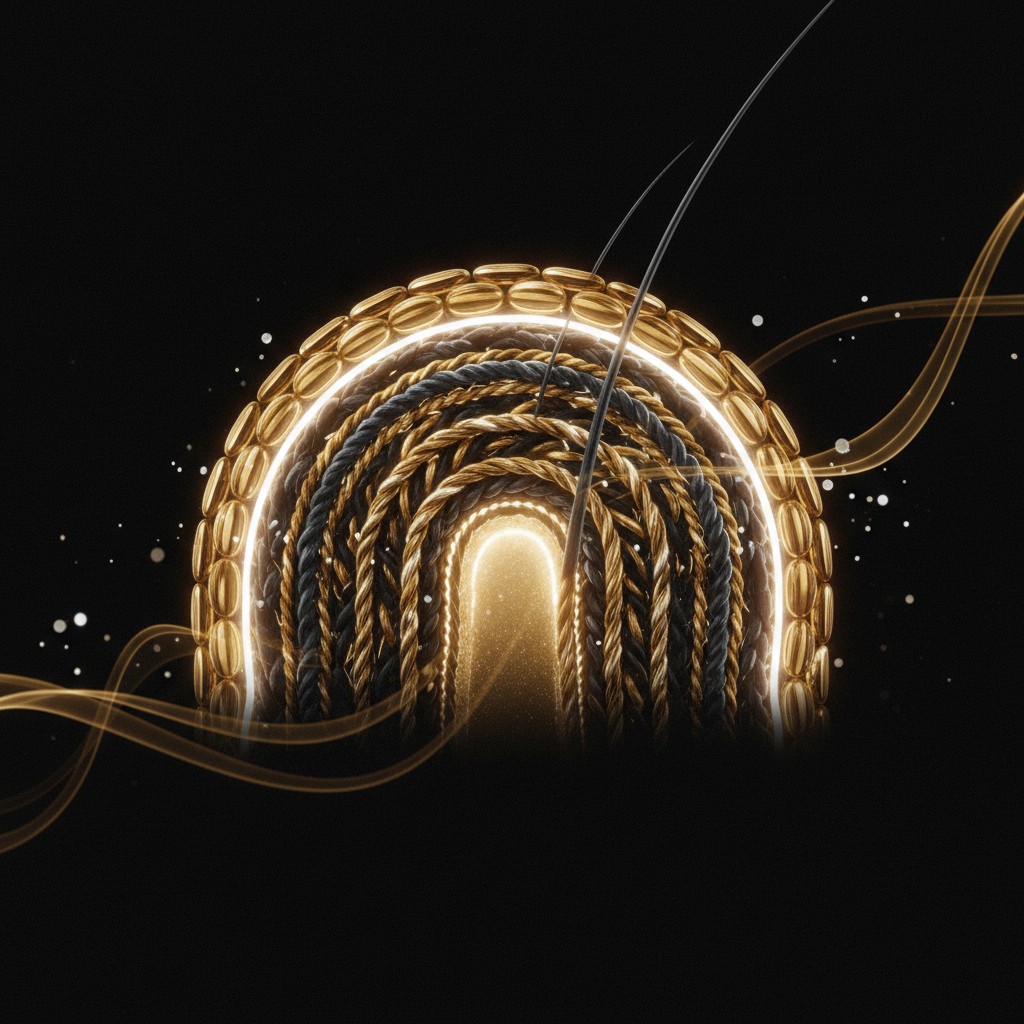
Quick answer: Understanding Hair Structure involves knowing the composition of individual hair strands, which are complex biological fibres primarily made of keratin protein. This knowledge is fundamental for effective haircare, helping to explain how hair responds to styling, chemical treatments, and environmental factors, and why different hair types behave uniquely. While much is known about hair's physical makeup, research continues to explore the intricate cellular processes influencing its growth and resilience.
Key takeaways
- Hair is a complex protein fibre, primarily keratin, growing from follicles in the scalp.
- Each hair strand has three main layers: the cuticle (outer protection), cortex (strength and colour), and medulla (innermost core).
- The hair follicle, located beneath the scalp surface, dictates hair growth, shape, and health.
- Understanding these structural components helps explain hair's unique properties, such as strength, elasticity, porosity, and how it responds to care.
- Hair health depends on protecting its external and internal structures from damage.
Understanding Hair Structure: What the evidence shows
Understanding Hair Structure begins with recognising hair as a biological fibre, composed mainly of a tough, fibrous protein called keratin. This protein is also found in our skin and nails, providing strength and protection. Each individual hair strand originates from a hair follicle, a small organ embedded in the scalp. The health of this follicle directly influences the quality and growth of the hair it produces.
The Hair Follicle: The engine of hair growth
The hair follicle is far more than just an anchor for the hair strand; it's a complex, dynamic mini-organ that cycles through periods of growth, rest, and shedding. Its structure and function are crucial for hair development. At its base lies the dermal papilla, a cluster of cells rich in blood vessels that supply essential nutrients and oxygen. Surrounding this is the hair matrix, where cells rapidly divide to form the new hair shaft. The shape of the follicle determines the hair's cross-section, which in turn influences whether hair grows straight, wavy, or curly. For example, a round follicle typically produces straight hair, while an oval or flattened follicle results in wavy or curly hair.
The Hair Shaft: A multi-layered marvel
The visible part of the hair, the hair shaft, is a non-living structure made up of three distinct layers. Each layer plays a vital role in the hair's overall integrity, strength, and appearance.
1. The Cuticle: Your hair's protective armour
The cuticle is the outermost layer of the hair shaft, made of several layers of overlapping, dead, flattened cells, much like scales on a fish or shingles on a roof. These cells point towards the tip of the hair. Its primary function is to protect the inner cortex from damage and to control the passage of substances in and out of the hair. A healthy cuticle lies flat, reflecting light and making hair appear smooth, shiny, and easy to detangle. When cuticles are raised or damaged, hair can feel rough, look dull, and be more prone to tangling and breakage. Factors like chemical treatments, heat styling, and even vigorous brushing can lift or chip away at the cuticle, exposing the more vulnerable cortex beneath. Understanding Hair Porosity directly relates to the condition of your cuticle, as it determines how well hair absorbs and retains moisture.
2. The Cortex: The heart of your hair
Beneath the cuticle lies the cortex, which makes up 75 to 90% of the total hair mass. This layer consists of long, twisted bundles of keratin proteins, arranged longitudinally. These protein chains are held together by various bonds, including disulphide bonds, hydrogen bonds, and salt bonds, which give hair its remarkable strength, elasticity, and resilience. The cortex is also where melanin, the pigment responsible for hair colour, is stored. The amount and type of melanin present determine whether hair is black, brown, blonde, or red. Damage to the cortex can lead to a significant loss of strength and elasticity, making hair brittle and prone to breakage. This is often seen after chemical processes like bleaching or perming, or from excessive heat styling.
3. The Medulla: The innermost core
The medulla is the innermost layer of the hair shaft. It's a soft, often discontinuous core that may not be present in all hair types or even along the entire length of a single hair strand. Fine hair often lacks a medulla entirely. Its exact function is not fully understood, but it's thought to play a role in regulating body temperature, although this is more pronounced in animals than humans. In humans, its presence doesn't seem to significantly impact the hair's strength or appearance.
Hair's Chemical Composition: More than just keratin
While keratin is the predominant protein, hair also contains trace amounts of lipids, water, and minerals. Lipids, fatty acids, and ceramides, found both within the hair fibre and on its surface, contribute to the hair's flexibility and hydrophobicity (water-repelling properties). These components help to keep hair moisturised and protect it from environmental stressors. The specific arrangement and interaction of these molecules define the hair's unique properties, including its porosity, elasticity, and resistance to damage. Changes in this delicate balance, often due to harsh chemicals or extreme heat, can lead to Hair Damage.
What hair structure explains about common hair issues
Many common hair concerns, such as frizz, dryness, and breakage, can be understood by looking at the hair's structure. Frizzy Hair, for example, often occurs when the cuticle layers are raised, allowing moisture to penetrate and swell the cortex unevenly. Dryness can be a sign of a compromised cuticle that struggles to retain moisture, highlighting the importance of Hair Hydration. Hair breakage, distinct from hair shedding or hair loss (which involve the follicle), typically happens when the internal cortex is weakened, or the cuticle is severely damaged, causing the fibre to snap. Protective Styling can help minimise mechanical damage to the hair shaft.
What you can do to support healthy hair structure
Maintaining the structural integrity of your hair is key to its health and appearance. Here are some evidence-based strategies:
- Gentle Cleansing: Choosing the Right Shampoo, particularly a sulfate-free one, can help cleanse without stripping natural oils that protect the cuticle. This supports the hair's natural lipid layer.
- Conditioning: The Science of Conditioners shows how they work to smooth the cuticle, reduce friction, and provide a protective layer, enhancing shine and manageability. Regular conditioning helps seal the cuticle, preventing moisture loss.
- Minimise Heat Styling: Heat Styling can cause significant damage to both the cuticle and cortex. Following Heat Styling Safety Best Practices, such as using heat protectants, is crucial to reduce the impact.
- Chemical Treatment Awareness: Chemical Hair Treatments like colouring, perming, or relaxing alter the internal bonds of the hair. Understanding these processes and ensuring they are done correctly, with adequate aftercare, is vital to prevent severe damage.
- Moisture and Hydration: Ensuring adequate Hair Hydration is paramount, especially for hair types prone to dryness like Afro-textured hair. Ingredients like humectants can draw moisture into the hair, while emollients help seal it in.
- Scalp Health: A healthy scalp provides the optimal environment for strong hair growth. Understanding Scalp Health, including managing Sebum Regulation, can prevent issues that affect the hair follicle.
Comparison of Hair Layers
| Feature | Cuticle | Cortex | Medulla |
|---|---|---|---|
| Location | Outermost layer | Middle layer, largest part | Innermost core (not always present) |
| Composition | Overlapping, flattened keratin cells | Long, twisted bundles of keratin proteins | Soft, amorphous keratin material |
| Primary Function | Protection, moisture regulation | Strength, elasticity, colour | Unknown in humans; potentially temperature |
| Impact on Health | Determines shine, smoothness, porosity | Responsible for hair's structural integrity | Little known impact |
| Damage Signs | Roughness, dullness, frizz, high porosity | Weakness, breakage, loss of elasticity | No clear signs; fine hair may lack it |
Frequently asked questions about Understanding Hair Structure
What causes hair to become strong or weak?
Hair strength primarily comes from the cortex, specifically the disulphide bonds within its keratin structure. A strong, intact cuticle also contributes by protecting the cortex. Hair becomes weak when these internal bonds are broken, or the cuticle is severely compromised, often due to chemical processes, excessive heat, or mechanical stress. Understanding Hair Structure helps identify areas of vulnerability.
How does hair porosity relate to its structure?
Hair porosity describes your hair's ability to absorb and retain moisture, which is directly linked to the condition of your cuticle. Low porosity hair has tightly packed, smooth cuticles, making it harder for moisture to enter but also harder to escape. High porosity hair has raised or damaged cuticles, allowing moisture to enter easily but also to escape quickly. Understanding your hair's porosity guides product choices for optimal hydration.
Can diet affect hair structure?
Yes, diet can indirectly affect hair structure. Hair is made of protein, so a diet rich in essential amino acids, vitamins (especially B vitamins and vitamin D), and minerals (like iron and zinc) supports the healthy production of keratin in the hair follicle. While diet won't change the existing structure of a hair strand, it can influence the quality of new hair growth, contributing to its strength and resilience.
What is the role of lipids in hair structure?
Lipids, including ceramides and fatty acids, are crucial components of hair structure. They are found both within the cuticle and cortex, acting as a natural cement that binds cells together and helps maintain the hair's internal moisture balance. On the surface, lipids form a protective layer, enhancing shine, smoothness, and flexibility, and reducing friction. A healthy lipid layer is essential for preventing moisture loss and protecting against environmental damage.
Supporting healthy hair structure with Watermans
For those looking to support the health and structural integrity of their hair, Watermans offers products formulated with beneficial ingredients. For example, our shampoos and conditioners are designed to cleanse gently and nourish the hair shaft, aiming to maintain the cuticle's integrity and support the strength of the cortex. Ingredients like hydrolysed proteins in some Watermans products can temporarily reinforce the hair fibre, making it feel stronger and more resilient against breakage. Regularly using products that moisturise and protect can help safeguard the hair's natural structure from daily stressors.
Sources and references
- American Academy of Dermatology Association. Hair 101: What it is and what it does. (Accessed 2023).
- National Center for Biotechnology Information (NCBI). Biology of hair follicles. (Accessed 2023).
- PubMed Central. Hair cosmetics: an overview. (2015). DOI: 10.1111/ijd.12432
- British Association of Dermatologists. Hair Disorders. (Accessed 2023).
- Ohio State University Wexner Medical Center. Hair Follicle Anatomy. (Accessed 2023).
- The Journal of Clinical and Aesthetic Dermatology. The biology of hair colour. (2018).
Find these ingredients in Watermans products
- Zinc: you will find this ingredient in our Hair Vitamins.