Chemical Hair Damage Repair: Science, Mechanisms, and Restorative Care
7 min read ·
Discover the science of Chemical Hair Damage Repair. Learn how bond builders, proteins, and lipids restore broken bonds, reduce breakage, and strengthen processed hair.
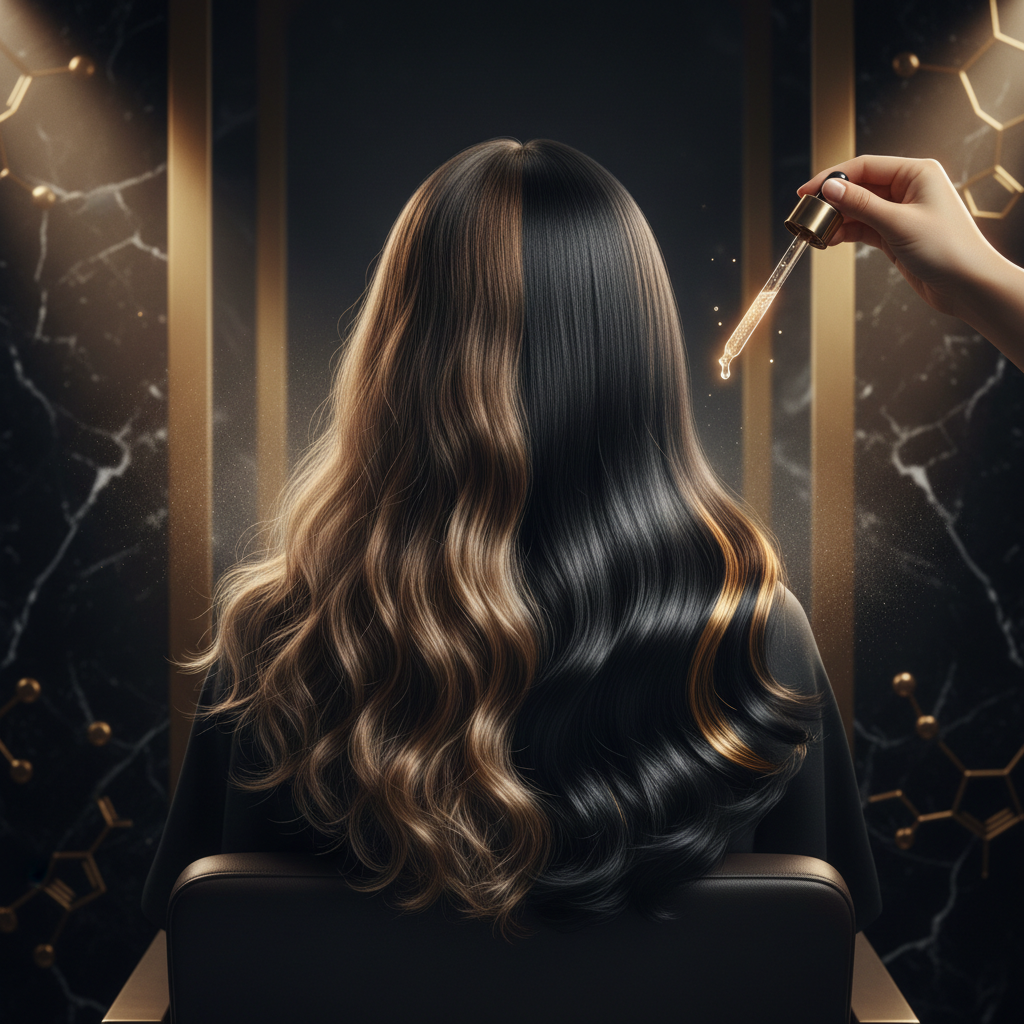
Quick answer: True Chemical Hair Damage Repair cannot biological regenerate dead keratin cells, because hair fibre is non-living tissue without cellular renewal mechanisms. Instead, cosmetic repair relies on restoring tensile strength, patching structural gaps in the cuticle, and relinking disulphide bonds broken during bleaching, colouring, perm services, or chemical straightening. Modern bond-building molecules, hydrolysed proteins, and lipid replenishments substantially improve elasticity and reduce breakage, but physically fractured ends still require trimming for permanent resolution.
Key takeaways
- Chemical services break natural disulphide cross-links, strip the protective 18-methyleicosanoic acid (18-MEA) lipid layer, and leach internal structural proteins.
- Hair cannot self-heal; repair means reinforcing the remaining internal cortex and smoothing the damaged outer cuticle artificially.
- Bond multipliers, hydrolysed vegetable or keratin proteins, and acidic pH balancers provide measurable structural recovery.
- Hair breakage along the shaft is distinct from follicular hair loss, though extensive chemical scalp burns can cause temporary shedding or follicular injury.
- Consistent home maintenance combined with regular micro-trims remains the only permanent fix for split ends.
Chemical Hair Damage Repair: what the evidence shows
The science behind Chemical Hair Damage Repair rests on macromolecular chemistry rather than biological healing. Human hair is composed of roughly 65 to 90 percent keratin proteins, cross-linked by cystine disulphide bonds, ionic salt bridges, and weak hydrogen bonds. When you apply alkaline chemical agents like bleach (ammonium persulphate, pH 10 to 11), permanent colour, or chemical relaxers (sodium hydroxide, pH 12 to 14), these bonds rupture to allow melanin oxidisation or structural reshaping.
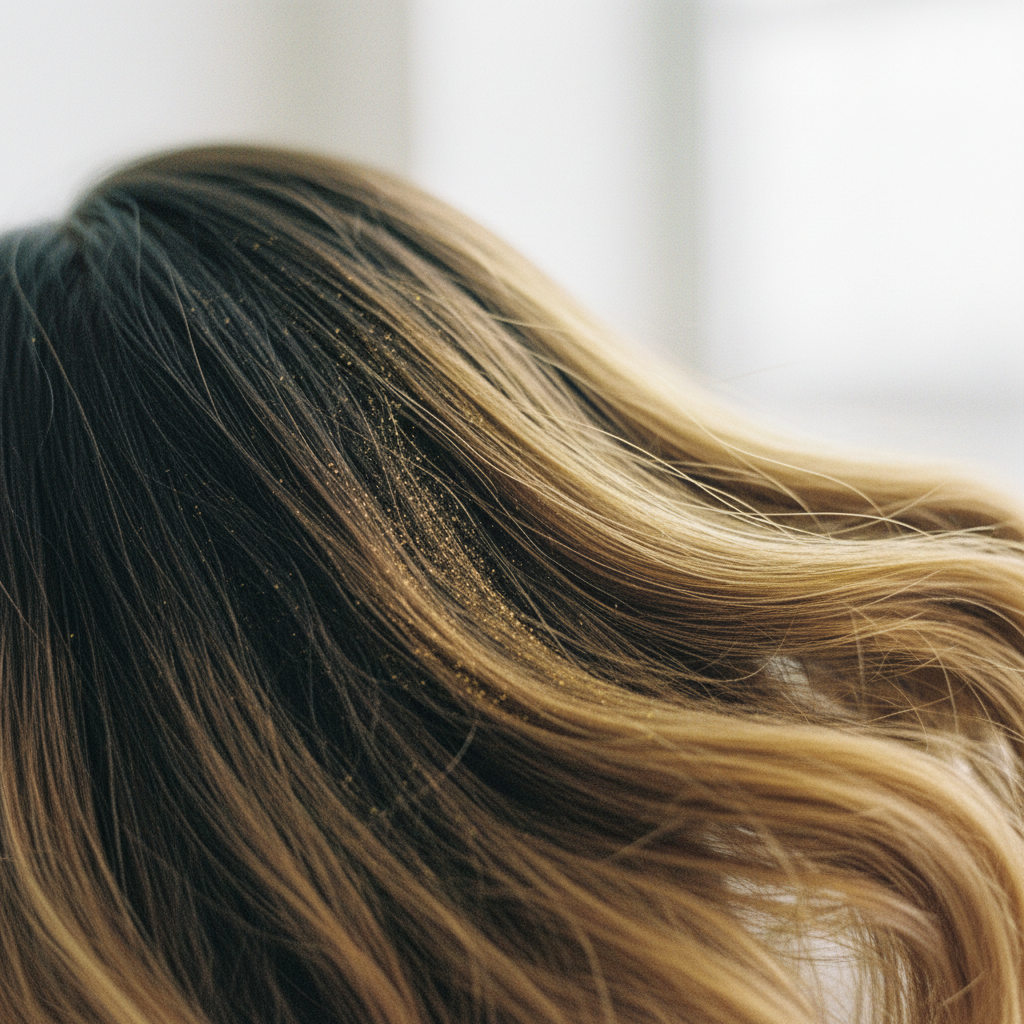
Clinical trichology literature demonstrates that chemical processing dissolves the protective F-layer, a mono-molecular fatty acid sheath made of 18-MEA. Losing this lipid barrier turns hydrophobic, water-repelling hair into a porous, hydrophilic sponge. Water rushes into the vulnerable cortex, causing excessive swelling (hygral fatigue), lifted cuticle scales, and catastrophic loss of tensile strength.
Peer-reviewed studies confirm that topical treatments containing active bond-rebuilding active agents (such as dicarboxylic acids or maleate cross-linkers), biomimetic peptides, and low-molecular-weight hydrolysed proteins penetrate the porous cortex. These compounds reconstruct synthetic bridges between free cysteine sites, measurably restoring mechanical resistance to combing forces.
How chemical processing alters the hair fibre
Every major salon chemical process exacts a specific structural toll on the hair shaft:
Bleaching and permanent colouring
Hydrogen peroxide and persulphate salts lift the cuticle scales and oxidise melanin granules inside the cortex. In doing so, they also oxidise cystine into cysteic acid. This removes the natural disulphide links that give hair its spring and elasticity. The cuticle edges chip away, exposing the fragile inner cortex.
Relaxers and chemical straightening
Alkaline relaxers break up to 30 percent of disulphide bonds and convert cystine to lanthionine. This permanently reshapes curly patterns into straight forms, but it permanently lowers the ultimate tensile strength of the fibre.
Perms
Thioglycolate perms reduce disulphide bonds into cysteine groups. While neutralising agents re-oxidise many of these bonds into new positions, roughly 10 to 15 percent of the original bonds remain permanently broken.
| Chemical service | Primary bond affected | Cuticle condition | Mechanical impact |
|---|---|---|---|
| Bleaching / High Lift | Disulphide bonds oxidised to cysteic acid | Heavily lifted, chipped, stripped of 18-MEA | High porosity, snaps when wet |
| Permanent Tint | Minor disulphide cleavage, protein leaching | Slightly raised scales | Moderate dryness, loss of shine |
| Alkaline Relaxer | Irreversible lanthionisation of cystine | Flattened, thinned, highly vulnerable | Brittleness, severe risk of snapping |
| Acid / Alkaline Perm | Partial disulphide reduction | Porous, altered surface friction | Loss of structural elasticity, frizz |
Recognising the signs of chemical damage
Spotting chemical trauma early prevents severe fibre breakage. Look for these distinct mechanical indicators:

- Loss of wet elasticity: Healthy hair stretches up to 30 percent of its dry length and bounces back. Chemically degraded hair either stretches like chewing gum without returning, or snaps immediately under tension.
- Extreme porosity: The hair absorbs water instantly in the shower but takes an exceptionally long time to dry because water remains trapped inside the hollowed cortex.
- Tangled, velcro-like texture: Without the protective 18-MEA lipid layer, cuticles catch against neighbouring strands, causing intense matting and mechanical friction.
- High-tide breakage: Snapping occurs several centimetres away from the scalp, often concentrated at the line of demarcation where fresh chemical overlapping took place.
Practical steps for repairing chemically damaged hair
A successful regime requires a balanced, sequential approach that addresses internal bonds, internal moisture, and the outer cuticle seal.
1. Rebuild internal bonds
Use targeted dicarboxylic acid treatments or functional amino acid complexes weekly. These formulations penetrate past the opened cuticle to bridge cleaved cystine residues, offering measurable internal reinforcement.
2. Alternate protein and moisture
Over-treating with pure protein makes hair stiff and brittle, while excessive moisture softens the fibre too much. Rotate between:
- Hydrolysed proteins (wheat, soy, or keratin) with molecular weights under 1,500 Daltons to temporarily patch cortical voids.
- Fatty alcohols (cetyl and stearyl alcohol), ceramides, and light plant oils to mimic the lost 18-MEA lipid layer.
3. Lower the pH
Chemically treated hair carries an elevated negative charge (anionic). Using conditioners and leave-in rinses formulated at an acidic pH (between 3.5 and 4.5) helps contract the swollen cuticle cells, locking the cortex and restoring smooth light reflectance.
4. Minimise mechanical and thermal stress
Keep heated tools below 180 degrees Celsius and always apply a thermal protectant. Switch to wide-tooth detangling combs and dry with microfibre towels to prevent ripping fragile wet fibres.
The Watermans approach to hair resilience
While structural Chemical Hair Damage Repair focuses on the dead hair shaft, safeguarding the scalp and emerging new growth is equally vital. Chemical processing frequently irritates the scalp microbiome and disrupts the epidermal barrier.
Watermans products, including the Grow Me Shampoo and Condition Me Conditioner, are formulated to support the overall scalp ecosystem while replenishing the hair shaft. Packed with hydrolysed lupin protein, niacinamide, caffeine, argan oil, and allantoin, this system provides a nutrient-dense wash that reinforces delicate fibres, smooths rough cuticles, and supports an optimal environment for incoming hair growth.
When breakage is mistaken for hair loss
It is critical to distinguish between hair fibre breakage and medical hair loss. Chemical damage snaps the dead shaft, leaving behind uneven, ragged lengths, but the root remains anchored inside the follicle.
If you notice full-length hairs shedding from the scalp with small white keratin bulbs at the end, this indicates telogen effluvium, hormonal shedding, or androgenetic alopecia, not chemical breakage. However, severe chemical scalp burns caused by improperly applied bleach or caustic relaxers can damage follicles directly, occasionally resulting in temporary shedding or, in rare cases, scarring alopecia.
Frequently asked questions about Chemical Hair Damage Repair
Can split ends be healed with chemical hair damage repair products?
No. Split ends represent complete physical fracture of the cortex and cuticle. While bond builders and silicone-based serums temporarily glue split fibres together to disguise damage, this bond degrades with washing and combing. Trimming away split ends is the only permanent cure.
How long does Chemical Hair Damage Repair take to work?
Topical bond builders and deep conditioning treatments improve combability, elasticity, and shine after a single 20-minute application. However, maintaining these improvements requires consistent weekly treatments, as topical patches gradually wash out over time. Full structural renewal only finishes when undamaged new hair replaces the chemically treated lengths.
Can chemical damage cause permanent baldness?
Normal chemical processing along the hair shaft does not cause baldness. However, if strong alkaline relaxers or high-strength peroxides touch the scalp for extended periods, they can cause deep chemical burns. If these burns ulcerate and destroy the underlying follicular stem cells, permanent scarring alopecia can occur.
Should I use protein treatments every day on bleached hair?
No. Daily protein treatments can cause protein overload, leaving the hair feeling rigid, chalky, and prone to snapping. Use intensive protein masks once every one to two weeks, followed by an emollient-rich moisturising conditioner to keep the hair pliable.
Moving forward with chemical damage recovery
Successful Chemical Hair Damage Repair demands patience, structural interventions, and realistic expectations. While cosmetic chemistry cannot resurrect dead cells, strategic bond-building treatments, acidic pH smoothing, and lipid replenishment will restore tensile strength and prevent further breakage. Protect your emerging root growth, handle damp hair with deliberate care, and pair regular restorative treatments with routine trims to grow out damaged lengths safely.
Sources and references
- Robbins, C. R. (2012). Chemical and Physical Behavior of Human Hair. 5th ed. Springer Science & Business Media.
- Cruz, C. F., et al. (2016). "Human Hair Keratin: Properties, Damage, and Repair." International Journal of Molecular Sciences, 17(12), 2097.
- Society of Cosmetic Chemists (SCC). "Effects of Bleaching and Permanent Waving on Hair Fibre Structure and Surface Properties." Journal of Cosmetic Science.
- British Association of Dermatologists (BAD). "Hair Breakage and Shaft Disorders: Clinical Guidelines."
Find these ingredients in Watermans products
- Niacinamide: you will find this ingredient in our Hair Mask.