Chemical Damage and Hair Porosity: Causes, Science, and Fibre Care
11 min read ·
Explore the science of Chemical Damage and Hair Porosity: how bleaching, dyes, and relaxers alter cuticle structure, degrade lipids, and how to protect fragile strands.
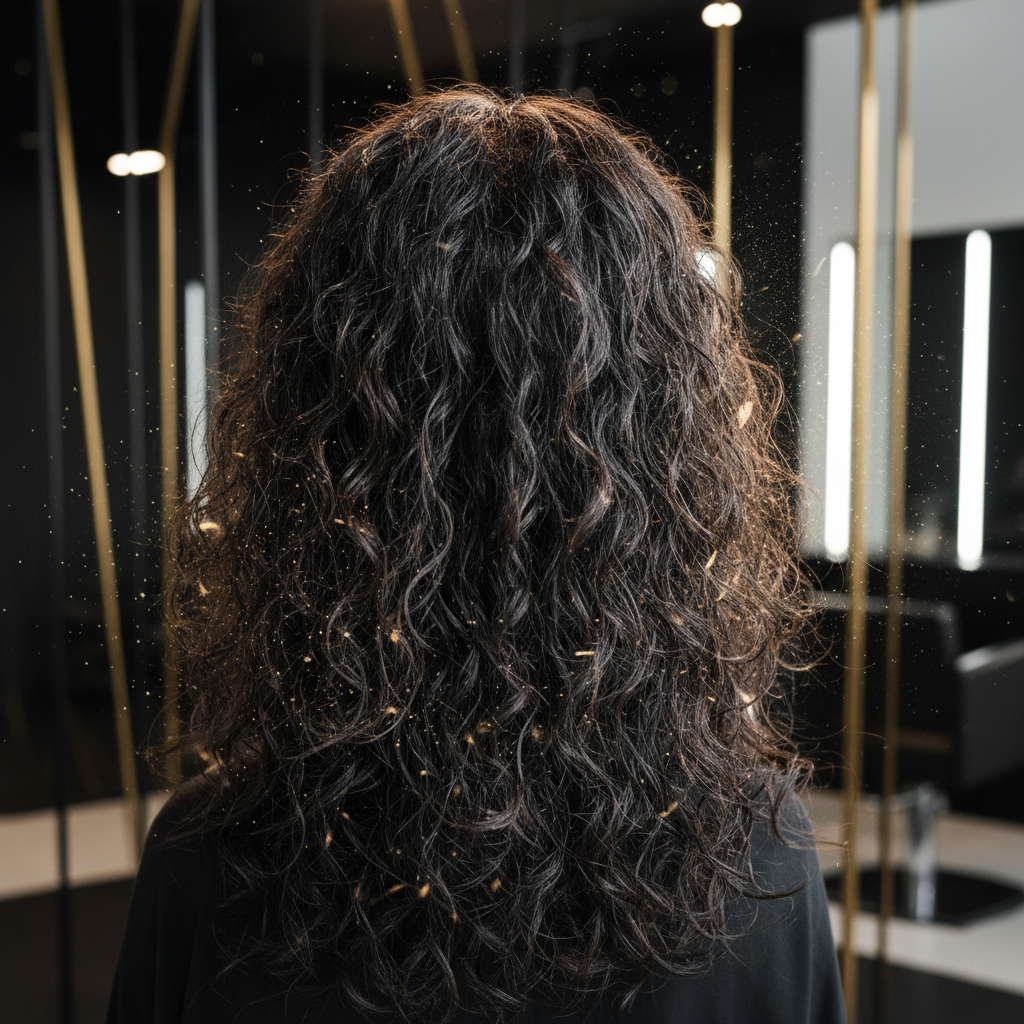
Quick answer: The relationship between Chemical Damage and Hair Porosity centres on the destruction of the hair fibre's protective outer barriers. Chemical treatments like bleaching, permanent colouring, and relaxing use alkaline agents (often pH 9.0 to 11.5) that dissolve the hydrophobic 18-methyl eicosanoic acid (18-MEA) lipid layer and lift cuticle scales. This process turns low- or medium-porosity hair into high-porosity hair. The main limitation is that cuticle loss and broken disulfide bonds cannot be biologically regenerated; cosmetic treatments can only temporarily patch the structural voids.
Key takeaways
- The lipid barrier vanishes first: Alkaline processing strips the outermost layer of 18-MEA lipids, instantly shifting the fibre from water-repellent (hydrophobic) to water-absorbing (hydrophilic).
- Cuticle degradation drives high porosity: Bleaching and permanent straightening lift, crack, or entirely dissolve the overlapping cuticle scales, leaving permanent gaps along the shaft.
- Internal cortex loss occurs: When the cuticle is compromised, cysteic acid forms from broken disulfide bonds, and soluble cortex proteins leach out during washing.
- Porosity changes physical behaviour: Chemically altered, high-porosity hair absorbs water rapidly, swells excessively (hygral fatigue), tangles easily, and loses mechanical tensile strength.
- Cosmetics offer temporary reinforcement: While no product can truly rebuild missing cuticle scales permanently, film-forming polymers, hydrolysed proteins, and acid-balanced conditioners significantly reduce breakage and manage moisture flux.
Chemical Damage and Hair Porosity: what the evidence shows
Research in cosmetic dermatology confirms that chemical processing is the single most common cause of acquired high porosity in human hair. Under normal physiological conditions, a healthy hair fibre has low to medium porosity. Its outer cuticle consists of 6 to 10 overlapping cellular layers shielded by an ultra-thin lipid membrane composed mainly of 18-methyl eicosanoic acid (18-MEA). This membrane gives healthy hair an isoelectric point around pH 3.67, making it naturally hydrophobic. It repels excessive environmental moisture while preserving the internal moisture balance of the cortex.
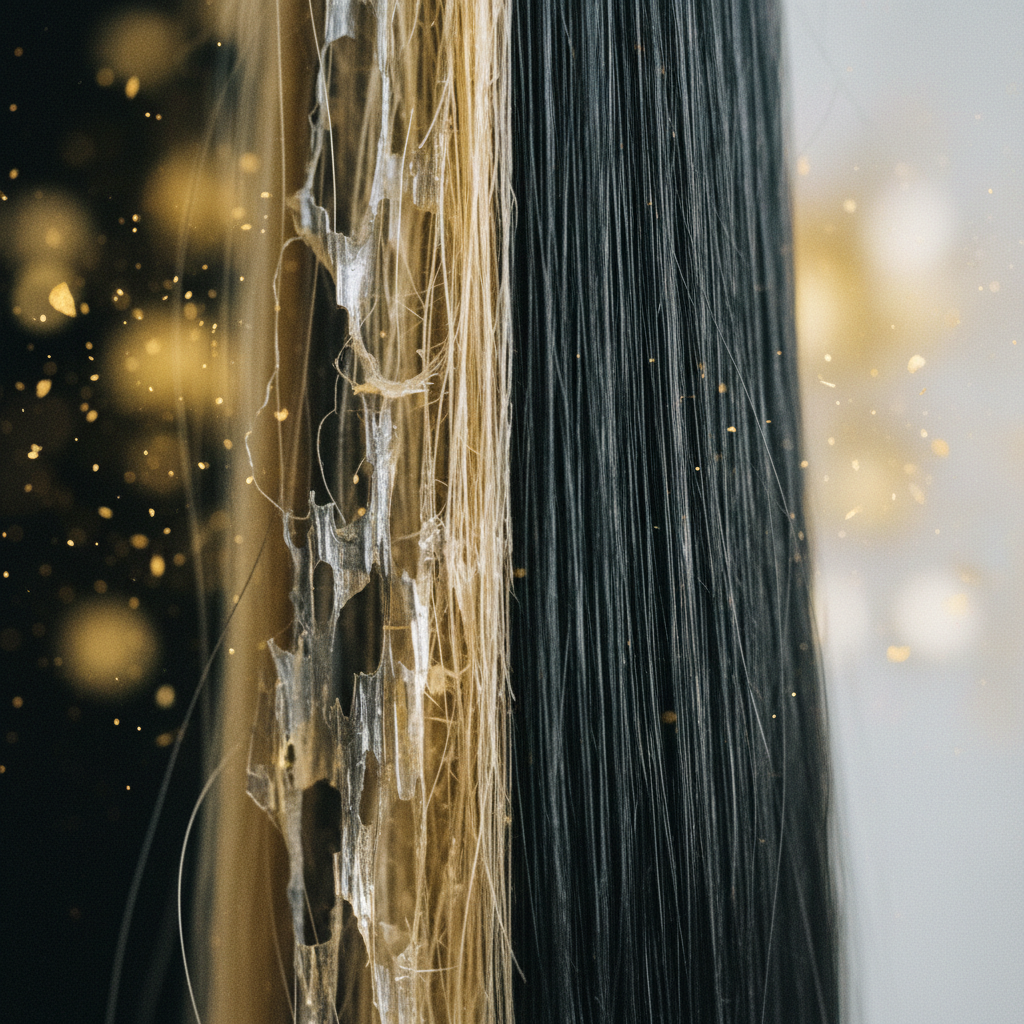
When you subject hair to alkaline processes such as bleaching (alkaline persulphates and hydrogen peroxide), oxidative dyes (ammonium hydroxide), or chemical relaxers (sodium hydroxide or guanidine hydroxide), the chemical environment forces the cuticle to swell and open. This allows active agents to penetrate deep into the cortex. During this intrusion, the protective 18-MEA layer is covalently cleaved and washed away.
Without this protective lipid envelope, the hair becomes profoundly hydrophilic. The exposed cuticle edges lift and chip off with normal mechanical brushing. High-resolution scanning electron microscopy (SEM) studies show that repeated chemical services lead to partial or complete loss of the cuticle sheath, exposing the underlying cortex microfibrils directly to ambient air, water, and friction.
Healthy, Low-Porosity Fibre:
[18-MEA Lipid Layer] -> [Tightly Shingled Cuticles] -> [Intact Cortex Core]
(Hydrophobic, repels excess water, smooth surface)

Chemically Damaged, High-Porosity Fibre:
[18-MEA Stripped] -> [Lifted, Broken, or Missing Cuticles] -> [Exposed, Porous Cortex]
(Hydrophilic, rapid water uptake, protein loss, high friction)
The biological and physical mechanisms
Understanding the link between Chemical Damage and Hair Porosity requires examining how alkaline solutions alter hair's physical architecture at the molecular scale.
1. Disulfide bond cleavage and cysteic acid formation
Hair strength relies on cross-linked disulfide bonds formed between cysteine amino acid residues. Bleach and alkaline dyes oxidise these disulfide linkages. While some reform into weaker configurations, a significant percentage permanently oxidises into cysteic acid. Cysteic acid carries a negative electrostatic charge at typical wash water pH levels (pH 6.0 to 7.0). This dramatically increases the net negative charge of the hair shaft, raising friction between neighbouring fibres and causing intense static and tangling.
2. Loss of structural cortex proteins
Once cuticle integrity fails, the inner cortex loses its protective armour. During shampooing, water penetrates the expanded porosity channels, dissolving low-molecular-weight cortical proteins and free amino acids. Research shows that severely bleached hair can lose up to 2% to 5% of its total dry protein mass simply from routine washing. This continuous protein elution leaves microscopic voids throughout the fibre, reducing dry tensile strength and wet elasticity.
3. Hygral fatigue
Because chemically altered hair lacks a hydrophobic barrier, it absorbs water like a sponge, taking in up to 30% to 45% of its dry weight in moisture. This rapid, uncontrolled water absorption causes the fibre to swell dramatically in diameter. When the hair dries, it shrinks back down. This repeated swelling and deswelling cycle, known as hygral fatigue, puts enormous physical stress on the remaining cell membrane complex, eventually leading to spontaneous longitudinal splitting and transverse fibre fracture (breakage).
| Characteristic | Healthy, Intact Hair (Low Porosity) | Chemically Damaged Hair (High Porosity) |
|---|---|---|
| Surface lipid layer (18-MEA) | Present and continuous | Severely degraded or entirely absent |
| Water interaction | Hydrophobic (repels water droplets) | Hydrophilic (instantly absorbs water) |
| Cuticle morphology | Flat, overlapping, tightly sealed | Chipped, lifted, perforated, or absent |
| Isoelectric point | ~ pH 3.67 | Shifted lower (highly anionic surface) |
| Cysteic acid content | Low (< 15 to 20 µmol/g) | High (often > 60 to 100+ µmol/g) |
| Drying time | Moderate and uniform | Very slow to air-dry; uneven moisture retention |
| Mechanical wet strength | High; stretches 30% before breaking | Poor; snaps easily under light tension |
The visible signs of chemically induced high porosity
You can readily identify high porosity caused by chemical services through tactile and visual indicators:
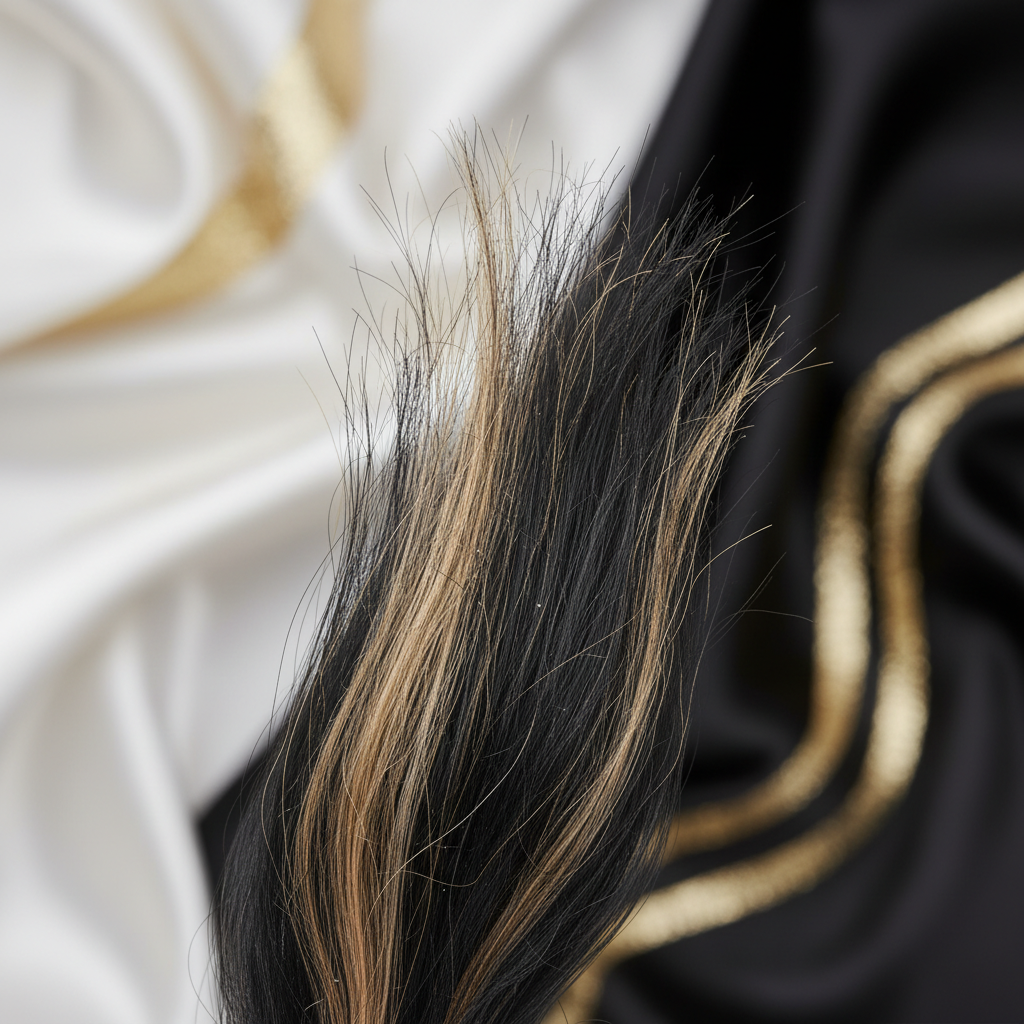
- Rapid water saturation: When you step under the shower, the hair saturates with water almost instantaneously instead of repelling the initial stream.
- The "sponge effect" when wet: Wet strands feel gummy, limp, or overly stretchy. When pulled gently, the hair extends abnormally without bouncing back, or it snaps cleanly with minimal force.
- Flash-drying or prolonged dampness: Paradoxically, while the hair absorbs water rapidly, its lack of an outer seal means surface moisture evaporates quickly, leaving the fibre feeling straw-like. Conversely, dense high-porosity sections can trap bulk liquid in internal voids, making blow-drying tedious.
- Accelerated colour fading: Artificial pigment molecules (such as direct or demi-permanent dyes) rinse out of the porous cortex within a few washes because there is no intact cuticle layer to trap them inside.
- Severe friction and matting: The jagged, lifted cuticle edges catch on adjacent strands, creating stubborn fairy knots and severe wet tangling.
What the evidence does not show
It is essential to separate physical realities from marketing hype:
- Chemicals do not alter follicle genetics: Chemical processing changes the porosity of the non-living hair shaft that has emerged from the scalp. It does not alter your follicle's genetic blueprint. Any new hair growth emerging from the scalp will possess its natural, undamaged porosity.
- Porosity cannot be "permanently cured": No cosmetic serum, bond builder, or salon treatment can regenerate missing cellular layers or regrow biological 18-MEA. Treatments deposit conditioning agents or form artificial cross-links that temporarily improve tensile strength and smooth the surface. These wear off over time and wash away, requiring continuous reapplication.
- Porosity tests like the "water glass float test" are scientifically unreliable: Floating a hair strand in a glass of tap water is often promoted online, but surface tension, natural sebum coatings, and styling product residue routinely produce false readings. Professional evaluation relies on tactile friction analysis, wet-stretch resistance, or laboratory microscopy.
Practical steps to manage chemically damaged, high-porosity hair
While you cannot biologically undo chemical trauma, you can mimic the lost protective layers and shield fragile fibres from progressive breakage:
- Use acidic formulations: Select shampoos, conditioners, and leave-in products with a lower pH (between pH 4.0 and 5.5). Mildly acidic environments contract the keratin matrix, neutralise excess negative surface charges, and help keep remaining cuticle plates as flat as possible.
- Incorporate hydrolysed proteins: Formulations containing hydrolysed vegetable, wheat, or silk proteins (with molecular weights between 500 and 2,000 Daltons) can temporarily enter the larger porosity voids of the cortex. They patch defects, improve water retention, and temporarily boost tensile strength.
- Seal with occlusives and biomimetic lipids: Because the natural 18-MEA layer is gone, you must coat the surface artificially. Fatty alcohols (cetyl and stearyl alcohol), silicones (such as dimethicone or amodimethicone), and lightweight plant oils form a flexible, hydrophobic film over lifted cuticles, reducing moisture loss and lowering combing friction.
- Minimise secondary mechanical trauma: Chemically porous hair has a low threshold for mechanical stress. Avoid detangling dry hair with fine-tooth combs. Use wide-tooth combs or flexible detangling brushes on wet hair coated with high-slip conditioner, and swap rough cotton towels for smooth microfibre wraps.
- Limit heat styling: The thermal tolerance of chemically damaged hair is markedly reduced. If blow-drying or heat-styling, keep temperatures below 150°C and always apply a heat-protective formula containing cross-linking polymers.
Supporting hair health with Watermans
When managing hair compromised by chemical processing, a dedicated routine is essential to maintain a healthy scalp environment while physically fortifying the fibre. Watermans approaches hair wellness by focusing on everyday cosmetic care that respects the fibre's delicate structural state.
Using gentle, sulphate-free cleansing helps prevent further stripping of residual surface lipids from fragile, high-porosity hair shafts. Complementing this with targeted conditioning agents, natural botanicals, and fortifying blends supports fibre resilience, eases combing friction, and minimises mechanical breakage along damaged lengths. This ensures emerging root growth stays supported while older, chemically treated strands remain manageable and visibly healthy.
When the cause may be something else
If your hair appears dull, brittle, or behaves as if it has altered porosity, verify whether other factors are at play before attributing it entirely to chemical processing:
- Hard water mineral buildup: High concentrations of calcium and magnesium ions in domestic tap water bind tenaciously to the hair shaft. This creates a gritty, dry film that mimics high-porosity friction and prevents moisture absorption, even on virgin hair.
- Thermal degradation: Daily use of flat irons, curling wands, or high-heat blow-dryers above 180°C physically boils intracellular water (bubble hair) and oxidises cuticle proteins, causing severe high porosity without any salon chemical processing.
- Environmental UV oxidation: Chronic exposure to solar ultraviolet (UVA and UVB) radiation degrades the amino acids cystine, tyrosine, and tryptophan, leading to free radical damage and cuticle erosion similar to mild bleaching.
- Underlying shedding disorders: If you notice diffuse shedding across the scalp, this is not a porosity or cosmetic issue. Telogen effluvium, nutritional deficiencies (such as iron or vitamin D depletion), thyroid dysregulation, or androgenetic alopecia originate inside the living hair follicle, whereas porosity is an external fibre condition.
When to seek professional advice
If you observe sudden, extensive breakage where hair snaps off in clumps after a chemical appointment, consult a qualified trichologist or experienced salon colour specialist immediately. They can perform an in-depth elasticity analysis to determine whether chemical over-processing has fundamentally dissolved the hair's internal structural integrity.
Additionally, if your chemical service was accompanied by persistent scalp burning, erythema (redness), weeping sores, or sudden patch-like hair loss from the root, seek prompt clinical evaluation from a GP or dermatologist. Chemical burns require medical management to protect the underlying follicles from permanent cicatricial (scarring) alopecia.
Frequently asked questions about Chemical Damage and Hair Porosity
Can you reverse the effects of Chemical Damage and Hair Porosity?
No, you cannot permanently reverse the condition. Once alkaline chemicals strip the protective 18-MEA lipid layer and dissolve cuticle scales, the body cannot biologically regenerate them. However, you can manage high porosity cosmetically. Using pH-balanced leave-in treatments, hydrolysed proteins, and film-forming emollients temporarily fills porosity gaps, lubricates the fibre, and dramatically reduces snapping and breakage until healthy new hair grows out.
Why does high-porosity hair take so long to dry?
High-porosity hair has countless microscopic gaps throughout its lifted cuticle and compromised cortex. When exposed to water, it absorbs vast amounts directly into its internal core. Although the surface water may evaporate rapidly, this large reservoir of trapped internal moisture takes a prolonged time to migrate outwards and evaporate, particularly in humid environments.
Does colouring hair always cause high porosity?
Permanent hair colour requires an alkaline agent (like ammonia or ethanolamine) to swell the cuticle, alongside hydrogen peroxide to oxidise natural melanin. This invariably increases porosity to some degree. However, non-lightening demi-permanent or semi-permanent glosses operate at lower pH levels with minimal peroxide, causing far less cuticle erosion than high-lift tints, relaxers, or powdered bleaches.
How often should protein treatments be used on chemically damaged hair?
Protein treatments should typically be applied every 2 to 4 weeks, depending on the severity of the damage. Hydrolysed proteins reinforce microscopic voids in the cortex, improving structural integrity. However, overusing intensive protein products without sufficient balancing moisture can make high-porosity hair feel stiff, brittle, and prone to mechanical snapping.
Managing your hair after chemical processing
The dynamic between Chemical Damage and Hair Porosity highlights the structural vulnerability of hair fibres exposed to alkaline treatments. Chemical alterations inevitably lift the cuticle and strip vital surface lipids, shifting the hair into an ultra-absorbent, fragile high-porosity state. While modern cosmetic science cannot biologically rebuild missing cuticles, an evidence-based care routine prioritising low-pH formulas, film-forming sealants, and gentle detangling will successfully safeguard remaining fibre strength. Understanding these mechanisms ensures you can enjoy cosmetic services while keeping breakage strictly under control.
Sources and references
- Robbins, C. R. (2012). Chemical and Physical Behavior of Human Hair. 5th ed. Springer-Verlag. DOI: 10.1007/978-3-642-25611-0.
- Cruz, C. F., Fernandes, M. M., Gomes, A. C., Coderch, L., Martí, M., Méndez, S., & Cavaco-Paulo, A. (2016). Keratins and chemically treated hair. International Journal of Cosmetic Science, 38(5), 446-454.
- Gavazzoni Dias, M. F. (2015). Hair cosmetics: An overview. International Journal of Trichology, 7(1), 2-15.
- Sinclair, R. D. (2007). Healthy hair: what is it? Journal of Investigative Dermatology Symposium Proceedings, 12(2), 2-5.
- Swift, J. A. (1999). Human hair cuticle: biologically conspired to the owner's advantage, by design. International Journal of Cosmetic Science, 21(6), 405-421.
Find these ingredients in Watermans products
- Vitamin D: you will find this ingredient in our Hair Vitamins.