Carrier Oils: Benefits, Uses, and Evidence for Hair Health
10 min read ·
Carrier Oils are natural plant-derived oils used in hair care to moisturise, condition, and protect hair, though evidence for their specific effects varies between oil types.
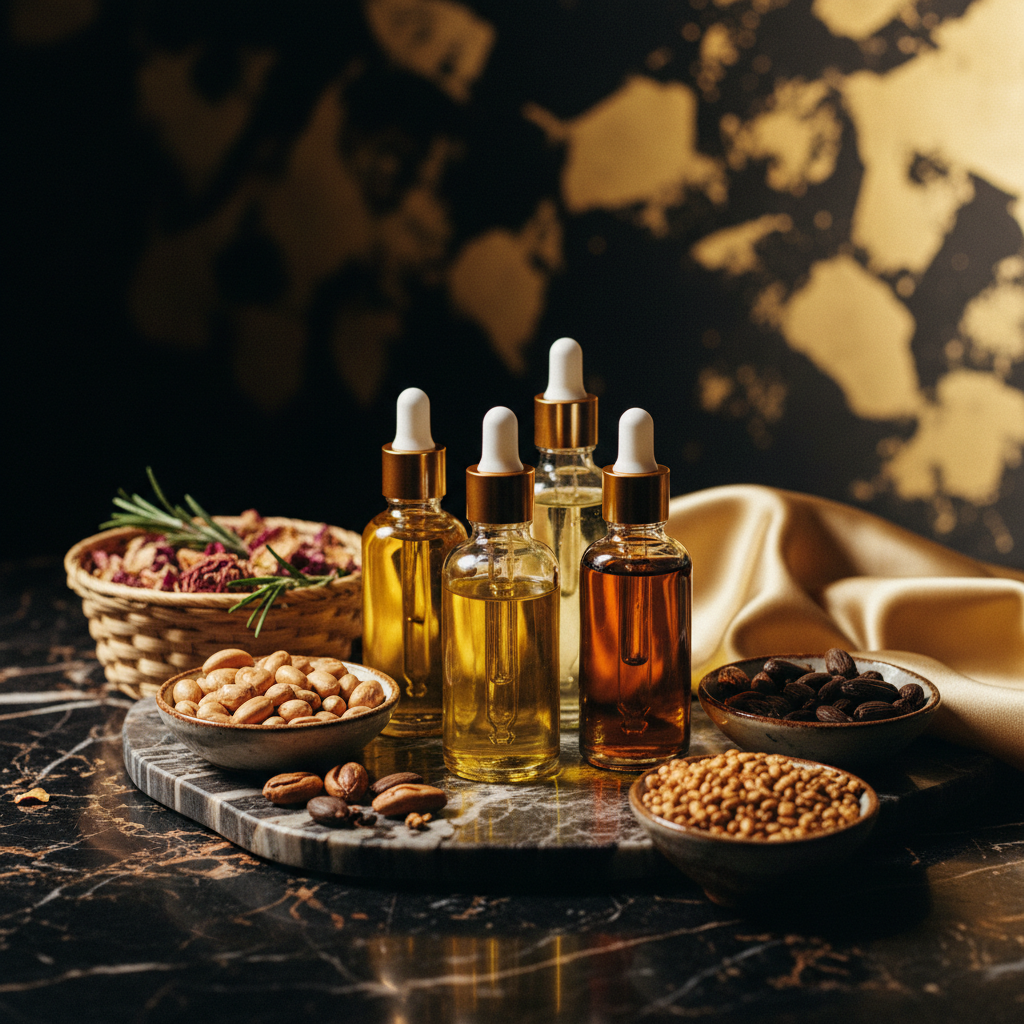
Quick answer: Carrier Oils are non-volatile, plant-derived oils extracted from seeds, nuts, or fruits that are used in hair care to moisturise, condition, and protect the hair fibre. While they can improve hair's feel, shine, and manageability, the specific benefits, such as reducing breakage or improving scalp health, depend significantly on the oil type and consistent, appropriate application. Their effectiveness for specific conditions is still an area of ongoing research.
Key takeaways
- Carrier Oils are plant-derived oils, distinct from essential oils, and are primarily used in hair care for moisturising and conditioning.
- They work by forming a protective layer, smoothing the hair cuticle, and in some cases, penetrating the hair shaft to reduce water loss.
- Benefits like improved shine, reduced frizz, and enhanced manageability are commonly reported with various Carrier Oils.
- Specific effects, such as reducing breakage, supporting scalp health, or aiding hair growth, are highly dependent on the oil's unique fatty acid profile and bioactive compounds, and require consistent use.
- Always consider your hair type, porosity, and any scalp sensitivities when choosing a Carrier Oil, and patch test new products.
Carrier Oils: what the evidence shows
Carrier Oils are natural, plant-derived oils obtained from the fatty parts of plants, such as seeds, nuts, or fruits. Unlike essential oils, which are concentrated aromatic compounds that evaporate quickly and can be irritating when applied directly, Carrier Oils are non-volatile. They serve as a base to dilute essential oils for safe topical use, but also possess their own benefits for hair and scalp health. These benefits largely stem from their unique composition of fatty acids, vitamins, and other beneficial compounds.
The primary actions of Carrier Oils on hair include moisturising, conditioning, and providing a protective barrier. Many Carrier Oils are rich in fatty acids, which can help to lubricate the hair shaft, reducing friction and improving its flexibility. This action can lead to a reduction in hair breakage and an improvement in the hair's overall appearance and feel. Some oils, like coconut oil, have been shown to penetrate the hair shaft, reducing protein loss during washing, particularly in hair that is already damaged or prone to protein depletion (Rele & Mohile, 2003). This penetration helps to reduce hygral fatigue, the swelling and shrinking of hair as it absorbs and releases water.
Other Carrier Oils, such as argan oil, jojoba oil, and olive oil, tend to coat the hair surface. This external layer helps to smooth the cuticle, reducing frizz and increasing shine. This barrier can also help to slow water loss from the hair fibre, contributing to improved hair hydration, especially for drier hair types or those frequently exposed to drying conditions.
For scalp health, certain Carrier Oils may offer benefits. For instance, jojoba oil closely mimics the sebum naturally produced by the scalp, making it a good choice for balancing oil production. Other oils, like tea tree oil (often diluted in a carrier oil) or even some Carrier Oils themselves, may possess antimicrobial properties that could help manage scalp conditions such as dandruff, which is often linked to microbial imbalances. However, direct evidence for Carrier Oils alone effectively treating clinical scalp conditions is often limited, and professional advice should be sought for persistent issues.
What the evidence does not clearly show
While anecdotal evidence and some preliminary studies suggest Carrier Oils can improve hair health, direct, large-scale clinical trials on their ability to significantly treat hair loss (alopecia) or accelerate hair growth beyond supporting a healthy scalp environment are limited. Claims about "hair growth" are often associated with improved hair condition and reduced breakage, which can make hair appear fuller or longer, rather than stimulating new hair follicle activity. For conditions like androgenetic alopecia, Carrier Oils are not a primary treatment. Similarly, while Carrier Oils can soothe irritated scalps, they are not a substitute for medicated treatments for severe conditions like psoriasis or seborrheic dermatitis without professional guidance.
The mechanism: how Carrier Oils work
Carrier Oils exert their effects primarily through three main mechanisms:
- Occlusion and Sealing: Many Carrier Oils form a thin film on the hair's surface. This film acts as an occlusive barrier, which reduces the rate of water evaporation from the hair shaft. By helping to seal in moisture, the hair remains more hydrated, leading to improved elasticity and a smoother feel. This surface effect also helps to flatten the cuticular scales, resulting in increased shine and reduced frizz. This is particularly beneficial for hair with high porosity, which tends to lose moisture quickly.
- Penetration and Strengthening: Some specific Carrier Oils, such as coconut oil, have a molecular structure that allows them to penetrate the hair shaft. Coconut oil, being rich in lauric acid, has a small molecular weight and a linear structure, enabling it to diffuse into the hair's cortex. Once inside, it can help reduce protein loss during washing by binding to hair proteins. This internal strengthening can make the hair more resilient and less prone to breakage (Rele & Mohile, 2003).
- Nutrient Delivery and Scalp Conditioning: Carrier Oils contain various beneficial compounds, including fatty acids, vitamins (like Vitamin E), and antioxidants. When applied to the scalp, these nutrients can help to condition the skin, maintain its barrier function, and potentially reduce inflammation. A healthy scalp environment is crucial for supporting existing hair follicles and promoting optimal hair growth cycles. For instance, the linoleic acid found in many oils is an essential fatty acid important for skin health, and some oils may help balance sebum production, as explored in articles like Sebum Regulation: Understanding and Managing Scalp Oiliness.
Common Carrier Oils and their properties
Choosing the right Carrier Oil depends on your hair type, concerns, and desired results. Here is a comparison of some popular options:
| Carrier Oil | Key Fatty Acids / Components | Hair Type Suitability | Primary Benefits for Hair |
|---|---|---|---|
| Coconut Oil | Lauric acid, Myristic acid | All hair types, especially dry, damaged, or protein-deficient hair; thicker hair | Penetrates hair shaft to reduce protein loss and hygral fatigue; deeply moisturising; enhances shine; can help with breakage. |
| Argan Oil | Oleic acid, Linoleic acid, Vitamin E | All hair types, especially dry, brittle, or frizzy hair; fine to medium hair | Rich in antioxidants and Vitamin E; excellent emollient for surface conditioning; improves elasticity, shine, and manageability; reduces frizz without weighing down fine hair. |
| Jojoba Oil | Wax esters | All hair types, especially oily scalp, balanced scalp; fine to medium hair | Closely mimics natural sebum, making it ideal for balancing scalp oil production; non-greasy feel; helps unclog follicles; conditions hair without heavy residue. |
| Olive Oil | Oleic acid, Palmitic acid | Dry, thick, damaged hair; curly and afro-textured hair | Deeply conditioning and moisturising; can help strengthen hair and add shine; good for protective styling and hot oil treatments. |
| Almond Oil | Oleic acid, Linoleic acid | Dry, fine to medium hair; sensitive scalp | Lightweight and easily absorbed; moisturises, softens, and adds shine; contains Vitamin E; can help soothe an irritated scalp. |
| Castor Oil | Ricinoleic acid | Dry, thick, coarse hair; those seeking thicker-looking hair (due to coating effect) | Very thick and viscous; provides a strong occlusive barrier; often used for scalp massages to improve circulation; can make hair appear thicker and fuller. |
| Grapeseed Oil | Linoleic acid, Oleic acid | Oily hair, fine hair | Very lightweight; non-greasy; moisturises without weighing hair down; contains antioxidants. |
| Avocado Oil | Oleic acid, Monounsaturated fats, Vitamins A, D, E | Dry, damaged, thick hair | Rich and deeply penetrating; excellent for moisturising and nourishing; helps to strengthen hair and reduce breakage; good for very dry scalps. |
What you can do: incorporating Carrier Oils into your routine
To safely and effectively use Carrier Oils for your hair, consider these approaches:
- Pre-Shampoo Treatment (Pre-Poo): Apply a Carrier Oil to dry hair and scalp 30 minutes to a few hours before shampooing. This can help protect the hair from the stripping effects of shampoo, especially if you have dry or brittle hair. Coconut oil is particularly effective for this purpose due to its ability to penetrate the hair shaft and reduce protein loss (Rele & Mohile, 2003).
- Leave-In Conditioner/Styling Aid: For dry ends or frizz, a small amount of a lighter Carrier Oil (like argan or jojoba) can be applied to damp or dry hair. This helps to smooth the cuticle, add shine, and provide light hold. This can be particularly useful for Dealing with Frizzy Hair.
- Scalp Massage: Gently massage a Carrier Oil into your scalp. This can help moisturise a dry scalp, balance sebum production, and improve circulation. Jojoba oil is a good choice for balancing an oily scalp, while avocado or olive oil can be beneficial for dry scalps.
- Hot Oil Treatment: Warm a Carrier Oil gently (do not boil) and apply it to your hair and scalp. Cover with a shower cap and leave for 20 to 30 minutes before shampooing. This deep conditioning treatment can significantly boost moisture and shine. This is especially beneficial for Moisturizing Afro-Textured Hair.
- Diluting Essential Oils: If using essential oils for specific benefits, always dilute them in a Carrier Oil. A common ratio is 1 to 2 drops of essential oil per teaspoon of Carrier Oil. Always perform a patch test first.
When applying, remember that a little goes a long way. Start with a small amount and adjust as needed, especially for finer hair types to avoid weighing it down or making it appear greasy.
When to get professional advice
While Carrier Oils can be beneficial for cosmetic hair health, they are not a medical treatment. If you are experiencing significant hair shedding (like telogen effluvium), persistent hair loss (alopecia), excessive breakage that doesn't improve with care, or a chronic scalp condition (such as severe dandruff, persistent itching, or inflammation), it's important to consult a dermatologist or trichologist. These professionals can accurately diagnose the underlying cause and recommend appropriate medical treatments, which may include prescription medications or other therapies beyond cosmetic products. Self-treating medical conditions with Carrier Oils alone may delay effective treatment.
Frequently asked questions about Carrier Oils
Can Carrier Oils promote hair growth?
Carrier Oils primarily support a healthy environment for existing hair growth by moisturising the scalp, conditioning the hair, and reducing breakage. By making hair more resilient and reducing its tendency to snap, hair may appear to grow longer and fuller. However, scientific evidence directly proving that Carrier Oils stimulate new hair follicle growth or treat conditions like alopecia is limited. For specific concerns about hair growth, consult a healthcare professional.
Which Carrier Oils are best for dry hair?
For dry hair, oils known for their rich, penetrating, and occlusive properties are often most beneficial. Coconut oil is excellent for deep moisturisation and reducing protein loss. Olive oil, avocado oil, and argan oil are also highly effective at conditioning, sealing in moisture, and adding shine to dry or brittle strands. These oils help to improve elasticity and reduce the appearance of dryness.
Do Carrier Oils make hair greasy?
Carrier Oils can make hair appear greasy if too much is applied, especially to finer hair types, or if the oil is not thoroughly rinsed out when used as a pre-shampoo treatment. To avoid greasiness, start with a very small amount (a few drops) and distribute it evenly. Lighter oils like grapeseed or jojoba oil are less likely to weigh hair down compared to heavier options like castor or coconut oil.
Can I use Carrier Oils on colour-treated hair?
Yes, many Carrier Oils are safe and beneficial for colour-treated hair. They can help to moisturise and protect hair that may have become dry or damaged from chemical processing, thus extending the vibrancy of your colour. Oils like argan and coconut oil can help condition the hair fibre, reducing dullness. For more on maintaining colour, see Maintaining Colour-Treated Hair: Maintaining Colour-Treated Hair: A Guide to Longevity and Health.
Watermans and Carrier Oils
Watermans products are formulated with a focus on supporting hair and scalp health through scientifically backed ingredients. While individual Carrier Oils are not the primary active ingredients in all Watermans products, the principles of moisturising, conditioning, and scalp health that Carrier Oils offer are integral to the brand's formulations. For example, Watermans Grow Me Hair Growth Shampoo and Masque Me Hair Mask are designed to deliver deep conditioning and nourishment, contributing to stronger, healthier-looking hair and a balanced scalp environment, aligning with the benefits that effective Carrier Oils provide for hair integrity and manageability.
Sources and references
- Rele, J. S., & Mohile, R. B. (2003). Effect of mineral oil, sunflower oil, and coconut oil on prevention of hair damage. Journal of Cosmetic Science, 54(2), 175-192. Available via PubMed
- Gavazzoni Dias, M. F. R. (2015). Hair Cosmetics: An Overview. International Journal of Trichology, 7(1), 2-15. DOI: 10.4103/0974-7753.153987
- National Center for Complementary and Integrative Health (NCCIH). (Accessed 2023). Essential Oils: What You Need To Know. U.S. Department of Health & Human Services. https://www.nccih.nih.gov/health/essential-oils-what-you-need-to-know
- British Association of Dermatologists (BAD). (Accessed 2023). Hair Loss. https://www.bad.org.uk/for-the-public/patient-information-leaflets/hair-loss/
- NHS. (Accessed 2023). Dandruff. https://www.nhs.uk/conditions/dandruff/
Find these ingredients in Watermans products
- Vitamin E: you will find this ingredient in our Hair Vitamins.
- Sunflower Seed Oil: you will find this ingredient in our Heat Protection Spray.