Caring for Colour-Treated Hair: A Comprehensive Guide
9 min read ·
Learn the essential strategies for caring for colour-treated hair to maintain its vibrancy and health.
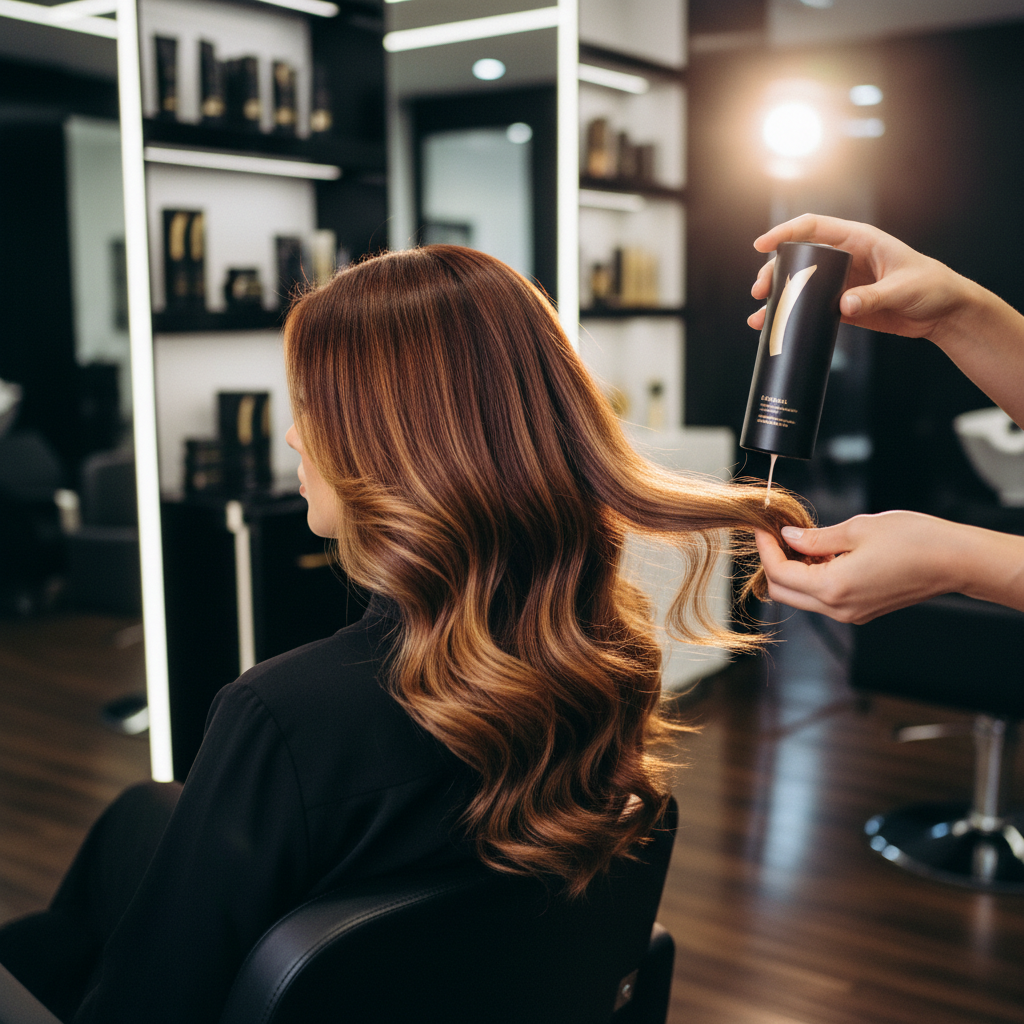
Quick answer: Caring for Colour-Treated Hair involves a mindful routine focused on minimising colour fade and preventing damage. This means using sulphate-free products, washing less frequently with cooler water, protecting hair from heat and UV, and regular deep conditioning. The primary goal is to seal the cuticle and preserve the artificial pigment, but remember that even with the best care, some colour fading is a natural and expected process over time. Effective strategies help prolong vibrancy and maintain hair health, though they cannot prevent all forms of fading or damage.
Key takeaways
- Use sulphate-free, colour-safe shampoos and conditioners to reduce colour stripping.
- Wash hair less often and with cooler water to help seal the hair's cuticle.
- Protect hair from harsh UV radiation and high heat styling.
- Incorporate deep conditioning treatments and masks regularly.
- Consult your stylist for professional treatments and touch-up schedules.
- Recognise that some colour fade is normal; the goal is to slow it down.
Caring for Colour-Treated Hair: what the evidence shows
Caring for Colour-Treated Hair effectively prolongs its vibrancy, minimises fade, and helps maintain the hair's structural integrity after chemical processing. The colouring process, especially permanent colour, involves opening the hair's cuticle layer to deposit artificial pigments. This chemical alteration can leave the hair more porous, susceptible to moisture loss, and prone to damage and premature colour fading if not cared for properly.
Research indicates that key factors influencing colour retention include the frequency of washing, water temperature, the type of shampoo used, and exposure to environmental stressors like UV radiation and chlorine. Studies in cosmetic science often focus on formulations that create a protective film on the hair fibre or those that are less harsh on the cuticle, thereby preserving the deposited colour molecules. For instance, detergents in some shampoos can strip colour, hence the recommendation for sulphate-free options.
The overall health of the hair before colouring also plays a significant role. Hair that is already damaged or highly porous will struggle to hold colour as effectively as healthier hair. Therefore, preparing the hair and maintaining its condition post-colouring are both crucial elements in extending the life of your colour.
How hair colour works and why it fades
When hair is coloured, particularly with permanent dyes, a chemical reaction occurs within the hair shaft. Ammonia (or an alternative alkalising agent) lifts the cuticle, allowing small dye precursors to penetrate the cortex. Hydrogen peroxide then oxidises these precursors, causing them to expand and link together, forming larger, coloured molecules that become trapped inside the hair shaft. These larger molecules are what give the hair its new colour.
Colour fades primarily for two reasons: the dye molecules escaping the hair shaft and chemical alteration or degradation of the molecules themselves. Frequent washing, especially with hot water, can cause the cuticle to swell, allowing some dye molecules to leach out. Harsh surfactants in shampoos can also accelerate this process. UV radiation from the sun is a significant contributor to fading, as it breaks down the chemical bonds of the dye molecules, leading to discolouration. Chlorine from swimming pools and even certain minerals in hard water can also oxidise or deposit on the hair, altering the colour.
Signs your colour-treated hair needs more care
Recognising the signs that your colour-treated hair is struggling is the first step towards effective intervention. Look out for:
- Rapid Colour Fade: Your vibrant colour dulls or changes tone much faster than expected after dyeing.
- Dryness and Brittleness: The hair feels rough, straw-like, or breaks easily. This often indicates moisture loss and cuticle damage.
- Lack of Shine: Healthy hair has a smooth cuticle that reflects light. If your hair looks dull, the cuticle may be rough or open.
- Frizz: Increased frizz can be a sign of a lifted or damaged cuticle, making the hair more susceptible to humidity.
- Difficulty Styling: Hair that is overly porous or damaged can be harder to manage and style.
- Split Ends: While common, excessive split ends can be exacerbated in chemically treated hair that lacks proper moisture and protein balance.
What you can do: practical steps for maintaining colour and health
Adopting a consistent and gentle routine is key to caring for colour-treated hair. These practical steps can significantly extend the life of your colour and improve hair health:
- Wait before washing: After colouring, stylists typically recommend waiting 48 to 72 hours before the first shampoo. This allows the cuticle to fully close and trap the colour molecules inside the hair shaft.
- Use colour-safe products: Switch to shampoos and conditioners specifically formulated for colour-treated hair. These are typically sulphate-free and designed to be gentler, helping to preserve colour. Sulphates (like Sodium Lauryl Sulphate or Sodium Laureth Sulphate) can strip natural oils and artificial pigments from the hair.
- Wash with cooler water and less frequently: Hot water can cause the hair's cuticle to swell and open, allowing colour molecules to escape. Washing with lukewarm or cool water helps to keep the cuticle sealed. Reducing wash frequency to two to three times a week, if possible, also helps. Consider using dry shampoo between washes to extend the time between wet washes.
- Condition deeply: Colour-treated hair often needs extra moisture and protein. Use a rich conditioner every time you wash, and incorporate a deep conditioning mask or treatment once a week. Look for ingredients like argan oil, shea butter, or hydrolysed proteins.
- Protect from heat: High heat from styling tools (straighteners, curling irons, blow dryers) can degrade colour molecules and further damage the hair cuticle. Always use a heat protectant spray before styling and opt for the lowest effective heat setting.
- Guard against UV and chlorine: Sun exposure can fade colour. Wear a hat or use UV-protective hair products when spending time outdoors. Before swimming, wet your hair and apply a leave-in conditioner; this can help fill the hair shaft, reducing the absorption of chlorine.
- Regular trims: Damaged ends can make hair look dull and unhealthy. Regular trims (every 6 to 8 weeks) remove split ends, helping to maintain the hair's overall condition and make it look fresher.
Water Hardness and Colour Fade
Hard water contains high levels of dissolved minerals, particularly calcium and magnesium. When these minerals accumulate on hair, they can create a film that dulls colour, makes hair feel rough, and can even subtly alter the shade, especially in lighter or cooler tones. Over time, these mineral deposits can also make hair more difficult to style and reduce the effectiveness of conditioning treatments.
While hard water doesn't directly strip colour in the same way sulphates might, its cumulative effects contribute to overall colour dullness and diminished vibrancy. Installing a shower filter or using chelating shampoos occasionally can help mitigate these effects.
When the cause may be something else
If you're consistently struggling with significant colour fade, poor hair condition, or excessive hair shedding despite following best practices for caring for colour-treated hair, it's worth considering other factors. Hormonal changes, nutritional deficiencies, certain medications, or underlying scalp conditions can all impact hair health and appearance. In some cases, environmental factors like extreme weather or high levels of chlorine exposure might be particularly aggressive.
It's important to distinguish between hair fibre damage (breakage) and hair shedding (telogen effluvium) or hair loss (alopecia). Chemical treatments can cause breakage if performed improperly or on already compromised hair, but they are not typically direct causes of hair loss from the follicle. If you notice unusual shedding or thinning, consult a medical professional or dermatologist.
When to get professional advice
Regular consultations with your hair stylist are invaluable, particularly if you have colour-treated hair. They can assess your hair's condition, recommend professional treatments, and adjust your colour formula or technique if needed. If you experience persistent scalp irritation, unexplained hair shedding, or significant changes in hair texture or growth, it's advisable to consult a dermatologist or trichologist. These professionals can rule out underlying health issues and provide targeted advice.
| Hair Concern | Likely Cause (Colour-Treated) | Solution |
|---|---|---|
| Rapid Colour Fade | Frequent washing, hot water, harsh products, UV exposure | Cooler washes, sulphate-free products, UV protection |
| Dry, Brittle Hair | Chemical processing, lack of moisture, heat styling | Deep conditioning, heat protectants, leave-ins |
| Dullness, Lack of Shine | Mineral buildup (hard water), rough cuticle, product residue | Clarifying shampoos, shower filter, smoothing serums |
| Increased Breakage | Over-processing, heat damage, poor elasticity | Protein treatments (balanced), gentle handling, trims |
Frequently asked questions about Caring for Colour-Treated Hair
Is it okay to wash colour-treated hair every day?
Generally, no. Washing colour-treated hair every day can accelerate colour fade by causing the cuticle to swell more frequently, allowing dye molecules to escape. It also strips the hair of natural oils, which are crucial for maintaining moisture and shine. Aim for two to three washes per week, using cooler water and a sulphate-free shampoo to preserve your colour and hair health.
What are sulphate-free shampoos and why are they recommended for colour-treated hair?
Sulphate-free shampoos do not contain harsh detergents like sodium lauryl sulphate (SLS) or sodium laureth sulphate (SLES). These sulphates create a rich lather but can also strip hair of its natural oils and artificial colour pigments. For colour-treated hair, sulphate-free formulas are gentler, helping to extend colour vibrancy and prevent excessive dryness by cleaning without aggressively opening the hair's cuticle.
How can I protect my colour from the sun?
Sun exposure, particularly UV radiation, is a significant cause of colour fade and hair damage. To protect your colour-treated hair, wear a hat when outdoors for extended periods. You can also use hair products that contain UV filters, which act similarly to sunscreen for your hair. These products help shield your hair from the sun's damaging rays and preserve its vibrant shade.
Can hard water affect my hair colour?
Yes, hard water can absolutely affect your hair colour. The minerals in hard water, mainly calcium and magnesium, can build up on the hair shaft. This mineral buildup can cause colour to appear dull, alter its tone (sometimes leading to brassiness), and even make the hair feel rough and dry. Using a shower filter or an occasional clarifying shampoo can help remove these deposits.
What role do deep conditioners play in Caring for Colour-Treated Hair?
Deep conditioners are vital for colour-treated hair because chemical processing can make hair more porous and prone to dryness. These treatments deliver intensive moisture, proteins, and nourishing ingredients deep into the hair shaft, helping to repair damage, smooth the cuticle, and improve elasticity. This results in healthier, shinier hair that holds onto its colour more effectively.
How often should I get my colour touched up?
The frequency of colour touch-ups depends on several factors, including the type of colour, your natural hair growth rate, and your desired look. Root touch-ups for permanent colour are typically needed every 4 to 8 weeks. For balayage or highlights, this might be extended to 3 to 6 months. Your stylist can provide a personalised schedule based on your specific hair and colour choice, ensuring the best approach for caring for colour-treated hair.
Conclusion
Caring for Colour-Treated Hair requires a thoughtful and consistent approach to maintain its beauty and health. By understanding how hair colour works and the factors that lead to fading and damage, you can adopt a routine that protects your investment and keeps your locks looking vibrant for longer. Simple changes like using appropriate products, adjusting washing habits, and providing adequate protection from environmental stressors make a significant difference. Your diligent efforts in caring for colour-treated hair will ensure your chosen shade remains brilliant and your hair stays strong and healthy.
Sources and references
- British Association of Dermatologists, Hair Colouring, (2022)
- PubMed, International Journal of Cosmetic Science, various studies on hair damage and colour retention, (ongoing)
- American Academy of Dermatology Association, Hair Care Tips, (ongoing)
- The Cosmetic, Toiletry, and Fragrance Association, Cosmetic Ingredient Review, (ongoing)
Find these ingredients in Watermans products
- Shea Butter: you will find this ingredient in our Curly Hair Conditioner.