Understanding How Hair Dye Works: A Guide to Hair Colour Chemistry
9 min read ·
Discover the science behind how hair dye works to transform your hair colour, from temporary to permanent solutions.

Quick answer: How hair dye works involves complex chemical reactions or physical coatings that alter your hair's natural colour. Temporary dyes coat the hair shaft, while semi-permanent options penetrate slightly. Permanent dyes, however, use oxidising agents to open the cuticle, allowing small pigment precursors to enter the cortex, react, and form larger, permanent colour molecules. The main limitation is that achieving certain colours, especially lighter shades, can involve damage to the hair structure if not done carefully.
Key takeaways
- Hair dye works by either coating the hair fibre or chemically altering its internal structure.
- Temporary, semi-permanent, demi-permanent, and permanent dyes use different mechanisms to deposit colour.
- Permanent hair dyes typically use an alkaline agent (like ammonia) and an oxidiser (hydrogen peroxide) to create lasting colour changes.
- The melanin in your hair, which determines its natural colour, is either lightened or modified during the permanent dyeing process.
- Understanding how hair dye works can help you choose the right product and minimise potential damage.
How Hair Dye Works: what the evidence shows
Hair colouring, a practice dating back thousands of years, relies on a sophisticated interplay of chemistry and biology. At its core, how hair dye works depends on the type of dye used and the desired outcome. All hair dyes interact with the hair fibre, specifically the outermost layer called the cuticle, and in most cases, the inner cortex where natural pigments (melanin) reside.
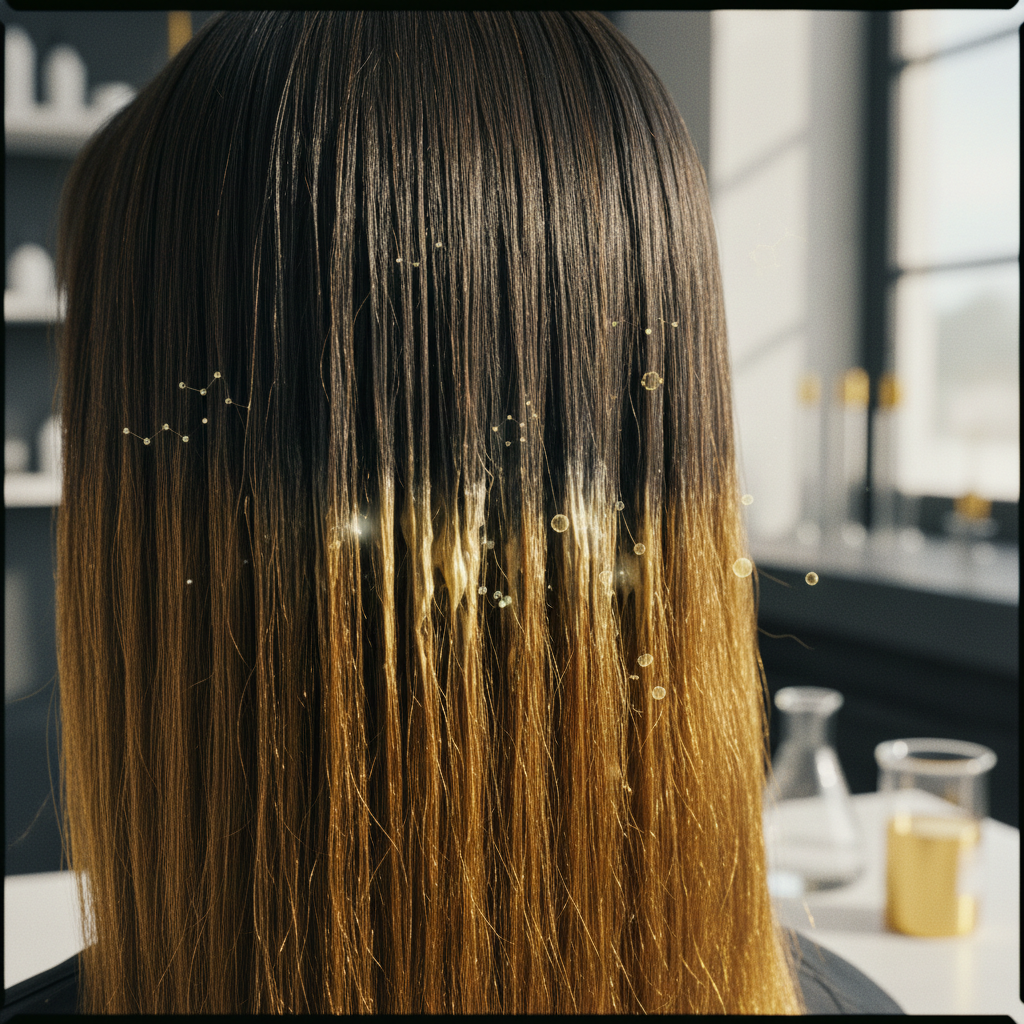
The Hair Fibre: A Canvas for Colour
To understand how hair dye works, it's essential to know a little about hair structure. Each strand of hair is composed of three main layers:
- Cuticle: The outermost layer, made of overlapping, scale-like cells. It protects the inner cortex. Healthy cuticles lie flat, reflecting light and making hair appear shiny. For dye to penetrate, these scales must be lifted.
- Cortex: The thickest layer, containing keratin proteins and melanin granules. Melanin is the natural pigment that determines your hair colour. Eumelanin provides black and brown tones, while pheomelanin gives red and yellow tones.
- Medulla: The innermost core, present in some but not all hair types, and its role in hair dyeing is less significant.
Mechanisms of Different Dye Types
How hair dye works varies significantly depending on its category:
1. Temporary Hair Dyes
These dyes are the simplest. They contain large pigment molecules that are too big to penetrate the cuticle. Instead, they deposit colour on the hair's surface. They are typically applied as rinses, sprays, or gels and wash out completely with one shampoo. They don't involve chemical changes to the hair and are ideal for a short-term, commitment-free colour change.
2. Semi-Permanent Hair Dyes
Semi-permanent dyes contain smaller pigment molecules than temporary dyes. They penetrate slightly beyond the cuticle, into the outermost layers of the cortex, but do not interact with the natural melanin or require developers like hydrogen peroxide. They gradually fade over 4 to 12 washes, depending on hair porosity and the specific product. They can enhance natural colour, add tone, or cover early grey hairs without lifting the natural pigment.
3. Demi-Permanent Hair Dyes
Often confused with semi-permanent, demi-permanent dyes offer a more durable colour. They contain small pre-coloured molecules that penetrate the cortex, but they also use a low-volume developer (usually a small percentage of hydrogen peroxide) which helps to open the cuticle slightly and facilitate the pigment's entry. Unlike permanent dyes, they don't contain ammonia (or similar alkaline agents) in high concentrations, so they can't lighten the hair's natural pigment. They last longer than semi-permanents, typically 12 to 24 washes, and provide excellent grey blending and colour enhancement without a harsh regrowth line.
4. Permanent Hair Dyes
This is where the most significant chemical transformation occurs, explaining how hair dye works for lasting results. Permanent hair dyes work through an oxidation process and involve three main components:
- Alkalising Agent: Typically ammonia, or sometimes monoethanolamine (MEA) in "ammonia-free" formulations. This agent swells the hair shaft and lifts the cuticle layers, allowing the dye molecules to enter the cortex.
- Dye Precursors: Small, colourless molecules (e.g., para-phenylenediamine, PPD) that readily penetrate the opened cuticle and enter the cortex.
- Oxidising Agent: Usually hydrogen peroxide (developer). Once inside the cortex, the hydrogen peroxide reacts with the dye precursors, causing them to oxidise and link together, forming larger, coloured molecules. These new, larger molecules are too big to escape the hair shaft, thus providing permanent colour.
Simultaneously, the hydrogen peroxide also lightens the natural melanin in the hair. This lightening creates a uniform base for the new colour and allows for significant colour changes, including lightening natural hair. The combination of lightening natural pigment and depositing new pigment results in a permanent colour that resists shampooing and fading.
Table: How Different Hair Dyes Work
| Dye Type | Mechanism | Lasting Power | Impact on Natural Melanin | Ammonia/Alkaline Agent | Developer (Peroxide) | Grey Coverage |
|---|---|---|---|---|---|---|
| Temporary | Coats hair surface | 1 wash | None | No | No | None |
| Semi-Permanent | Penetrates outer cuticle/cortex layers | 4-12 washes | None | No | No | Blends lightly |
| Demi-Permanent | Penetrates cortex; low-volume oxidation | 12-24 washes | Minimal | Low/None | Low % | Blends well |
| Permanent | Swells cuticle, penetrates cortex, oxidises pigments | Permanent until grown out | Lightens/Alters | Yes | Yes | Full |
What the Evidence Does Not Show
While the chemistry of hair dyeing is well-understood, there's no scientific evidence to support claims that specific food products or environmental factors (beyond UV exposure, which can fade colour) can dramatically alter the efficacy or longevity of chemical hair dyes once applied. Similarly, claims of "miracle" single-ingredient solutions for permanent colour change without the use of established chemical processes are unfounded.
Signs to Look For and What You Can Do
Understanding how hair dye works highlights the importance of proper application and aftercare. Signs of damage from dyeing include dryness, brittleness, increased breakage, and frizz. This often occurs when the cuticle is excessively opened or not properly sealed afterwards.
To minimise potential damage and maintain your colour:
- Always perform a patch test: This is crucial to check for allergic reactions to ingredients like PPD.
- Follow instructions carefully: Adhere to recommended processing times to prevent over-processing.
- Condition deeply: Hair dyeing, especially permanent, can strip moisture. Use rich conditioners and hair masks regularly.
- Use colour-safe products: Shampoos and conditioners designed for coloured hair help to preserve the dye molecules and seal the cuticle.
- Protect from UV: Sun exposure can cause colour to fade. Consider using products with UV filters or wearing hats.
When the Cause May Be Something Else
Sometimes, issues with hair colour retention or hair health after dyeing are not solely due to the dye itself. Factors such as hard water (mineral deposits can interfere with colour or cause dullness), environmental pollution, heat styling without protection, and even certain medications can impact hair's condition and colour vibrancy. If you experience unexpected results, consider these other potential influences.
When to Get Professional Advice
If you're considering a significant colour change, have previously damaged hair, or are unsure about how hair dye works for a specific application, professional advice is always recommended. A qualified stylist can assess your hair's condition, perform strand tests, and recommend the best approach to achieve your desired colour safely and effectively. They can also address any scalp irritation or allergic reactions that may occur.
Frequently asked questions about How Hair Dye Works
How does hair dye work on grey hair?
Grey hair lacks melanin, making it different to colour. Permanent dyes work effectively on grey hair by depositing new pigment. Because grey hair can sometimes be more resistant due to a tightly closed cuticle, professional dyes often contain specific ingredients or require slightly longer processing times to ensure the cuticle opens sufficiently for the colour to penetrate and take hold evenly. Demi-permanent dyes can also blend grey effectively for a less stark regrowth line.
Can hair dye damage my hair?
Yes, permanent hair dye, which involves chemical processes to open the cuticle and alter the hair's internal structure, can cause damage if not used correctly. Over-processing, using too strong a developer, or frequently colouring already compromised hair can lead to dryness, brittleness, and breakage. However, with proper technique, good quality products, and diligent aftercare, damage can be minimised. Semi-permanent and temporary dyes are generally less damaging as they don't chemically alter the hair.
How long does hair dye last?
The longevity of hair dye depends entirely on its type. Temporary dyes wash out in one shampoo. Semi-permanent dyes typically last for 4 to 12 washes. Demi-permanent colours provide coverage for 12 to 24 washes. Permanent hair dyes, as their name suggests, last until your hair grows out or is cut. The colour molecules are permanently formed within the hair shaft, though natural fading can occur over time due to UV exposure and washing.
Why does my hair dye fade so quickly?
Hair dye fading can be influenced by several factors. Harsh shampoos (especially those with sulphates), frequent washing, hot water, excessive sun exposure, and heat styling can all accelerate colour loss. Hair porosity also plays a role; highly porous hair (with a lifted or damaged cuticle) struggles to hold onto pigment. Using colour-safe products, washing with cooler water, and protecting hair from heat and UV can significantly extend your colour's vibrancy. Understanding how hair dye works helps manage expectations.
Is "ammonia-free" hair dye better for my hair?
Ammonia-free dyes use other alkaline agents, such as monoethanolamine (MEA), to open the hair cuticle. While they may have a less pungent odour and some people find them gentler, they still perform a similar chemical function to ammonia in facilitating colour penetration. The "better" aspect is subjective and depends on individual hair type, sensitivity, and formulation. Neither option is inherently damage-free, as the chemical process of permanent colouring itself involves altering hair structure.
Understanding How Hair Dye Works for Optimal Hair Health
Understanding how hair dye works is fundamental to maintaining hair health and achieving your desired colour. From the temporary coatings of wash-out colours to the intricate chemical reactions of permanent dyes that alter your hair's core, each method has its unique science. Knowing these mechanisms empowers you to make informed decisions about your hair colouring journey, ensuring vibrant, lasting results while protecting the integrity of your strands.
Sources and references
- British Association of Dermatologists, Hair Dye and Allergic Reactions, 2023.
- National Center for Biotechnology Information (NCBI), PubMed, Hair Cosmetics: An Overview, 2015, DOI: 10.1111/ijd.12457
- American Academy of Dermatology Association, Hair Dye FAQs.
- Society of Cosmetic Chemists, The Chemistry and Technology of Hair Coloring.
- Journal of Cosmetic Science, Mechanisms of Permanent Hair Dyeing.
Watermans and Hair Colour
Watermans products are formulated to support the health and vitality of your hair and scalp, which is especially important for coloured hair. Our shampoos and conditioners are designed to cleanse gently while helping to maintain moisture, condition the hair fibre, and promote a healthy environment for growth. Regular use of Watermans can help enhance the appearance of fullness and strength, which can be beneficial for hair that has undergone chemical processes like colouring. While Watermans products do not alter hair colour, they provide a nourishing foundation that helps hair look its best, supporting its resilience against daily stresses and potential dryness associated with dyeing. Our products complement your hair colouring routine by focusing on overall hair and scalp well-being.", seo_title=