Botanical Ingredients: What Are They and How Do They Work in Haircare?
11 min read ·
Botanical Ingredients are plant-derived compounds used in haircare, offering a range of benefits from scalp soothing to improved hair condition, though their efficacy and concentration vary greatly between products.
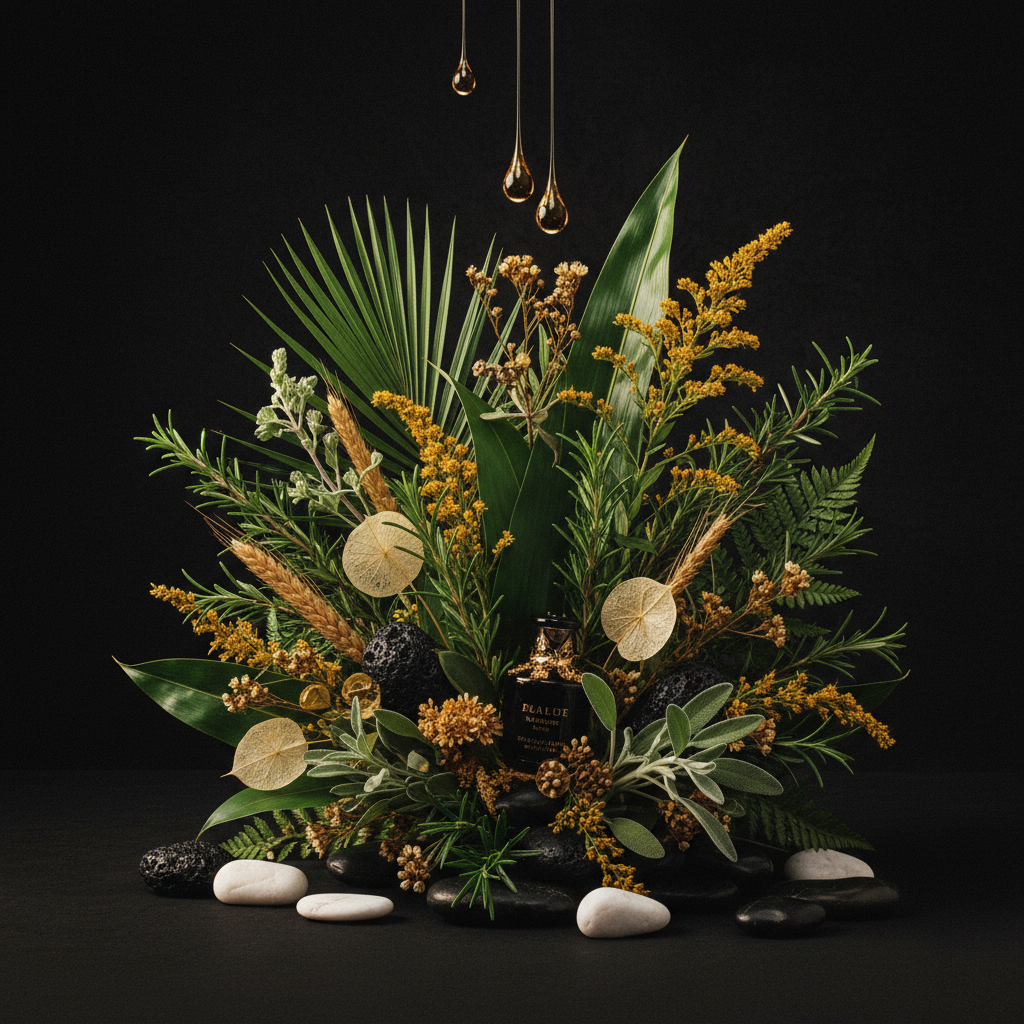
Quick answer: Botanical Ingredients are plant-derived compounds, including extracts, oils, and butters, commonly used in haircare products for their purported benefits to hair and scalp health. While many offer antioxidant, anti-inflammatory, and conditioning properties, their effectiveness depends heavily on concentration, purity, and individual hair needs, and scientific evidence for some claims can be mixed or limited.
Key takeaways
- Botanical Ingredients are sourced from plants and include extracts, essential oils, and plant butters.
- They often provide benefits like antioxidant protection, anti-inflammatory effects, moisturisation, and improved hair condition.
- The effectiveness of Botanical Ingredients in haircare products varies depending on their concentration, purity, and the specific formulation.
- Always consider potential allergic reactions, even with natural ingredients, and perform a patch test.
- While promising, scientific evidence for some specific claims regarding Botanical Ingredients may be limited or require further research.
Botanical Ingredients: what the evidence shows
Botanical Ingredients refer to a wide array of plant-derived compounds used in haircare, ranging from extracts and essential oils to plant-based butters and carrier oils. Their use in personal care products is rooted in traditional practices and has evolved with modern scientific understanding of their chemical constituents. These ingredients are incorporated into shampoos, conditioners, treatments, and styling products with the aim of delivering various benefits to the hair and scalp.
Many Botanical Ingredients are rich in compounds like antioxidants (polyphenols, flavonoids), vitamins, minerals, fatty acids, and anti-inflammatory agents. For instance, plant extracts such as green tea (Camellia sinensis) are recognised for their high antioxidant content, which can help protect hair and scalp cells from environmental damage caused by free radicals. Aloe vera (Aloe barbadensis Miller) is often included for its soothing and moisturising properties, attributed to its polysaccharides and glycoproteins. Similarly, essential oils like rosemary (Rosmarinus officinalis) are frequently studied for their potential to stimulate scalp circulation and support hair growth, as well as their antioxidant capabilities.
However, it's important to note that the efficacy of Botanical Ingredients in cosmetic formulations is not always equivalent to their observed effects in laboratory settings or traditional use. The concentration of an active compound, the stability of the ingredient within the product, and its ability to penetrate the hair shaft or scalp skin all play critical roles. While some benefits, such as moisturisation from plant oils or mild anti-inflammatory effects, are well-understood cosmetically, claims regarding hair growth or disease treatment often require more robust clinical evidence specific to the formulation and application method. The term "natural" itself does not guarantee safety or efficacy; some Botanical Ingredients can still cause irritation or allergic reactions in sensitive individuals.
How Botanical Ingredients work: mechanisms of action
Botanical Ingredients influence hair and scalp health through several distinct mechanisms:
- Antioxidant Activity: Many plant extracts, including green tea, rosemary, and chamomile, contain polyphenols and flavonoids. These compounds neutralise free radicals, which are unstable molecules that can cause oxidative stress and damage to hair proteins and scalp cells. By mitigating this damage, antioxidants help maintain the integrity of the hair fibre and support a healthier scalp environment.
- Anti-inflammatory Effects: Ingredients such as aloe vera, chamomile (Matricaria chamomilla), and liquorice root (Glycyrrhiza glabra) possess compounds that can reduce inflammation on the scalp. A calm, less irritated scalp provides a better foundation for healthy hair growth. This can be particularly beneficial for individuals with sensitive or irritated scalps, as explored further in our article on Anti-inflammatory Ingredients: Soothing Your Scalp for Healthier Hair.
- Moisturisation and Emollience: Plant oils and butters, like shea butter (Vitellaria paradoxa), coconut oil (Cocos nucifera), and jojoba oil (Simmondsia chinensis), are rich in fatty acids. These lipids form a protective barrier on the hair surface, reducing transepidermal water loss and preventing moisture evaporation. They can also fill in microscopic gaps in the hair's cuticle, leading to smoother, softer, and more flexible hair. Coconut oil, in particular, is known for its ability to penetrate the hair shaft, helping to reduce protein loss during washing.
- Antimicrobial and Antifungal Properties: Certain essential oils, such as tea tree oil (Melaleuca alternifolia) and lavender oil (Lavandula angustifolia), exhibit natural antimicrobial and antifungal activity. This can be beneficial in managing scalp conditions caused by bacteria or fungi, such as some forms of dandruff or folliculitis.
- Stimulation of Scalp Circulation: Some Botanical Ingredients, notably rosemary and peppermint oils, are believed to promote blood flow when massaged into the scalp. Increased circulation can enhance the delivery of oxygen and nutrients to the hair follicles, potentially supporting the anagen (growth) phase of the hair cycle. For more on this, see Rosemary Extract for Hair.
- Conditioning and Strengthening: Ingredients like hydrolysed wheat protein or rice protein (often derived from botanical sources) can temporarily strengthen the hair fibre by adhering to the cuticle, improving elasticity and reducing breakage. Other extracts may contribute to a perceived improvement in hair texture and shine.
Limitations and considerations for use
Despite their appeal, Botanical Ingredients come with considerations regarding their actual performance and safety:
- Concentration and Purity: The amount of an active botanical compound in a product can vary significantly. A product advertising a "botanical extract" might contain only a minuscule, ineffective amount. Purity is also key; adulterated or poorly sourced extracts may lack potency or contain undesirable contaminants.
- Allergic Reactions and Sensitivities: While natural, Botanical Ingredients can still trigger allergic contact dermatitis, irritation, or other sensitivities in some individuals. Essential oils, due to their high concentration of active compounds, are common culprits. Always perform a patch test when trying new products, particularly if you have sensitive skin or known allergies. This involves applying a small amount of product to an inconspicuous area of skin (like behind the ear or inner forearm) and waiting 24 to 48 hours to observe any reaction.
- Stability: Many natural compounds are less stable than their synthetic counterparts. Exposure to light, air, or fluctuations in temperature can degrade active botanical components over time, reducing their efficacy. Proper packaging (e.g., opaque, air-tight containers) and appropriate storage are crucial.
- Lack of Standardisation: Unlike pharmaceutical drugs, there is less standardisation in the extraction and formulation of Botanical Ingredients in cosmetics. This can lead to variability in product performance, even between different batches of the same product from the same manufacturer.
- Cosmetic vs. Therapeutic Claims: Many benefits attributed to Botanical Ingredients in haircare are cosmetic in nature, such as improving the feel, look, or manageability of hair. Claims related to treating hair loss (alopecia), promoting hair growth beyond what is cosmetically perceived as fuller-looking hair, or curing scalp conditions often lack rigorous clinical support for over-the-counter products. When evidence is mixed or limited, it's important to remain realistic about expectations.
What to look for in products with Botanical Ingredients
When choosing haircare products featuring Botanical Ingredients, consider these points:
- Ingredient List Position: Ingredients are listed in descending order of concentration. If a botanical extract is near the top, it's present in a higher amount. If it's at the very end, its contribution may be minimal.
- Reputable Brands: Brands with transparent sourcing and manufacturing practices are more likely to use high-quality, effective Botanical Ingredients.
- Specific Claims: Look for products that make clear, specific claims, such as "soothes dry scalp" or "adds shine," rather than vague, over-the-top promises.
- Your Hair Needs: Match the properties of the botanical to your specific hair and scalp concerns. For example, if you have an oily scalp, you might look for ingredients that help with Sebum Regulation: Understanding and Managing Scalp Oiliness.
When to get professional advice
While Botanical Ingredients can support general hair and scalp health, they are not substitutes for medical treatment. If you are experiencing persistent or severe scalp conditions, significant hair loss (alopecia), or unexplained irritation, consult a dermatologist or trichologist. These professionals can accurately diagnose the underlying cause and recommend appropriate medical interventions, which may include prescription treatments rather than cosmetic Botanical Ingredients alone. Do not rely on cosmetic products to treat conditions like pattern baldness or severe inflammatory scalp disorders.
Common Botanical Ingredients and Their Haircare Functions
| Botanical Ingredient | Primary Haircare Function | Examples of Benefits | Notes |
|---|---|---|---|
| Aloe Vera (Aloe barbadensis Miller) | Soothing & Moisturising | Hydrates, calms irritated scalp, conditions hair | Rich in vitamins, enzymes, amino acids |
| Green Tea Extract (Camellia sinensis) | Antioxidant & Protective | Protects against environmental damage, may support scalp health | High in polyphenols, particularly catechins |
| Chamomile Extract (Matricaria chamomilla) | Anti-inflammatory & Soothing | Reduces scalp irritation, gentle conditioning | Often used for sensitive scalps |
| Rosemary Oil (Rosmarinus officinalis) | Scalp Stimulation & Antioxidant | Supports circulation, helps protect scalp, often used for fuller-looking hair | Can be potent; always dilute |
| Peppermint Oil (Mentha piperita) | Invigorating & Circulatory | Creates cooling sensation, may enhance scalp circulation | Use sparingly, can be intense |
| Shea Butter (Vitellaria paradoxa) | Deep Moisturisation & Emollient | Seals in moisture, softens dry hair, reduces frizz | Rich in fatty acids and vitamins; beneficial for dry, curly, or afro hair |
| Coconut Oil (Cocos nucifera) | Conditioning & Protein Protection | Penetrates hair shaft, reduces protein loss, adds shine | Excellent for pre-shampoo treatment, especially for damaged hair |
| Jojoba Oil (Simmondsia chinensis) | Sebum Balancing & Moisturising | Mimics natural sebum, conditions hair without greasiness, balances oily scalp | Good for various hair types, including oily and dry |
| Lavender Oil (Lavandula angustifolia) | Calming & Antimicrobial | Soothes scalp, helps manage microbial imbalances, promotes relaxation | Gentle essential oil, often used for scent |
Frequently asked questions about Botanical Ingredients
Can Botanical Ingredients cause allergic reactions?
Yes, even natural Botanical Ingredients can cause allergic reactions or sensitivities. Compounds found in plants, such as certain essential oils or plant extracts, can trigger irritation, redness, itching, or even allergic contact dermatitis in susceptible individuals. It's always advisable to perform a patch test with any new product containing unfamiliar botanicals, especially if you have a history of sensitive skin or allergies.
Are "natural" haircare products always better because they contain Botanical Ingredients?
The term "natural" doesn't automatically mean "better" or "safer" in haircare. While many Botanical Ingredients offer significant benefits, their effectiveness depends on factors like concentration, purity, and formulation stability. Synthetic ingredients are often developed for specific efficacy and stability, and some natural ingredients can be less stable or more allergenic. The best products are those that are well-formulated, regardless of whether their ingredients are botanical or synthetic.
Can Botanical Ingredients really help with hair loss?
Cosmetic products containing Botanical Ingredients may support the appearance of fuller-looking hair or help maintain a healthy scalp environment, which is conducive to healthy hair growth. However, there is currently insufficient robust evidence to claim that cosmetic Botanical Ingredients alone can treat clinical hair loss (alopecia). If you are experiencing significant hair thinning or loss, consult a healthcare professional for an accurate diagnosis and treatment plan.
How long does it take to see results from Botanical Ingredients in haircare?
Results from using haircare products with Botanical Ingredients can vary widely depending on the specific ingredient, its concentration, your hair's condition, and your individual response. Cosmetic improvements like increased shine, softness, or a soothed scalp might be noticeable relatively quickly, often within a few washes or weeks. For benefits related to scalp health or perceived hair fullness, consistent use over several weeks to months is typically needed.
Are there any Botanical Ingredients to avoid?
There aren't universally "bad" Botanical Ingredients, but individuals should avoid any to which they are sensitive or allergic. Some essential oils, while beneficial, are quite potent and require proper dilution; undiluted application can cause irritation. Pregnant or breastfeeding individuals, or those with specific medical conditions, should consult a doctor before using certain essential oils. Always check the ingredient list if you have known sensitivities.
Do Botanical Ingredients affect hair colour?
Most Botanical Ingredients used in haircare do not significantly alter hair colour. However, some highly pigmented plant extracts, particularly if used in high concentrations or left on for extended periods, could impart a subtle tint to very light or porous hair. For example, some chamomile preparations are traditionally associated with a slight brightening effect on blonde hair. Always rinse thoroughly after use, particularly if you have colour-treated hair, and refer to our article on Maintaining Colour-Treated Hair: Maintaining Colour-Treated Hair: A Guide to Longevity and Health.
Maintain your hair and scalp with Watermans
At Watermans, we harness the power of carefully selected Botanical Ingredients, alongside other proven compounds, to create formulations designed to support healthy hair growth and overall hair and scalp vitality. Our products are developed with a focus on combining traditional botanical knowledge with modern scientific understanding.
For example, our Watermans Hair Growth Shampoo and Conditioner contain Rosemary Extract, known for its antioxidant properties and its potential to stimulate scalp circulation, contributing to a healthy environment for hair follicles. We also include Aloe Vera in our formulations, valued for its soothing and moisturising benefits, helping to hydrate the scalp and hair fibre. We believe in providing products that not only cleanse and condition but also actively contribute to the optimal health of your hair, from root to tip.
Sources and references
- British Association of Dermatologists, Contact Dermatitis. Available at: https://www.bad.org.uk/pils/contact-dermatitis/
- Dermatology Times, "Essential oils: What dermatologists need to know." Published 2018. Available at: https://www.dermatologytimes.com/view/essential-oils-what-dermatologists-need-know
- National Center for Complementary and Integrative Health (NCCIH), National Institutes of Health, "Herbs at a Glance: Aloe Vera." Last updated: July 2020. Available at: https://www.nccih.nih.gov/health/aloe-vera
- Journal of Cosmetic Dermatology, "Hair Cosmetics: An Overview." Published 2015.
- Journal of Dermatology, "Hair Shaft Damage from Heat and Sunlight Exposure." Published 2017.
- International Journal of Cosmetic Science, "The effect of coconut oil on preventing protein loss in hair." Published 2003.
Find these ingredients in Watermans products
- Wheat Amino Acids: you will find this ingredient in our Heat Protection Spray.
- Aloe Vera: you will find this ingredient in our Curly Hair Conditioner.