Bleach and Chemical Processing Damage: The Definitive Science and Care Guide
10 min read ·
Understand the science behind Bleach and Chemical Processing Damage, how cuticles and cortex bonds are altered, and practical steps to restore fibre strength.
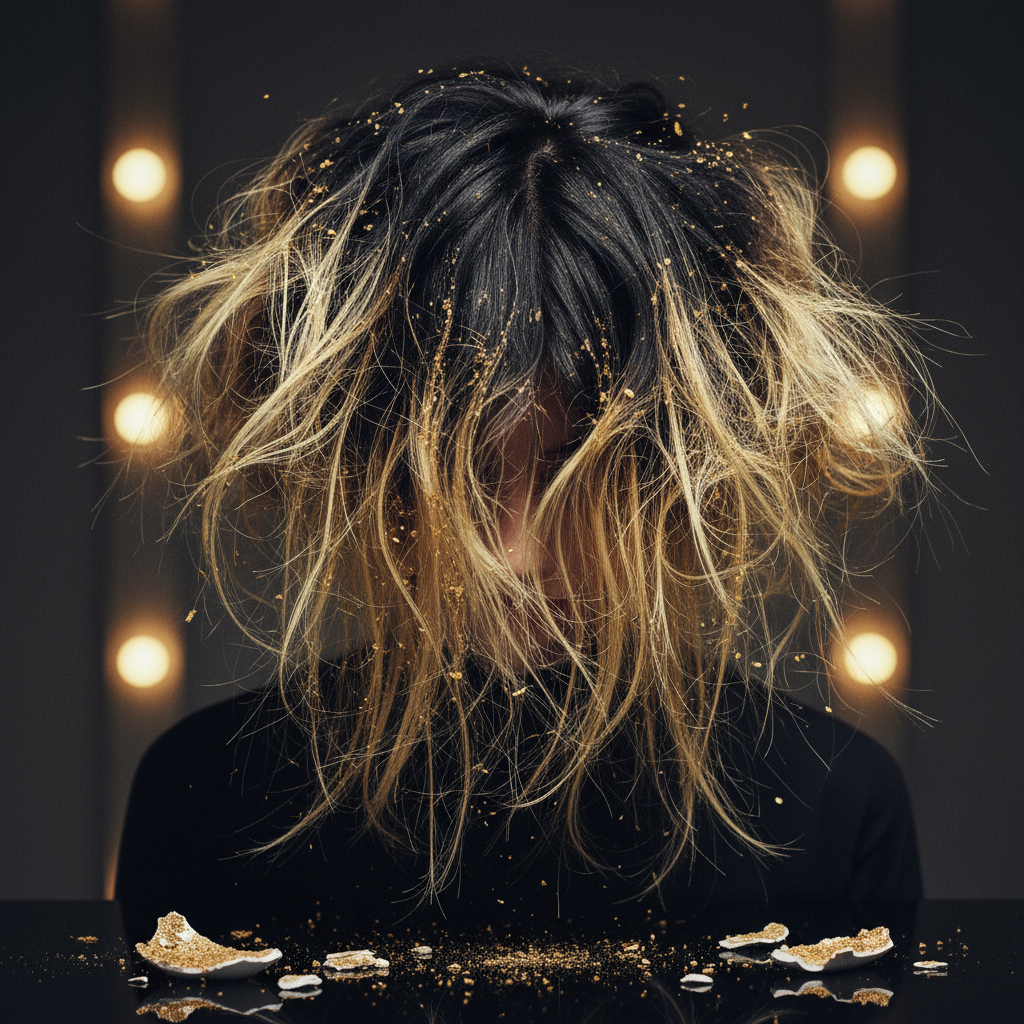
Quick answer: Bleach and Chemical Processing Damage occurs when alkaline agents and oxidisers alter the structural architecture of the hair shaft. Lighteners, permanent tints, relaxers, and perms break protective cuticular lipid layers and sever internal disulphide bonds to modify colour or shape. While chemical services produce striking aesthetic transformations, Bleach and Chemical Processing Damage permanently depletes the hair's mechanical strength, raises porosity, and leaves fibres susceptible to snapping. Cosmetic treatments can patch and manage this damage, but they cannot truly regenerate dead keratin tissue.
Key takeaways
- Lightening and relaxing hair requires swelling the cuticle at high pH (typically 9.0 to 11.0), which strips the protective 18-methyleicosanoic acid (18-MEA) lipid layer.
- Bleach oxidises natural melanin pigment while inadvertently oxidising cystine bonds into cysteic acid, significantly reducing the hair fibre's tensile strength.
- Chemical damage causes hair breakage along the shaft; it does not cause biological hair shedding from the follicle unless chemical burns reach the scalp.
- Damaged hair exhibits high porosity, wet-stretch elasticity loss (gummy texture), chronic tangling, and split ends.
- Severed disulphide bonds cannot be biologically healed, but targeted bond builders, protein treatments, and acidic lipid conditioners can dramatically reduce ongoing breakage.
Bleach and Chemical Processing Damage: what the evidence shows
Bleach and Chemical Processing Damage is one of the most thoroughly investigated phenomena in cosmetic trichology. When alkaline formulations penetrate the hair fibre, they deliberately compromise its defences to reach the cortex.
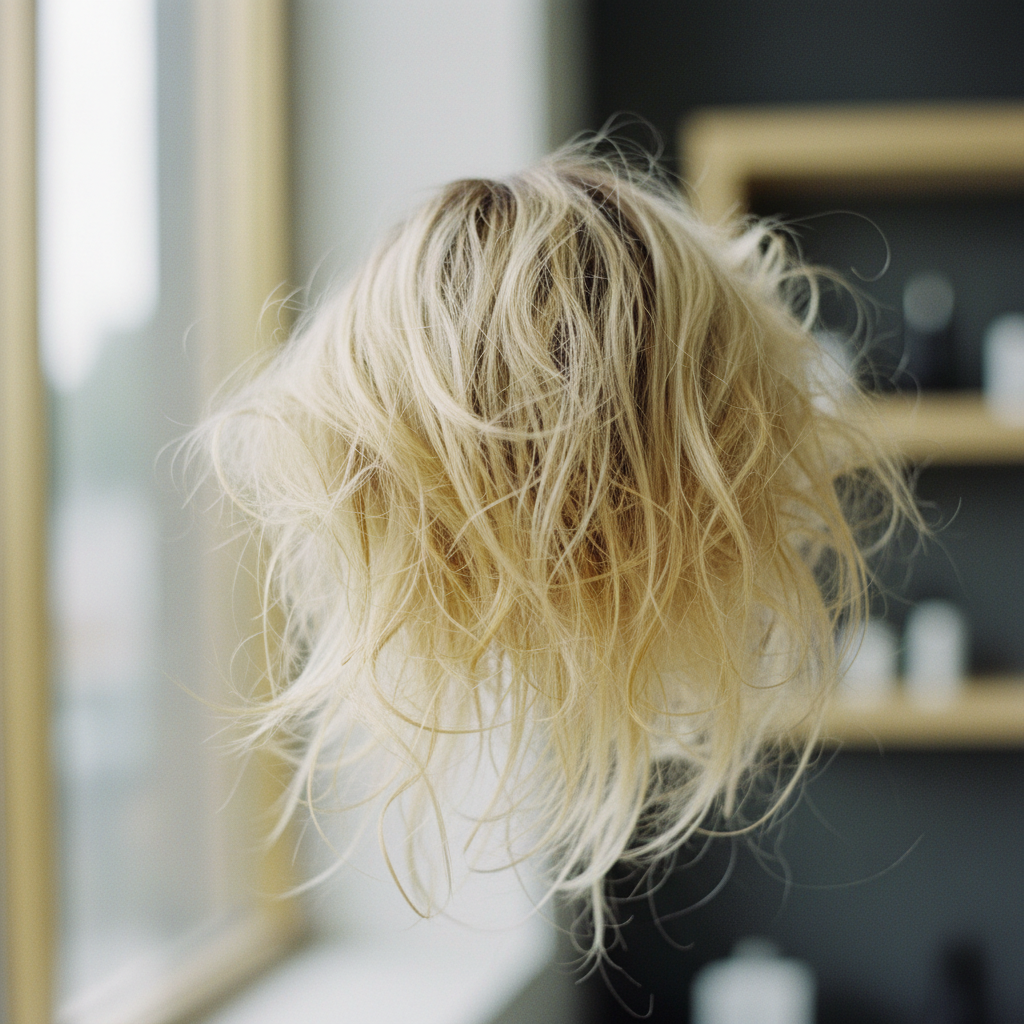
Virgin hair is naturally hydrophobic. Its outermost surface, the epicuticle, is coated with a single layer of fatty acids called 18-methyleicosanoic acid (18-MEA). This lipid barrier repels water, prevents friction, and creates natural shine. Peer-reviewed cosmetic studies confirm that a single bleaching service using alkaline persulphates and hydrogen peroxide removes almost all of this covalently bound lipid layer. Once 18-MEA is lost, the hair turns hydrophilic (water-loving), absorbing environmental moisture rapidly, swelling unevenly, and tangling under the slightest mechanical friction.
Beyond the surface, chemical processing targets the cortex. The cortex accounts for roughly 85% of hair's dry weight and provides its tensile strength through cross-linked keratin chains. Disulphide bonds (covalent linkages between two cysteine amino acids) give hair its resilience and spring. During lightening or permanent waving, oxidising agents break these bonds. Studies in the Journal of Cosmetic Science show that repeated bleaching can degrade more than 50% of a fibre's cystine content, converting it into cysteic acid. The result is structural collapse: the fibre stretches excessively when wet, loses its elastic recovery, and breaks under normal brushing.
Virgin Hair Fibre:
[Intact Cuticle + 18-MEA Lipids] ---> Repels Water, High Shine, Elastic Strength

Bleached & Chemically Processed Fibre:
[Eroded Cuticle] ---> [Oxidised Cystine Bonds] ---> High Porosity, Brittleness, Breakage
What the evidence does not show
There are persistent myths surrounding chemical damage that clinical evidence contradicts:
- It does not cause genetic hair loss or telogen effluvium: Bleach breaks hair fibres; it does not enter the bloodstream or interrupt the hair follicle cycle under normal conditions. Breakage at the root level can mimic thinning, but the follicle remains intact beneath the skin unless acute chemical contact dermatitis or severe burns occur.
- Products cannot permanently "repair" or "heal" split ends: Hair is biologically dead tissue (non-living keratin). While bond-building molecules and hydrolysed proteins temporarily cross-link or fill structural voids, they do not restore the fibre to its virgin state. Regular washing eventually washes away non-covalent cosmetic deposits.
- Natural oils alone cannot rebuild chemically broken bonds: Plant oils (such as argan, coconut, or jojoba) provide essential lubricating emollience and limit moisture loss. However, they lack the chemical structure required to rebuild cleaved disulphide bridges or replenish lost ionic bonds.
Mechanism: how processing alters fibre architecture
Understanding the mechanical breakdown requires examining what happens at each stage of the salon process:

1. Cuticle lifting via alkaline swelling
Hair sits at an optimal, slightly acidic isoelectric point of roughly pH 3.67, with the scalp skin resting around pH 4.5 to 5.5. Bleaching powders, ammonia-based permanent dyes, and chemical relaxers operate at high pH values ranging from 9.0 to over 12.0. This intense alkalinity forces the tightly shingled cuticle scales to flare open. As the cuticle swells, the cell membrane complex (CMC) between scales degrades, leading to chipping, fraying, and permanent scale loss.
2. Cortex oxidation and protein loss
To lighten hair, persulphates and hydrogen peroxide enter the cortex to break down melanin granules into colourless compounds. Simultaneously, this aggressive oxidation targets the sulphur-rich matrix surrounding the intermediate filaments. Cysteine amino acids lose their sulphur links, forming negatively charged cysteic acid groups. This increases the fibre's negative charge, causing adjacent keratin proteins to electrostatically repel each other. The internal framework becomes porous, soft, and structurally weak.
3. Lipid stripping and friction spikes
Without the protective 18-MEA envelope, the coefficient of friction between individual strands climbs dramatically. Wet hair rubs against wet hair like rough fabric, causing micro-tears during washing and towel drying.
| Fibre Attribute | Virgin Hair | Moderately Bleached Hair | Over-Processed / Compromised Hair |
|---|---|---|---|
| Surface Nature | Hydrophobic (repels water) | Mildly hydrophilic | Strongly hydrophilic (sponge-like) |
| Cuticle Condition | Flat, smooth, 6 to 8 layers | Lifted, frayed edges | Missing patches, exposed cortex |
| Cystine Content | High (16% to 18%) | Moderately depleted | Heavily oxidised to cysteic acid |
| Tensile Strength | High resistance to snapping | 20% to 35% reduction | Over 50% reduction; snaps easily |
| Wet Behaviour | Stretches 30% and bounces back | Stretches with delayed recovery | Stretches like elastic, turns gummy, breaks |
| Porosity | Low to balanced | Medium to high | Extremely high |
Signs to look for: identifying chemical damage
Recognising the signs early prevents catastrophic fibre loss:
- Gummy or spongy feel when wet: When wet hair feels mushy, stretches abnormally long without springing back, or disintegrates between your fingers, the cortex's internal matrix has collapsed.
- Excessive shedding during styling (broken fragments): Look closely at the hair left on your brush or bathroom floor. If the strands are short pieces without a white follicular bulb at the end, you are experiencing chemical breakage, not natural shedding.
- Rapid water absorption and prolonged drying times: Severely compromised fibres soak up shower water instantly like a sponge, yet trap moisture inside the porous cortex, making blow-drying take twice as long.
- Chronic matting and friction knots: Hair that tangles relentlessly at the nape of the neck or ends indicates that lifted cuticles are latching onto neighbouring fibres like microscopic Velcro.
- Lack of colour retention: When toners and semi-permanent colours wash out within one or two shampoos, the cuticle scales are too eroded to lock pigment molecules inside the cortex.
What you can do: evidence-based recovery strategies
You cannot turn the clock back on dead keratin, but you can mechanically stabilise and protect the remaining fibre:
Reform ionic and covalent networks
Utilise bond-building technologies that cross-link broken disulphide sites or replenish ionic interactions within the cortex. Pair these with low-molecular-weight hydrolysed proteins (such as wheat, silk, or keratin fragments between 500 and 2,000 Daltons) that can penetrate the cortex rather than just coating the exterior.
Lower the pH post-wash
Always finish your cleansing routine with an acidic conditioner or rinse formulated between pH 3.5 and 4.5. Acidic environments neutralise residual negative charges, tighten remaining cuticle shingles against the shaft, and minimise friction-induced breakage.
Replace lost surface lipids
Because 18-MEA cannot regrow from the root down the length of the shaft, you must use biomimetic conditioning agents. Cationic surfactants (like behentrimonium chloride) and functionalised silicones (such as amodimethicone) adhere electrostatically to the damaged, negatively charged zones of the cuticle, providing slip and thermal protection without heavy buildup.
Mechanical precautions
- Switch to a wide-tooth comb or flexible wet-brush, working strictly from ends up to the roots.
- Blot wet hair gently with a microfibre towel or cotton cloth; never rub vigorously.
- Suspend all high-heat styling (flat irons and curling wands above 150°C) until structural integrity improves.
When the cause may be something else
Before assuming that poor condition is solely down to your colourist or recent chemical service, check for overlapping factors:
- Hard water mineral buildup: High levels of calcium and magnesium carbonate can coat the hair fibre, making it stiff, brittle, and dull. Copper deposits from pipes can also catalyse extreme oxidative reactions during bleaching, accelerating breakage.
- Telogen effluvium: If you find full-length hairs with little white bulbs attached to the root falling out across your pillow, this is systemic shedding, often triggered by hormonal shifts, nutritional deficiencies, or acute stress, rather than bleach.
- Heat degradation: Frequent, unshielded use of flat irons at 200°C to 230°C causes thermal denaturation of keratin, mirroring chemical porosity even on unbleached hair.
When to seek professional advice
Consult a qualified trichologist or dermatologist if you notice sudden, diffuse shedding from the scalp, persistent redness, burning, flaking, or crusting following a chemical application. Scalp burns from over-concentrated hydrogen peroxide or misapplied relaxers can lead to cicatricial (scarring) alopecia if left untreated. For aesthetic rehabilitation, work with a professional colourist who understands low-volume developers, pH balancing, and conservative maintenance schedules.
Supporting hair health from the roots with Watermans
When managing Bleach and Chemical Processing Damage, caring for newly emerging growth is paramount. While topical bonds and conditioners treat the length of compromised fibres, maintaining a clean, nourished scalp ensures new hair emerges resilient and robust.
Watermans Grow Me Shampoo and Condition Me Conditioner support this delicate equilibrium. Formulated without harsh sulphates, Grow Me cleanses gently without stripping fragile, damaged fibres. It delivers vital nutrients, biotin, rosemary, and lupin protein directly to the scalp environment, supporting optimal natural growth. Meanwhile, Condition Me incorporates cholesterol, niacinamide, and caffeine to deeply moisturise stressed mid-lengths and ends, smoothing flared cuticles and significantly reducing mechanical styling breakage as your healthy hair grows out.
Frequently asked questions about Bleach and Chemical Processing Damage
Can Bleach and Chemical Processing Damage ever be completely reversed?
No. Because hair fibres consist of non-living, non-vascular keratin proteins, dead cells cannot biologically regenerate. While bond builders, hydrolysed proteins, and conditioning lipids can seal cuticles, patch cortex gaps, and dramatically reduce ongoing breakage, the underlying structural damage remains until the hair is trimmed away.
Does bleaching cause hair loss from the roots?
Under normal conditions, no. Bleaching causes hair breakage along the shaft rather than follicular hair loss. However, if bleach powder or high-strength peroxide is left on the scalp too long, it can cause chemical burns and severe contact dermatitis, which may temporarily or permanently disrupt follicle function.
How often can I safely process my hair with lightener?
As a general rule, wait at least 6 to 10 weeks between lightening services to allow sufficient root regrowth (around 1.5 to 2.5 centimetres). This prevents overlapping fresh bleach onto previously lightened lengths, which is the primary cause of severe breakage and banded chemical trauma.
Why does chemically damaged hair take so long to dry?
Severely lightened or relaxed hair is highly porous and hydrophilic. It behaves like an open sponge, absorbing immense volumes of water into the cortex. Because the cuticle scales are compromised, water gets trapped inside the fibre's swollen matrix, significantly increasing blow-drying time.
How do I know if my hair needs protein or moisture after chemical services?
Perform a gentle wet-stretch test on a single damp strand. If the strand stretches out endlessly, feels gummy, and snaps without returning to its original length, it lacks structural protein. If the strand feels rigid, crunchy, tangles instantly, and snaps abruptly without any stretch, it primarily needs emollient moisture and conditioning lipids.
Managing hair through chemical transformations
Bleach and Chemical Processing Damage represents a tangible alteration to hair's cellular chemistry. Transforming your look with bold blondes, vivid colours, or restructured curls is entirely possible, but it requires respecting the limits of the keratin fibre. By combining intelligent processing techniques, disciplined post-colour care, and targeted scalp nutrition, you can protect your hair's structural integrity and enjoy vibrant, resilient styles without sacrificing fibre health.
Sources and references
- Robbins, C. R. (2012). Chemical and Physical Behavior of Human Hair (5th ed.). Springer-Verlag New York.
- Dawber, R. (1996). Hair: Its structure and response to cosmetic preparations. Clinics in Dermatology, 14(1), 105-112.
- Cruz, C. F., Costa, C., Gomes, A. C., & Cavaco-Paulo, A. (2016). Human hair characteristics and methods to assess hair damage. International Journal of Trichology, 8(3), 122-135.
- Disapio, A., & Fridd, P. (1988). Silicones: Use of functionalized silicones in hair care. International Journal of Cosmetic Science, 10(2), 75-89.
- National Institute for Health and Care Excellence (NICE). (2022). Alopecia areata and hair loss: assessment and management. Clinical Knowledge Summaries.
Find these ingredients in Watermans products
- Copper: you will find this ingredient in our Hair Vitamins.
- Niacinamide: you will find this ingredient in our Hair Mask.