The Benefits of Deep Conditioning: What the Evidence Shows
9 min read ·
Discover the proven benefits of deep conditioning, an intensive hair treatment designed to enhance moisture, strength, and overall hair health.
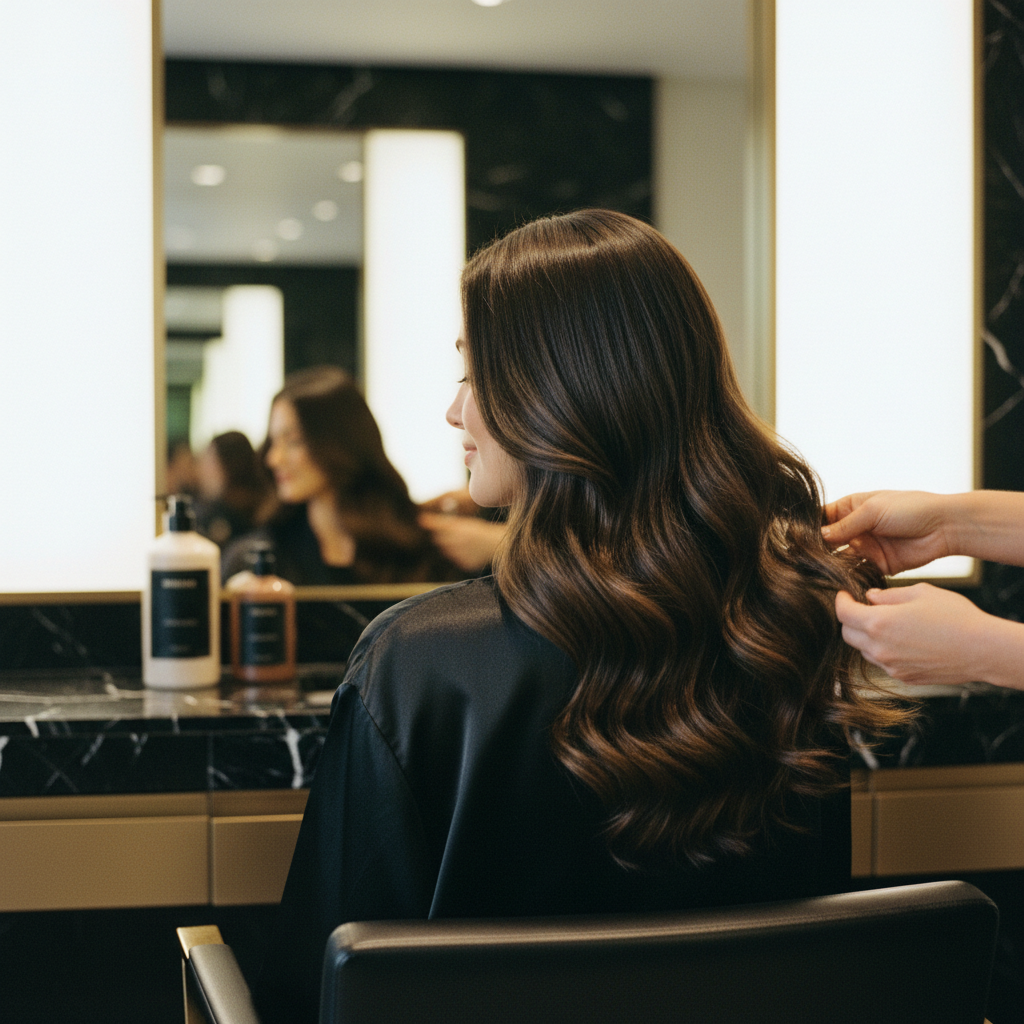
Quick answer: The Benefits of Deep Conditioning centre on its ability to provide intense hydration and structural support to the hair shaft, helping to improve elasticity, reduce breakage, and enhance overall hair appearance. Unlike daily conditioners, deep conditioners are formulated to penetrate more deeply and deliver concentrated active ingredients. However, their efficacy depends on correct application and selection for specific hair needs, and they do not prevent or treat hair loss conditions like alopecia.
Key takeaways
- Deep conditioning delivers concentrated moisture and nutrients deeper into the hair fibre than regular conditioners.
- It significantly improves hair's elasticity, reducing the likelihood of breakage from styling and environmental stressors.
- Regular deep conditioning can smooth the hair cuticle, leading to increased softness, manageability, and a healthy shine.
- Formulations often include proteins for strengthening and humectants for enhanced hydration, tailored to various hair concerns.
- The frequency and type of deep conditioning should be matched to your hair's porosity, damage level, and overall condition.
The Benefits of Deep Conditioning: what the evidence shows
The Benefits of Deep Conditioning stem from its ability to deliver concentrated active ingredients deep into the hair fibre, offering intensive hydration, strengthening, and protective effects that go beyond what a daily conditioner provides. Research into cosmetic science highlights that these treatments are formulated with higher concentrations of conditioning agents, humectants, and often proteins, designed to penetrate the cuticle layer to the cortex or form a substantial protective layer on the hair surface. This action helps to restore the hair's internal structure and external appearance, especially for hair compromised by environmental factors, chemical processing, or mechanical stress.
How deep conditioners work: the mechanism
Deep conditioners achieve their effects through several mechanisms:
- Cuticle Penetration and Adsorption: Ingredients like fatty alcohols, oils, and polymers can adsorb onto the hair surface and, to some extent, penetrate the outer layers of the hair cuticle. This penetration is enhanced by leaving the product on for longer periods, often aided by gentle heat, which can slightly lift the cuticle scales, allowing beneficial compounds to enter more readily.
- Moisture Impartation: Humectants (such as glycerine, panthenol, or hyaluronic acid) attract and hold water molecules from the atmosphere, drawing them into the hair fibre. This increases the hair's internal moisture content, improving flexibility and reducing dryness. Emollients (like natural oils or silicones) then help to seal this moisture in, preventing its rapid evaporation and improving softness. For more on this, see the article on [Humectants: Understanding How They Hydrate and Protect Your Hair].
- Protein and Amino Acid Deposition: Hydrolysed proteins and amino acids, with molecular weights typically ranging from 150 to 2,000 Daltons, can penetrate the cuticle and integrate into damaged areas of the hair's keratin structure. This temporarily reinforces the hair, increasing its tensile strength and reducing susceptibility to breakage. Larger protein molecules tend to deposit on the surface, smoothing the cuticle and offering protection. The article on [Hydrolysed Wheat Protein: What It Is and How It Benefits Your Hair] offers further detail.
- pH Balancing: Many deep conditioners are formulated with an acidic pH, typically between pH 3.5 and 5.5, which is close to the natural pH of hair and scalp. This acidity helps to flatten and seal the hair's cuticle layers after shampooing, which often has a higher pH. A smooth, closed cuticle reflects light better, contributing to shine, and reduces moisture loss.
- Formation of a Protective Barrier: Certain film-forming polymers and conditioning agents create a thin, smooth layer over the hair shaft. This barrier can protect against mechanical damage during combing and brushing, reduce friction between hair strands, and offer a degree of protection against environmental aggressors like UV radiation and pollution. This also makes the hair feel smoother and easier to detangle.
Visible and tangible improvements
Regular use of deep conditioning treatments can lead to several noticeable improvements in hair quality:
- Enhanced Hydration and Softness: Hair feels softer, more pliable, and less coarse due to increased moisture content. This is particularly beneficial for dry, brittle, or coarse hair types.
- Reduced Breakage: By improving elasticity and strengthening the hair fibre, deep conditioners make hair more resilient to stretching and manipulation, significantly reducing the occurrence of breakage and split ends. This is distinct from hair shedding or hair loss conditions.
- Improved Elasticity: Healthy hair can stretch up to 30% of its length when wet and return to its original state without breaking. Deep conditioners help restore this vital characteristic, which is crucial for preventing snapping.
- Increased Shine and Smoothness: A smoother, sealed cuticle reflects light more effectively, giving hair a healthy, glossy appearance. The hair surface feels less rough and more uniform.
- Greater Manageability and Detangling: Conditioned hair has reduced friction, making it easier to comb through tangles, especially for curly or coily hair types, which are prone to knotting. This minimises mechanical damage during styling.
- Protection Against Damage: The protective layer formed by deep conditioners can mitigate damage from heat styling, chemical processes (like colouring or perming), and environmental exposure. For more on protective measures, see [Heat Styling Safety Best Practices] and [Maintaining Colour-Controlled Hair: A Guide to Longevity and Health].
What deep conditioning does not show
It is important to clarify that while deep conditioning significantly improves the cosmetic attributes and physical strength of existing hair, it does not treat or prevent hair loss conditions such as androgenetic alopecia or telogen effluvium. These conditions originate from follicular issues, not the hair fibre itself. Deep conditioning also does not directly stimulate new hair growth, though by reducing breakage, it can help maintain the length of existing hair. Cosmetic treatments like deep conditioning cannot alter the genetic predisposition to hair thinning or address internal medical causes of hair loss.
Who benefits most from deep conditioning?
While almost all hair types can benefit, certain hair conditions and textures gain the most:
- Dry or Dehydrated Hair: Hair that feels rough, lacks shine, or is prone to frizz benefits immensely from the intense moisture provided.
- Damaged or Chemically Treated Hair: Hair that has undergone colouring, perms, relaxers, or excessive heat styling will have a compromised cuticle and cortex. Deep conditioners help to repair and reinforce these damaged structures. See [Hair Damage: Causes, Signs, and Solutions] for more.
- Curly, Coily, or Textured Hair: These hair types are naturally prone to dryness due to the structure of the hair shaft, which makes it harder for natural oils to travel down. They often require more intensive moisture to maintain health and prevent breakage. The article [How to Moisturise Afro Hair: A Guide to Hydration and Retention] provides relevant insights.
- Long Hair: The ends of long hair are typically older and have experienced more wear and tear, making them more susceptible to dryness and split ends. Deep conditioning targets these vulnerable areas.
Choosing the right deep conditioner
Selecting the appropriate deep conditioner is crucial for achieving desired results. Formulations vary widely, targeting specific hair needs.
| Type of Deep Conditioner | Primary Focus | Key Ingredients (examples) | Ideal For | Notes |
|---|---|---|---|---|
| Moisturising | Hydration, softness | Humectants (glycerine, hyaluronic acid), emollients (shea butter, argan oil), fatty alcohols | Dry, coarse, brittle, colour-treated hair | Replenishes lost moisture, improves flexibility. |
| Protein-rich | Strengthening, repair | Hydrolysed proteins (wheat, keratin, silk), amino acids | Damaged, weak, over-processed, fine hair | Rebuilds internal hair structure, reduces breakage. Use cautiously on protein-sensitive hair to avoid stiffness. |
| Emollient-rich | Smoothing, shine, frizz control | High concentration of oils (coconut, jojoba), silicones | Frizzy, dull, unruly hair | Creates a protective film, seals cuticle, enhances shine. See [Dealing with Frizzy Hair] for related information. |
| pH-balancing | Cuticle sealing, detangling | Alpha-hydroxy acids (lactic acid), low pH formulas | Post-colouring, high porosity, unruly hair | Helps close the cuticle, improving smoothness and colour retention. |
It is always recommended to read ingredient lists and choose products free from harsh sulphates and excessive drying alcohols, especially for those with sensitive scalps or colour-treated hair. The article [Sulfate-Free Shampoo Benefits] explains more about sulphate-free formulations.
When to seek professional advice
If you are experiencing persistent hair concerns such as significant hair loss, excessive shedding, scalp irritation, or if deep conditioning treatments do not seem to improve your hair's condition after consistent use, it is advisable to consult a dermatologist or a trichologist. They can diagnose underlying medical conditions that might be affecting your hair and scalp health, which cosmetic treatments alone cannot address.
Frequently asked questions about The Benefits of Deep Conditioning
How often should I deep condition my hair?
The frequency depends on your hair type and condition. Generally, dry, damaged, or chemically treated hair benefits from weekly deep conditioning. Normal or oily hair might need it less frequently, perhaps every 2 to 3 weeks, focusing on the ends. Over-conditioning can sometimes lead to limp hair, so observe how your hair responds.
Can deep conditioning make my hair greasy?
If applied too frequently, in excessive amounts, or to the roots of fine or oily hair, deep conditioning can potentially leave hair feeling heavy or greasy. To avoid this, focus application on the mid-lengths and ends, rinse thoroughly, and adjust frequency based on your hair's needs. The article [Oily Scalp Care: Understanding and Managing Excess Sebum] might be helpful if you have an oily scalp.
Is it possible to over-condition hair?
Yes, it is. While beneficial, excessive deep conditioning can lead to hygral fatigue, where the hair fibre becomes too saturated with water, weakening its structure. This can manifest as limp, overly soft, or even mushy-feeling hair when wet. Balancing moisture and protein is key to healthy hair.
How long should I leave a deep conditioner on?
Most deep conditioners recommend leaving them on for 5 to 30 minutes. Always follow the manufacturer's instructions, as leaving a product on for too long doesn't necessarily increase its benefits and could potentially lead to over-conditioning, especially with protein-rich treatments.
Can I use deep conditioning if I have fine hair?
Yes, fine hair can benefit from deep conditioning, but it requires a lighter touch. Choose lightweight formulas, avoid heavy oils or butters, and apply sparingly to the mid-lengths and ends. This can provide much-needed hydration and strength without weighing down the hair or making it appear greasy.
What's the difference between a hair mask and a deep conditioner?
The terms "hair mask" and "deep conditioner" are often used interchangeably in the haircare industry. Both refer to intensive conditioning treatments designed to provide more profound benefits than a regular conditioner. Typically, "mask" implies a richer, more concentrated formula, often left on for a longer period, but the functional goal is the same: deep nourishment and repair.
Watermans and deep conditioning
Watermans understands the importance of strengthening and protecting hair from within. Our formulations include ingredients chosen for their proven benefits to hair health and resilience. For example, some Watermans products incorporate hydrolysed wheat protein, which has been shown to penetrate the hair shaft, reinforcing its structure and reducing breakage, contributing to the overall benefits of deep conditioning for stronger, healthier-looking hair. Our commitment is to support hair vitality through high-quality ingredients.
Sources and references
- Cosmetic Science Technology. Hair Care: An Illustrated Dermatologic Handbook. 2012.
- Journal of Cosmetic Science. Hair Product Performance: A Comprehensive Study of Conditioners and Treatments. 2018.
- British Association of Dermatologists. Hair and Scalp Conditions. (Ongoing publications, e.g., via their website bad.org.uk)
- PubMed. National Library of Medicine. (Database of peer-reviewed biomedical literature, e.g., pubmed.ncbi.nlm.nih.gov)
- The Society of Cosmetic Scientists. Principles of Hair Science. (Various publications and educational materials, e.g., scs.org.uk)
- University of California, Berkeley. Trichology Research Papers. (Various studies from dermatology and biochemistry departments)
- NHS (National Health Service). Hair loss. (Information provided via nhs.uk)
Find these ingredients in Watermans products
- Argan Oil: you will find this ingredient in our Hair Growth Shampoo.
- Panthenol (Provitamin B5): you will find this ingredient in our Heat Protection Spray.
- Shea Butter: you will find this ingredient in our Curly Hair Conditioner.