How to Add Volume to Fine Hair: An Evidence-Based Guide
12 min read ·
Discover how to add volume to fine hair with effective techniques, products, and care strategies backed by scientific understanding of hair structure and styling.
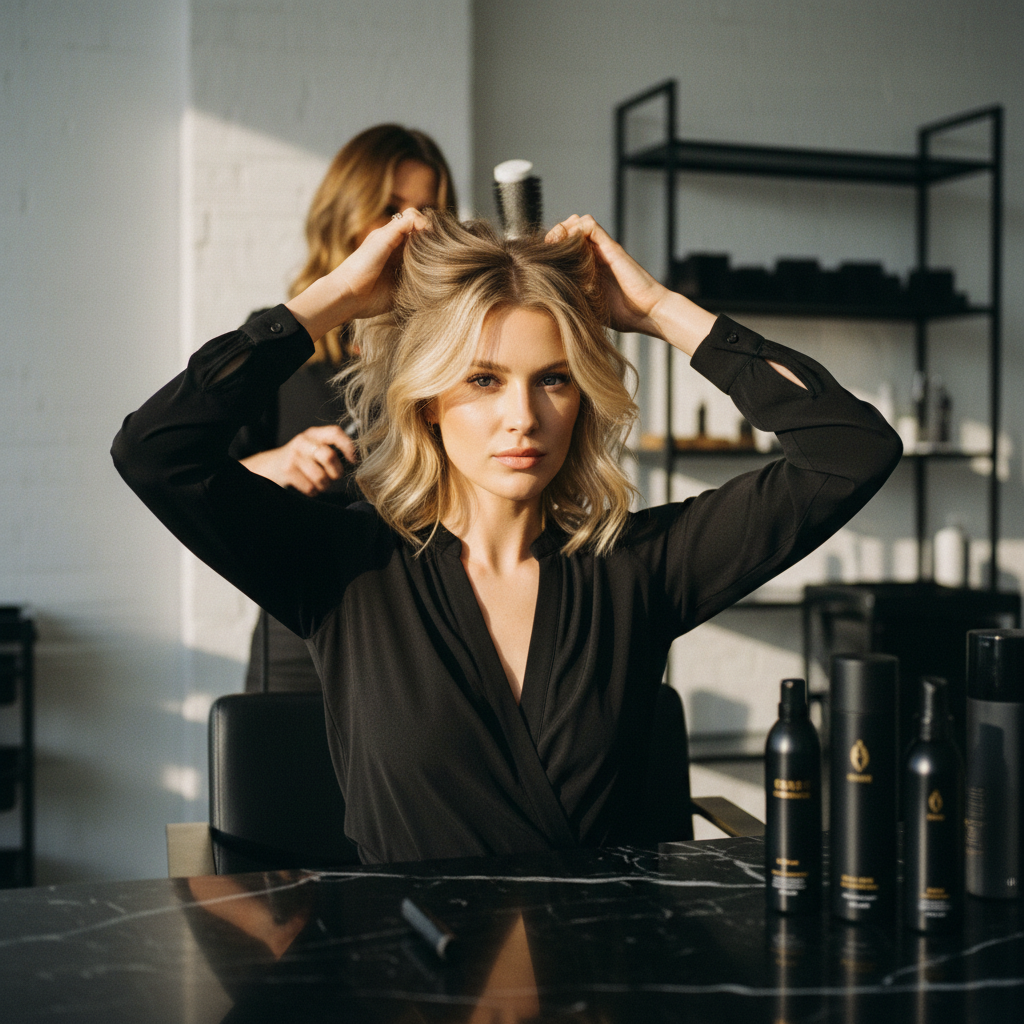
Quick answer: To add volume to fine hair, focus on techniques and products that build body without weighing strands down. This includes using lightweight shampoos and conditioners, applying volumising products primarily at the roots, and strategic blow-drying. While these methods can create the appearance of fuller hair, it's important to understand that you cannot permanently alter the natural diameter of your individual hair strands. How to Add Volume to Fine Hair effectively requires consistent practice and product selection tailored to your hair type.
Key takeaways
- Fine hair has a smaller individual strand diameter, making it prone to appearing flat and lacking natural volume.
- Volumising techniques work by creating lift at the root, adding texture to the hair shaft, or visually enhancing fullness.
- Lightweight formulas in shampoos, conditioners, and styling products are crucial to avoid weighing down fine hair.
- Strategic application, like focusing volumising products on the roots, maximises their effect.
- Certain haircuts and colour techniques can create the illusion of greater volume and density.
- Protecting fine hair from damage is vital, as breakage can further reduce its perceived fullness.
How to Add Volume to Fine Hair: what the evidence shows
Adding volume to fine hair involves a combination of mechanical techniques and product choices designed to counteract its natural tendency to lie flat. Fine hair is characterised by individual strands with a smaller diameter, typically less than 60 micrometres (µm), compared to medium (60-80 µm) or coarse hair (over 80 µm). This structural difference means fine hair has less inherent body and is more susceptible to being weighed down by product, oils, or humidity. The goal is not to change the hair fibre's intrinsic diameter, which is genetically determined, but to enhance its lift, texture, and visual density.
Evidence for volumising strategies primarily revolves around cosmetic effects: creating the perception of fuller, thicker hair. These methods work by:
- Providing structural support: Polymers in volumising products form a matrix around the hair shaft, increasing its perceived diameter and stiffness, thus helping it stand away from the scalp. This creates lift and body.
- Increasing friction: Texturising agents create a slight roughness on the hair surface, preventing strands from collapsing neatly against each other, which contributes to a fuller appearance.
- Reducing weight: Lightweight formulas and specific application techniques prevent the hair from being weighed down, allowing natural lift to be maintained or enhanced.
- Manipulating light reflection: Certain styling can create optical illusions of density.
While cosmetic, these approaches are well-established in haircare and can significantly improve the aesthetic appearance of fine hair. However, controlled research into the long-term biological effects of "volumising" is limited, as the primary outcome is visual and tactile rather than a change in hair biology.
Cleansing and conditioning for maximum lift
The foundation for voluminous fine hair begins with a targeted cleansing and conditioning routine. The aim is to clean the scalp and hair effectively without stripping essential moisture or depositing heavy residues that can weigh fine strands down.
Choosing the right shampoo
For fine hair, look for shampoos explicitly labelled "volumising," "lightweight," or "for fine hair." These formulations typically contain:
- Fewer heavy emollients: Unlike shampoos for dry or coarse hair, volumising shampoos minimise oils and butters that can coat fine strands and reduce lift.
- Film-forming polymers: Ingredients like polyquaternium compounds can deposit a thin, lightweight film on the hair shaft, temporarily increasing its perceived diameter and providing some stiffness for lift. One study published in the Journal of Cosmetic Science (2001) demonstrated that certain cationic polymers can increase hair fibre diameter and improve manageability.
- Gentle surfactants: While the impact of sulfates on hair volume is debated, opting for sulfate-free or mild-sulfate shampoos can reduce the risk of over-stripping, which might trigger compensatory oil production, potentially leading to flatter hair. You can learn more in our article on "The Benefits of Sulfate-Free Hair Products."
When cleansing, focus on the scalp to remove product build-up, excess sebum, and environmental pollutants, which can all contribute to flatness. Our "How to Do a Clarifying Wash: A Guide to Deep Hair Cleansing" article offers more detail on deep cleaning.
Lightweight conditioning for volume
Conditioning fine hair requires careful product selection and application. Heavy conditioners designed for thick or very dry hair can easily over-condition fine strands, making them limp and lifeless. Instead, choose conditioners that are:
- "Volumising" or "lightweight": These are formulated with lighter conditioning agents that provide hydration and detangling without excessive residue.
- Applied strategically: Apply conditioner primarily to the mid-lengths and ends of your hair. Avoid applying it directly to the scalp or roots, as this is where volume is most desired, and conditioner can counteract lift. Thorough rinsing is also paramount to ensure no heavy residue remains.
Understanding "The Science of Conditioners: How Hair Care Formulations Work" can help you make informed choices.
Styling products and techniques for immediate volume
Effective styling is perhaps the most impactful way to add volume to fine hair. These techniques physically lift the hair away from the scalp and use products to hold that lift in place.
Targeted product application
The "less is more" rule is especially true for fine hair. Start with a small amount of product and apply it precisely where needed.
- Root-focused products: Volumising mousses, root-lifting sprays, and volume powders are designed to be applied at the roots. These products typically contain polymers that create a scaffold around the hair shaft, propping it up and preventing it from collapsing.
- Even distribution: Ensure products are distributed evenly to avoid stiff or greasy patches. For mousses, emulsify in your hands before working through damp roots.
Smart blow-drying techniques
How you dry your hair can dramatically influence its final volume.
- Rough drying: Gently rough dry your hair until it's 70 to 80% dry. This reduces the overall heat exposure and creates initial body.
- Upside-down drying: Tipping your head upside down and directing airflow from the roots against the natural growth pattern can create significant root lift by training the hair to stand away from the scalp.
- Using a round brush: When hair is 80% dry, use a medium to large round brush to lift sections at the root while blow-drying. This technique helps to smooth the cuticle while creating tension and lift. Directing the nozzle downwards along the hair shaft also promotes shine.
- Cool shot setting: After drying a section, use the cool shot button on your dryer. The rapid cooling helps to set the style and lock in the volume you've created by solidifying the hydrogen bonds within the hair fibre, as explained in our "Heat Styling Safety Best Practices" guide.
Table: Volumising Product Mechanisms and Application
| Product Type | Primary Mechanism | Application Tip |
|---|---|---|
| Volumising Mousse | Polymers coat hair, providing structural support and hold. | Apply to damp roots and mid-lengths; work through evenly before blow-drying. |
| Root Lifter Spray | Targeted polymers provide direct lift at the scalp. | Spray onto damp roots in sections; blow-dry upwards at the root for maximum lift. |
| Texturising Spray | Adds grip and friction between strands; absorbs oils. | Spritz onto dry hair, focusing on mid-lengths and ends for fullness and texture. |
| Volume Powder | Absorbs oil, creates immediate grit and lift at roots. | Sprinkle sparingly onto dry roots; gently massage in for instant body. |
Other styling tools and techniques
- Velcro rollers: After blow-drying, section dry hair and wrap around large Velcro rollers, especially at the crown. Allow to cool completely (15 to 20 minutes) before gently unwrapping. This creates lasting root lift and soft waves without direct heat.
- Backcombing (teasing): This technique involves gently pushing hair towards the scalp with a fine-toothed comb to create a cushion of volume at the roots. It should be done carefully to avoid damage. Lift a section of hair, hold it taut, and comb downwards towards the scalp a few times before smoothing the top layer over the teased section. Over-teasing can lead to breakage, so moderation is key.
- Diffuser attachment: If you have any natural wave or curl in your fine hair, using a diffuser on your blow dryer can enhance your hair's natural texture and volume by drying it gently without disturbing the curl pattern, reducing frizz and adding body. Consult "Dealing with Frizzy Hair" for more insights.
Haircuts and colour for the illusion of thickness
Certain salon techniques can significantly enhance the visual volume of fine hair, though they do not change the number of hair follicles or the diameter of individual strands.
Strategic haircuts
- Blunt cuts: A blunt cut, especially at the perimeter, can make the ends of fine hair appear thicker and fuller, giving the impression of greater density. This works by ensuring all hair strands meet at the same length.
- Layers: Strategic, well-placed layers can remove weight and create movement, making hair appear fuller. However, too many or overly short layers on fine hair can have the opposite effect, making it look thinner. Long layers or face-framing layers are often more suitable than choppy, disconnected layers. Consult a professional stylist who understands fine hair to avoid reducing overall density.
Colour techniques
- Highlights and lowlights: Chemical processes like highlighting or lowlighting can cause the hair shaft to swell slightly, temporarily adding a subtle amount of girth to individual strands. More importantly, the visual contrast created by different shades adds depth and dimension, creating the illusion of a fuller head of hair. Lighter highlights can also reflect light, making hair appear brighter and potentially fuller.
When lack of volume might signal something else
While cosmetic strategies effectively add volume to fine hair, a sudden or significant reduction in hair volume or density can sometimes indicate an underlying issue. It's important to distinguish between naturally fine hair and hair thinning or excessive shedding.
- Hair thinning: This refers to a reduction in the number of hair strands, making the scalp more visible. This is distinct from having naturally fine individual hair strands. Common causes include androgenetic alopecia (pattern hair loss), telogen effluvium (excessive temporary shedding), and certain medical conditions or medications. Our "Understanding Hair Damage: Causes, Signs, and Care" article explains more.
- Hair shedding: Experiencing more hair falling out than usual, such as finding large amounts of hair on your brush or in the shower drain, is a sign of shedding. Telogen effluvium, for example, can be triggered by stress, illness, dietary changes, or hormonal shifts. It typically resolves on its own once the trigger is removed.
- Breakage: Fine hair can be more fragile and prone to breakage along the hair shaft. This makes the hair appear shorter, sparser, and can significantly reduce overall volume. Causes include chemical treatments, excessive heat styling, rough handling, and nutritional deficiencies. Breakage is not hair loss; the hair follicle remains intact.
If you notice a sudden change in your hair's volume, increased shedding, or patchy hair loss, it's advisable to consult a general practitioner or a dermatologist. They can help diagnose any underlying medical conditions and recommend appropriate treatments.
Watermans Haircare solutions for fine hair
Watermans offers products formulated to support hair health and enhance the appearance of volume, especially for those with fine or thinning hair. While no cosmetic product can permanently alter your hair's natural thickness, these formulations are designed to create an optimal environment for hair growth and minimise factors that can lead to flatness or fragility.
Watermans Grow Me® Shampoo and Condition Me Conditioner contain hydrolysed lupin protein, which has been shown in some in vitro studies to stimulate metabolic activity in hair follicles. The proteins in these formulations can also temporarily coat the hair shaft, contributing to a fuller feel and appearance. These products are developed to cleanse gently without stripping and condition effectively without weighing hair down, making them suitable for fine hair types aiming for more body and vitality.
Frequently asked questions about How to Add Volume to Fine Hair
Why does my fine hair always look flat?
Fine hair naturally has a smaller individual strand diameter, meaning each hair fibre has less structural rigidity to stand up on its own. It's also more easily weighed down by natural oils, humidity, and heavy products. How to Add Volume to Fine Hair effectively addresses these issues through targeted product choice and styling techniques that create lift and texture.
Can hair products permanently thicken my fine hair?
No, hair products cannot permanently change the genetic diameter of your individual hair strands. They work cosmetically by coating the hair shaft with polymers, creating friction, or lifting hair from the scalp, which temporarily makes it appear and feel thicker and fuller. Any perceived "thickening" is a temporary, surface-level effect.
Does frequent washing help with hair volume?
For many with fine hair, frequent washing can be beneficial. Fine hair tends to get oily quickly, and excess sebum can weigh it down, making it appear flatter. Regular washing removes oil and product build-up, allowing the hair to lift more easily from the scalp. However, ensure you use a gentle, volumising shampoo to avoid over-stripping.
How often should I use volumising products?
You can use volumising shampoos and conditioners every time you wash your hair. Styling products like mousses, sprays, and powders can be used daily or as needed to achieve your desired volume. Always start with a small amount and build up to avoid product overload, which can ironically weigh down fine hair.
Is backcombing damaging for fine hair?
Backcombing, or teasing, can be damaging if done aggressively or too frequently. It can rough up the cuticle, leading to friction, tangles, and potential breakage, especially on delicate fine hair. To minimise damage, backcomb gently and only at the roots, using a fine-toothed comb, and always detangle carefully with a wide-tooth comb before washing.
What haircuts are best to add volume to fine hair?
Blunt cuts at the perimeter can make fine hair appear thicker at the ends. Strategic, longer layers can also create movement and the illusion of fullness without removing too much density. It's best to consult with a professional stylist experienced with fine hair to determine the most suitable cut for your specific hair type and face shape.
Achieving lasting lift for fine hair
Understanding how to add volume to fine hair involves recognising its unique characteristics and adopting a holistic approach to care and styling. By selecting lightweight products, mastering specific application and drying techniques, and considering strategic haircuts, you can significantly enhance the appearance of fullness and body. Remember that consistency and gentle handling are key to maintaining the health and vitality of your delicate strands.
Sources and references
- British Association of Dermatologists. (n.d.). Hair Loss.
- Journal of Cosmetic Science. (2001). Evaluation of the performance of hair care products containing specific cationic polymers on hair physical properties.
- Mayo Clinic. (n.d.). Hair loss: Symptoms & causes.
- National Health Service (NHS). (2023). Hair loss.
- Olsen, E. A. (1999). Androgenetic alopecia: an update. Journal of the American Academy of Dermatology, 40(2 Pt 1), 213-222.
- University of California, San Francisco (UCSF) Health. (n.d.). Hair loss.
- Van Neste, D., & Rushton, H. (2007). Hair diameter diversity: a clinical clue to the presence of hair thinning. Experimental Dermatology, 16(8), 656-658.