Frizz: What Causes it and How to Manage it
11 min read ·
Frizz is a common hair concern where individual hair strands stand out, creating a rough or undefined texture. It primarily results from an open hair cuticle absorbing moisture from the atmosphere, causing the hair fibre to swell unevenly.
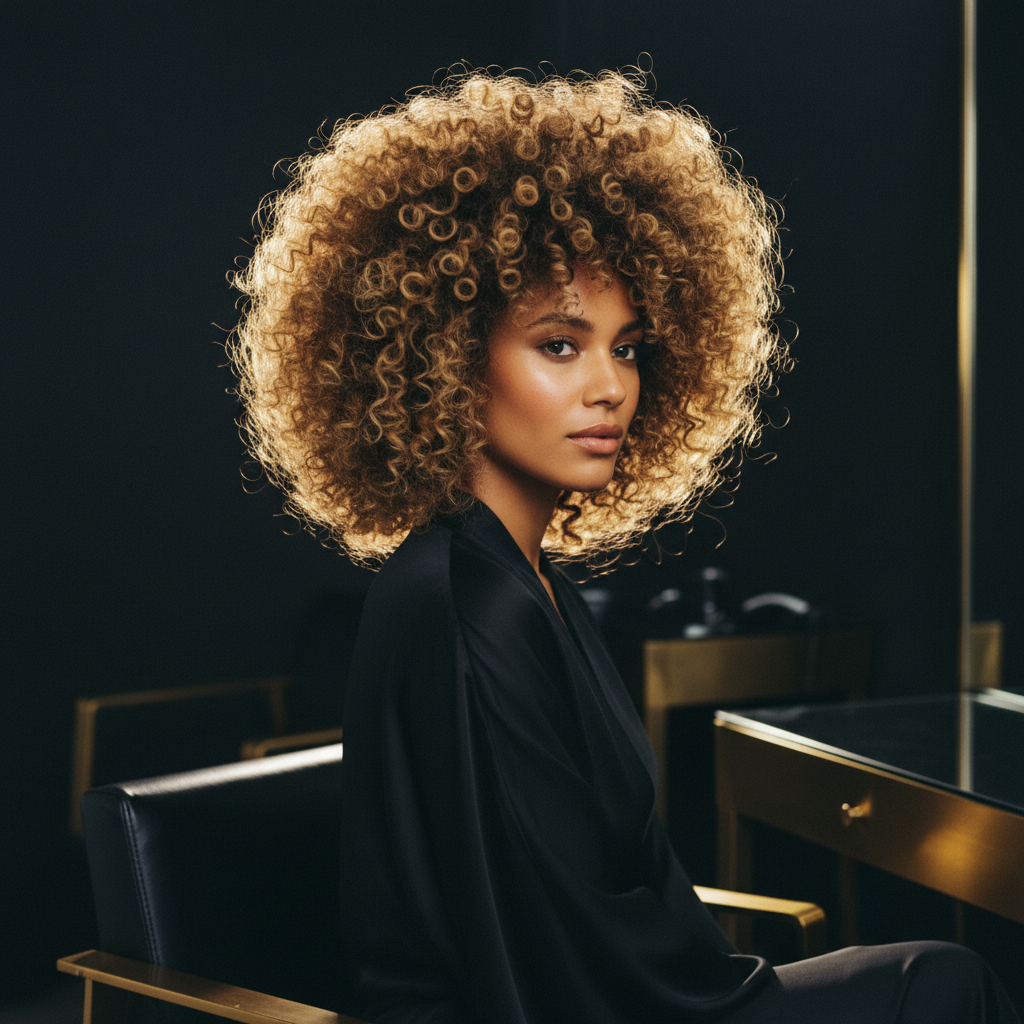
Quick answer: Frizz is the appearance of individual hair strands standing out from the main body of hair, creating a rough texture or an undefined pattern. It occurs when the hair's outermost layer, the cuticle, is lifted or open, allowing environmental moisture to penetrate the hair fibre. This swelling leads to an uneven surface and the characteristic frizzy look, often intensified by humidity or hair damage.
Key takeaways
- Frizz is not hair damage itself, but a symptom of cuticle irregularities and often indicates a need for moisture or cuticle smoothing.
- Humidity is a major trigger for frizz, as open cuticles readily absorb airborne water, causing hair to swell unevenly.
- Hair porosity plays a significant role; highly porous hair (often damaged) is more prone to frizz due to its open cuticle structure.
- Mechanical and chemical damage can compromise the cuticle, making hair more susceptible to frizz.
- Effective management of frizz involves sealing the cuticle, balancing moisture, and using gentle handling techniques.
- Not all "frizzy" appearances are the same; sometimes it's natural texture, sometimes a sign of damage or environmental factors.
Frizz: what the evidence shows
Frizz describes the phenomenon where hair strands appear rough, unruly, and lack a smooth alignment. This characteristic look is primarily a result of the hair cuticle, the outermost protective layer of the hair shaft, being raised or compromised. When the cuticle is not smooth and flat, it allows moisture from the surrounding environment to penetrate the hair's inner cortex. This influx of water causes the hair fibre to swell unevenly, disrupting its natural alignment and leading to the frizzy texture. This mechanism is especially pronounced in humid conditions, where the air contains a higher concentration of water molecules.
The Mechanism of Frizz: How Hair Reacts to Moisture
At a microscopic level, a healthy hair strand is covered by layers of flat, overlapping cells called the cuticle, similar to scales on a fish or shingles on a roof. These cuticles ideally lie flat, creating a smooth surface that reflects light and locks in internal moisture. When these cuticles are raised, hair becomes vulnerable.
Research indicates that when hair with a compromised cuticle encounters a humid environment, it rapidly absorbs water. This absorption is not uniform across the hair shaft, leading to differential swelling. The uneven swelling forces individual hair fibres to bend and twist, making them stand away from each other and appear frizzy. This effect is more pronounced in curly or wavy hair due to its elliptical cross-section, which predisposes it to uneven water uptake compared to the more circular cross-section of straight hair. Studies have shown that even small changes in relative humidity can significantly impact hair fibre dimensions and lead to increased frizz (Ruetsch, 1999).
Hair Porosity and its Role in Frizz
Hair porosity refers to your hair's ability to absorb and retain moisture. It is largely determined by the state of your hair's cuticle.
- High Porosity Hair: This type has a more open or raised cuticle, often a result of damage from chemical treatments (like colouring or perming), excessive heat styling, or even genetic predisposition. Due to its open structure, highly porous hair readily absorbs moisture from the atmosphere, leading to rapid and significant swelling, and thus more frizz. While it absorbs moisture quickly, it also loses it quickly, making consistent hydration crucial. For more details, see Understanding Hair Porosity.
- Low Porosity Hair: Characterised by a tightly closed and smooth cuticle, low porosity hair is less prone to frizz because it resists absorbing external moisture. However, its tightly packed cuticle can also make it difficult for beneficial moisture and treatments to penetrate, potentially leading to surface dryness if not properly managed.
Environmental Triggers for Frizz
Environmental factors play a critical role in the presence and intensity of frizz:
- Humidity: This is the most significant environmental factor. In air with high humidity, hair fibres absorb water from the atmosphere, causing them to swell and buckle, especially if the cuticle is open. The greater the humidity, the more pronounced the frizz (Robbins, 2012).
- Dry Air/Static Electricity: While less common than humidity-induced frizz, very dry air can also contribute. In dry conditions, hair can lose its internal moisture, leading to a phenomenon where it "searches" for water from the environment. Additionally, dry hair is more prone to static electricity, which can cause strands to repel each other and stand on end, mimicking a frizzy appearance.
Damage: Mechanical, Chemical, and Heat
Damage to the hair fibre is a primary contributor to an open or compromised cuticle, which in turn leads to frizz.
- Mechanical Damage: Aggressive handling, such as vigorous towel drying, excessive brushing with inappropriate tools, or tight hairstyles that create tension, can physically lift and damage the cuticle. This makes the hair rougher and more susceptible to environmental moisture. See How to Detangle Afro Hair Without Breakage for gentle care tips.
- Chemical Damage: Processes like colouring, bleaching, perming, or relaxing fundamentally alter the hair's structure, including the cuticle. These treatments can cause the cuticle to become permanently raised or even missing in places, increasing porosity and the likelihood of frizz. Maintaining Colour-Cared Hair offers advice for chemically treated hair.
- Heat Damage: Frequent use of heat styling tools (hairdryers, straighteners, curling irons) without adequate heat protection can dry out the hair and cause the cuticle to crack, chip, or lift. This not only makes hair appear frizzy but also weakens the overall hair fibre. Heat Styling Safety Best Practices provides guidance on protecting hair.
What You Can Do About Frizz
Managing frizz involves a holistic approach focused on gently treating the hair, moisturising effectively, and protecting the cuticle.
Gentle Cleansing and Conditioning
Choosing the right products and techniques can significantly reduce frizz:
- Sulfate-Free Shampoos: Sulfates can sometimes be overly effective at cleansing, potentially stripping hair of its natural oils, which act as a natural lubricant and sealant for the cuticle. Opting for sulfate-free options can help maintain the hair's natural moisture balance. See Sulfate-Free Shampoo Benefits.
- Conditioning: Conditioners are designed to smooth and flatten the cuticle, depositing conditioning agents that reduce friction and add shine. Look for ingredients like fatty alcohols (cetearyl alcohol, stearyl alcohol) and natural oils. The Science of Conditioners explains how these formulations work. Always rinse with cool or lukewarm water to help encourage the cuticle to lie flat.
Effective Drying Techniques
How you dry your hair can make a big difference in managing frizz:
- Blot, Don't Rub: Instead of rubbing hair vigorously with a rough towel, gently blot excess water with a microfibre towel or an old cotton t-shirt. This reduces mechanical friction that can lift the cuticle.
- Air Drying & Diffusers: Allow hair to air dry when possible. If using a hairdryer, attach a diffuser on a cool or low-heat setting. Directing the airflow downwards helps to smooth the cuticle as the hair dries. For curly hair, "plopping" with a t-shirt can help maintain curl definition and reduce frizz.
Moisture and Humectants
Frizz-prone hair often benefits from increased moisture and ingredients that help hair retain it:
- Leave-in Conditioners and Moisturisers: These provide ongoing hydration and create a barrier to smooth the cuticle. Ingredients such as humectants (e.g., glycerin, hyaluronic acid) attract water from the atmosphere to the hair, helping to keep it hydrated. However, in very high humidity, too many humectants can sometimes draw excessive moisture into the hair, potentially increasing frizz, so balance is key. Hair Hydration: Maintaining Moisture for Healthy Hair provides more information.
- Hair Oils and Serums: Applied sparingly, these can create a physical barrier on the hair surface, smoothing the cuticle and preventing atmospheric moisture from penetrating. They also add shine and reduce friction.
Regular Trims
Split ends are areas where the hair cuticle has completely frayed and separated. These damaged ends readily absorb moisture and contribute significantly to a frizzy appearance. Regular trims every 6 to 8 weeks remove these compromised ends, promoting healthier hair fibre integrity and reducing overall frizz.
When Frizz May Be Something Else
While often a cosmetic concern, sometimes what appears as frizz can be a sign of other hair or scalp conditions, or simply your hair's natural texture.
- Natural Hair Texture: For those with naturally curly, coily, or wavy hair, some degree of what might be perceived as "frizz" is simply the natural texture and definition of the curl pattern. Accepting and enhancing this natural texture rather than trying to eliminate it completely is often the healthiest approach. See Caring for Curly Hair or Caring for Afro Hair.
- Hair Breakage: Sometimes, short, flyaway hairs that appear frizzy are actually new hair growth or, more commonly, broken hair strands. Hair breakage occurs when the hair fibre snaps along its shaft due to damage or stress, not from the follicle. This is distinct from hair loss, where the entire hair detaches from the scalp. If you notice many short, uneven hairs along with a frizzy appearance, it may be an indicator of breakage due to mechanical stress or chemical damage. Understanding Hair Damage offers insights into causes.
- Scalp Health Issues: A compromised scalp environment can indirectly affect hair quality as it grows, potentially leading to weaker hair fibres more prone to damage and frizz. An unhealthy scalp can also impact the production of natural sebum, which helps to lubricate and protect the hair shaft. Understanding Scalp Health provides more information.
Frequently asked questions about Frizz
Why is my hair so frizzy even when it's not humid?
Your hair can still appear frizzy in non-humid conditions if it is damaged, highly porous, or lacking sufficient internal moisture. Damage from heat styling, chemical treatments, or harsh brushing can lift the cuticle, making it rough and prone to entanglement. Dry air can also cause static electricity, which makes strands repel each other and stand on end, giving a frizzy impression.
Can diet affect frizz?
While no specific foods directly cause or cure frizz, a balanced diet rich in vitamins, minerals, and proteins supports overall hair health. Healthy hair grows stronger from the follicle, making it more resilient to damage and less prone to cuticle issues that lead to frizz. Essential nutrients contribute to robust hair structure, which can better withstand environmental stressors.
Is "frizzy hair" the same as "curly hair"?
No, frizzy hair is not the same as curly hair. Frizzy hair describes a state where individual strands appear unruly, rough, or undefined due to a raised cuticle and moisture imbalance. Curly hair, on the other hand, refers to a hair type characterised by its natural coil or wave pattern. While curly hair types can be more prone to frizz due to their structure, well-cared-for curly hair can be smooth and defined without frizz.
How can I stop frizz immediately?
For immediate frizz reduction, you can apply a small amount of a lightweight hair oil or serum to the affected areas. These products work by forming a thin, smoothing layer over the hair cuticle, temporarily flattening it and reducing the appearance of frizz. A quick spritz of a humidity-blocking spray can also offer a temporary fix by creating a barrier against moisture.
Does hard water cause frizz?
Hard water contains high levels of dissolved minerals, primarily calcium and magnesium. These minerals can build up on the hair shaft, creating a rough surface and preventing the cuticle from lying flat. This residue can make hair feel dry, look dull, and appear more frizzy, especially over time. Using a clarifying wash periodically can help remove this mineral buildup. See Hard Water and Hair Damage: Understanding the Impact on Your Hair.
Managing Frizz for Smoother, Defined Hair
Understanding the underlying causes of Frizz, primarily the state of your hair's cuticle and its interaction with environmental moisture, is the first step towards managing it effectively. By adopting a gentle haircare routine, prioritising moisture, and protecting your hair from damage, you can significantly reduce the appearance of frizz. Remember that healthy hair, with a smooth and intact cuticle, is better equipped to resist the factors that lead to frizz, leaving your hair looking smoother, shinier, and more defined.
Sources and references
- Journal of Cosmetic Science, Ruetsch, S. (1999). Dimensional Changes of Human Hair Fibers with Relative Humidity. Journal of Cosmetic Science, 50(2), 99-105.
- Robbins, C. R. (2012). Chemical and Physical Behavior of Human Hair (5th ed.). Springer Science & Business Media.
- British Association of Dermatologists (BAD), Hair Loss. URL: https://www.bad.org.uk/for-the-public/patient-information-leaflets/hair-loss/
- National Health Service (NHS), Hair loss. URL: https://www.nhs.uk/conditions/hair-loss/
Watermans and Frizz Management
Watermans products are formulated with ingredients selected to support healthy hair and a balanced scalp environment, which can indirectly help in managing frizz by improving overall hair condition. For instance, ingredients like Argan Oil, found in Watermans Hair Growth Shampoo, are known for their emollient properties, helping to smooth the hair cuticle and add shine.
For those with curly or afro-textured hair, which is often more prone to frizz due to its structure and propensity for dryness, Frojus offers specific solutions. Frojus Curly Hair Conditioner contains Shea Butter, a rich emollient that provides intense moisture and helps to seal the cuticle, reducing the likelihood of frizz and promoting defined curl patterns. By maintaining hair hydration and cuticle integrity, Watermans and Frojus products contribute to a healthier hair appearance and reduced frizz. These products are designed to complement a holistic approach to hair care, focusing on gentle cleansing, conditioning, and protection to achieve smoother, more manageable hair. Some users report that Watermans Condition Me conditioner leaves their hair feeling smoother, which would complement this approach. Please note that Watermans does not claim to treat or cure alopecia, hair loss, or any medical condition.", seo_title=
Find these ingredients in Watermans products
- Shea Butter, you will find this ingredient in our Curly Hair Conditioner.