Volumizing Techniques: Evidence-Based Methods for Fuller Hair
10 min read ·
Volumizing Techniques refer to a range of methods and products designed to create the appearance of fuller, thicker hair with enhanced lift, primarily for aesthetic purposes.
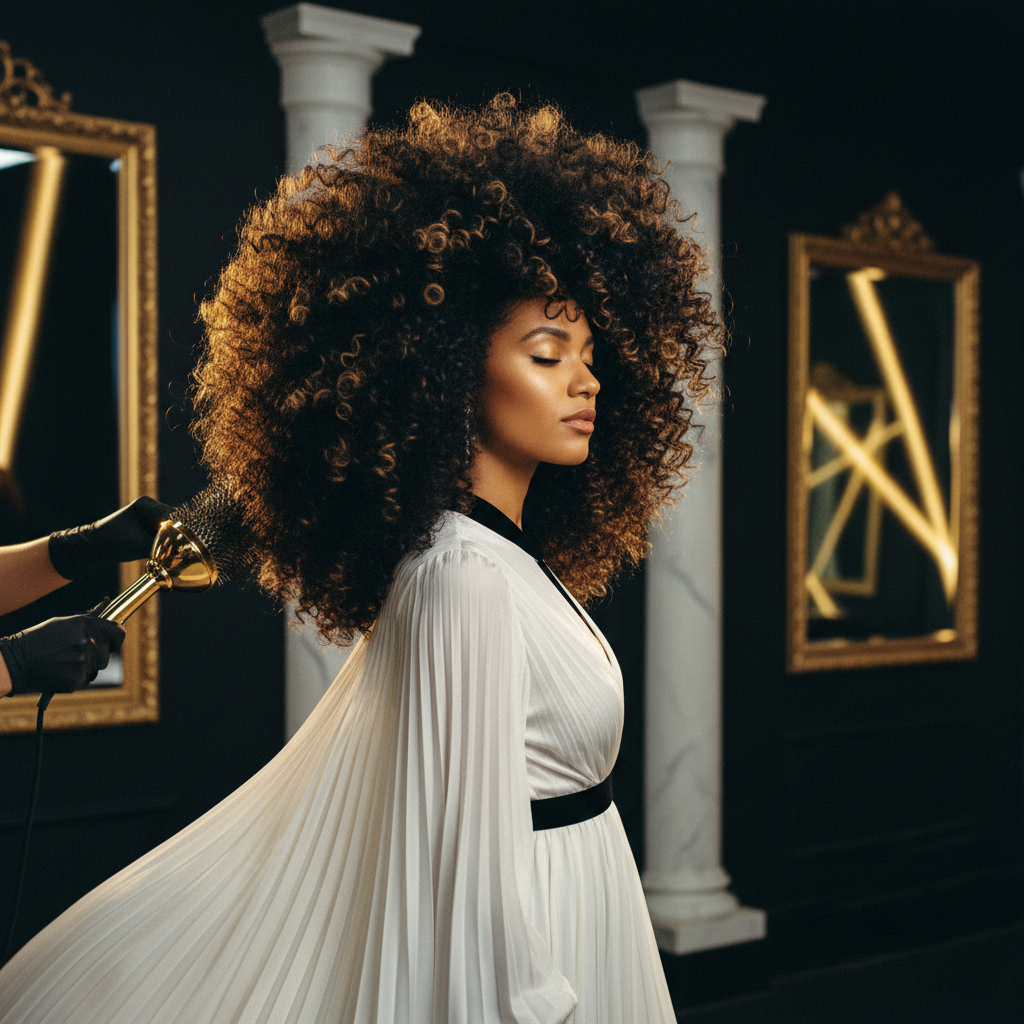
Quick answer: Volumizing Techniques involve strategic hair care practices, styling methods, and product choices aimed at enhancing the perceived fullness, lift, and body of hair. These techniques can visually improve the density of hair and provide aesthetic benefits, though they do not address underlying causes of hair shedding or thinning. Their effectiveness relies on understanding hair type and applying appropriate methods without weighing hair down.
Key takeaways
- Hair volume is an aesthetic quality, distinct from actual hair density or thickness, and often desired for a fuller look.
- Effective Volumizing Techniques focus on lifting hair at the roots, adding texture to the hair shaft, and choosing lightweight products.
- Proper cleansing and conditioning are foundational, removing buildup and ensuring hair isn't weighed down, especially at the scalp.
- Styling methods like root lifting, blow-drying techniques, and the strategic use of rollers can create significant lift.
- Lightweight volumizing products, such as mousses, sprays, and dry shampoos, are crucial for supporting and maintaining volume without heavy residues.
- For persistent concerns about hair thinning or loss, consult a healthcare professional, as Volumizing Techniques are cosmetic and do not treat medical conditions.
Volumizing Techniques: what the evidence shows
Volumizing Techniques aim to enhance the aesthetic appearance of hair by creating the illusion of greater fullness, body, and lift. This is achieved by manipulating the hair fibre and its interaction with the scalp, rather than by increasing the number of hair follicles or the diameter of individual strands. The effectiveness of these techniques largely depends on hair type, density, and the correct application of methods and products.
Fine hair, characterised by a smaller diameter, often appears flatter and can be easily weighed down. In contrast, coarse hair, with a larger diameter, naturally tends to have more body. Hair density, the number of hair strands per square centimetre of scalp, also plays a significant role. Individuals with lower density can still achieve impressive visual volume through targeted techniques, although the overall effect may differ from those with naturally high density. The goal is to lift the hair away from the scalp and increase friction or texture between strands, making the hair mass appear larger.
Foundations of Hair Volume: Cleansing and Conditioning
Effective volumizing begins with proper hair preparation. Over time, products, natural oils (sebum), and environmental pollutants can accumulate on the hair and scalp, leading to product buildup. This buildup can weigh hair down, particularly at the roots, making it appear flat and lifeless. A clarifying wash, using a shampoo designed to remove residues, can be beneficial, especially for those with fine or oily hair. Regular cleansing with a suitable shampoo is essential to prevent this accumulation.
Conditioning is equally important but requires a strategic approach for volume. Heavy conditioners, or those applied excessively to the scalp area, can counteract volumizing efforts. The scientific understanding of conditioners is that they typically contain cationic surfactants and other ingredients designed to smooth the cuticle, reduce friction, and moisturise the hair fibre. While these benefits are crucial for hair health, for volume, it's generally recommended to apply conditioner primarily to the mid-lengths and ends, where hair is most prone to dryness and damage, and to choose lightweight formulas. Thorough rinsing is critical to ensure no residue is left behind that could weigh hair down.
Styling Techniques for Lift and Body
Several styling methods are commonly employed to achieve volume, each working on the principle of lifting hair from the root or adding texture to the fibre.
- Root Lifting: This technique is fundamental for creating height and preventing hair from lying flat against the scalp. Applying lightweight volumizing products specifically at the roots before blow-drying helps to create a "scaffold" for the hair. Using a round brush to lift sections of hair at the root while applying heat from a hairdryer can set this lift into place. The heat temporarily breaks hydrogen bonds in the hair's keratin structure, and as the hair cools in an elevated position, these bonds reform, holding the new shape.
- Blow-Drying Techniques: Drying hair upside down or using a diffuser can promote overall volume. When blow-drying hair upside down, gravity pulls the hair away from the scalp, encouraging the roots to stand up. A diffuser attachment disperses airflow, reducing frizz and allowing natural texture to form, which contributes to an appearance of fullness. However, it's important to follow heat styling safety best practices to minimise potential damage.
- Curling and Waving: Introducing curls or waves optically increases hair's volume and movement. The bends in the hair strands occupy more space, making the overall style appear fuller. This can be achieved using heat tools like curling irons or rollers. For optimal hold, hair should be allowed to cool completely in its curled or waved state before being disturbed. For protective styling, methods that do not involve heat, such as braiding or Bantu knots, can also create waves and curls.
- Backcombing (Teasing): This technique involves gently combing small sections of hair downwards towards the scalp at the roots. It creates a cushion of tangled hair that provides internal support and lift. While effective for immediate volume, it must be done carefully to avoid causing mechanical damage to the hair fibre, which can lead to breakage. Using a fine-toothed comb and gentle strokes is key.
- Velcro Rollers: These rollers are applied to partially dry hair and allowed to cool completely. They work by setting the hair in a lifted position away from the scalp, creating lasting root lift and soft waves or curls. The velcro surface provides grip without requiring clips, making them easy to use.
Volumizing Products: How They Work
Volumizing products are formulated with ingredients that provide lift, texture, or a slight coating to the hair fibre without adding significant weight. Common ingredients include:
- Polymers: These form a lightweight film on the hair shaft, increasing its diameter slightly or providing stiffness to hold hair away from the scalp. For example, PVP (Polyvinylpyrrolidone) and VP/VA Copolymer are often found in mousses and sprays.
- Thickening Agents: Ingredients like hydrolysed wheat protein can temporarily penetrate the hair cuticle and swell the hair shaft, making it feel thicker. Lupin protein also offers similar benefits, contributing to stronger-feeling hair.
- Texturizers: Products such as texturizing sprays often contain salts (like sea salt) or fine powders that create friction between hair strands, enhancing grip and fullness. Dry shampoos, which contain absorbent powders like starches (e.g., corn starch, rice starch), absorb excess oil and add immediate lift and texture at the roots.
- Lightweight Conditioners: As mentioned, choosing conditioners with a lighter formulation, often marked as "volumizing" or "for fine hair," helps to moisturise without flattening. They balance conditioning agents with ingredients that rinse cleanly.
Products for Volumizing: A Comparison
When selecting products, consider your hair type and desired outcome. The table below outlines common volumizing product types and their primary benefits.
| Product Type | Primary Benefit | Application Notes |
|---|---|---|
| Volumizing Shampoo | Cleanses thoroughly without residue; maintains natural lift. | Focus on scalp to remove oil and buildup; rinse completely. |
| Volumizing Conditioner | Hydrates and detangles without weighing down fine hair. | Apply mainly to mid-lengths and ends; choose lightweight formulas. |
| Root Lift Spray/Mousse | Provides targeted lift and hold directly at the roots. | Apply to damp roots before blow-drying; distribute evenly. |
| Texturizing Spray | Adds grip, fullness, and "grit" for enhanced volume. | Use on dry hair, from mid-lengths to ends, for flexible texture. |
| Dry Shampoo | Absorbs oil, adds instant root lift and freshness. | Apply to dry roots, massage in, and brush or rub to distribute. |
| Hairspray | Sets styles, providing hold and humidity resistance. | Use as a finishing product; choose flexible hold for natural movement. |
What the evidence does not show
It is important to differentiate between cosmetic volumizing and medical conditions. Volumizing Techniques are aesthetic solutions and do not address underlying hair loss (alopecia) or excessive hair shedding (telogen effluvium). They do not increase the number of hair follicles, nor do they treat conditions that cause hair thinning. Claims that a cosmetic product can "grow" new hair or prevent genetic hair loss are not supported by evidence for volumizing products. While some ingredients might support scalp health, their primary function in volumizing products is typically for cosmetic enhancement. If you are concerned about actual hair loss or thinning, Volumizing Techniques will not be a substitute for medical advice.
When to get professional advice
If you are experiencing significant or sudden hair thinning, excessive hair shedding, or notice patches of hair loss, it is advisable to consult a doctor or a dermatologist. These symptoms can be indicative of underlying health conditions, nutritional deficiencies, hormonal imbalances, or other forms of alopecia that require medical diagnosis and treatment. While Volumizing Techniques can improve the appearance of existing hair, they cannot treat these medical issues.
Frequently asked questions about Volumizing Techniques
Can Volumizing Techniques damage my hair?
Most Volumizing Techniques, when performed correctly, are not damaging. However, excessive heat styling without protection or aggressive backcombing can lead to hair breakage over time. Always use heat protectants and gentle handling, especially when teasing. Choosing lightweight products and rinsing thoroughly also prevents product buildup that could make hair feel heavy.
How often should I use volumizing products?
The frequency depends on your hair type and lifestyle. For oily hair, daily use of a volumizing shampoo and conditioner might be beneficial. Dry shampoo can be used on non-wash days to refresh volume. Heavier styling products like mousses or sprays can be used as needed for styling. Adjust based on how your hair responds and avoid excessive buildup.
Will Volumizing Techniques work on very fine or thin hair?
Yes, Volumizing Techniques are particularly effective for fine or thin hair, as these hair types often lack natural body. The goal is to lift the hair from the scalp and create the illusion of fullness. While they won't change your hair's natural density, they can significantly improve its appearance, making it look fuller and more abundant.
What is the best way to maintain volume overnight?
To preserve volume overnight, avoid sleeping on wet hair. You can loosely tie your hair in a high bun (a "pineapple" bun) on top of your head using a soft scrunchie, or use a silk or satin pillowcase to reduce friction. Dry shampoo can be applied to the roots in the morning to refresh any lost volume.
What's the difference between hair density and hair thickness when discussing volume?
Hair density refers to the number of individual hair strands on a square centimetre of scalp, while hair thickness refers to the diameter of a single hair strand. Both impact perceived volume. Volumizing Techniques cosmetically enhance the appearance of volume regardless of natural density or thickness, creating lift and body to make hair appear fuller.
Volumizing Techniques for a Fuller Look
Achieving fuller-looking hair through Volumizing Techniques is an art and a science, blending appropriate hair care with strategic styling and product selection. By understanding your hair type and the mechanisms behind volume creation, you can effectively enhance the body and lift of your hair. Remember, these techniques are about aesthetic improvement and should complement, not replace, professional advice if you have concerns about hair thinning or loss. For genuinely healthier-looking hair and scalp, consider a comprehensive approach to hair health.
Watermans Volumizing Support
For those seeking to enhance the appearance of fuller, thicker-looking hair, Watermans offers products designed to support these Volumizing Techniques. Our formulas are crafted to cleanse effectively without weighing down fine hair and to provide lightweight conditioning. Watermans GrowMe® Shampoo and GrowMe® Conditioner are formulated to support healthy-looking hair and scalp, creating an optimal environment for hair that looks thicker and more voluminous. Used as part of your regular hair care routine, they can complement your efforts to achieve enhanced body and lift.
Sources and references
- PubMed Central, "The role of cosmetic products in hair care: a study of the efficacy and safety of a shampoo and a conditioner," Journal of Cosmetic Dermatology, 2021, DOI: 10.1111/jocd.13963
- American Academy of Dermatology Association, "Hair care products: How to choose and use them," AAD.org.
- National Center for Biotechnology Information (NCBI), "Hair Cosmetics: An Overview," Journal of Clinical and Aesthetic Dermatology, 2015.
- The Cosmetic, Toiletry and Perfumery Association (CTPA), "Hair Care Products: Your Questions Answered," CTPA.org.uk.
- British Association of Dermatologists, "Hair Loss," bad.org.uk.
Find these ingredients in Watermans products
- Wheat Amino Acids: you will find this ingredient in our Heat Protection Spray.