Understanding Your Hair Type
6 min read ·
Understanding your hair type is the first step towards an effective hair care routine, influencing everything from product choice to styling techniques.
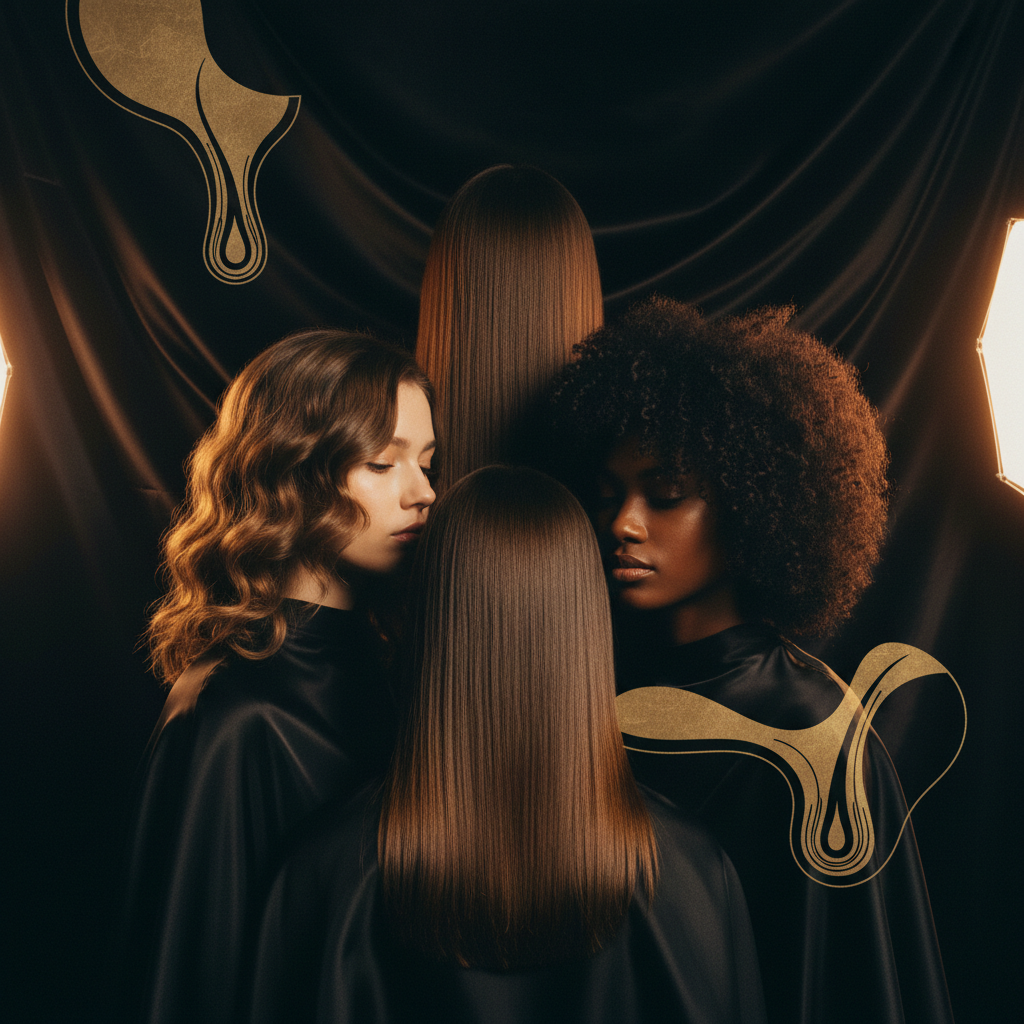
Hair type is a fundamental characteristic that dictates how hair behaves, how it should be cared for, and what products will be most effective. It is determined by a combination of genetics, the shape of the hair follicle, and the natural oil production of the scalp. Recognizing your specific hair type allows for a more targeted and beneficial approach to haircare.
The Genetic Foundation of Hair Type
Your hair type is primarily determined by genetics, which influence two key factors: the shape of your hair follicle and the activity of your sebaceous glands.
- Hair Follicle Shape: The shape of the hair follicle on your scalp dictates the curl pattern of your hair. A perfectly round follicle produces straight hair, while increasingly oval or flattened follicles result in wavy, curly, or coily hair, respectively. The more asymmetrical the follicle, the more curls or coils the hair will exhibit.
- Sebaceous Gland Activity: These glands produce sebum, the natural oil that lubricates the scalp and hair. The amount of sebum produced directly impacts whether your hair is oily, normal, or dry. Genetics play a significant role in determining the level of activity of these glands.
Identifying Your Curl Pattern
Hair curl pattern is often the most visually apparent aspect of hair type. It is classified into four main categories, with sub-categories for finer distinctions. This classification system originated from Andre Walker Hair Typing System, though it has evolved and been expanded upon by the haircare community.
-
Type 1: Straight Hair
-
1A: Pin-straight, very fine, soft, and shiny. It can be difficult to hold a curl.
-
1B: Straight with a medium texture, has some body, and can hold a curl without much difficulty.
-
1C: Straight, generally thick and coarse, with some natural wave or bend. It may be resistant to curling.
-
Type 2: Wavy Hair
-
2A: Fine, thin waves that form an "S" shape. Easily straightened or curled.
-
2B: Medium-textured waves that are more defined and tend to frizz easily. Straightening can be more challenging.
-
2C: Thick, coarse waves that are well-defined and start closer to the root. Prone to frizz and can be difficult to style.
-
Type 3: Curly Hair
-
3A: Loose, large curls that form a definite "S" shape, often the size of a sidewalk chalk. Curls are often soft and shiny.
-
3B: Bouncy, springy curls that are more tightly wound, typically the size of a marker. Can be prone to dryness and frizz.
-
3C: Tight, corkscrew curls, often the size of a pencil. High density and volume, but also prone to extreme dryness and tangling.
-
Type 4: Coily Hair
-
4A: Densely packed, S-pattern coils that are the size of a knitting needle. Experiences significant shrinkage and requires substantial moisture.
-
4B: Z-pattern coils that are less defined and more angled, resembling a zigzag. Very fragile and prone to breakage if not properly cared for.
-
4C: Densely packed Z-pattern coils that are very fine and fragile, with little to no defined curl pattern without manipulation. Experiences the most shrinkage.
Understanding Hair Porosity
Porosity refers to your hair's ability to absorb and retain moisture. It is determined by the condition of your hair's cuticle, the outermost layer. The cuticle scales can be tightly closed, slightly raised, or widely open. Porosity is not solely genetic and can be affected by factors such as heat styling, chemical treatments, and environmental damage.
- Low Porosity: The cuticle layers are tightly closed, making it difficult for moisture to penetrate. Once moisture is in, it is well-retained. Products tend to sit on the hair rather than absorbing. Hair is often shiny but can feel stiff.
- Care: Requires heat or steam to open the cuticle, allowing products to absorb. Lightweight, water-based products are best.
- Medium Porosity: The cuticle layers are slightly raised, allowing for good absorption and retention of moisture. This hair type is generally considered healthy and easy to manage.
- Care: A balanced approach to moisture and protein. Regular conditioning is usually sufficient.
- High Porosity: The cuticle layers are widely open, allowing moisture to be absorbed quickly but lost just as quickly. This is often due to damage from chemical treatments, heat, or environmental factors. Hair can appear frizzy and dull.
- Care: Requires heavier products, creams, and oils to seal the cuticle and lock in moisture. Protein treatments can help strengthen the hair.
To test your hair porosity, place a clean strand of hair into a glass of water. If it floats, you likely have low porosity. If it sinks slowly, you likely have medium porosity. If it sinks quickly, you likely have high porosity.
Assessing Hair Density
Hair density refers to the number of individual strands of hair on your scalp. This is different from the thickness of a single strand (which is hair texture). Density influences how full your hair looks and how much product you might need.
- Low Density: You can easily see your scalp through your hair. Your hair may appear thin or fine overall.
- Medium Density: Your scalp is somewhat visible, but your hair has a balanced fullness.
- High Density: Your scalp is difficult to see, even when styling. Your hair appears very thick and full.
To test your hair density, pull a section of your hair to the side. If you can clearly see a good portion of your scalp, your density is low. If you can see some scalp, your density is medium. If you can barely see your scalp, your density is high.
Determining Hair Texture (Strand Thickness)
Hair texture refers to the thickness or circumference of an individual hair strand. This is distinct from hair density, which refers to the number of strands.
- Fine: Individual strands are very thin and delicate. They can be prone to tangling and may lack volume.
- Medium: Individual strands are neither fine nor coarse. This is the most common texture and is generally strong and resilient.
- Coarse: Individual strands are thick and strong. They can be resistant to chemical processes and may take longer to dry.
To test your hair texture, take a single strand of hair and roll it between your fingers. If you can barely feel it, you have fine hair. If you can feel it slightly, you have medium hair. If you can feel a distinct presence, you have coarse hair.
Scalp Condition and Oiliness
While not strictly a "hair type," scalp condition significantly impacts hair health and appearance. The activity of your sebaceous glands dictates your scalp's oil production.
| Scalp Type | Characteristics | Hair Behavior |
|---|---|---|
| Oily Scalp | Overactive sebaceous glands, producing excess sebum. | Hair often looks greasy, heavy, and lank within a day or two of washing. |
| Normal Scalp | Balanced sebum production, neither too oily nor too dry. | Hair maintains a healthy look and feel for several days. |
| Dry Scalp | Underactive sebaceous glands, leading to insufficient sebum. | Hair can feel brittle, look dull, and be prone to breakage. It may also lead to flakiness or itchiness. |
Putting It All Together for Your Routine
Understanding your hair's unique combination of curl pattern, porosity, density, texture, and scalp condition is crucial for selecting the right products and techniques. For example, someone with fine, high-porosity, oily, curly hair will need a very different regimen than someone with coarse, low-porosity, normal, straight hair. Watermans understands the need for targeted solutions that complement your hair's natural characteristics. By accurately identifying your hair type, you empower yourself to make informed decisions that promote optimal hair health and beauty.
Where Watermans fits
If you want a routine built around the science above, these are the products from the range that apply here: