Hair Thickening
4 min read ·
Hair thickening refers to techniques and products designed to increase the apparent volume and density of individual hair strands or the overall hair mass.
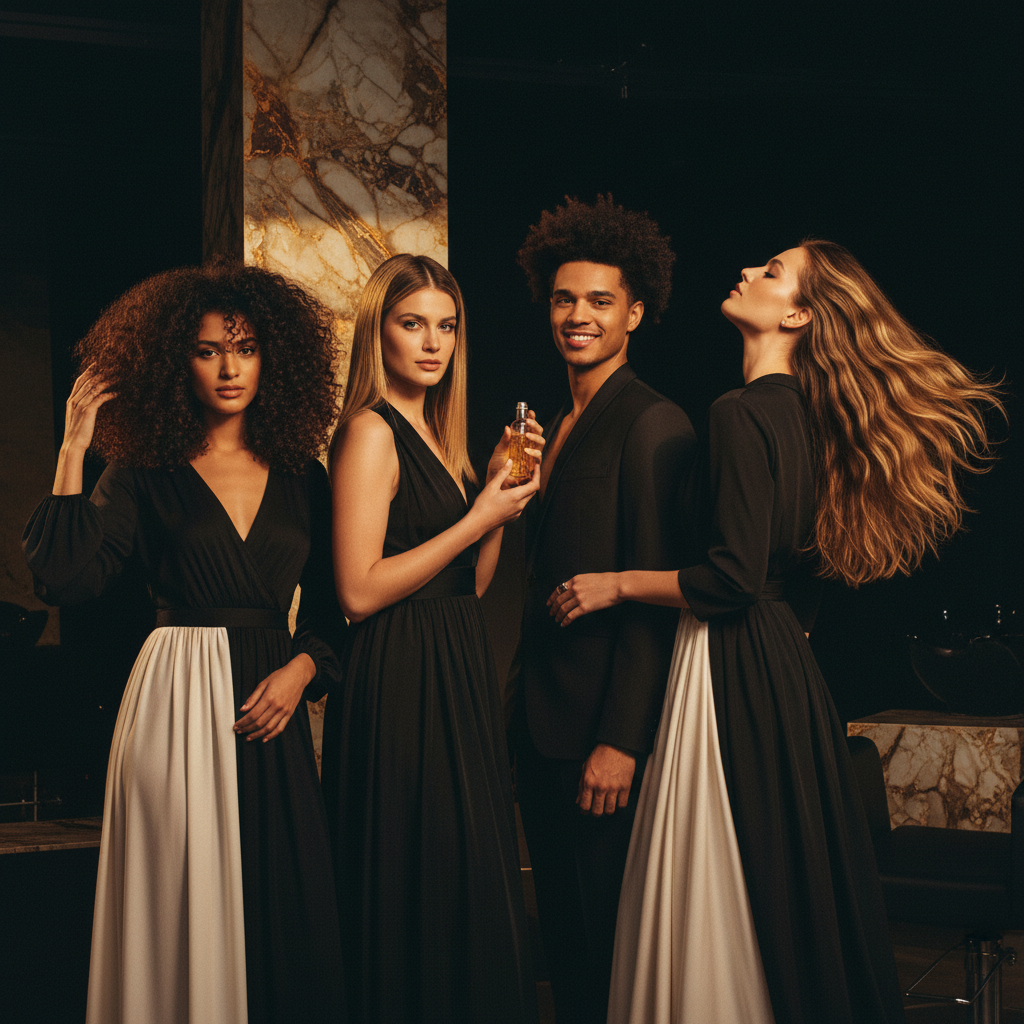
Understanding Hair Thickening
Hair thickening encompasses various approaches aimed at enhancing the perceived fullness and density of hair. It's important to distinguish between actual hair growth, which stimulates the creation of new hair strands, and hair thickening, which focuses on improving the characteristics of existing hair or creating the illusion of more hair.
While some methods may overlap with hair growth, the primary goal of hair thickening is to increase diameter or add mass, leading to a more voluminous appearance.
Mechanisms of Hair Thickening
Hair thickening can be achieved through several mechanisms, each targeting different aspects of hair structure or scalp health.
Targeting Individual Hair Strands
Many hair thickening products work by temporarily altering the structure of individual hair strands. This can involve:
- Coating the Hair Shaft: Polymers or proteins can form a thin film around the hair shaft, increasing its diameter and providing a sensation of thicker hair. This effect is temporary and typically washes out with shampoo.
- Swelling the Hair Cuticle: Certain ingredients can cause the hair's cuticle (the outermost layer) to swell slightly. While this can increase diameter, excessive swelling can lead to cuticle damage and frizz over time.
- Strengthening Hair Structure: Ingredients like hydrolysed proteins (e.g., keratin, wheat protein) and amino acids can penetrate the hair shaft to some degree, temporarily reinforcing its structure and making strands less prone to breakage. This can contribute to a fuller look by preserving existing hair.
Promoting Scalp Health and Follicle Function
A healthy scalp environment is crucial for optimal hair growth and density. Some thickening approaches indirectly contribute by:
- Improving Blood Circulation: Massaging the scalp or using ingredients known to stimulate blood flow can theoretically enhance nutrient delivery to hair follicles. While beneficial for overall scalp health, direct evidence for significant thickening via this mechanism is less robust.
- Reducing Scalp Inflammation: Chronic inflammation can negatively impact hair follicle function. Anti-inflammatory ingredients may help maintain a healthier environment for hair growth and potentially minimise hair thinning.
- Balancing Scalp Microbiome: An unbalanced scalp microbiome can contribute to issues like dandruff and itchiness, which can indirectly affect hair health. Ingredients that promote a balanced microbiome may support a healthier environment for thicker-looking hair.
Volumizing and Styling Techniques
Beyond product application, styling techniques play a significant role in achieving a thicker appearance.
- Layered Haircuts: Strategically placed layers can create the illusion of more volume and movement.
- Root Lift: Products designed to lift hair at the root can significantly enhance apparent density.
- Texturizing Sprays: These products add grip and texture to hair, making it appear fuller and easier to style into voluminous shapes.
- Proper Drying Techniques: Blow drying hair upside down or using a round brush can add considerable volume.
Common Thickening Ingredients and Their Actions
| Ingredient Category | Mechanism of Action | Examples |
|---|---|---|
| Polymers | Coat hair, increasing diameter | PVP, VP/VA Copolymer, Polyquaterniums |
| Proteins | Strengthen hair, reduce breakage | Hydrolysed Keratin, Wheat Protein, Silk Protein |
Important Considerations
Temporary vs. Long-Term Effects
Most hair thickening products offer temporary cosmetic effects, lasting until the next wash. Products that support scalp health or strengthen hair may offer more sustained benefits, but significant, permanent structural changes to individual hair strands are generally not achievable through topical applications alone.
Hair Type Adaptation
The effectiveness of thickening products can vary based on hair type. Fine, limp hair tends to show more dramatic results from volumizing and coating agents, while thick, coarse hair may benefit more from products that address breakage or enhance manageability.
Fine Hair
Fine hair has a smaller diameter and tends to lie flatter. For this hair type, lightweight formulas that add volume without weighing hair down are ideal. Avoid heavy creams or oils.
Oily Hair
Oily scalps can make hair appear flatter and thinner. Opt for thickening shampoos and conditioners that cleanse thoroughly without stripping and are designed not to add excess weight or residue.
Potential Side Effects
While generally safe, some individuals may experience scalp irritation or residue buildup with certain thickening products. It is always advisable to perform a patch test if you have sensitive skin.
Watermans Hair and Hair Thickening
Watermans Hair products are formulated to support optimal hair growth and density. Their shampoos and conditioners contain hydrolysed lupin protein, a key ingredient known to help strengthen hair and reduce breakage, contributing to thicker-looking hair. Additionally, their formulations support a healthy scalp environment, which is fundamental for overall hair vitality. Regular use can lead to hair that appears fuller and more voluminous through improved hair health and reduced fragility.