How to Treat Scalp Build-Up: Science, Treatment, and Prevention
9 min read ·
Discover the science of how to treat scalp build-up using clarifying agents, chemical exfoliants, and proper cleansing habits to maintain a healthy scalp environment.
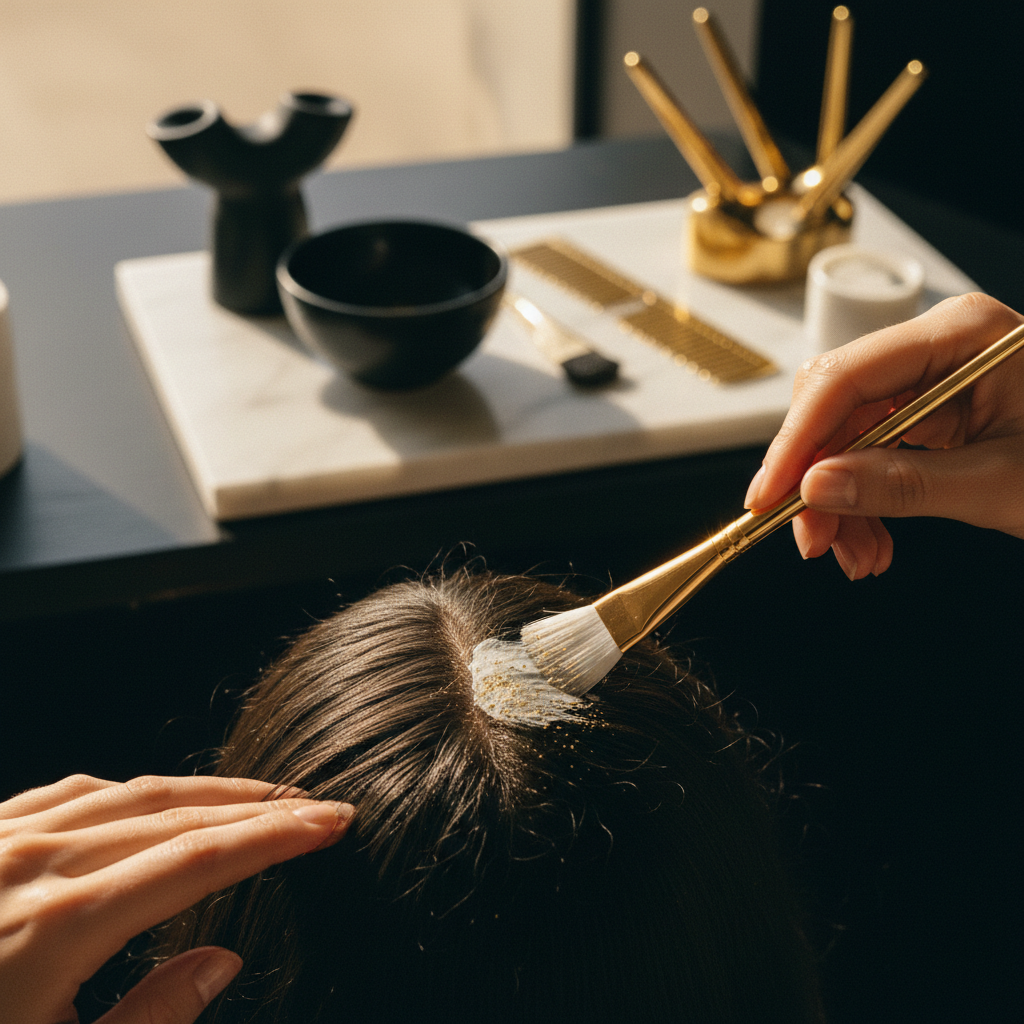
Quick answer: Knowing how to treat scalp build-up requires identifying whether the residue stems from cosmetic products, physiological sebum, or dead skin cells. Effective management combines clarifying surfactants, chemical exfoliants like salicylic acid, and mechanical scalp massage to solubilise and dislodge debris without stripping the epidermal moisture barrier. However, persistent flaking or erythema often points to underlying clinical conditions like seborrhoeic dermatitis or psoriasis rather than simple cosmetic accumulation, which require targeted medical intervention.
Key takeaways
- Scalp build-up is a composite layer of natural sebum, desquamated corneocytes, environmental pollution, and cosmetic residue (especially silicones, waxes, and quaternary ammonium compounds).
- Clarifying shampoos formulated with anionic surfactants or chelating agents effectively strip away stubborn cosmetic polymers and mineral deposits.
- Chemical keratolytics, such as salicylic acid at 1% to 3% concentration, dissolve the intercellular lipid bonds holding dead skin cells together more evenly than harsh physical scrubs.
- Washing frequency must align with sebum production rates; under-washing allows sebum to oxidise, fostering Malassezia yeast overgrowth and inflammatory flaking.
- Persistent scaling accompanied by intense itching, redness, or bleeding indicates a medical dermatosis rather than ordinary product accumulation.
How to Treat Scalp Build-Up: what the evidence shows
Learning how to treat scalp build-up begins with understanding the surface chemistry of the scalp. Unlike facial skin, the human scalp possesses an exceptionally high density of terminal hair follicles, sebaceous glands, and sweat glands. This environment continuously secretes sebum (a lipid mixture of squalene, wax esters, triglycerides, and free fatty acids) while desquamating millions of dead stratum corneum cells each day.
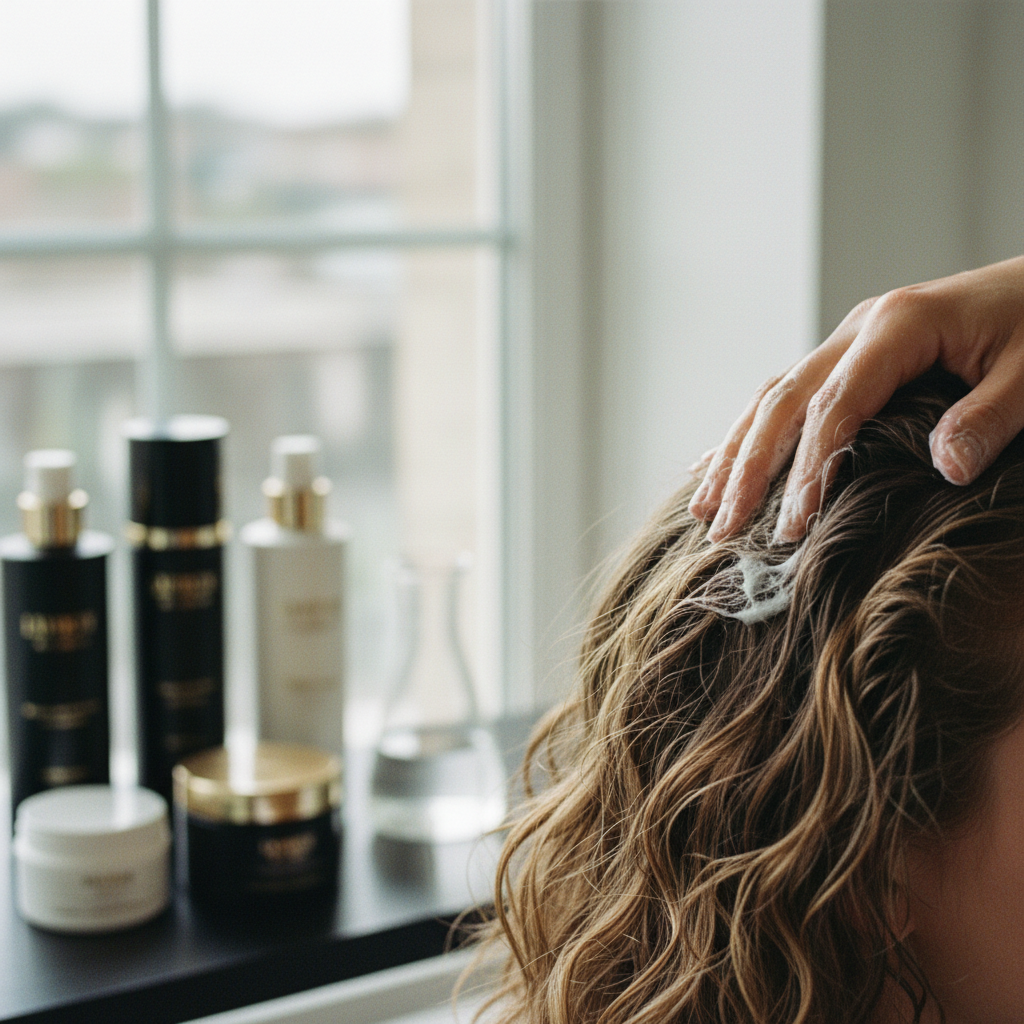
When you introduce styling products containing heavy film-formers, such as polyquaterniums, non-water-soluble dimethicones, and microcrystalline waxes, these substances adhere tenaciously to both the hair fibre and the skin surface. Over time, these artificial films intermingle with native sebum and shedding corneocytes, forming a dense, hydrophobic biofilm.
Controlled dermatological evaluations demonstrate that simple water rinsing or mild, low-surfactant co-washes fail to dislodge this composite residue. To clear it, you need targeted surfactant systems and keratolytics that lower interfacial tension, emulsify non-polar lipids, and break down keratinous bonds.
Understanding the mechanisms of scalp accumulation
Scalp residue does not stem from a single source. Instead, it accumulates through two primary biological and chemical pathways:
- Natural (endogenous) accumulation: The epidermis undergoes a continuous renewal cycle roughly every 28 days. Basal cells proliferate, migrate upward, lose their nuclei, and become flattened corneocytes that shed invisibly through natural desquamation. If desquamation is impaired, or if sebum production is excessively elevated (hyperseborrhoea), shedding cells cluster together into macroscopic plaques rather than separating freely.
- Product (exogenous) accumulation: Modern cosmetics rely on conditioning agents to soften the hair shaft. Cationic surfactants and polyquaternium polymers carry a positive charge that binds tightly to the negatively charged surface of hair keratin. Unfortunately, repeated application without adequate clarifying surfactants causes these compounds to deposit across the scalp epidermis as well. Here, they trap sweat, environmental soot, and sebum, preventing normal desquamation.
[Exogenous Polymers & Silicones]
 +
 [Oxidised Sebum] ===> Hydrophobic Biofilm ===> Follicular Occlusion
 + & Itching
[Desquamated Keratinocytes]
Signs of genuine scalp build-up
You can distinguish standard build-up from other issues by watching for a cluster of distinct physical signs:
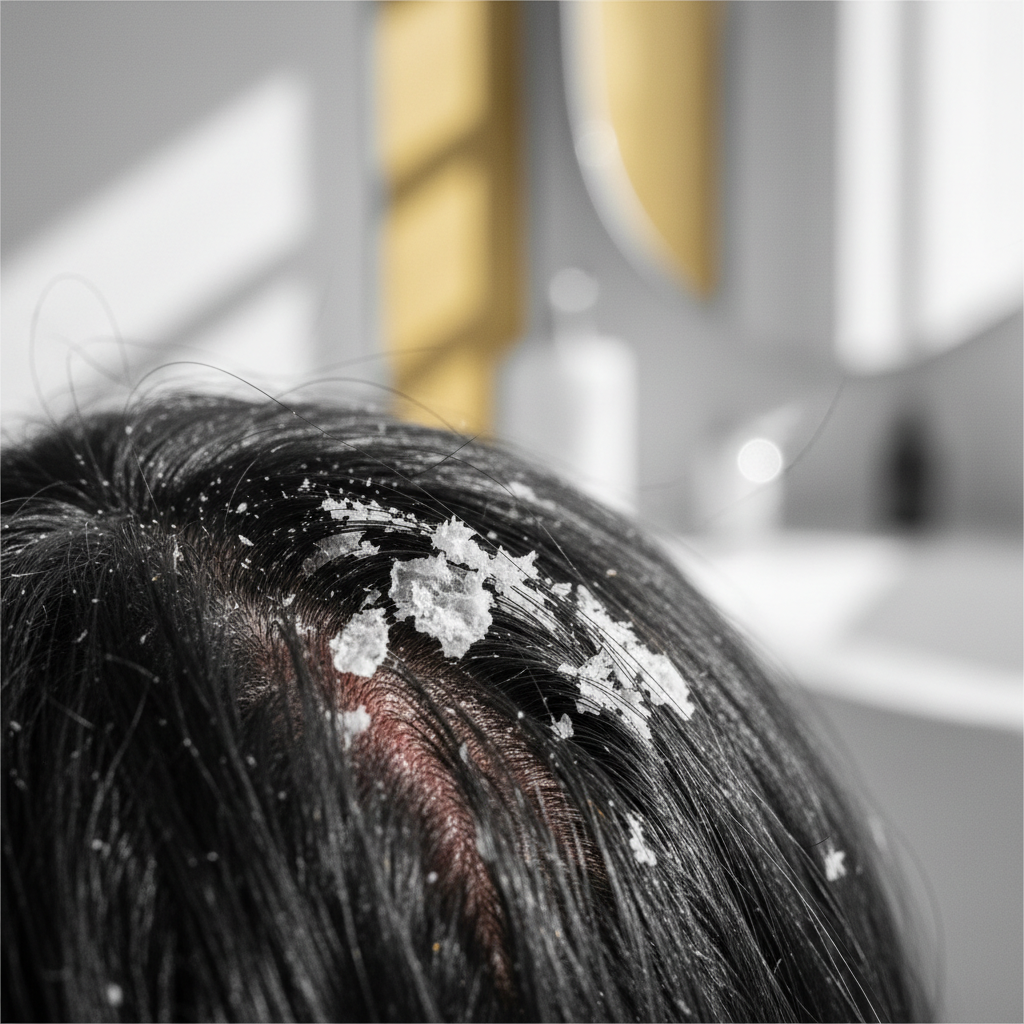
- A tacky or waxy film: Scraping the scalp gently with a clean fingernail yields a soft, greyish-white or pale yellow paste.
- Root weight and limpness: Hair feels greasy or weighed down immediately after drying, lacking volume at the root.
- Dullness along the fibre: Light reflection diminishes because a microscopically uneven polymer film coats the first few centimetres of the hair shaft.
- Mild, diffuse pruritus: The scalp feels mildly irritated or itchy due to trapped sweat and sebum oxidation products.
- Powdery dusting: Dry residue from aerosol starches or dry shampoos brushes off as fine, dry white specks that do not stick to the skin.
Step-by-step: how to clear and prevent residue
Managing build-up successfully involves a structured, multi-step regimen that clears current deposits and prevents rapid recurrence.
1. Incorporate an anionic clarifying wash
Standard sulphate-free or gentle conditioning cleansers often lack the micellar cleansing power required to detach persistent resins and waxes. Use a clarifying shampoo formulated with stronger anionic cleansers (such as sodium C14-16 olefin sulfonate or sodium laureth sulphate) once every 7 to 14 days, depending on your styling habits. Work the lather thoroughly across the scalp using your fingertips rather than your fingernails.
2. Apply chemical exfoliants (keratolytics)
Chemical exfoliants are significantly safer and more uniform than granular physical scrubs, which can create micro-tears in the epidermal barrier. Salicylic acid (a beta-hydroxy acid) is oil-soluble, meaning it penetrates deep into lipid-rich sebum within the follicular infundibulum. It acts by dissolving the desmosomes that glue stratum corneum cells together, facilitating smooth, invisible shedding. Leave-on or pre-wash salicylic acid solutions at 1% to 3% concentration once weekly offer reliable efficacy.
3. Utilise targeted chelating agents
If you wash your hair with hard water (water containing over 120 mg/L of dissolved calcium carbonate), minerals bind to fatty acids in your shampoo to create insoluble mineral salts (soap scum). Choose clarifying formulas containing chelating agents like tetrasodium EDTA or citric acid, which bind and neutralise these metal ions, washing them away cleanly.
4. Practice mechanical scalp stimulation
Using a flexible silicone scalp massager in gentle circular motions during washing helps break up dense plaques and increases the contact area of your clarifying cleanser. Keep pressure moderate to avoid mechanically induced hair breakage.
| Treatment Type | Primary Mechanism | Best Suited For | Typical Frequency |
|---|---|---|---|
| Clarifying Shampoo | High-micelle anionic surfactants lift hydrophobic polymers | Cosmetic product residue, heavy silicones, waxes | Every 7 to 14 days |
| Salicylic Acid (BHA) | Lipophilic keratolytic dissolves corneocyte adhesion | Sebum accumulation, flaking, oily scalp conditions | 1 to 2 times weekly |
| Chelating Treatment | Sequestering agents (EDTA, citric acid) bind mineral ions | Hard water mineral deposits, dullness, copper build-up | Once every 2 to 4 weeks |
| Mechanical Exfoliation | Physical friction dislodges superficial dead skin scales | Non-inflamed, thick, resilient scalps | Once weekly |
| Antimycotic Cleanser | Reduces Malassezia proliferation (zinc pyrithione, ketoconazole) | Seborrhoeic dermatitis, red plaques, oily yellow flakes | 2 to 3 times weekly (acute) |
What the evidence does not show
Several common myths surround scalp detoxification and exfoliation:
- Build-up directly causes permanent hair loss: Cosmetic residue coats the opening of the follicular infundibulum, but there is no clinical evidence that it causes irreversible follicular miniaturisation (androgenetic alopecia) or scarring alopecias. It may cause folliculitis or temporary telogen shedding if secondary inflammation becomes severe, but it does not destroy the dermal papilla.
- Physical salt or sugar scrubs are essential: Large, angular granules can easily lacerate the scalp epithelium and shear hair shafts at the root, leading to mid-shaft breakage rather than a cleaner scalp.
- You can "train" your scalp to stop producing sebum: Sebaceous gland activity is governed primarily by systemic androgens and genetic factors, not by washing frequency. While over-stripping can lead to superficial dryness and barrier dysfunction, leaving sebum to accumulate does not downregulate glandular lipid production.
When the cause is something else: differential diagnosis
Before pursuing aggressive cleansing techniques, you must ensure your symptoms are actually caused by product or sebum accumulation. Several clinical scalp disorders mimic simple build-up:
- Seborrhoeic Dermatitis: Characterised by greasy, yellowish scales anchored to well-demarcated erythematous (red) patches, frequently accompanied by intense burning or itching. It is driven by an inflammatory response to oleic acid metabolites produced by Malassezia yeasts.
- Scalp Psoriasis: Presents as thick, sharply demarcated, silvery-white plaques over red or violaceous skin. These scales are tightly adhered and can bleed if forcibly removed (Auspitz's sign).
- Pityriasis Capitis (Dandruff): Characterised by loose, dry, white or grey flakes that detach readily without marked underlying erythema.
- Contact Dermatitis: An allergic or irritant response to hair dyes, fragrances, or preservatives, causing widespread redness, swelling, burning, and micro-vesicles rather than simple physical crusting.
If you suspect any of these underlying conditions, physical scrubbing or harsh clarifying shampoos can aggravate the inflammation. Consult a dermatologist or qualified trichologist for targeted medical treatments such as topical corticosteroids, antifungals, or coal tar preparations.
Supporting your scalp environment with Watermans
Maintaining a balanced scalp environment requires cleansers that purify without degrading the protective lipid mantle. The Watermans collection offers balanced formulas, including the Grow Me Shampoo, which blends gentle cleansing agents with scalp-nourishing ingredients such as biotin, rosemary, caffeine, and niacinamide. This formulation cleanses surface impurities and washes away everyday grime while preserving optimal epidermal hydration, supporting a fresher, fuller-looking canopy.
Frequently asked questions about How to Treat Scalp Build-Up
Can apple cider vinegar effectively treat scalp build-up?
Diluted apple cider vinegar (roughly one part vinegar to eight parts water) carries a low pH of 3.0 to 4.0, which can help close the hair cuticle and dissolve minor mineral salts from hard water. However, it lacks the amphiphilic surfactant structures necessary to emulsify synthetic waxes and non-water-soluble silicones. It can serve as a mild clarifying rinse, but it cannot fully replace targeted surfactant cleansing.
How often should you treat scalp build-up if you have fine hair?
Fine hair possesses a smaller shaft diameter and fewer cuticle layers, making it particularly prone to being weighed down by cosmetic films. If you have fine hair and use styling products, use an anionic clarifying shampoo once every 7 days. If your scalp is naturally dry, extend this interval to every 10 to 14 days, applying conditioner strictly to the mid-lengths and ends.
What is the most reliable method for how to treat scalp build-up without drying hair?
The most reliable approach is "zone cleansing." Apply your clarifying or exfoliating treatment directly to the scalp skin using an applicator nozzle, massage it thoroughly into the roots, and avoid scrubbing the fragile mid-lengths and ends. When you rinse, the diluted lather flowing down the hair shaft will remove surface dust without stripping essential internal lipids from older fibres.
Does dry shampoo contribute to scalp build-up?
Yes, dry shampoos contribute significantly to build-up. Formulated with starches, talc, or silica, these aerosols absorb liquid sebum but do not remove it. The powder binds with oxidised lipids and sweat, settling onto the scalp surface as a paste. Relying on dry shampoo for multiple consecutive days without water-based cleansing is one of the leading drivers of follicular occlusion and scalp irritation.
Is it normal to experience hair shedding after clarifying the scalp?
A modest release of loose hair during clarifying is usually normal. Telogen hairs that have already detached from their follicular base can become physically glued to the scalp by sticky sebum and styling resins. When a clarifying cleanser dissolves these bonds, those pre-detached telogen hairs are finally washed away together, creating the temporary impression of heightened shedding.
Summary
Understanding how to treat scalp build-up is an essential component of comprehensive hair hygiene. By combining periodic anionic clarifying, targeted chemical exfoliation, and sensible product application, you can prevent follicular congestion, eliminate unappealing residues, and preserve the long-term health of your scalp ecosystem.
Sources and references
- American Academy of Dermatology. "Dandruff: How to treat." AAD Public Health Information, 2022.
- Dawber, R. "Diseases of the Hair and Scalp." Blackwell Science, 3rd Edition, 2018.
- Pierard-Franchimont, C., et al. "A multi-centre evaluation of the etiology of scaling scalp disorders." International Journal of Cosmetic Science, 2019. DOI: 10.1111/ics.12521.
- Robbins, C. R. "Chemical and Physical Behavior of Human Hair." Springer Science & Business Media, 5th Edition, 2012.
- Borda, L. J., & Wikramanayake, T. C. "Seborrheic Dermatitis and Dandruff: A Comprehensive Review." Journal of Clinical and Investigative Dermatology, 2015. DOI: 10.13188/2373-1044.1000019.
Find these ingredients in Watermans products
- Zinc: you will find this ingredient in our Hair Vitamins.
- Oleic Acid: you will find this ingredient in our Camellia & Black Castor Hair & Body Oil.
- Niacinamide: you will find this ingredient in our Hair Mask.