Sulfate Free Shampoo Benefits: The Complete Evidence-Based Guide
8 min read ·
Explore the proven Sulfate Free Shampoo Benefits, from preserving natural scalp oils and hair colour to minimising cuticle breakage and soothing sensitive skin.
Quick answer: The primary Sulfate Free Shampoo Benefits stem from gentler cleansing that preserves natural sebum, minimises structural protein loss, and prevents premature colour fading. Because these formulas swap aggressive anionic surfactants for mild alternatives, they protect sensitive scalps and reduce cuticle disruption along the hair shaft. However, their main limitation is reduced cleansing power. They struggle to remove heavy silicones, mineral build-up, and stubborn styling waxes, which means oily scalps may require periodic clarifying washes.
Key takeaways
- Sulfate-free cleansers rely on amphoteric, non-ionic, or milder anionic surfactants to clean hair without aggressively stripping protective lipids.
- Key advantages include reduced scalp irritation, prolonged cosmetic hair colour longevity, and less mechanical breakage on dry or porous hair.
- The absence of sulfates does not prevent genetic or follicular hair loss, nor does it guarantee a formula is entirely non-irritating.
- Individuals with very oily scalps, seborrhoeic dermatitis, or heavy product routines may experience build-up if they rely exclusively on mild formulas.
- Cosmetic performance depends on the entire formulation, including pH balance and conditioning agents, rather than just the presence or absence of sulfates.
Sulfate Free Shampoo Benefits: what the evidence shows
When discussing Sulfate Free Shampoo Benefits, cosmetic chemists focus on the interaction between surfactants and the hair fibre's protective lipid layer. Standard cleansing agents such as sodium lauryl sulfate (SLS) and sodium laureth sulfate (SLES) are potent anionic detergents. They lower the surface tension of water exceptionally well, solubilising dirt and oils rapidly. However, clinical and cosmetic dermatological research shows that strong sulfates also strip essential structural lipids, specifically 18-methyleicosanoic acid (18-MEA), from the hair cuticle.
By contrast, sulfate-free shampoos utilise milder alternatives such as sodium cocoyl isethionate, cocamidopropyl betaine, and decyl glucoside. These surfactants have larger micelle structures and lower critical micelle concentrations, making them significantly less prone to penetrating the stratum corneum of the scalp or excessively stripping internal keratin bonds.
Peer-reviewed evaluations in the International Journal of Trichology and the Journal of Cosmetic Dermatology reveal clear functional advantages:
- Cuticle preservation: Mild cleansers produce less friction during washing, keeping the imbricated cuticle scales flat and intact, which reduces surface roughness.
- Colour retention: Without aggressive detergents swelling the hair shaft, artificial colour molecules (particularly semi-permanent and demi-permanent dyes) stay anchored within the cortex for more wash cycles.
- Scalp barrier support: Sulfate-free surfactants cause less swelling and disruption to the skin's lipid matrix, helping to maintain hydration and reduce transepidermal water loss (TEWL).
- Moisture retention: Dry, curly, or chemically processed hair retains more flexural strength because the natural sebum coating the shaft is not entirely stripped away.
| Cleansing Agent Type | Common Surfactant Examples | Relative Cleansing Power | Irritation Potential | Best Suited For |
|---|---|---|---|---|
| Primary Sulfates | Sodium Lauryl Sulfate (SLS), Ammonium Lauryl Sulfate (ALS) | Very High | High | Deep clarifying, highly resilient or greasy scalps |
| Ethoxylated Sulfates | Sodium Laureth Sulfate (SLES), Ammonium Laureth Sulfate (ALES) | High | Moderate to Low | General cleansing, moderate oil levels |
| Mild Anionics (Sulfate-Free) | Sodium Cocoyl Isethionate, Disodium Laureth Sulfosuccinate | Moderate to High | Low | Dry hair, coloured hair, frequent washing |
| Amphoterics & Non-ionics | Cocamidopropyl Betaine, Decyl Glucoside, Coco-Glucoside | Moderate to Gentle | Very Low | Sensitive scalps, curly textures, fragile hair |
What the evidence does not show
Popular marketing often claims that removing sulfates from your routine will instantly stop hair loss, accelerate growth, or detoxify the scalp. Dermatological evidence does not support these claims.
Hair shedding (such as telogen effluvium) and pattern hair loss (androgenetic alopecia) originate deep within the hair follicle, beneath the scalp surface. Sulfates do not cause genetic hair thinning, nor does switching to a sulfate-free alternative reverse it. While standard sulfates can cause scalp dryness or contact dermatitis, which might exacerbate surface inflammation, they do not disrupt the follicular growth cycle.
Furthermore, "sulfate-free" is not synonymous with "100% natural" or "hypoallergenic". A sulfate-free shampoo can still contain synthetic fragrances, harsh preservatives, or botanical extracts that cause allergic contact dermatitis in sensitive individuals.
The mechanism: how surfactants interact with hair and scalp
Every shampoo works by bridging the gap between oil and water. Surfactants have a hydrophilic (water-attracting) head and a lipophilic (oil-attracting) tail. During lathering, the tails bind to sebum, styling products, and environmental debris, forming spheres called micelles that rinse away with water.
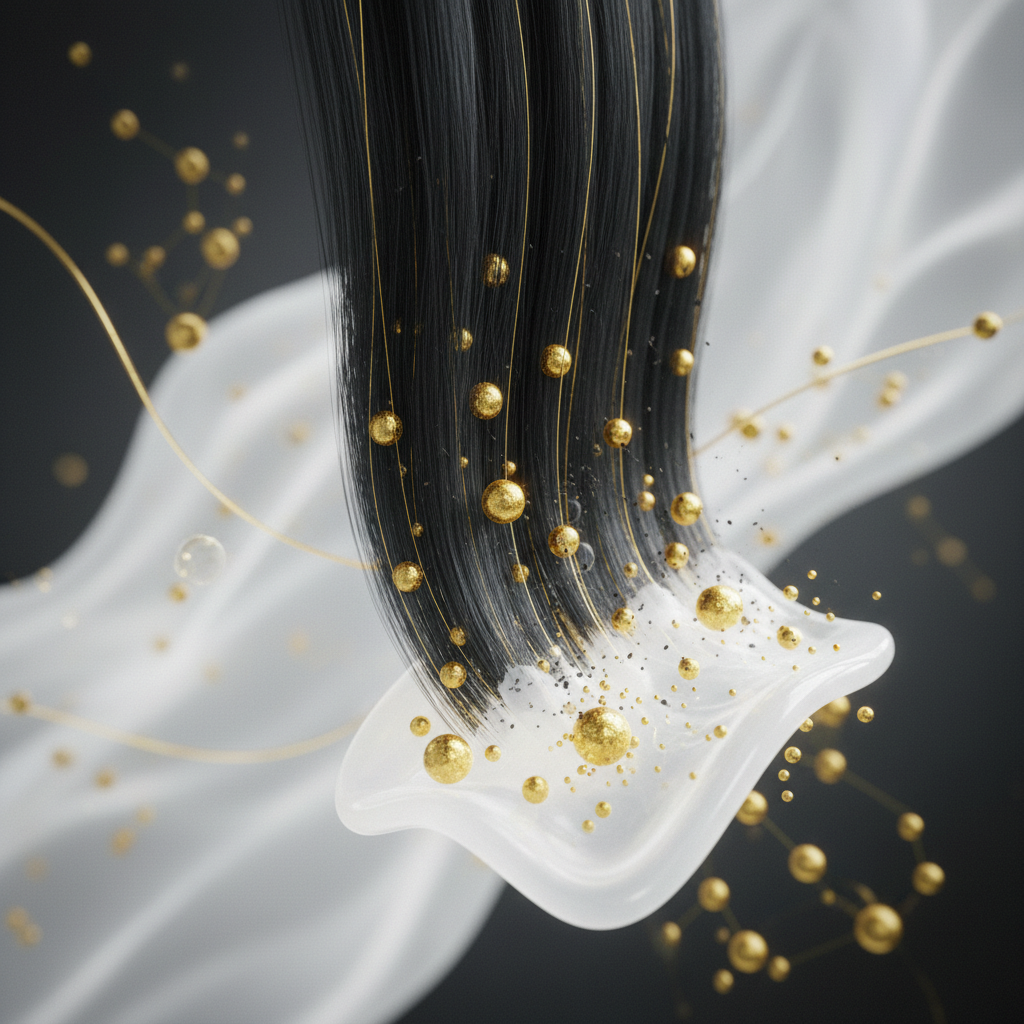
Strong anionic sulfates possess small, negatively charged head groups. Their small size allows them to slip into the cellular membrane complex of the hair cuticle and the stratum corneum of the scalp. Once inside, they denature proteins and dissolve intercellular lipids. The hair fibre swells, the cuticle edges lift, and the shaft becomes rough, leading to tangles and friction-induced breakage.
Sulfate-free alternatives feature bulkier head groups and varied charges (such as non-ionic or amphoteric designs). Because of their physical geometry, they cannot easily penetrate tight protein networks. They trap surface oils without stripping the deep-seated fatty acids that keep the hair pliable and the scalp microbiome balanced.
Signs you may benefit from a sulfate-free shampoo
Switching your cleansing formula can dramatically improve manageability if you recognise certain recurring issues. You are likely to experience noticeable Sulfate Free Shampoo Benefits if you experience:
- Persistent scalp tightness, itching, or redness within hours of washing.
- Chronic frizz and dullness, especially on naturally textured, wavy, or coily hair.
- Artificial colour that washes out rapidly, shifting tones within two to three weeks.
- Increased hair breakage along the mid-lengths and ends during post-wash detangling.
- Fine, fragile hair that feels straw-like or dry despite using rich conditioners.
When the cause may be something else
If your hair remains persistently brittle, unmanageable, or shedding excessively after changing shampoos, surfactants may not be the root issue.
Hard water is a common culprit. High concentrations of calcium and magnesium ions bind to hair proteins, forming an insoluble film that feels dry and resists moisture, regardless of your shampoo chemistry. Similarly, chemical treatments such as permanent bleaching, perming, or high-heat styling cause permanent structural damage to the disulfide bonds inside the cortex, which gentle cleansers cannot fully repair alone.
If you notice significant shedding on your pillow, in the shower drain, or widening at your hair parting, consult a GP or registered trichologist. Follicular changes generally stem from hormonal shifts, nutritional deficiencies (such as iron or ferritin depletion), thyroid imbalances, or autoimmune conditions.
Balancing gentle cleansing with build-up prevention
Because sulfate-free surfactants clean with less aggression, they do not dissolve heavy, non-water-soluble silicones (such as dimethicone) or thick styling waxes as efficiently as standard shampoos.
To maintain healthy hair while using a sulfate-free wash:
- Emulsify the shampoo thoroughly in your hands with plenty of water before applying it to your scalp. Sulfate-free formulas require more water, not more product, to distribute evenly.
- Focus your application strictly on the scalp, massaging with your fingertips for at least 60 seconds to break down oils mechanically.
- If you use heavy styling products, consider using an effective clarifying shampoo once every two to four weeks to reset the hair canvas and prevent follicle congestion.
- Pair your wash with conditioners containing lightweight emollients that rinse cleanly without suffocating the hair fibre.
Education and targeted haircare: the Watermans approach
Modern cosmetic science focuses on balanced, complete formulations rather than simply removing individual ingredients. At Watermans, the emphasis is placed on supporting the scalp environment while delivering cosmetic density, strength, and vitality to the hair fibre.
Formulations that respect the skin barrier while incorporating purposeful ingredients, such as caffeine, biotin, argan oil, and rosemary extract, provide hair that feels fuller and resists everyday mechanical breakage. When a cleanser is engineered to protect the hair fibre from harsh cleansing cycles, the strands retain optimal moisture and manageability over time.
Frequently asked questions about Sulfate Free Shampoo Benefits
What are the main Sulfate Free Shampoo Benefits for colour-treated hair?
The biggest advantage for colour-treated hair is reduced pigment leaching. Strong sulfates cause the hair shaft to swell substantially in water, lifting the outer cuticle scales and allowing artificial dye molecules to escape. Sulfate-free shampoos cleanse the surface gently at a balanced pH, helping the cuticle stay closed so colour retains its vibrancy, depth, and shine for significantly longer.
Can a sulfate-free shampoo cause scalp build-up?
Yes, if used improperly or paired with heavy styling products. Because sulfate-free cleansers are mild, they can struggle to dissolve non-water-soluble silicones, mineral residues from hard water, and heavy waxes. Over time, this can lead to product build-up on the scalp, occasionally causing dullness or irritation. Rotating in a clarifying cleanser periodically helps prevent this issue.
Will switching to a sulfate-free formula stop my hair falling out?
No. Anionic sulfates wash away surface oil and dirt; they do not cause follicular hair loss, nor does eliminating them reverse thinning. Conditions such as androgenetic alopecia and telogen effluvium are driven by genetics, hormones, stress, or underlying physiological factors. A sulfate-free shampoo helps reduce mechanical breakage along the hair shaft, making hair look healthier, but it cannot treat true biological hair loss.
Do sulfate-free shampoos lather as well as traditional formulas?
Generally, no. Sulfates create the rapid, dense foam that many people associate with cleanliness. Sulfate-free alternatives produce a finer, creamier lather. However, lather volume does not determine cleansing capability. Adding extra water to your hair rather than applying more shampoo will help distribute sulfate-free cleansers evenly across the scalp and activate their gentle foam.
Choosing the right cleansing routine
Understanding Sulfate Free Shampoo Benefits allows you to make an informed choice based on your specific hair texture, scalp condition, and styling habits. Moving away from aggressive detergents helps maintain essential cuticle lipids, calms reactive scalps, and prolongs the life of cosmetic colour. While sulfate-free cleansers are not a universal cure for every hair challenge or medical scalp condition, they provide a gentle, barrier-friendly foundation for strong, pliable, and radiant hair.
Sources and references
- International Journal of Trichology: "Shampoo and Conditioners: What a Dermatologist Should Know?" (2015).
- Journal of Cosmetic Dermatology: "Surfactant interactions with human hair and skin: A review of cleansing mechanisms and barrier function" (2018).
- British Association of Dermatologists: "Hair Cleansing and Scalp Care Guidelines" (2021).
- Contact Dermatitis: "Skin barrier alterations induced by sodium lauryl sulphate and milder surfactant alternatives" (2017).
Find these ingredients in Watermans products
- Biotin: you will find this ingredient in our Hair Growth Shampoo.