Shampooing: A Comprehensive Guide
5 min read ·
Shampooing is the essential first step in most haircare routines, designed to cleanse the hair and scalp of oils, dirt, and product buildup.
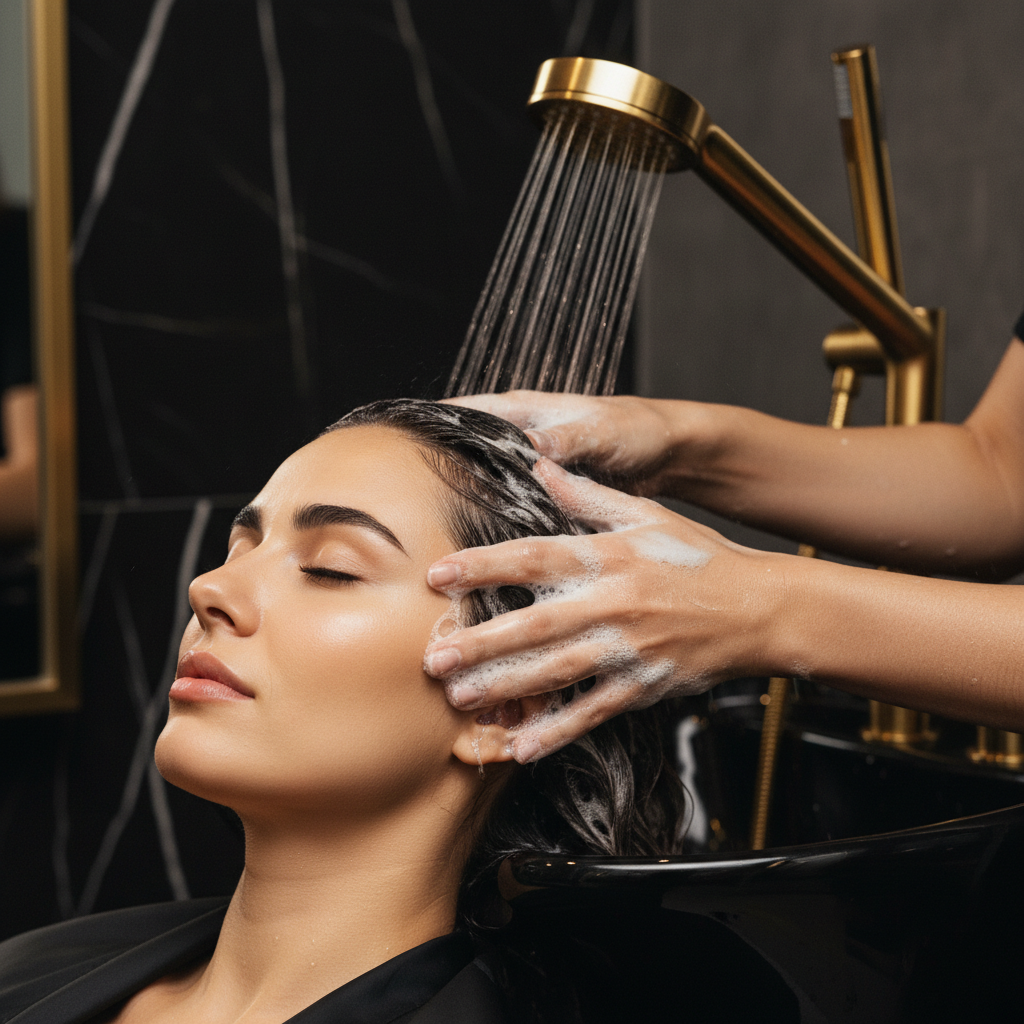
Understanding Shampooing
Shampooing is the process of washing the hair and scalp with shampoo, a specialized cleansing product. The primary purpose is to remove excess sebum (the natural oil produced by the scalp), dead skin cells, environmental pollutants, and product residue that can accumulate on the hair and scalp.
The Science of Cleansing
Shampoos achieve their cleansing action through the use of surfactants, short for "surface-active agents." These molecules have a dual nature: one end is hydrophilic (water-attracting) and the other is lipophilic (oil-attracting). When shampoo is applied to wet hair, the lipophilic ends of the surfactant molecules attach to oil and dirt particles. As water is rinsed through the hair, the hydrophilic ends allow these encapsulated oil and dirt particles to be carried away, leaving the hair and scalp clean.
Types of Surfactants
Surfactants vary in their strength and lathering properties. Common types include:
- Anionic Surfactants: These are strong cleansers and produce abundant lather. Examples include Sodium Lauryl Sulfate (SLS) and Sodium Laureth Sulfate (SLES). They are effective at removing heavy buildup but can be more stripping for some hair types.
- Amphoteric Surfactants: Milder than anionic surfactants, they are often used in conjunction with stronger surfactants to reduce irritation and enhance lather stability. Cocamidopropyl Betaine is a common example.
- Non-ionic Surfactants: Very mild and often used in sulfate-free formulations or baby shampoos. They produce less lather but are effective at gentle cleansing.
The Ideal Shampooing Frequency
The optimal frequency for shampooing varies greatly from person to person, influenced by hair type, scalp condition, lifestyle, and environmental factors. There is no universally "correct" frequency.
- Oily Scalp: Individuals with an oily scalp may need to shampoo daily or every other day to manage excess sebum and prevent greasiness.
- Normal to Dry Scalp: For those with normal to dry scalps, shampooing every 2-3 days might be sufficient. Over-shampooing can strip natural oils, leading to dryness and potential irritation.
- Thick, Coarse, or Curly Hair: These hair types tend to be drier and can often go longer between washes without becoming oily, sometimes 3-5 days or more. Infrequent washing helps retain natural moisture.
- Fine or Thin Hair: Fine hair can sometimes appear greasier more quickly due to less hair surface area to absorb oils, requiring more frequent washing.
- Lifestyle: Factors like regular exercise, hot and humid climates, or occupational exposure to dirt and pollutants may necessitate more frequent shampooing.
Listening to Your Hair and Scalp
The best indicator for shampooing frequency is how your hair and scalp feel. If your hair feels greasy, heavy, or appears dull, it's likely time to wash. Conversely, if your scalp feels tight, itchy, or your hair feels overly dry, you might be shampooing too often or with too strong a product.
The Shampooing Process
For effective and gentle cleansing, follow these steps:
- Wet Hair Thoroughly: Ensure hair is completely saturated with lukewarm water. This helps to distribute the shampoo evenly and activate the surfactants.
- Apply Shampoo: Dispense a small amount of shampoo into your palm (typically a coin-sized amount for medium-length hair, adjust for shorter or longer hair). Emulsify it between your hands before applying.
- Focus on the Scalp: Gently massage the shampoo into your scalp using the pads of your fingertips, not your fingernails. Work in circular motions to loosen dirt, oil, and buildup. The lather will naturally cleanse the mid-lengths and ends as it rinses.
- Rinse Thoroughly: This is a critical step. Rinse hair with lukewarm water until the water runs clear and no suds remain. Residual shampoo can weigh hair down and irritate the scalp.
- Condition (Optional, but Recommended): Following shampoo, apply a conditioner, focusing on the mid-lengths and ends to re-moisturise and detangle.
Common Shampooing Mistakes
Avoiding these common errors can significantly improve your hair's health and appearance:
- Using Too Much Product: Excessive shampoo does not clean better and can lead to residue buildup, making hair feel heavy or dull. It also wastes product.
- Over- scrubbing the Scalp: Aggressive scrubbing can irritate the scalp, potentially leading to increased oil production or even minor abrasions.
- Not Rinsing Enough: Incomplete rinsing leaves product residue, which can make hair look dull, feel greasy, or cause scalp irritation.
- Applying Shampoo Directly to Ends: The ends of the hair are typically the driest and most fragile. They do not require direct shampoo application; the lather running down will be sufficient.
- Using Hot Water: While hot water can feel relaxing, it can strip too much natural oil from the hair and scalp, leading to dryness. Lukewarm water is ideal.
Choosing the Right Shampoo
Selecting a shampoo appropriate for your hair and scalp type is crucial. Consider the following:
- For Oily Hair: Look for clarifying shampoos or those designed to balance sebum production. These often contain stronger surfactants.
- For Dry or Damaged Hair: Opt for moisturising or hydrating shampoos that contain gentle surfactants and nourishing ingredients like natural oils or humectants.
- For Fine Hair: Volumizing shampoos are formulated to add body without weighing hair down.
- For Thick or Coarse Hair: Richer, smoothing, or anti-frizz shampoos can help manage texture and add moisture.
- For Colour-Treated Hair: Sulfate-free shampoos are often recommended as they are gentler and can help preserve hair colour longer.
- For Sensitive Scalps: Hypoallergenic or fragrance-free formulations with very mild surfactants are advisable to minimise irritation.
| Hair/Scalp Type | Recommended Shampoo Characteristics |
|---|---|
| Oily | Clarifying, oil-balancing, strong surfactants |
| Dry/Damaged | Moisturizing, hydrating, gentle surfactants |
| Fine/Thin | Volumizing, lightweight |
| Thick/Coarse | Smoothing, anti-frizz, rich moisture |
| Colour-treated | Sulfate-free, colour-safe |
| Sensitive Scalp | Hypoallergenic, fragrance-free, mild surfactants |
Watermans Grow Me Shampoo and Watermans Grow More Conditioner are formulated with a blend of ingredients designed to support hair health and growth, suitable for various hair types.