The Complete Guide to Shampoo and Conditioner
5 min read ·
Understanding the distinct roles of shampoo and conditioner is fundamental to maintaining healthy hair and scalp hygiene.
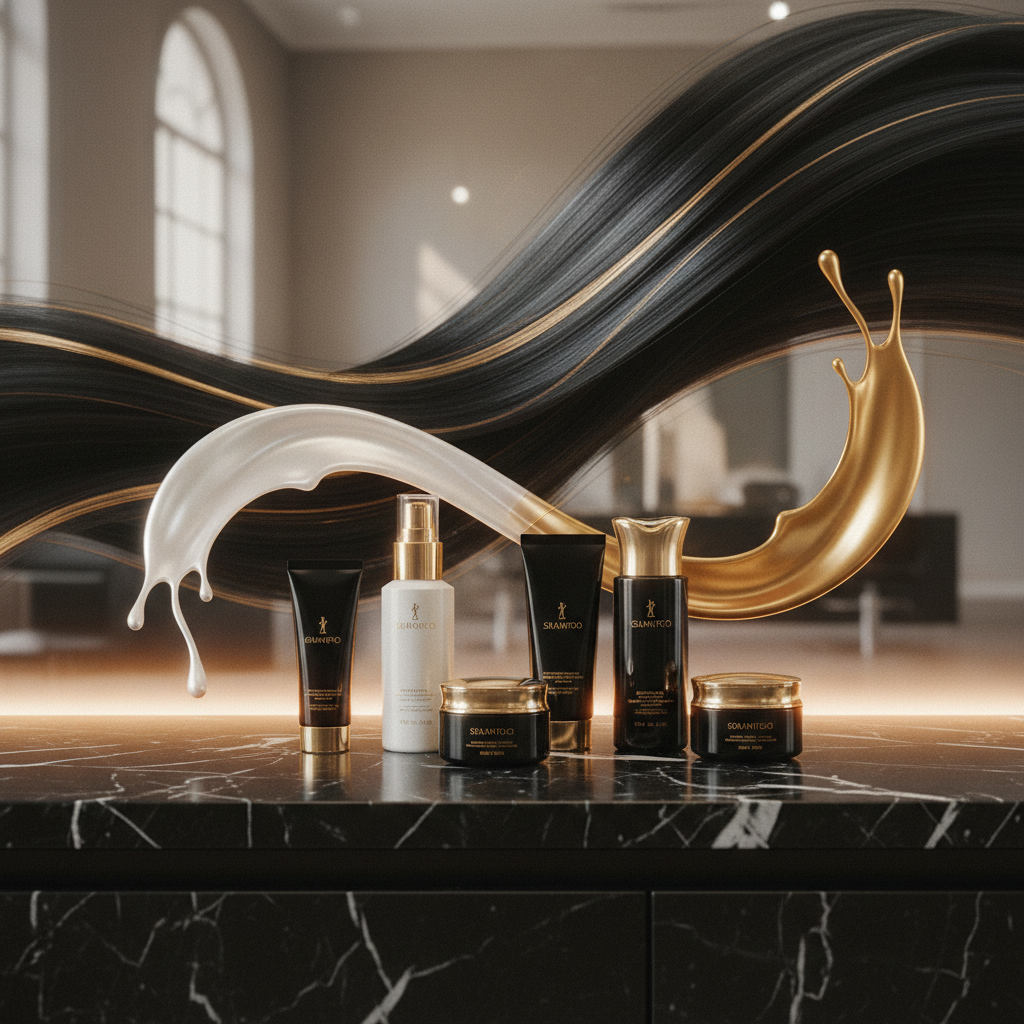
The Fundamentals of Hair Cleansing
Shampoo and conditioner are the cornerstones of a haircare routine, each serving a unique yet complementary purpose. Shampoo is designed primarily for cleansing the hair and scalp, removing dirt, oil, product buildup, and environmental pollutants. Conditioner, conversely, focuses on hydration, detangling, and protecting the hair strands.
How Shampoo Works
Shampoo formulations consist of several key ingredients, with surfactants being the most active. Surfactants are molecules that have both a water-attracting (hydrophilic) and an oil-attracting (lipophilic) end. When shampoo is applied to wet hair, the lipophilic ends of the surfactants bind to the oils and dirt on the hair and scalp. As water is introduced, the hydrophilic ends allow these oil- and dirt-laden molecules to be rinsed away, effectively cleansing the hair.
Common types of surfactants include:
- Anionic surfactants: These are strong cleansers and produce significant lather, but can sometimes be harsher. Examples include Sodium Lauryl Sulfate and Sodium Laureth Sulfate.
- Amphoteric surfactants: Milder than anionic surfactants, they are often used in combination with other surfactants to reduce irritation. Cocamidopropyl Betaine is a common example.
- Non-ionic surfactants: Very mild, they are often used in shampoos for sensitive scalps or in low-lather formulations.
The typical pH range for shampoo is between 5.5 and 6.5, which is slightly acidic and close to the natural pH of the hair and scalp (approximately 4.5 to 5.5). Maintaining this acidic environment helps to keep the hair cuticle, the outermost protective layer of the hair shaft, closed and smooth, thus reducing frizz and increasing shine.
The Purpose of Conditioner
Conditioner works by depositing beneficial ingredients onto the hair shaft, primarily to moisturise, detangle, and protect. The main active components in most conditioners are cationic surfactants (also known as quats, short for quaternary ammonium compounds). These positively charged molecules are attracted to the negatively charged damaged areas of the hair shaft, where they adhere and form a protective, smoothing film. This film helps to lay down the hair's cuticle, which can be raised and roughened by shampooing or damage.
Key benefits of conditioning include:
- Moisture retention: Conditioners help to seal moisture into the hair, preventing dryness and brittleness.
- Detangling: By smoothing the cuticle, conditioners reduce friction between hair strands, making it easier to comb through.
- Improved manageability: Hair becomes softer, smoother, and less prone to tangles and knots.
- Enhanced shine: A smoothed cuticle reflects light more effectively, leading to increased shine.
- Protection: Some conditioners offer protection against environmental aggressors, heat styling, and mechanical damage.
The pH of most conditioners ranges from 3.5 to 5.0, making them more acidic than shampoos. This acidity further helps to close the hair cuticle, locking in moisture and leaving the hair smooth and shiny.
Types of Shampoos and Conditioners
Formulations vary widely to address different hair types and concerns.
Common Shampoo Types
- Clarifying shampoos: Designed for deep cleansing, these shampoos contain stronger surfactants to remove heavy product buildup, hard water minerals, and excess oil. They are typically used periodically rather than daily.
- Moisturizing shampoos: Formulated with humectants (ingredients that attract moisture, like glycerin) and emollients (ingredients that soften and smooth, like natural oils), these are ideal for dry, coarse, or damaged hair.
- Volumizing shampoos: These often contain lighter conditioning agents and polymers that coat the hair shaft, making it appear fuller without weighing it down.
- Sulfate-free shampoos: These shampoos use gentler, non-sulfate surfactants, making them suitable for colour-treated hair or sensitive scalps, as they cleanse without stripping natural oils or colour.
- Hair growth shampoos: These formulations are designed to stimulate the scalp and improve the hair growth cycle. They often contain ingredients like biotin, caffeine, and hydrolyzed lupin protein, which are known to promote a healthy scalp environment and support stronger hair follicles.
Common Conditioner Types
- Rinse-out conditioners: The most common type, applied after shampooing and rinsed out after a few minutes.
- Leave-in conditioners: Lighter formulations, these are applied to damp hair and not rinsed out, providing continuous hydration and protection, especially beneficial for dry or curly hair.
- Deep conditioners (hair masks): More intensive treatments, these contain a higher concentration of conditioning agents and are typically left on for a longer period (5 to 20 minutes) to provide deep nourishment and repair.
- Co-wash (conditioner wash): A conditioning cleanser that omits traditional shampoo surfactants entirely, offering a very gentle cleanse while conditioning simultaneously. Popular for very dry, curly, or coily hair types.
Choosing the Right Products
Selecting the appropriate shampoo and conditioner depends largely on your hair type, scalp condition, and specific concerns. It is possible to mix and match; for example, if you have an oily scalp but dry ends, you might use a clarifying or balancing shampoo followed by a moisturising conditioner applied primarily to the mid-lengths and ends.
Consider the following factors:
- Hair Type: Is your hair fine, thick, straight, wavy, curly, or coily?
- Scalp Condition: Is your scalp oily, dry, sensitive, or prone to dandruff?
- Hair Concerns: Is your hair dry, damaged, colour-treated, thinning, or prone to frizz?
| Hair Type/Concern | Recommended Shampoo Type | Recommended Conditioner Type |
|---|---|---|
| Oily scalp, fine hair | Volumizing, balancing | Lightweight rinse-out |
| Dry, coarse, damaged hair | Moisturizing, sulfate-free | Deep conditioner, leave-in |
| Colour-treated hair | Sulfate-free, colour-safe | Colour-safe, moisturising |
| Thinning hair | Hair growth, volumizing | Lightweight, fortifying |
| Curly/Coily hair | Moisturizing, co-wash | Deep conditioner, leave-in |
It is always advisable to read product labels and ingredient lists to understand what you are applying to your hair. Regular use of high-quality, targeted products will significantly contribute to hair health and appearance.
Find these ingredients in Watermans products
- Biotin, you will find this ingredient in our Hair Growth Shampoo.