Sebum and Scalp Oil: Understanding Your Scalp's Natural Protector
11 min read ·
Sebum and scalp oil are terms often used interchangeably to describe the natural, waxy substance produced by sebaceous glands that coats your scalp and hair. This protective layer is crucial for maintaining hair moisture, flexibility, and overall scalp health, but imbalances can lead to common hair concerns.
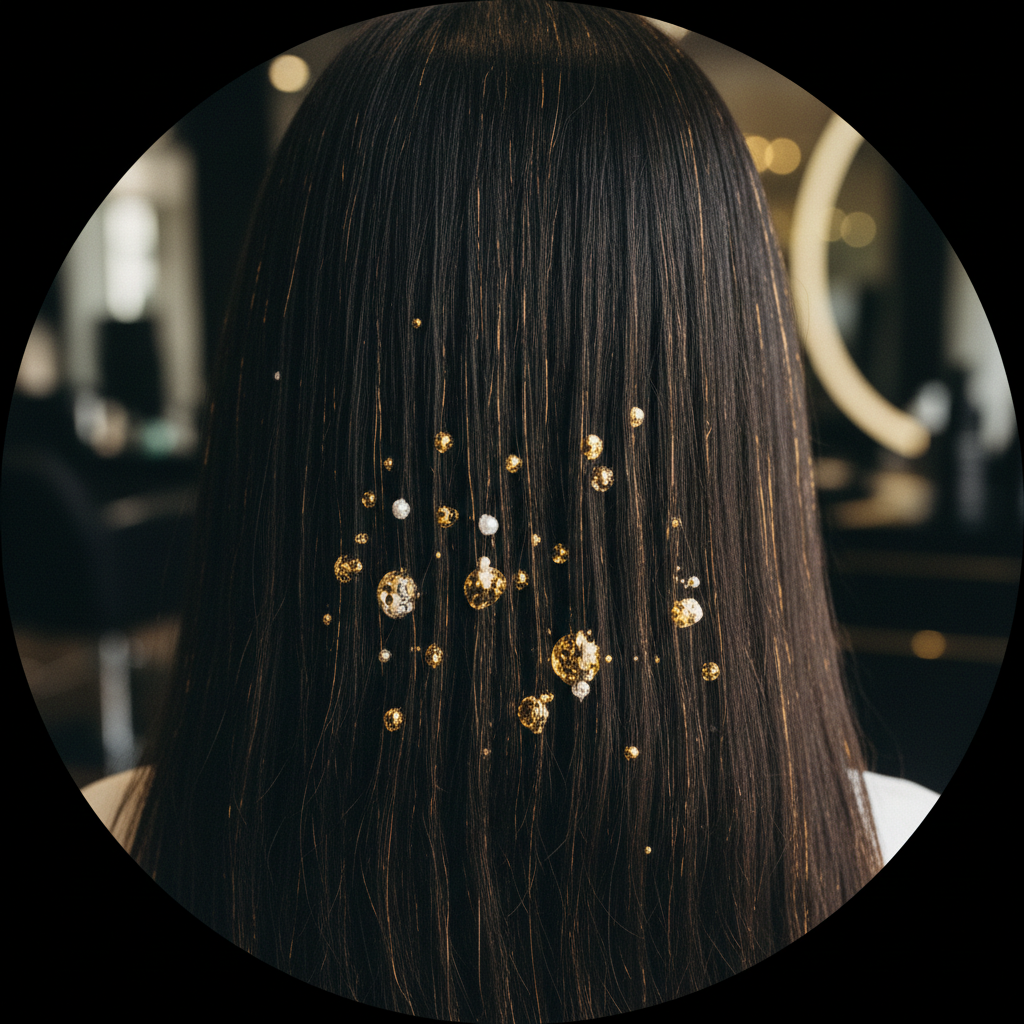
Quick answer: Sebum and scalp oil refers to the natural, waxy substance secreted by sebaceous glands in the skin, particularly abundant on the scalp. This essential oil lubricates hair, helps retain moisture, and forms a protective barrier for the scalp. However, its production is influenced by genetics and hormones, and an imbalance, either too much or too little, can lead to various scalp and hair health concerns, affecting hair appearance and comfort. Understanding its role is key to effective hair care.
Key takeaways
- Sebum, often called scalp oil, is a vital natural lipid mixture produced by sebaceous glands on your scalp.
- Its primary functions are to lubricate hair, moisturise the scalp, and provide a protective barrier against environmental factors and water loss.
- Hormones (especially androgens), genetics, age, and some medical conditions significantly influence sebum production rates.
- Both excessive sebum production (oily scalp) and insufficient production (dry scalp) can lead to distinct scalp and hair issues, including dandruff, irritation, and changes in hair texture.
- Effective management of sebum and scalp oil involves tailored hair care routines, suitable product choices, and understanding individual scalp needs.
- Maintaining a balanced level of sebum is crucial for optimal hair health, reducing breakage, and promoting a comfortable scalp.
Sebum and Scalp Oil: What the Evidence Shows
Sebum and scalp oil are essentially the same thing, referring to the complex, naturally occurring mixture of lipids produced by the sebaceous glands within your skin. These microscopic glands are particularly concentrated on the scalp and face, playing a critical role in maintaining skin and hair health. Sebum is not just a simple oil; it is a sophisticated blend primarily composed of triglycerides, wax esters, squalene, and cholesterol, alongside smaller amounts of free fatty acids and ceramides. This unique composition allows it to perform its protective and conditioning functions effectively.
From the moment hair emerges from the follicle, it becomes coated with sebum. This coating serves several vital purposes. It acts as a natural lubricant for the hair shaft, imparting a healthy shine and making hair feel softer and more pliable. By forming a thin, protective film, sebum also helps to reduce water loss from the scalp, keeping the skin hydrated and flexible. This barrier also offers a degree of protection against external aggressors such as environmental pollutants and potentially, ultraviolet (UV) radiation, although specific SPF protection is negligible.
The production of sebum is a dynamic biological process, primarily controlled by hormones, particularly androgens like testosterone. This explains why sebum production often increases during puberty, when androgen levels surge, and why it can fluctuate throughout an individual's life due to hormonal shifts, such as during pregnancy or menopause. Genetic predisposition also plays a significant role; some individuals naturally produce more sebum than others, leading to an inherently oilier scalp type. Age is another factor, with sebum production generally peaking in adolescence and early adulthood, and often decreasing with advancing age, contributing to drier skin and scalp in later life.
Environmental factors, including humidity and temperature, can indirectly influence how sebum behaves on the scalp and hair, affecting how quickly it spreads or how it feels. However, these external factors generally have less impact on the actual rate of sebum production compared to internal hormonal and genetic influences. Diet's direct impact on sebum production is an area where evidence is mixed; while a balanced diet is crucial for overall health, controlled research has not found a direct, strong link between specific dietary components and sebum output, though indirect effects through hormonal pathways are possible.
What Too Much or Too Little Sebum Means for Your Hair
Maintaining the right balance of sebum and scalp oil is crucial for a healthy scalp and vibrant hair. Both an excess and a deficiency in sebum production can lead to distinct and sometimes uncomfortable scalp and hair concerns.
Excess Sebum: The Oily Scalp
An overproduction of sebum leads to what is commonly known as an oily or greasy scalp. When the sebaceous glands are highly active, they can secrete more oil than necessary, resulting in hair that quickly appears slick, heavy, and potentially dull. This isn't just a cosmetic issue; excess sebum creates a nutrient-rich environment on the scalp that can foster the overgrowth of certain microorganisms, most notably Malassezia globosa, a yeast naturally present on the scalp. An abundance of sebum provides ample food for Malassezia, which can contribute to conditions like dandruff and seborrhoeic dermatitis. These conditions manifest as itching, redness, and flaky patches on the scalp.
Furthermore, excess sebum can mix with dead skin cells and environmental debris, potentially clogging hair follicles. This blockage can sometimes lead to inflammation and bacterial growth, a condition known as folliculitis, characterised by small, red, itchy bumps or pustules around hair follicles. While excess sebum does not directly cause hair loss (alopecia), it can create an unhealthy scalp environment that may indirectly impact hair health, potentially leading to increased hair shedding or making existing hair loss conditions feel worse due to discomfort and inflammation.
Insufficient Sebum: The Dry Scalp
Conversely, a lack of sufficient sebum production results in a dry scalp. Without adequate lubrication, the scalp's natural barrier function is compromised, leading to increased transepidermal water loss. This can make the scalp feel tight, itchy, and uncomfortable, and often results in fine, white, powdery flakes that are distinct from the larger, oilier flakes associated with dandruff caused by Malassezia overgrowth. A dry scalp is more prone to irritation and can feel sensitive.
For the hair, insufficient sebum means a lack of its natural conditioning and protective benefits. Hair can become dry, rough, and lack natural shine. It may feel brittle and be more susceptible to breakage, as the protective lipid coating that helps maintain hair shaft integrity is diminished. This can also make hair more prone to tangling and frizz, as the cuticles may not lie as flat without sufficient lubrication. While a dry scalp doesn't directly cause hair loss, the associated itching and scratching can lead to mechanical damage to the hair follicles, potentially contributing to increased hair shedding.
How to Manage Sebum and Scalp Oil Imbalances
Managing sebum and scalp oil effectively involves understanding your individual scalp type and adopting a tailored hair care routine. The aim is not to eliminate sebum entirely, but to balance its production and distribution to support optimal scalp and hair health.
For an Oily Scalp
If you experience an oily scalp, the primary goal is to cleanse effectively without over-stripping, which can paradoxically trigger increased oil production. Regular washing is often beneficial. Shampoos formulated for oily hair typically contain ingredients that help to dissolve and remove excess sebum and impurities gently. Look for products that provide a thorough cleanse without harsh sulphates that can irritate the scalp or strong degreasing agents that can lead to rebound oiliness. Consider incorporating a clarifying wash occasionally to remove stubborn build-up.
- Washing Frequency: Daily or every other day may be necessary to manage oiliness and prevent build-up. Listen to your scalp's needs. If your hair feels greasy by the end of the day, daily washing might be appropriate.
- Product Choice: Select shampoos designed for oily hair. Ingredients like salicylic acid or zinc pyrithione can be beneficial for managing associated conditions like dandruff. Avoid heavy conditioners directly on the scalp; apply them only to the mid-lengths and ends of your hair.
- Scalp Health: Gently massage the scalp during washing to help loosen dead skin cells and excess oil. Avoid excessive scrubbing or hot water, which can stimulate sebaceous glands.
- Heat Styling: Minimise high heat styling, as it can sometimes encourage sebum production and distribute oil along the hair shaft.
For a Dry Scalp
For a dry scalp, the focus shifts to moisturising, soothing, and protecting the scalp's natural barrier. The goal is to replenish moisture and ensure the scalp retains its natural oils without becoming greasy.
- Washing Frequency: Wash less frequently, perhaps 2 to 3 times per week, to allow natural sebum to accumulate and moisturise the scalp. Over-washing can strip essential oils.
- Product Choice: Opt for moisturising shampoos and conditioners that contain hydrating ingredients like glycerine, hyaluronic acid, or natural oils. Sulfate-free shampoos are often recommended as they are gentler and less likely to strip the scalp of its natural lipids. Look for products specifically formulated for dry or sensitive scalps. Consider using a leave-in conditioner or scalp treatment.
- Gentle Care: Avoid harsh brushing, scratching, or aggressive towel drying, which can irritate an already sensitive scalp. Use lukewarm water for washing.
- Environmental Protection: Protect your scalp from harsh environmental conditions, such as extreme cold, wind, or excessive sun exposure, which can exacerbate dryness.
When to Seek Professional Advice
While most cases of sebum imbalance can be managed with appropriate hair care routines, there are instances when professional advice from a dermatologist or trichologist is recommended. If you experience persistent itching, severe flaking, redness, pain, or if your scalp condition is not improving with over-the-counter treatments, a specialist can provide a diagnosis and recommend targeted treatments.
Conditions such as chronic seborrhoeic dermatitis, scalp psoriasis, or severe folliculitis may require prescription medications or more intensive therapies. Additionally, if you notice sudden, significant changes in your scalp's oiliness accompanied by other symptoms like unexplained hair shedding or hormonal shifts, a medical evaluation can help rule out underlying health issues that may be contributing to the imbalance.
Frequently asked questions about Sebum and Scalp Oil
Can diet affect Sebum and Scalp Oil production?
Evidence regarding the direct impact of diet on sebum and scalp oil production is mixed and not fully conclusive. While some anecdotal reports suggest a link, controlled scientific studies have not consistently demonstrated that specific foods directly increase or decrease sebum output. A balanced diet rich in vitamins, minerals, and healthy fats is essential for overall skin and hair health, and indirect effects through hormonal regulation are possible. However, there's no strong evidence that eliminating certain foods will drastically alter your scalp's oiliness.
Is it true that washing hair less often makes it less oily?
This is a common misconception. While washing too frequently with harsh products can strip the scalp and potentially trigger a temporary rebound in oil production, simply washing less often does not inherently reduce sebum and scalp oil production long-term. Your sebaceous glands produce oil based on hormonal and genetic factors, not primarily on washing frequency. However, adjusting washing frequency to your scalp's specific needs, combined with appropriate product choices, can help manage the appearance and feel of oiliness more effectively.
What is the difference between an oily scalp and an oily hair strand?
An oily scalp refers to the overproduction of sebum by the sebaceous glands located on the scalp itself, leading to a greasy feel at the roots. Oily hair strands, on the other hand, often result from this excess sebum migrating down the hair shaft. While the oil originates from the scalp, hair porosity and length can affect how quickly and visibly the oil spreads. Fine hair may appear oilier more quickly because there's less hair surface area to absorb the oil, making the strands look limp and greasy sooner than coarser or curly hair types.
Can stress affect Sebum and Scalp Oil?
Yes, stress can indirectly influence sebum and scalp oil production. When you experience stress, your body releases hormones like cortisol. These stress hormones can, in turn, stimulate the sebaceous glands to produce more sebum. This is why some individuals might notice their scalp becoming oilier during periods of high stress. Managing stress through relaxation techniques, exercise, and adequate sleep can contribute to overall scalp health and potentially help regulate sebum production.
Do hair products cause increased Sebum and Scalp Oil?
While hair products don't directly increase the production of sebum by your glands, they can contribute to the appearance and feel of an oily scalp. Heavy, silicone-rich, or overly moisturising products can build up on the scalp, making hair look greasy, weighing it down, and sometimes clogging follicles. If not rinsed thoroughly, product residue can mix with natural sebum, creating a heavy film. Choosing lightweight, non-comedogenic, and appropriate products for your hair type is crucial to avoid exacerbating oiliness.
Balancing Your Sebum and Scalp Oil for Optimal Hair Health
Understanding the role of sebum and scalp oil is fundamental to achieving and maintaining a healthy scalp and vibrant hair. This natural, protective substance is essential for lubrication, moisture retention, and defence. However, its delicate balance is easily disrupted by internal factors like hormones and genetics, leading to common concerns such as oily or dry scalp conditions. By identifying your scalp's specific needs and adopting a targeted care routine, you can effectively manage sebum levels. This involves selecting appropriate shampoos and conditioners, adjusting washing frequency, and seeking professional advice when necessary. Ultimately, fostering a balanced scalp environment is key to addressing concerns like breakage, promoting healthier-looking hair, and ensuring overall scalp comfort. Embracing a personalised approach to your hair care, centred around the unique behaviour of your sebum and scalp oil, empowers you to nurture your hair from the roots up.
Sources and references
- American Academy of Dermatology Association. (n.d.). Oily skin: Who gets and causes. Aad.org
- American Academy of Dermatology Association. (n.d.). Dandruff: Causes, symptoms, and treatment. Aad.org
- British Association of Dermatologists. (n.d.). Seborrhoeic Dermatitis. Bad.org.uk
- Chen, Y., & Lyga, J. (2014). Brain-Skin Connection: Stress, Inflammation and Skin Aging. Inflammation & Allergy - Drug Targets, 13(3), 177 to 190. PubMed.
- Draelos, Z. D. (2010). Hair cosmetics. Clinics in Dermatology, 28(4), 438-446. PubMed.
- Giacomoni, P. U., Mammone, T., & Gokce, O. (2009). The role of sebaceous glands in the regulation of the physicochemical properties of the stratum corneum. Skin Pharmacology and Physiology, 22(5), 220-227. PubMed.
- National Eczema Society. (n.d.). Scalp eczema. Eczema.org
- PubMed Central. (2020). Sebaceous Glands: From Basic Science to Clinical Practice (Chapter: Physiology of Sebum Production). National Institutes of Health. Ncbi.nlm.nih.gov/pmc/articles/PMC7386348/
- Thiboutot, D., et al. (2009). New insights into the management of acne: an update from the Global Alliance to Improve Outcomes in Acne. Journal of the American Academy of Dermatology, 60(5 Suppl), S1-S50. PubMed.
Find these ingredients in Watermans products
- Zinc: you will find this ingredient in our Hair Vitamins.