The Role of Sebum in Hair Health: Understanding Scalp Oil and Hair Vitality
11 min read ·
The Role of Sebum in Hair Health is primarily protective and moisturising, acting as the scalp's natural conditioner and defence barrier, though imbalances can lead to issues.
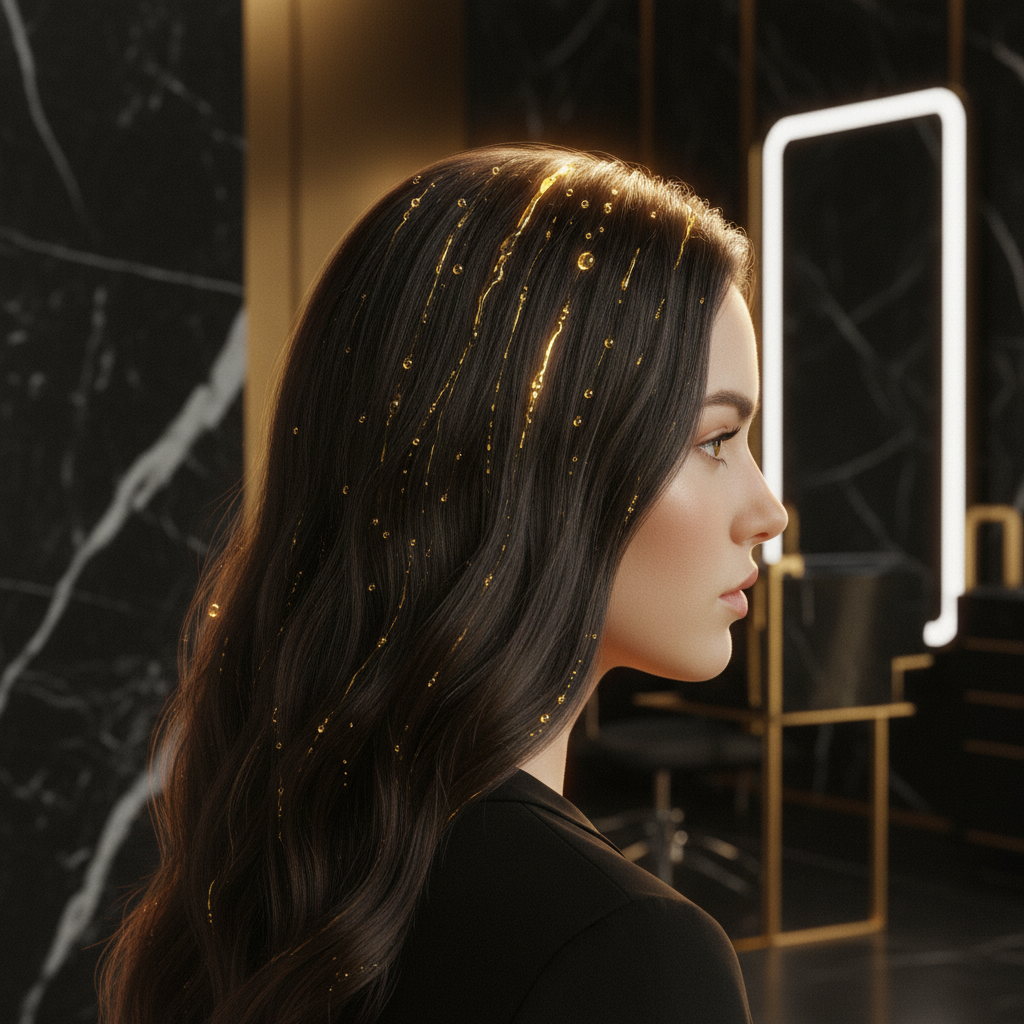
Quick answer: The Role of Sebum in Hair Health is crucial for maintaining scalp moisture and protecting the hair fibre. Sebum, a natural oil produced by sebaceous glands, conditions the hair and forms a protective barrier against environmental stressors and pathogens. However, an imbalance, either too much or too little, can lead to issues like oily scalp, dryness, irritation, and potentially impact the hair's condition and appearance, but it doesn't directly cause or cure hair loss (alopecia).
Key takeaways
- Sebum is a natural, oily substance produced by glands in the scalp, essential for moisturising and protecting hair and scalp.
- It forms a protective barrier, helps maintain the scalp's pH, and possesses antimicrobial and antioxidant properties.
- Hormones, genetics, and environmental factors significantly influence sebum production.
- Both excessive and insufficient sebum can lead to scalp and hair concerns, including oiliness, dryness, flaking, and dullness.
- Managing sebum involves appropriate cleansing, product choices, and sometimes lifestyle adjustments to achieve a healthy balance.
- While vital for hair health, sebum does not directly cause or treat hair loss conditions (alopecia).
The Role of Sebum in Hair Health: what the evidence shows
Sebum is a complex, oily, and waxy substance produced by sebaceous glands, which are tiny exocrine glands located in the dermis layer of the skin. These glands are particularly concentrated on the scalp and face. Sebum is not just a simple oil; it's a intricate blend of lipids, including triglycerides, wax esters, squalene, and cholesterol. Its primary functions are to lubricate the skin and hair, prevent moisture loss, and provide a protective barrier. Understanding The Role of Sebum in Hair Health is key to maintaining a balanced scalp and healthy-looking hair.
How sebum is produced and regulated
Sebum production is a continuous process, with sebaceous glands releasing it into the hair follicles, from where it spreads onto the skin surface and along the hair shaft. Several factors influence the amount of sebum produced:
- Hormones: Androgens, a group of hormones, are the main regulators of sebaceous gland activity. Fluctuations during puberty, pregnancy, and menopause can significantly alter sebum output. For example, increased androgen levels often lead to higher sebum production.
- Genetics: An individual's genetic makeup plays a considerable role in determining their sebaceous gland activity and natural sebum levels.
- Diet: While research is ongoing, some studies suggest that diets high in refined carbohydrates or certain dairy products may influence sebum production, though direct causation requires further investigation.
- Medications: Some medications can affect hormone levels or gland function, thereby impacting sebum production.
- Environmental Factors: Conditions such as humidity, temperature, and pollution can also affect the perceived oiliness of the scalp and hair, partly by influencing sebum spread and interaction with external particles.
The mechanism: how sebum benefits hair and scalp
Sebum performs several vital functions that contribute to healthy-looking hair and a well-conditioned scalp. Its natural composition allows it to act as a multi-functional agent.
Natural moisturiser and conditioner
Sebum coats the hair shaft, acting as the scalp's natural emollient. This coating provides several benefits:
- Prevents moisture loss: It forms a thin, hydrophobic barrier on the hair surface, which reduces the rate at which water evaporates from the hair fibre. This helps keep hair hydrated and supple.
- Enhances flexibility and reduces breakage: By lubricating the hair cuticle, sebum reduces friction between individual hair strands. This increased pliability makes hair less prone to tangling and subsequent breakage during styling and combing.
- Imparts natural shine: A healthy, even distribution of sebum reflects light, contributing to the hair's natural lustre and healthy appearance.
Protective barrier
Beyond moisturisation, sebum offers a degree of protection against various external factors:
- Antioxidant properties: Sebum contains antioxidant compounds, including vitamin E and squalene, which help to neutralise free radicals. These free radicals, often generated by UV exposure and pollution, can cause oxidative damage to hair proteins and the scalp.
- Antimicrobial action: Certain components within sebum, such as fatty acids, possess natural antimicrobial properties. These can help to inhibit the growth of some bacteria and fungi on the scalp, contributing to a balanced scalp microbiome and helping to ward off scalp infections.
- Minor UV protection: While not a replacement for dedicated sun protection, the oily film of sebum does offer a very minor degree of natural protection against ultraviolet (UV) radiation by absorbing and scattering some UV light.
Scalp health maintenance
Maintaining a balanced level of sebum is fundamental for a healthy scalp environment, which in turn supports the appearance of healthy hair. For more on this, see our article, "Understanding Scalp Health: A Foundation for Thriving Hair".
- Maintains pH balance: Sebum contributes to the slightly acidic pH of the scalp, typically between 4.5 and 5.5. This "acid mantle" is a crucial defence mechanism, inhibiting the proliferation of harmful pathogens and protecting against environmental stressors.
- Prevents dryness and irritation: Adequate sebum production keeps the scalp moisturised, preventing common issues like dryness, flakiness, and itching that can arise when the scalp's natural barrier is compromised.
Sebum imbalance: too much or too little
Both an overproduction and an underproduction of sebum can lead to noticeable scalp and hair concerns. A balanced approach is crucial to optimise The Role of Sebum in Hair Health.
Excessive sebum (oily scalp)
An overproduction of sebum, medically termed seborrhoea, results in an oily scalp and hair. This can lead to a number of issues:
- Greasy appearance: Hair can quickly appear weighed down, dull, and oily, often within a day of washing.
- Blocked follicles: Excess sebum can combine with dead skin cells, environmental debris, and styling product residue. This mixture can potentially block hair follicles, which may contribute to scalp conditions like folliculitis or exacerbate hair shedding in some individuals.
- Dandruff: An oily scalp provides a favourable environment for the proliferation of Malassezia globosa, a yeast commonly implicated in the development of dandruff. The yeast feeds on sebum, leading to inflammation and flaking. For more information, read our article "Dandruff: Causes and Treatments Explained".
Managing an oily scalp
If you experience an oily scalp, the goal is to manage sebum production and distribution without stripping the scalp completely. See "Oily Scalp Care: Understanding and Managing Excess Sebum" for an in-depth guide.
- Gentle cleansing: Use a gentle, sulfate-free shampoo to cleanse the scalp effectively without harsh stripping. Over-stripping the scalp can paradoxically trigger the sebaceous glands to produce even more sebum as a compensatory mechanism. Watermans shampoos are formulated to cleanse effectively whilst being gentle.
- Washing frequency: Adjust how often you wash your hair based on your individual needs. Some people benefit from more frequent washing, while others find that washing too often stimulates increased oil production.
- Avoid excessive brushing: Vigorously brushing or touching your hair too often can distribute sebum more rapidly down the hair shaft, making the hair appear oilier sooner.
- Product choices: Opt for lightweight, non-comedogenic hair products that won't add to the oiliness or contribute to pore blockage.
Insufficient sebum (dry scalp)
Conversely, an underproduction of sebum can result in a dry scalp and hair. This can manifest as:
- Dry, brittle hair: Without adequate lubrication from sebum, hair cuticles can become rough, leading to hair that feels dry, appears dull, and is more prone to breakage. For more on this, see "Hair Damage: Causes, Signs, and Solutions".
- Scalp itchiness and flakiness: A dry scalp lacks its natural protective barrier, making it susceptible to irritation, itching, and non-dandruff related flaking. This can sometimes be confused with dandruff, but typically lacks the yellowish, oily flakes associated with Malassezia.
- Reduced shine: The absence of sufficient sebum diminishes the hair's natural sheen, making it appear lifeless.
Managing a dry scalp
If you have a dry scalp, the aim is to replenish moisture and soothe any irritation. Our article "Hair Hydration: The Science Behind Keeping Hair Moist" offers further insights.
- Moisturising shampoos and conditioners: Use products specifically formulated to hydrate both the scalp and hair. Look for ingredients known for their moisturising properties. Watermans conditioners provide essential moisture.
- Scalp treatments: Incorporate specialised scalp treatments, such as leave-on serums or natural oils (e.g., jojoba, argan), to replenish moisture and soothe irritation. See "Scalp Exfoliation: Uncovering the Evidence for a Healthier Scalp" for related information.
- Minimise heat styling: High heat from styling tools can further dehydrate the hair and scalp. If heat styling is necessary, always use a heat protection product.
- Dietary considerations: Ensure your diet includes adequate intake of healthy fats, such as omega-3 fatty acids, which are important for overall skin and hair health.
Sebum and hair shedding versus hair breakage
It's important to distinguish between hair shedding (hairs naturally released from the follicle) and hair breakage (the hair fibre snapping along its length). Sebum levels do not directly cause common forms of alopecia (hair loss) or hair shedding. However, extreme imbalances can indirectly affect the hair cycle or hair fibre strength:
- Excess sebum: While not directly causing hair loss, severe, untreated oily scalp conditions can sometimes lead to inflammation or blockages of the follicle opening. This environment could potentially disrupt the normal hair cycle, but controlled research has not definitively linked excess sebum to clinical hair loss conditions like androgenetic alopecia.
- Insufficient sebum: A very dry scalp and hair lacking adequate sebum can lead to increased hair fibre fragility. This makes the hair more susceptible to breakage, which can reduce hair density and length over time, but it is not hair loss from the follicle itself. The hair is simply snapping. Our article "Hair Damage: Causes, Signs, and Solutions" offers more details on breakage.
The role of sebum in hair growth: While sebum doesn't directly stimulate hair growth factors, a healthy sebum balance is crucial for maintaining an optimal environment for hair follicles to function correctly. Chronic inflammation or severe blockages linked to sebum imbalance could indirectly impede healthy hair cycles, whereas proper sebum levels help ensure the hair follicle is nourished and protected, contributing to the appearance of healthy growth.
Frequently asked questions about The Role of Sebum in Hair Health
Does sebum make your hair grow faster?
No, sebum does not directly make hair grow faster. Hair growth rate is primarily determined by genetics, hormones, nutrition, and overall follicle health. However, a balanced level of sebum creates a healthy scalp environment, which is conducive to normal hair growth cycles and can contribute to the appearance of healthy, strong-looking hair.
Can washing my hair less often reduce sebum production?
Washing your hair less often may initially make your hair feel oilier as your scalp adjusts. Some people report that their scalp eventually produces less sebum, but scientific evidence consistently supporting this claim is mixed. Often, the sebaceous glands simply continue their genetically predetermined rate of production, regardless of washing frequency. The perception of oiliness might decrease as the hair and scalp get used to having more natural oils present.
Is it bad to have too much sebum on your scalp?
Yes, having too much sebum (an oily scalp) can lead to several issues. It can make hair look greasy and weighed down, potentially contribute to blocked hair follicles, and create a favourable environment for the Malassezia yeast associated with dandruff. Managing excess sebum is important for maintaining scalp health and the appearance of your hair.
Can a dry scalp produce too much sebum?
It's a common misconception that a dry scalp directly produces too much sebum. A dry scalp is typically due to insufficient sebum. However, sometimes harsh cleansing or products can strip the scalp's natural oils, leading to temporary dryness and irritation. In response, the sebaceous glands might overcompensate and produce an increase in sebum. This rebound effect can make the scalp feel dry and oily simultaneously. Addressing the underlying cause of dryness is key.
How does diet affect The Role of Sebum in Hair Health?
Diet can play a supporting role in The Role of Sebum in Hair Health, though it's not the sole determinant. Some studies suggest that diets high in refined sugars, processed foods, or certain dairy products may influence hormone levels that regulate sebum production. Conversely, a diet rich in essential fatty acids (like omega-3s) and vitamins (especially A and E) can support overall skin and scalp health, indirectly contributing to balanced sebum production. Evidence is mixed, and more controlled research is needed to establish definitive links.
What are common signs of sebum imbalance?
Common signs of sebum imbalance include persistent greasiness or oiliness of the hair and scalp (excess sebum), or a dry, itchy, and flaky scalp with brittle, dull-looking hair (insufficient sebum). Other signs might include hair that quickly looks dirty after washing, or conversely, a scalp that feels tight and uncomfortable. Noticing these signs can help you adjust your hair care routine.
Understanding The Role of Sebum in Hair Health for optimal care
Sebum is far more than just "oil"; it is a dynamic and essential component of the scalp's ecosystem. Its multifaceted role in lubricating, protecting, and maintaining the health of both the scalp and hair is undeniable. While it doesn't directly cause or treat hair loss conditions, a balanced level of sebum is fundamental for the overall appearance and vitality of your hair. Understanding its functions and how to manage imbalances is key to achieving and maintaining optimal hair health. The goal isn't to eliminate sebum, but rather to achieve a healthy balance that supports your hair's natural strength and lustre.
Sources and references
- American Academy of Dermatology Association. Seborrheic Dermatitis: Diagnosis and Treatment. AAD.org. (Regularly updated).
- Dermatology Times. The Role of Sebum in Skin Health. Dermatology Times. (Regularly updated).
- NHS. Dandruff. NHS.uk. (Regularly updated).
- NICE. Seborrhoeic dermatitis. NICE.org.uk. (Regularly updated).
- Pappas, A., & Kendall, A. C. (2012). The biology of sebaceous glands and their disorders. Clinics in Dermatology, 30(2), 173-181. DOI: 10.1016/j.clindermatol.2011.08.014
- Thiboutot, D., et al. (2014). Standardizing Acne Terminology, Classification and Severity Scales: Global Alliance to Improve Outcomes in Acne. Journal of the American Academy of Dermatology, 71(Suppl. 1), S1-S28. DOI: 10.1016/j.jaad.2014.07.039
- University of California San Francisco Health. Hair Loss: Causes and Treatments. UCSFHealth.org. (Regularly updated).
Find these ingredients in Watermans products
- Vitamin E: you will find this ingredient in our Hair Vitamins.