Seborrhoeic Dermatitis Scalp Care: The Clinical Guide to Calming Flares
9 min read ·
Explore evidence-based seborrhoeic dermatitis scalp care. Learn how to manage Malassezia, reduce inflammation, choose active shampoos, and keep flares in remission.
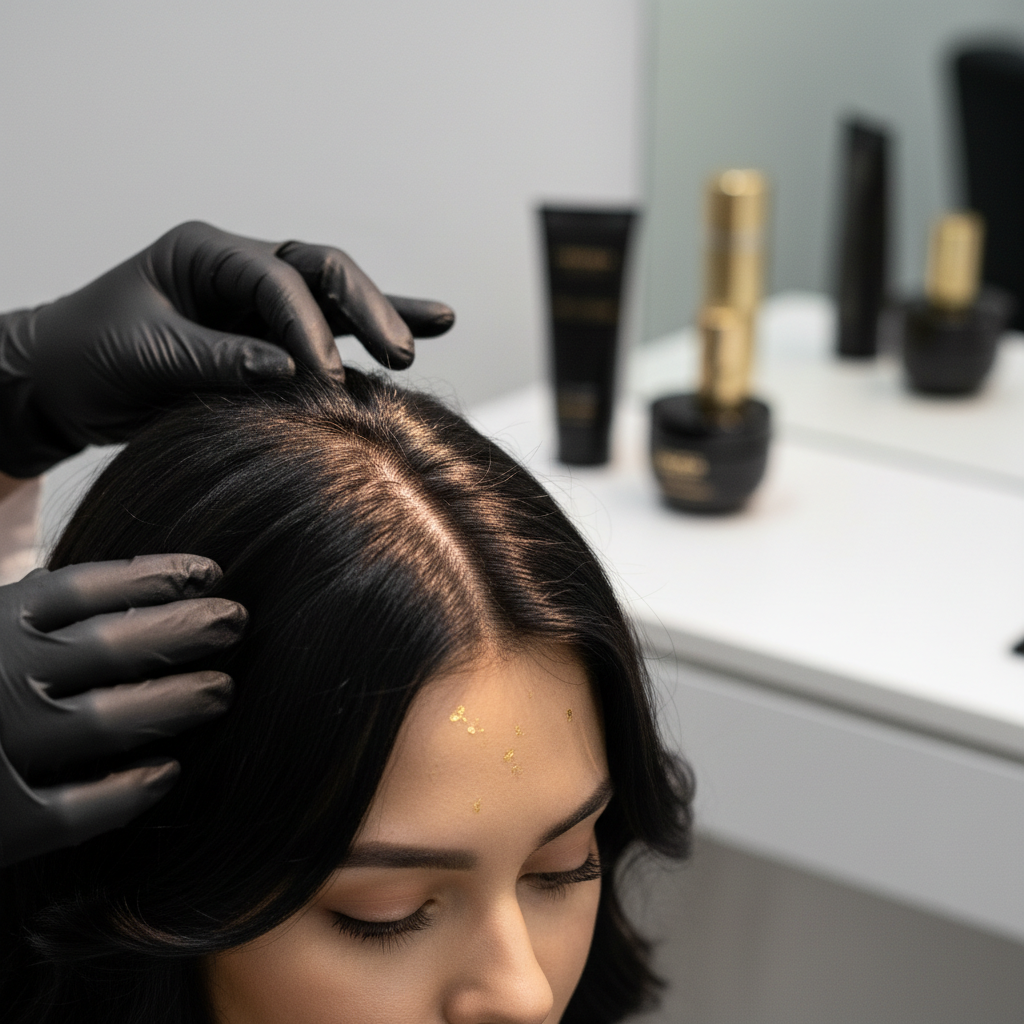
Quick answer: Effective seborrhoeic dermatitis scalp care focuses on reducing Malassezia yeast overgrowth, managing sebum production, and calming epidermal inflammation. A clinical regimen balances targeted antimicrobial agents (such as ketoconazole, zinc pyrithione, or piroctone olamine) with gentle cleansing and barrier support. While consistent care keeps symptoms in complete remission, seborrhoeic dermatitis is a chronic, relapsing condition. Scalp routines manage flare-ups rather than permanently curing the underlying biological predisposition.
Key takeaways
- Seborrhoeic dermatitis is driven by an interaction between sebum, skin barrier function, and Malassezia yeasts feeding on scalp lipids.
- Flares cause greasy, yellowish scales, erythema (redness or pinkness), and persistent pruritus (itching).
- Effective management pairs active antifungal ingredients with regular washing to stop excess sebum oxidising on the scalp surface.
- Heavy natural plant oils rich in oleic acid (such as olive oil) often worsen flares by feeding Malassezia.
- Temporary telogen effluvium can occur during severe inflammatory episodes, but seborrhoeic dermatitis does not destroy hair follicles.
Seborrhoeic Dermatitis Scalp Care: what the evidence shows
Seborrhoeic dermatitis affects between 3% and 5% of the general population, with mild presentations like simple dandruff affecting up to 50%. Clinical dermatology literature confirms that successful seborrhoeic dermatitis scalp care depends on three pillars: antifungal control, anti-inflammatory action, and keratolytics (descaling agents).
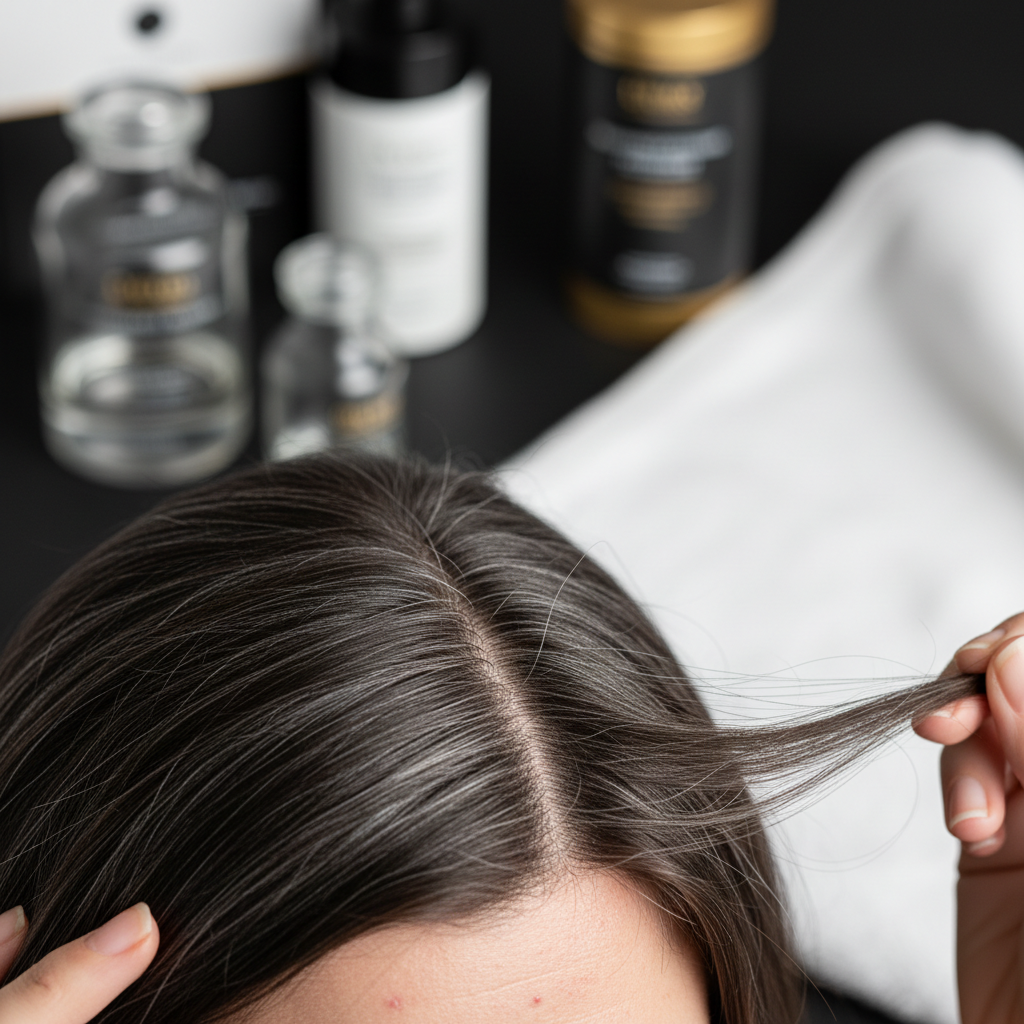
Research demonstrates that species of the lipophilic yeast genus Malassezia (predominantly M. Restricta and M. Globosa) hydrolyse human sebum triglycerides into free fatty acids. Among these by-products is oleic acid. In susceptible individuals, oleic acid breaches an already compromised stratum corneum barrier. This triggers an inflammatory cascade, accelerated epidermal turnover, and irregular shedding of keratinocytes, presenting as visible scales.
Controlled clinical trials show that active shampoos remain the frontline treatment:
- Ketoconazole (1% to 2%): An imidazole antifungal that inhibits ergosterol synthesis in yeast cell membranes. Meta-analyses show high efficacy in reducing both scaling and erythema.
- Zinc Pyrithione (1% to 2%): A coordination complex with broad antifungal and antimicrobial activity that disrupts microbial energy metabolism.
- Piroctone Olamine: A hydroxamic acid derivative that penetrates cell walls to bind iron, preventing yeast proliferation while offering a gentler profile on hair fibre softness.
- Selenium Sulfide (1% to 2.5%): Reduces corneocyte turnover and suppresses yeast, though it can leave hair feeling dry or coated if used improperly.
- Salicylic Acid (2% to 3%): Acts as a keratolytic agent to loosen adherent, thick crusts so antimicrobial agents can reach the underlying skin.
Contact time is critical. Clinical guidelines recommend leaving active therapeutic shampoos on the scalp for 3 to 5 minutes before rinsing thoroughly. Leaving an active shampoo on for less than 60 seconds drastically reduces ingredient deposition on the scalp barrier.
The underlying mechanisms of a flare-up
Seborrhoeic dermatitis is not an allergic reaction, nor is it caused by poor personal hygiene. It occurs at the intersection of three biological factors:
- Sebum secretion: The condition concentrates in areas with high sebaceous gland density, notably the scalp, hairline, eyebrows, and nasolabial folds. Androgens stimulate these glands, which explains why the condition peaks in infancy, adolescence, and middle age.
- Microbial metabolism: Malassezia lacks the fatty acid synthase gene and cannot synthesize its own lipids. It relies entirely on host sebum, breaking down lipids and releasing irritating unsaturated free fatty acids.
- Host immune and barrier response: Not everyone with high sebum and Malassezia develops dermatitis. Those who flare possess an individual epidermal sensitivity. Their stratum corneum exhibits structural lipid disorganisation, leading to transepidermal water loss (TEWL) and sub-clinical neurogenic inflammation.
Stress, fatigue, cold and dry weather, and hormonal fluctuations consistently trigger flares by altering both skin lipid composition and systemic immune tolerance.
Differentiating seborrhoeic dermatitis from other scalp conditions
Because scaling and redness are common scalp symptoms, seborrhoeic dermatitis is frequently confused with other conditions. Getting the diagnosis right dictates your routine.
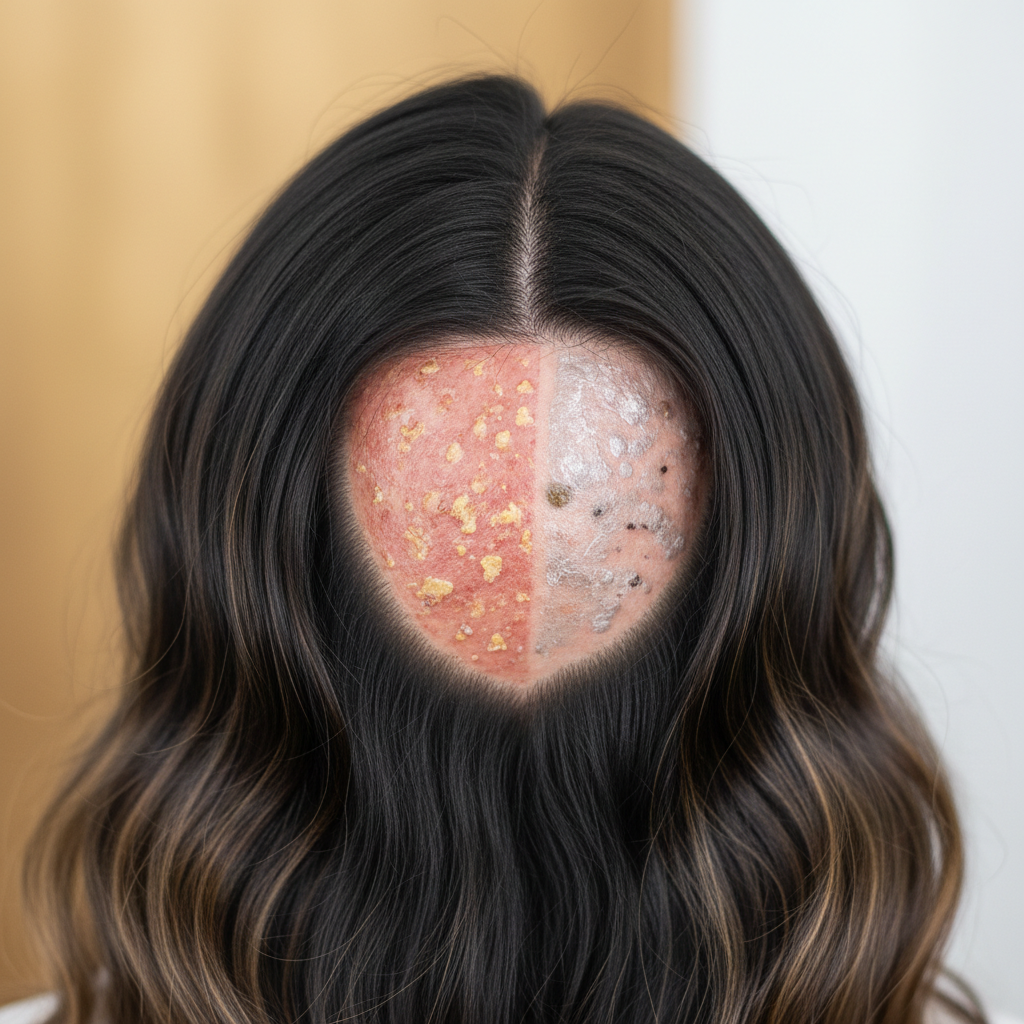
| Feature | Seborrhoeic Dermatitis | Scalp Psoriasis | Dry Scalp (Pityriasis Sicca) | Atopic Eczema |
|---|---|---|---|---|
| Scale Appearance | Yellowish, greasy, adherent flakes | Thick, silvery-white, well-demarcated plaques | Fine, dry, powdery white flakes | Ill-defined, dry, sometimes excoriated |
| Underlying Skin | Erythematous (red, pink, or violaceous) | Deep red, raised, clearly bordered borders | Normal skin tone, non-inflamed | Inflamed, dry, lichenified from scratching |
| Distribution | Hairline, crown, ears, central chest | Often extends beyond hairline; elbows, knees | Diffuse across the entire scalp | Hairline, flexural folds (creases of arms/legs) |
| Bleeding | Rare unless violently scratched | Common if flakes are lifted (Auspitz sign) | Absent | Absent to minimal |
| Primary Driver | Malassezia overgrowth + sebum reaction | Autoimmune keratinocyte hyperproliferation | Low ambient humidity, barrier dehydration | Genetic barrier defect (filaggrin deficiency) |
Daily and weekly management strategies
Developing an effective long-term routine requires adapting your wash schedule and product selection between acute flare phases and maintenance phases.
Acute flare-up protocol (2 to 4 weeks)
- Wash frequency: Wash daily or every other day. Infrequent washing allows sebum to pool, feeding yeast and concentrating irritating fatty acids.
- Targeted treatment: Use a designated active shampoo (such as ketoconazole or piroctone olamine) two to three times per week. Massage into the scalp, not the hair lengths, and wait 3 to 5 minutes before rinsing.
- Alternate days: Use a gentle, sulfate-free or low-irritant clarifying cleanser that removes excess lipids without stripping the acid mantle (ideal scalp pH is 4.5 to 5.5).
- Descaling: If thick crusts are present, apply a targeted preparation containing 2% salicylic acid or mineral oil 30 minutes before washing. Never pick or forcibly scratch plaques off, as mechanical trauma causes secondary infections and breaks fragile hairs.
Maintenance protocol (long-term)
- Frequency: Cleanse the scalp 2 to 4 times per week depending on natural sebum production and hair texture.
- Rotational therapy: Use an active therapeutic shampoo once per week to prevent Malassezia population rebounds. Rotate between two different active ingredients (for instance, zinc pyrithione and piroctone olamine) if you notice tachyphylaxis (diminishing results over months of use).
- Conditioning placement: Apply rinse-out conditioners and styling creams strictly from mid-lengths to ends. Keep heavy emollient butters (shea butter, cocoa butter) and oils away from the scalp skin.
What the evidence does not show: common myths
Misinformation about scalp health frequently leads people to make choices that worsen seborrhoeic dermatitis.
- Myth: Scalp oils "cure" the flakes. Many reach for olive, coconut, or argan oil to soothe what they assume is dry skin. In vitro studies confirm that Malassezia species thrive on the medium-to-long chain fatty acids found in natural plant oils. Saturating the scalp in pure plant oils acts as a growth medium for yeast, rapidly escalating the flare. Mineral oil and pure squalane are non-digestible by yeast, making them safer if scale removal requires an oil soak.
- Myth: Seborrhoeic dermatitis causes permanent baldness. The condition does not cause cicatricial (scarring) alopecia and does not kill hair follicles. Severe scratching can snap fibres (breakage), and profound scalp inflammation can shift an unusually high number of hairs into the resting phase (telogen effluvium). Once inflammation subsides, these hairs cycle back naturally.
- Myth: Drinking more water resolves the flakes. Systemic hydration is vital for general health, but seborrhoeic dermatitis is an epidermal barrier and microbial imbalance, not simple systemic dehydration.
Supporting the scalp with gentle formulations
Maintaining a balanced scalp environment requires supporting the skin barrier between medicated washes. Watermans focuses on nurturing a balanced, refreshed scalp foundation to support optimal conditions for hair growth. Formulations like Watermans Grow Me Shampoo incorporate scalp-friendly ingredients including rosemary extract, caffeine, and biotin alongside non-stripping cleansers. These ingredients help remove excess sebum and cosmetic residues while respecting the scalp surface, making it an excellent supportive daily wash option to alternate with your active dermatological treatments.
When to seek professional medical advice
Cosmetic and over-the-counter interventions manage mild to moderate presentations reliably. However, consult a GP or dermatologist if you experience:
- Scales that spread onto the face, eyelids, or neck without improvement after two weeks of targeted shampoo use.
- Fluid weeping, honey-coloured crusting, or swollen lymph nodes, which suggest a secondary bacterial infection (typically Staphylococcus aureus).
- Painful or swollen scalp skin rather than ordinary itchiness.
- Uncontrolled hair shedding that persists beyond three months after scalp inflammation has resolved.
A dermatologist can prescribe short-term topical corticosteroids (such as betamethasone or clobetasol solution) or topical calcineurin inhibitors (such as tacrolimus) to rapidly halt acute inflammatory responses before returning you to standard maintenance care.
Frequently asked questions about Seborrhoeic Dermatitis Scalp Care
How often should I wash my hair when managing seborrhoeic dermatitis?
Most dermatologists recommend washing your hair at least every other day during a flare, or even daily for oily hair types. Regular washing mechanically lifts excess sebum and clears away dead skin cells, depriving Malassezia yeasts of their primary food source and curbing inflammation.
Can natural oils be used in seborrhoeic dermatitis scalp care?
Most natural vegetable oils should be avoided on the scalp. Malassezia feeds directly on lipids containing fatty acid chains with 11 to 24 carbons, including olive, coconut, and sunflower oil. If you require an oil to soften stubborn crusts, use pure squalane or pharmaceutical-grade mineral oil, which the yeast cannot digest.
Does seborrhoeic dermatitis lead to hair loss?
The condition does not cause permanent follicular damage. However, severe scratching causes mechanical hair breakage, and intense skin inflammation can trigger temporary shedding known as telogen effluvium. Once the inflammation is brought under control through consistent care, normal hair regrowth resumes across subsequent growth cycles.
Can I dye or bleach my hair during a flare?
It is best to postpone chemical salon treatments until your scalp is clear and calm. Bleach, permanent tint developer, and ammonia are strong chemical irritants. Applying them to an already inflamed, broken epidermal barrier can cause severe chemical burning, intensify inflammation, and trigger contact dermatitis.
Why do therapeutic shampoos stop working after a while?
This perceived reduction in efficacy often happens when yeast populations adapt or when inconsistent contact time diminishes clinical impact. Rotating between two different active antifungals (such as alternating ketoconazole and zinc pyrithione or piroctone olamine every few months) helps maintain long-term management and keeps symptoms in remission.
Managing your scalp over the long term
Navigating sustainable seborrhoeic dermatitis scalp care comes down to consistency, biological understanding, and gentle vigilance. Because this is a chronic predisposition rather than an acute infection you eradicate once, your goal is long-term calm. By combining scientifically supported antifungal cleansers, respecting contact times, and avoiding heavy plant oils on your roots, you can eliminate visible flakes, stop the itch, and protect your scalp barrier permanently.
Sources and references
- British Association of Dermatologists. Clinical Guidelines for the Management of Seborrhoeic Dermatitis. 2019.
- National Institute for Health and Care Excellence (NICE). Seborrhoeic Dermatitis: Clinical Knowledge Summaries. 2022.
- Gupta, A. K., et al. "Seborrheic dermatitis: a review with an emphasis on treatment options." Journal of the European Academy of Dermatology and Venereology, 2004.
- Dawson, T. L. "Malassezia globosa and restricta: Breakthrough Understanding of the Etiology and Treatment of Dandruff and Seborrheic Dermatitis through Whole-Genome Analysis." Journal of Investigative Dermatology Symposium Proceedings, 2007.
- Borda, L. J., & Wikramanayake, T. C. "Seborrheic Dermatitis and Dandruff: A Comprehensive Review." Journal of Clinical and Investigative Dermatology, 2015.
Find these ingredients in Watermans products
- Zinc: you will find this ingredient in our Hair Vitamins.
- Oleic Acid: you will find this ingredient in our Camellia & Black Castor Hair & Body Oil.
- Sunflower Seed Oil: you will find this ingredient in our Heat Protection Spray.
- Shea Butter: you will find this ingredient in our Curly Hair Conditioner.